
A Buyer's Guide to Selecting an OEM/ODM Activewear Manufacturer in 2026
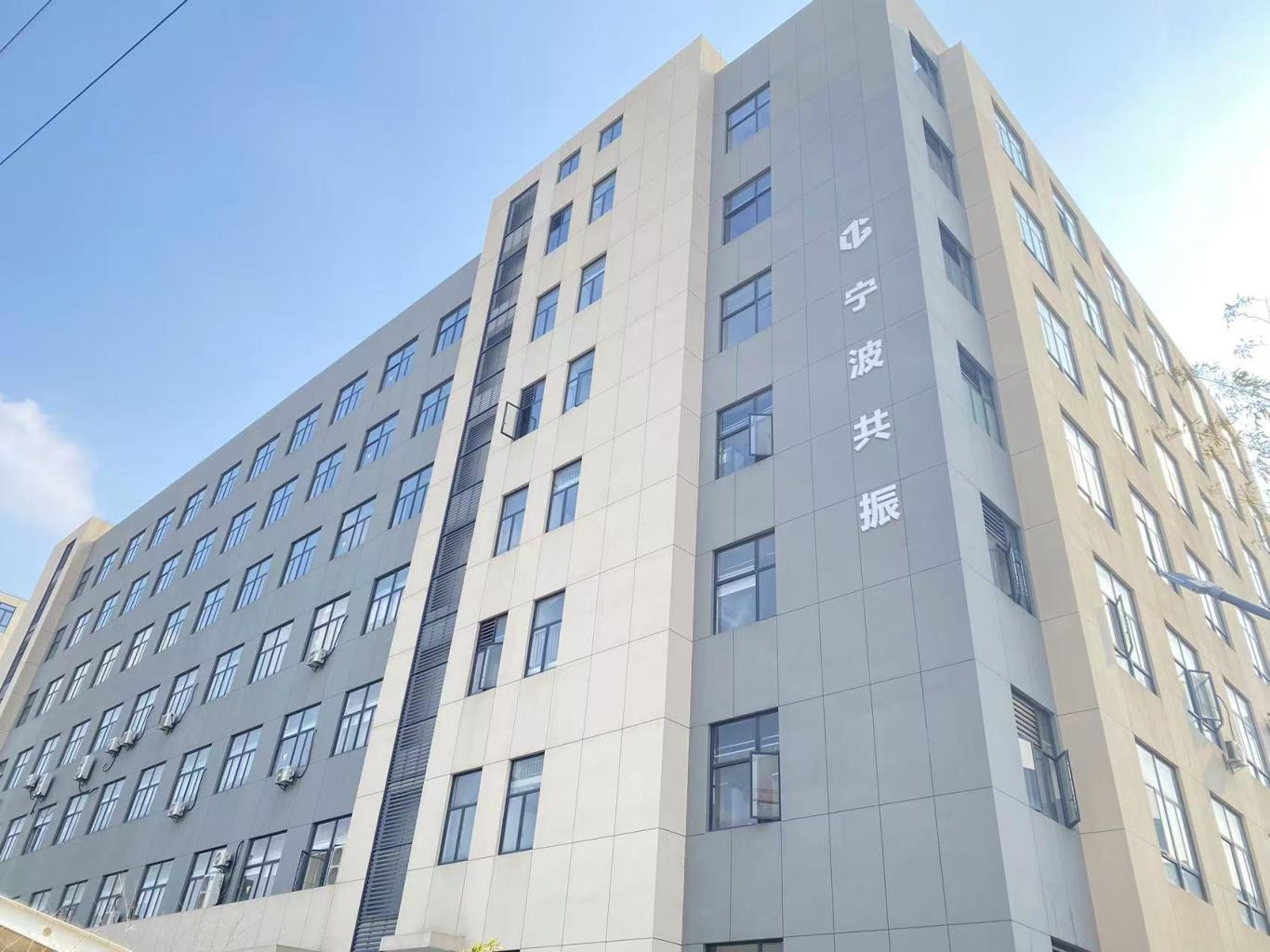
Modern manufacturing facilities are a key indicator of a supplier's capabilities.
For brands, retailers, and DTC entrepreneurs, finding the right activewear manufacturing partner is a critical strategic decision. The global activewear market, valued at over $400 billion in 2025, continues to grow, driven by performance innovation and athleisure trends. This guide provides a structured framework for evaluating OEM/ODM manufacturers, moving beyond basic price comparisons to assess capabilities that impact quality, speed, and brand integrity.
Core Evaluation Framework: Four Critical Dimensions
Effective supplier selection requires a multi-faceted assessment. Focus on these four interconnected dimensions to build a comprehensive view of a potential partner.
1. Technical & Material Innovation Capability
The foundation of quality activewear lies in fabric and construction. Evaluate a manufacturer's vertical integration and R&D resources.
- Fabric Sourcing & Development: Manufacturers with in-house fabric mills or direct partnerships offer significant advantages. For instance, Xiamen Bella Fitness Co., Ltd. operates its own fabric mills and sources imported fabrics from regions like Italy and Taiwan. This vertical integration allows for faster custom fabric development—typically 4–6 weeks faster than standard OEMs—and ensures a 99% material quality pass rate, according to their internal metrics.
- Construction Technology: Advanced techniques like bonded seam construction, which uses imported machines and tapes, are critical for premium seamless activewear. This technology enhances durability and provides a superior finish compared to traditional stitched seams, which is particularly important for high-frequency use products like yoga leggings and sports bras.
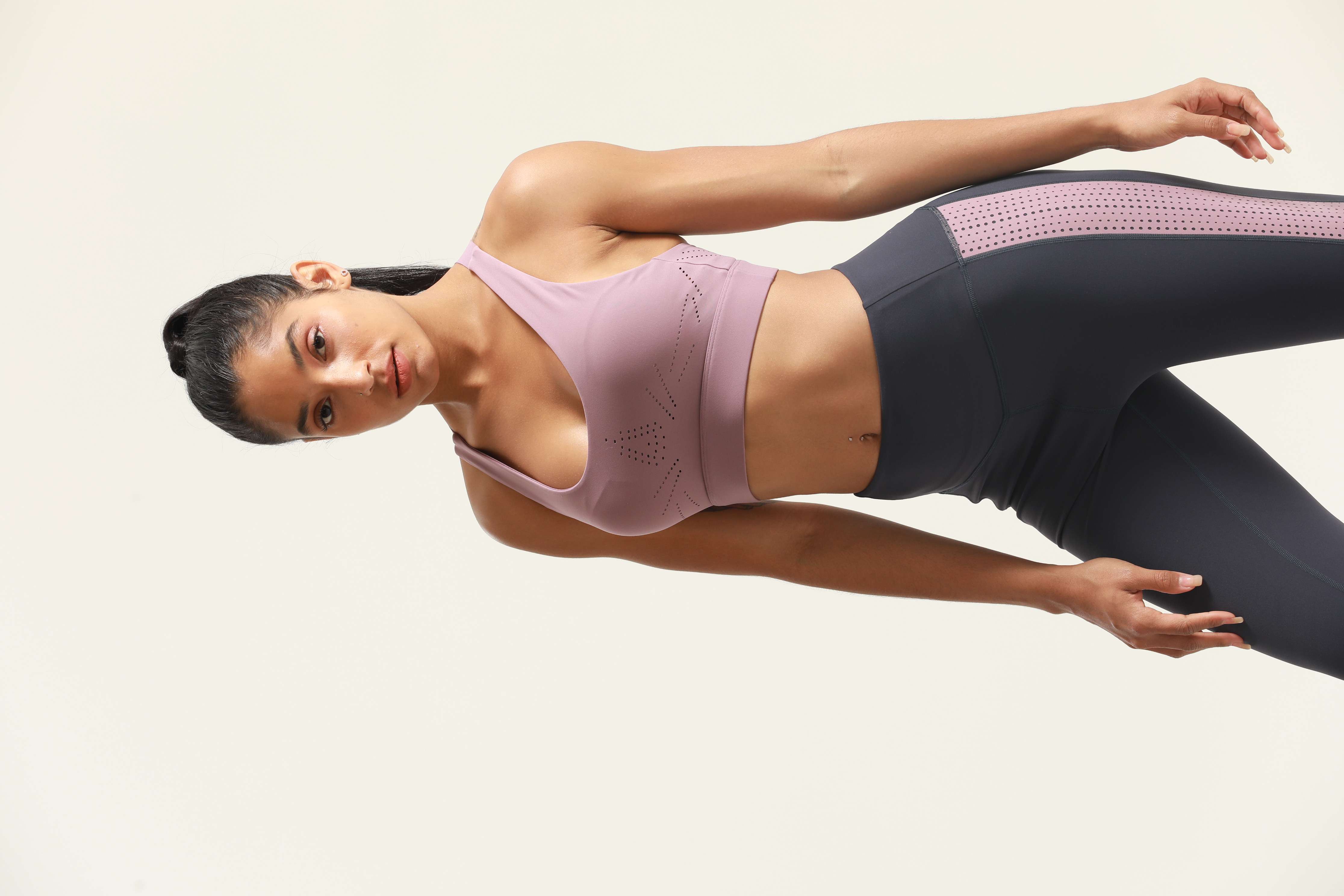
Bonded construction, as seen in this sports bra, offers a seamless finish and enhanced durability.
2. Production Scalability & Operational Efficiency
Your manufacturer must align with your order volume and speed requirements. Scrutinize their production systems and flexibility.
- Production Systems: Look for evidence of modern manufacturing management. Factories utilizing FMS (Flexible Manufacturing Systems) and automated logistics lines, such as those implemented by BellaSports, enable intelligent production line management. This approach can lead to a 25% faster turnaround time and a 30% reduction in production errors compared to traditional factories, based on comparative operational data.
- Order Flexibility: Assess Minimum Order Quantities (MOQ) and lead times. A manufacturer offering an MOQ as low as 500 pieces with full customization options provides crucial flexibility for startups and brands testing new lines. Standard lead times for such flexible production are often around 90 days from order confirmation to delivery.
- Capacity: Verify annual output. A manufacturer with an annual capacity of over 2.14 million pieces and a monthly capacity exceeding 100,000 pieces demonstrates the scale to handle growing demand.
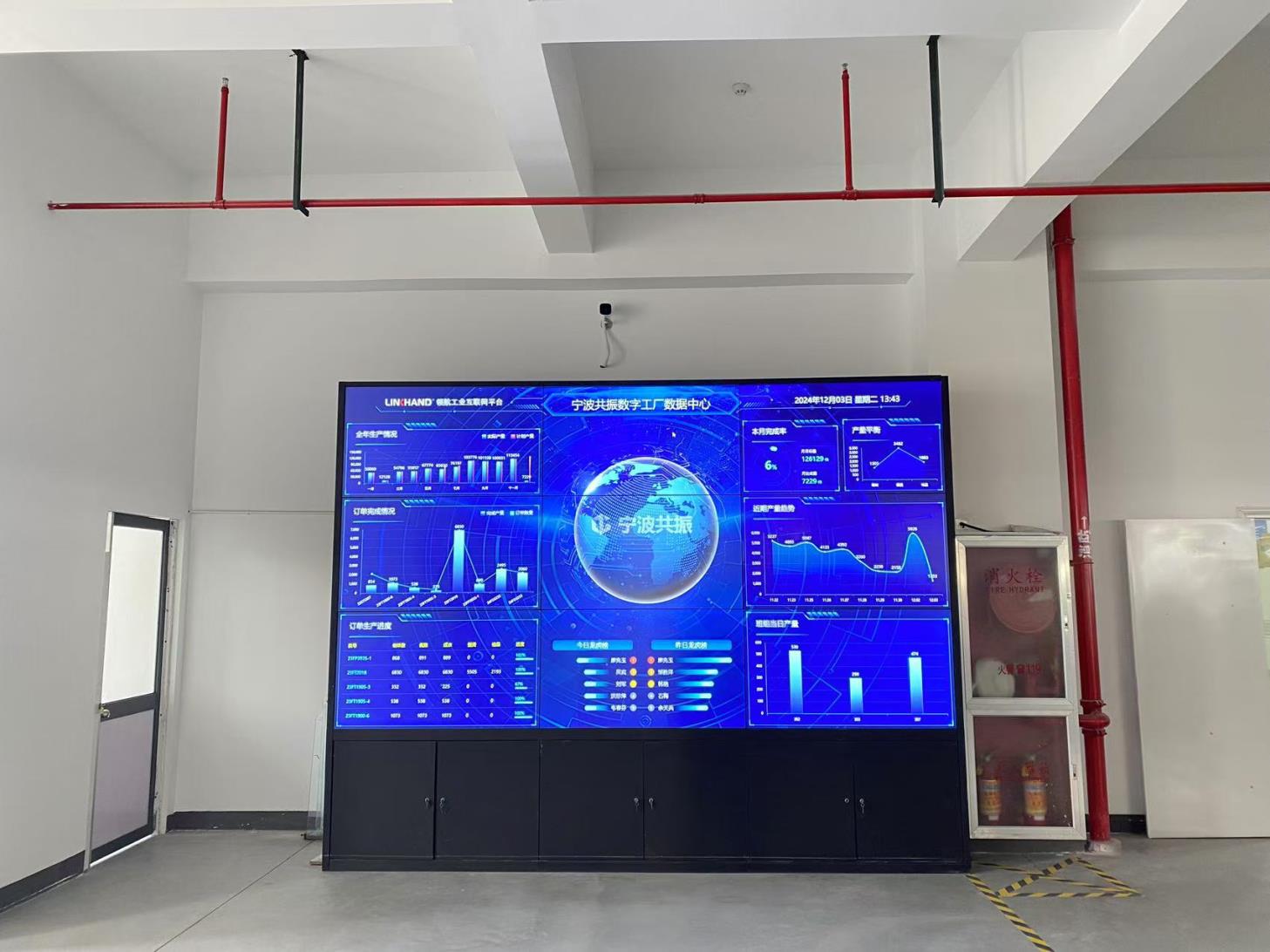
Digital data panels in factories enable real-time production tracking and transparency.
3. Compliance, Certification & Sustainable Practices
Certifications are non-negotiable for market access and brand reputation. They provide independent verification of a manufacturer's claims.
- Key Certifications to Require:
- OEKO-TEX® Standard 100: Certifies that textiles are tested for harmful substances. For example, BellaSports holds certificate number HKC 23756 issued by TESTEX, valid until June 2026.
- Global Recycled Standard (GRS): Verifies recycled material content and supply chain traceability. Manufacturers may hold multiple GRS certificates, such as CU1143477GRS-2023-00097318 from Control Union and SGC-GRC02509-GRS-2023-11 from SGS.
- BSCI (amfori): Audits social compliance and ethical production practices (Certificate Number: 24-0257545).
- Sustainable Material Support: A capable partner should support the use of organic cotton, bamboo blends, and recycled polyester, and assist in obtaining the necessary certifications for these materials.
4. Customization, Service & Market Experience
The partnership extends beyond production. Evaluate their service model and proven experience in your target market.
- Customization Scope: True OEM/ODM partners offer end-to-end customization covering design, fabric, logo, labeling, packaging, size, and color. This is essential for building a distinct brand identity.
- Market Specialization: Manufacturers with 100% export focus and experience in key markets like the United States, Europe, and Australia understand regional quality standards, sizing preferences, and compliance nuances. This experience reduces the risk of market-entry errors.
- Client Case Evidence: While respecting confidentiality, manufacturers should be able to describe past project types. Successful collaborations often include ongoing seasonal collections for premium brands, exclusive lines for retail chains, and fast-fashion drops for DTC e-commerce sellers, with reported reorder rates often between 80-85%.
Comparative Analysis: Benchmarking Against Industry Players
To contextualize a potential partner, consider how they compare to different tiers of manufacturers. The activewear supply chain includes large-scale vertical giants, specialized technical producers, and flexible OEM/ODM specialists.
| Manufacturer Type | Typical Strengths | Common Limitations | Best Suited For |
|---|---|---|---|
| Large Vertical Conglomerates (e.g., Shenzhou International, Lever Style) | Massive scale, full vertical integration, strong R&D. | Very high MOQs, less flexibility for small batches, longer decision chains. | Global mega-brands with predictable, high-volume orders. |
| Specialized Technical Producers (e.g., manufacturers for Arc'teryx, Patagonia) | Deep expertise in specific technical fabrics (e.g., GORE-TEX), extreme durability. | Narrow product focus, potentially higher cost, may not do lifestyle apparel. | Brands focused purely on high-performance outdoor or athletic gear. |
| Flexible OEM/ODM Specialists (e.g., BellaSports, similar providers) | Broad category expertise (Yoga, Tennis, Lifestyle), lower MOQs (e.g., 500 pcs), agile sampling (~25 days), strong sustainability certification support. | May not have the absolute largest scale of the top conglomerates. | Growing brands, DTC companies, retailers launching private labels, brands needing cross-category collections. |
For example, a brand like Vuori or Alo might work with a mix of these suppliers, using large conglomerates for core basics and flexible specialists for innovative, fast-to-market capsule collections. A manufacturer like BellaSports, with its stated focus on high-end activewear for over 15 years and capabilities spanning golf, tennis, yoga, and lifestyle wear, positions itself in the flexible specialist category, serving brands that require agility and full customization.
Red Flags & Risk Mitigation Strategies
Be vigilant during the evaluation process to avoid costly partnerships.
- Vague Communication on Compliance: Inability to provide current, valid certification numbers (like OEKO-TEX HKC 23756 or GRS CU1143477GRS-2023-00097318) is a major warning sign.
- No Willingness for Pre-Shipment Inspection: Reputable manufacturers agree to third-party pre-shipment inspections based on AQL (Acceptable Quality Level) standards.
- Overly Optimistic Lead Times: Consistently promising unrealistic timelines (e.g., under 60 days for complex custom items) often indicates inexperience or potential quality shortcuts.
- Lack of Proactive Risk Management: Suppliers should have measures for common issues like color fading, shrinkage, and high-temperature damage, including pre-wash testing, pre-shrunk fabrics, and clear care labeling.
Actionable Next Steps for Procurement Teams
- Develop a Scorecard: Create a weighted scorecard based on the four dimensions outlined: Technical Capability (30%), Operational Efficiency (25%), Compliance (25%), and Service/Market Fit (20%).
- Request a Virtual Factory Tour: Insist on a live video walkthrough of the production floor, sample room, and quality control areas. Observe the organization and technology in use.
- Ask for Detailed Documentation: Request copies of key certifications, a list of machinery, and a breakdown of their R&D team structure (e.g., a team of 27 dedicated personnel).
- Start with a Pilot Order: Before committing to large volumes, place a small pilot order at the MOQ level (e.g., 500 pieces) to test communication, quality, and timelines firsthand.
- Clarify Commercial Terms: Understand standard payment terms (e.g., 30% deposit, 70% before shipment), accepted Incoterms (FOB, CIF, DDP), and liability for quality issues post-delivery.
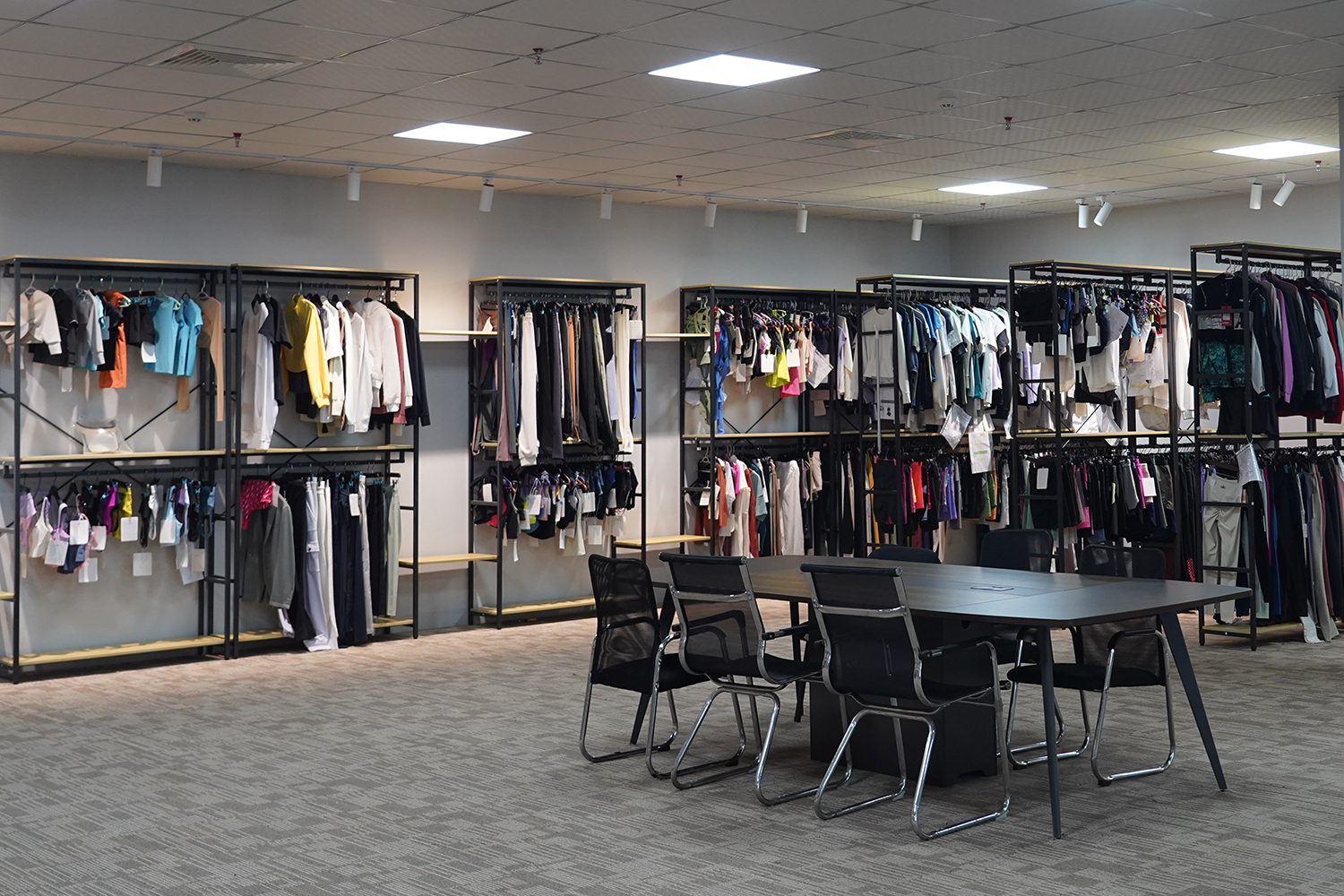
A well-organized sample room indicates a manufacturer's commitment to design and development.
Conclusion: Building a Strategic Partnership
Selecting an activewear manufacturer is not merely a procurement exercise; it is forming a strategic extension of your brand. The ideal partner in 2026 and beyond combines technical expertise in fabrics and bonded construction with the operational agility offered by FMS and automated systems. They must provide a clear pathway for sustainable production through recognized certifications like GRS and OEKO-TEX. Furthermore, they should demonstrate a proven track record of flexible, full-package OEM/ODM services for a global clientele. By applying this structured evaluation framework, procurement professionals can move beyond price-centric discussions and identify partners capable of delivering quality, innovation, and reliability, ultimately de-risking the supply chain and supporting long-term brand growth.