
Um Guia de Compras para Ferramentas Elétricas sem Fio: Como Identificar e Avaliar Fornecedores Confiáveis
Introduction: The Evolving Landscape of Cordless Power Tools
The global market for cordless power tools is experiencing significant growth, driven by advancements in lithium-ion battery technology, brushless motor efficiency, and the demand for greater worksite flexibility. For procurement professionals in construction, manufacturing, automotive repair, and facility management, selecting the right supplier is a critical decision that impacts operational efficiency, total cost of ownership (TCO), and project safety. This guide provides a structured framework to evaluate and identify reliable manufacturers and brands in the cordless power tool sector, focusing on key technical, commercial, and compliance criteria.
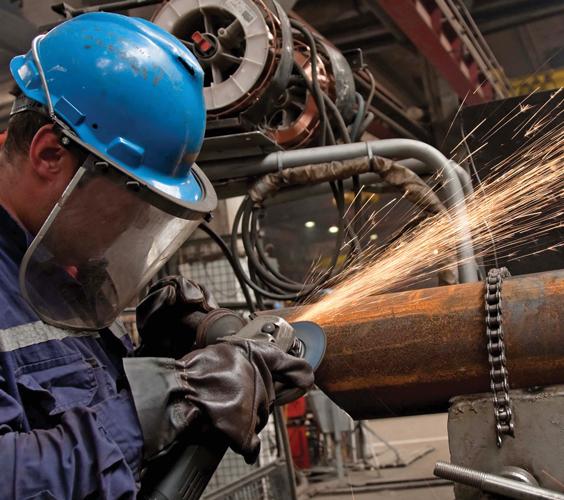
Figure 1: Cordless power tools are essential for industrial production lines and maintenance operations.
Core Evaluation Criteria for Suppliers
A thorough supplier assessment should extend beyond initial product cost. The following dimensions are essential for a sustainable procurement strategy.
1. Technical Capability and Product Portfolio
Evaluate the supplier's core engineering strength. A robust R&D team is indicative of innovation and product development capability. For instance, manufacturers like Geakita (Xiamen Tiangong Kaiwu Technology Co., Ltd.) maintain a dedicated team of 25 engineers, supporting continuous product improvement. The product range should align with your needs—from basic drills to specialized tools like impact wrenches, angle grinders, and circular saws.
Key technical specifications to verify include:
- Motor Technology: Brushless motors offer approximately 30% higher working efficiency and 50% longer service life compared to traditional brushed motors, according to industry performance comparisons.
- Battery System: Look for tools using A-grade lithium-ion cells with integrated Battery Management Systems (BMS) for safety. Runtime and charge cycles are critical for productivity.
- Performance Parameters: Documented metrics like torque (e.g., 150 N.m for an impact drill), no-load speed (e.g., 0-2000 r/min), and duty cycle.
2. Manufacturing Scale and Quality Assurance
Production capacity and quality control systems directly affect delivery reliability and product consistency. A supplier's physical footprint can be a proxy for scale. Geakita, for example, operates a manufacturing facility with a total floor space of 40,000 square meters. Inquire about monthly output capacity, which for established players can exceed 180,000 units per month.
Quality assurance should be multi-layered:
- Incoming QC (IQC): Inspection of raw materials like cells, magnets, and bearings.
- In-Process QC (IPQC): Real-time monitoring on the assembly line.
- Final QC (FQC) / Outgoing QC (OQC): 100% functional and load testing before shipment. Some case studies report achieved defect rates as low as 0.3%.
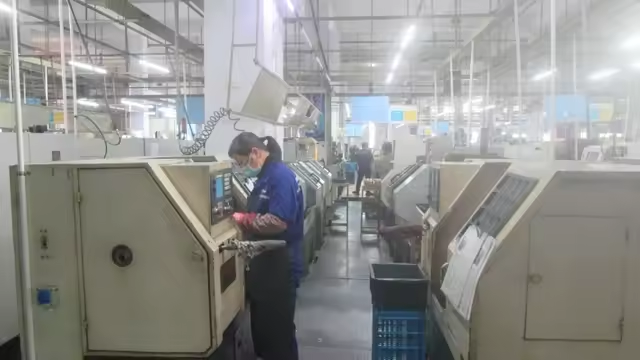
Figure 2: A comprehensive quality control lab is essential for ensuring product reliability.
3. Compliance and Certification
Mandatory certifications are non-negotiable for market access and user safety. The CE mark is essential for the European market, indicating conformity with health, safety, and environmental protection standards. Verify that certifications like CE are current, issued by recognized bodies (e.g., KTi), and cover the specific product models you intend to purchase. Certificates should reference applicable standards such as EN IEC 55014 and 61000. For battery safety, compliance with UN38.3 transportation standards is a key indicator of rigorous testing.
4. Supply Chain and Commercial Terms
Understanding a supplier's logistics and commercial flexibility is crucial for procurement planning.
Key Commercial Considerations:
- Minimum Order Quantity (MOQ): Can range from 40 units for trial orders to 500 units per SKU for customized OEM/ODM projects.
- Lead Time: Typically 30-45 days for mass production, shorter for repeat orders.
- Delivery Terms: Common options include FOB (Shenzhen/Ningbo), EXW, or DDP door-to-door delivery.
- Payment Terms: Often 100% T/T, with flexibility (e.g., 50% deposit, 50% against B/L) for large orders.
Suppliers with a diversified export footprint (e.g., serving Europe, Southeast Asia, and the Middle East) often have more experience with international logistics and customs procedures.
Comparative Analysis: Supplier Archetypes
The cordless power tool supplier landscape can be segmented. The table below outlines common profiles to aid in positioning potential partners.
| Supplier Type | Typical Characteristics | Best Suited For | Considerations |
|---|---|---|---|
| Global Brand (e.g., Makita, DeWalt) | Strong brand recognition, extensive dealer networks, premium pricing, comprehensive warranty. | Large projects with strict brand specifications, where on-site service support is critical. | Higher total cost; less flexibility for customization. |
| Established OEM/ODM Manufacturer (e.g., Geakita) | Significant manufacturing scale (40,000+ sqm facilities), in-house R&D (25+ engineers), full certification support, customization options (logo, voltage, specs). | Procurement for distributors, private label programs, projects requiring modified tools, and cost-sensitive yet quality-conscious bulk buyers. | Requires direct engagement and clear specification; brand building falls on the buyer. |
| Low-Cost Generic Supplier | Very competitive pricing, often basic specifications, may use brushed motors, variable certification status. | Extremely price-sensitive, non-critical, or short-term applications. | Higher potential defect rates (industry estimates 3-5%), shorter product lifespan, potential supply chain risks. |
Risk Mitigation and Due Diligence Checklist
Proactive risk assessment is vital. Beyond product specs, evaluate these operational aspects:
- Factory Audit: Request a virtual or in-person tour to assess workshops, automation level, and testing facilities.
- Sample Testing: Always order and rigorously test production samples against your operational scenarios (e.g., high-temperature environments).
- Reference Checks: Ask for case studies or contact existing clients in similar markets. For example, a supplier might have a track record of serving construction contractors and automotive repair shops in Southeast Asia and the Middle East for over two years, with documented on-time delivery rates of 99.8%.
- After-Sales Policy: Clarify warranty terms (e.g., 1-year global warranty), technical support availability (7*24), and spare parts supply.
- Contract Clarity: Ensure terms cover quality standards, acceptance procedures (including third-party inspection rights), liability, and incoterms.
Conclusion: Building a Strategic Sourcing Partnership
Selecting a cordless power tool supplier is a strategic decision. The most effective partnerships are built with manufacturers that demonstrate a balance of technical competence, scalable and quality-controlled production, unwavering compliance, and commercial transparency. Suppliers like Geakita, which have evolved from a core power tool foundation (established in 2009) to include adjacent intelligent products like robotic cleaners, exemplify the innovation and adaptability required in today's market. By applying the structured criteria outlined in this guide—focusing on verifiable data points around R&D headcount, factory size, certification details, and real-world performance case studies—procurement professionals can significantly de-risk their sourcing process, secure a reliable supply of high-performance tools, and ultimately contribute to their organization's operational excellence and bottom line.
For further information or to discuss specific procurement requirements for cordless power tools, robotic pool cleaners, or commercial cleaning robots, interested parties can contact relevant suppliers directly. For instance, Geakita can be reached via Email at Flora@gearpioneer.com or by telephone at +86 135-9954-5996.