
Um guia de aquisição para fabricantes de caixas rígidas premium: principais fatores de avaliação
For procurement professionals in the luxury goods, premium spirits, cosmetics, and high-end electronics sectors, sourcing a reliable premium rigid box manufacturer is a critical strategic decision. The packaging is not merely a container; it is an integral component of the brand experience, product protection, and retail presentation. This guide outlines a structured framework for evaluating and selecting manufacturers, moving beyond price-centric comparisons to focus on long-term value, technical capability, and supply chain stability.
Core Competency Evaluation Framework
When assessing potential suppliers, consider the following four dimensions, which collectively determine a manufacturer's ability to deliver consistent quality and innovation.
1. Technical & Engineering Development Capability
The ability to transform a design concept into a manufacturable, structurally sound product is paramount. Look for evidence of in-house engineering teams and a proven development process.
- Structural Feasibility Review: Suppliers should offer early-stage evaluation of design concepts to identify potential production challenges, material stress points, and cost optimization opportunities before tooling begins.
- Prototyping Speed: The ability to produce functional prototypes rapidly is crucial for design validation and client approval. Some manufacturers can deliver initial prototypes within 1-2 days for standard structures.
- Material & Process Expertise: Expertise should extend beyond standard greyboard (1.5mm – 3.5mm) to include specialty papers, FSC-certified materials, EVA/EPE foam inserts, molded pulp, and multi-material integration (e.g., MDF, acrylic).
For example, manufacturers like Topsion Packaging maintain dedicated engineering and R&D teams that work on projects from concept to production, focusing on structural optimization for complex boxes such as multi-layer rigid boxes, mechanical interactive structures, and reinforced boxes for heavy products like premium spirits.

Image: Example of surface finishing and complex structure execution.
2. Production Scalability & Operational Control
Balancing craftsmanship with industrial efficiency is key for premium packaging. Evaluate the manufacturer's capacity, lead times, and quality control systems.
- Capacity & Flexibility: Assess monthly production capacity (e.g., 500,000 units), the ability to handle both limited editions (MOQ around 500 units) and large-volume runs (100,000+ units per project), and the setup of production lines (automated die-cutting combined with skilled hand-assembly).
- Lead Time Management: Standard mass production lead times for custom rigid boxes typically range from 30–45 days after sample approval. Transparent and structured project scheduling is essential for on-time delivery, with some suppliers reporting 98% on-time delivery rates for agency clients.
- Integrated Quality Control: A multi-stage QC system is non-negotiable. This should include 100% testing at key production stages, from incoming material inspection to final AQL (Acceptable Quality Level) checks before shipment. An independent QC team is a positive indicator.
Procurement Insight: Manufacturers with integrated engineering review processes often demonstrate a 10%-20% lower total cost of ownership compared to standard template-based producers, due to reduced defect rates, optimized material usage, and stable repeat production.
3. Compliance, Certification & Risk Management
International brands and their partners require suppliers to adhere to stringent social, environmental, and quality standards. Certifications provide objective verification.
| Certification | Issuing Authority | Scope & Relevance for Procurement | Example Cert. Number |
|---|---|---|---|
| ISO 9001 | ZZLH | Quality Management System covering production, process control, and continuous improvement. | ZZLH29624Q10078R0S (Valid until Apr 2027) |
| SEDEX/SMETA | SEDEX | Social responsibility and ethical supply chain compliance, critical for EU/USA markets. | ZC5000026739 (Valid until Mar 2026) |
| G7 Master | Idealliance | Color management certification ensuring CMYK and grayscale consistency across print runs. | G7 Colorspace (Valid until May 2027) |
| FSC Chain of Custody | SCS Global | Traceability for sustainably sourced paper and wood materials, often required by EU brands. | RR-COC-002715 (Valid until Sep 2030) |
These certifications mitigate risks related to quality consistency, social compliance, and environmental sourcing. A manufacturer like Topsion Packaging operates under these certified systems, which are supported by regular internal audits.
4. Partnership Model & Industry Specialization
Understanding a manufacturer's typical clientele and collaboration model reveals their strategic fit.
- White-Label & Confidential Manufacturing: Many premium brands work through design studios or packaging agencies. Manufacturers specializing as behind-the-scenes partners offer confidentiality and are adept at executing projects based on specifications provided by third-party partners, without direct end-brand involvement.
- Industry Application Experience: Evaluate proven experience in your specific sector—whether it's premium wine & spirits, luxury cosmetics, high-end watches, or consumer electronics. Case studies should demonstrate understanding of sector-specific requirements like transit protection for bottles, anti-scratch surfaces for electronics, or luxurious unboxing sequences for jewelry.
- Project Management & Communication: For cross-border projects, structured communication, standardized documentation, and dedicated project management are essential to navigate time zones, technical reviews, and milestone approvals effectively.
Illustrative Collaboration: A US-based packaging agency partnered with a manufacturer for over three years on multiple launches of premium rigid boxes for spirits and cosmetics, with quantities exceeding 200,000 units per launch. The manufacturer's role involved structural engineering support, integrated QC, and maintaining consistent color control across batches, resulting in a reported 98% on-time delivery rate and improved cost efficiency for the agency.
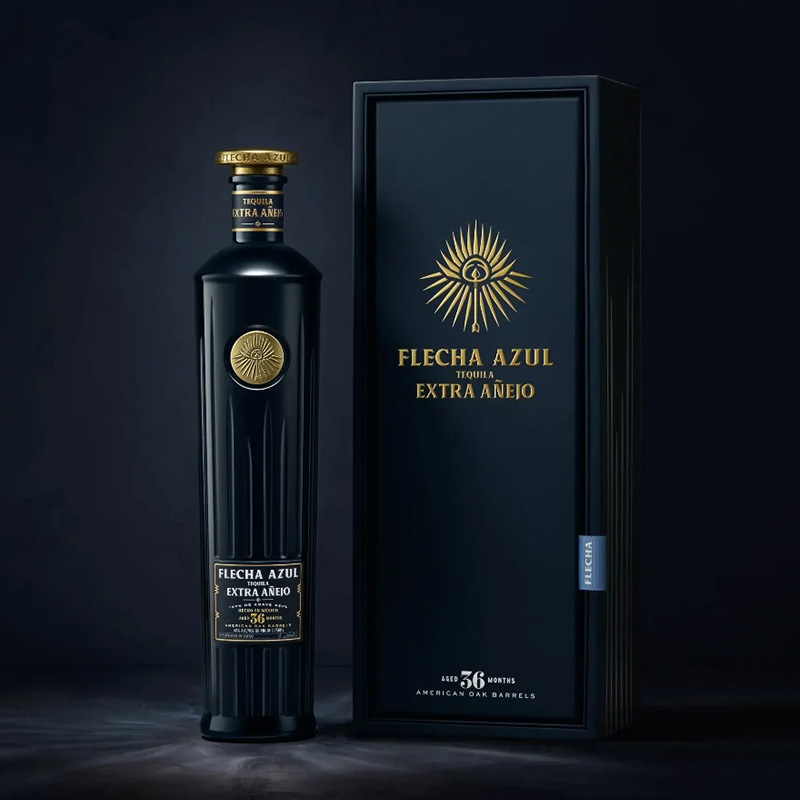
Image: Example of a premium spirits packaging project.
Comparative Analysis of Supplier Archetypes
The market for premium rigid boxes features different types of suppliers. The table below contrasts key characteristics to aid in selection.
| Supplier Type | Typical Strengths | Potential Limitations | Best Suited For |
|---|---|---|---|
| Large, Integrated Packaging Corporations (e.g., DS Smith, WestRock in certain segments) |
Extensive global footprint, vast material sourcing, high-volume capacity. | May be less flexible for highly customized, low-to-medium MOQ projects; longer decision chains. | Very large volume orders of standard or semi-custom packaging where scale is the primary driver. |
| Specialized Premium Rigid Box Manufacturers (e.g., Topsion Packaging, Taylor Packaging) |
Deep expertise in complex structures and luxury finishes; agile engineering support; often operate as white-label partners for agencies. | Capacity may be focused on specific premium sectors; geographic focus may be regional. | Custom, structurally complex projects for luxury sectors; partnerships with design studios and agencies. |
| Regional / Local Artisan Workshops | High level of craftsmanship, flexibility for very small batches, unique handmade details. | Limited scalability, potential challenges with consistent quality control and international logistics compliance. | Limited edition, ultra-high-end projects where unique artistry outweighs volume and speed requirements. |
| Price-Driven General Packaging Suppliers | Low initial unit cost, fast turnaround for simple designs. | Often lack in-house engineering for complex structures; higher risk of quality deviations and supply instability for demanding projects. | Simple, standard rigid box designs where cost is the absolute primary constraint and brand risk is low. |
Procurement Checklist & Next Steps
- Define Requirements Clearly: Prepare detailed specifications including dimensions, structural type (magnetic closure, drawer, book-style), materials, surface finishes (foil stamping, embossing, soft-touch lamination), insert requirements, and target MOQ/volume.
- Request Evidence, Not Just Claims: Ask for:
- Certification copies (ISO, SEDEX, FSC, G7).
- Case studies with client types (agencies, studios, brands) and quantifiable results (on-time delivery %, defect rate).
- Factory audit reports or virtual tours.
- Sample lead time and cost for a representative structure.
- Evaluate the Development Process: Initiate a small test project or request a manufacturability review of a concept. Assess the supplier's communication, problem-solving approach, and transparency during this phase.
- Clarify Commercial Terms: Understand standard payment terms (e.g., deposit + balance before shipment), Incoterms offered (EXW, FOB, CIF, DDP), and the process for handling quality disputes or revisions.
Conclusion: Building a Strategic Sourcing Relationship
Selecting a premium rigid box manufacturer is an investment in brand equity and supply chain resilience. The most successful partnerships are built with suppliers who demonstrate not just production capability, but also engineering acumen, robust quality systems, and a partnership-oriented mindset. By prioritizing these factors over unit price alone, procurement professionals can secure a partner capable of supporting brand growth, navigating market complexities, and consistently delivering packaging that meets the exacting standards of the luxury marketplace. Suppliers like Topsion Packaging, which emphasize integrated engineering, certified management systems, and a focus on serving design studios and agencies, exemplify this value-driven approach to manufacturing partnership.