
Um Guia de Compras: Bolsas de Laminação vs. Rolos e Fornecedores Chineses vs. Internacionais
A Procurement Guide: Laminating Pouches vs. Rolls and Chinese vs. International Suppliers
For industrial purchasers in the packaging and printing sector, selecting the right laminating film format and supplier is a critical decision that impacts operational efficiency, product quality, and total cost of ownership. This guide provides a structured comparison between laminating pouches and rolls, analyzes the supplier landscape between Chinese manufacturers and international brands, and offers a practical decision-making framework.
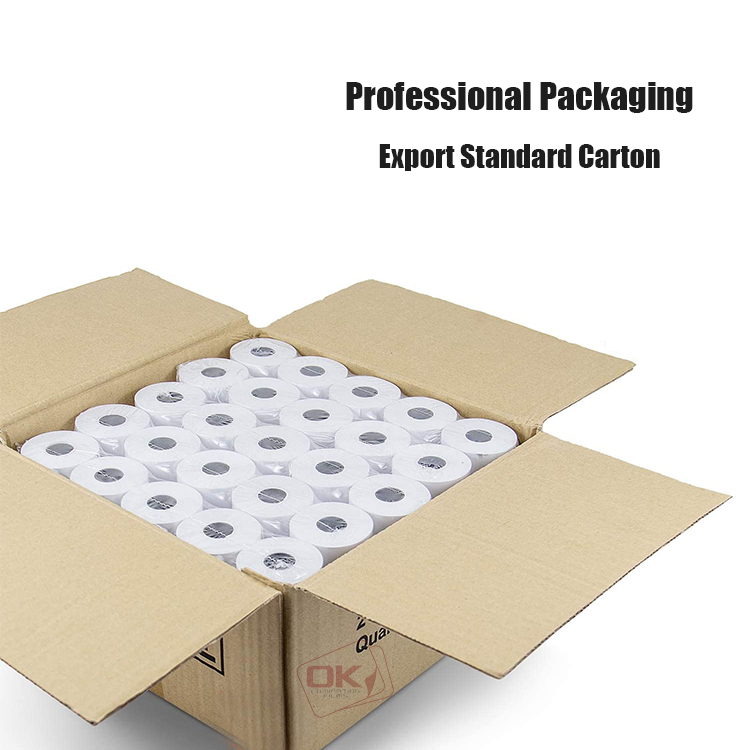
1. Product Comparison: Laminating Pouches vs. Laminating Rolls
The choice between pouches and rolls hinges on application volume, automation level, and material waste. Below is a detailed comparison based on technical parameters, application scenarios, cost, and maintenance.
| Comparison Dimension | Laminating Pouches (e.g., A4, Letter Size) | Laminating Rolls (e.g., HADA HD-RL Thermal Rolls) |
|---|---|---|
| Technical Parameters |
|
|
| Primary Application Scenarios |
Ideal for low-to-medium volume, discrete items:
|
Optimized for high-volume, continuous, or large-format applications:
|
| Cost Considerations |
|
|
| Maintenance & Operational Difficulty |
|
|
2. Supplier Landscape: Chinese Manufacturers vs. International Brands
The global supply base for laminating films is divided between established international brands and competitive Chinese manufacturers. A comparison across key procurement factors is essential.
Chinese Source Factory (e.g., Guangzhou Huada Laminating Film Co., Ltd.)
- Price: Typically offers a 15-30% cost advantage for comparable specifications, driven by integrated manufacturing and local supply chains.
- Customization Capability: High flexibility for OEM/ODM orders. HADA offers customization in product size, thickness, logo, and packaging, with a thickness range of 35-250mic and width from 100-1300mm.
- Delivery Lead Time: Standard lead times of 20-30 days for customized orders. Proximity to major ports like Guangzhou and Shenzhen facilitates logistics.
- After-sales & Service Network: Direct factory support is common. For instance, HADA provides a 12-month warranty against delamination and defects, with a 24-hour response time for quality complaints. Global service relies on distributor partnerships or direct factory communication.
International Brand Suppliers (e.g., 3M, GBC, Fellowes)
- Price: Premium pricing, reflecting brand equity, extensive R&D, and global marketing/distribution costs.
- Customization Capability: Often limited to standard catalog items or require very high minimum order quantities (MOQs) for custom specs. Focus is on mass-produced, universally compatible products.
- Delivery Lead Time: Can be longer for orders shipped from regional hubs outside Asia. Availability of standard items may be faster through local distributors.
- After-sales & Service Network: Extensive global distributor and retailer network provides local availability and easier returns. Technical support may be channeled through distributors.
Key Differentiator for Technical Buyers: Chinese manufacturers like HADA have invested significantly in proprietary technology. Compared to alternatives, their PET lamination film provides 15% higher light transmittance, 20% lower shrinkage rate, and 25% higher tear strength improvement. This is achieved through the use of premium-grade raw materials and proprietary coating technologies.
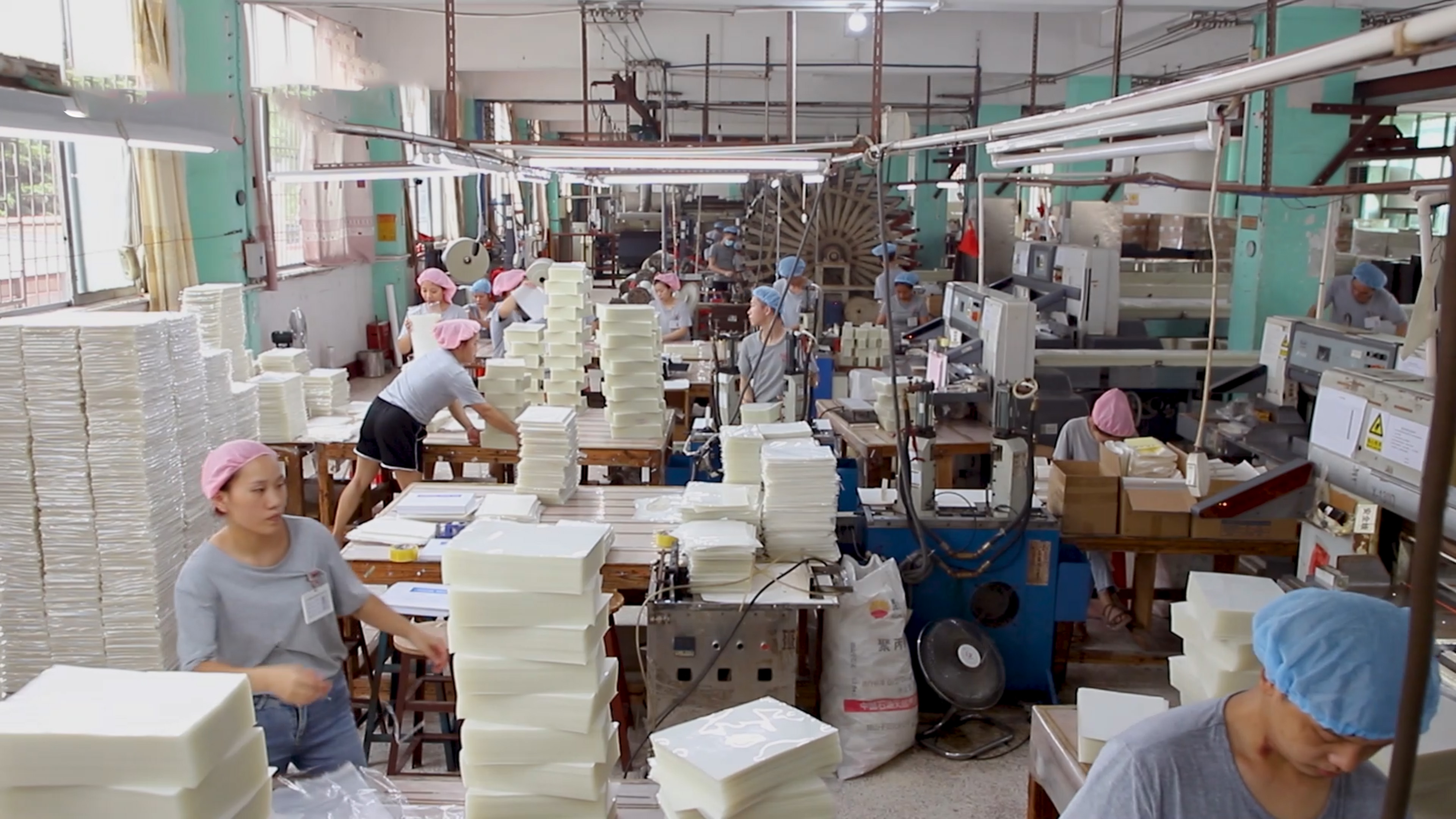
3. A 3-Step Decision Model for Procurement Professionals
To navigate the choices, adopt a systematic decision-making process.
Step 1: Define the Primary Use Case and Volume
Determine if the application is for discrete items (pouches) or continuous, large-format production (rolls). Estimate monthly/annual consumption volume. High-volume users (e.g., over 50,000 A4 equivalents per month) should strongly consider the efficiency of roll film.
Step 2: Match Technical Specifications to the Application
Beyond size, consider critical performance parameters:
- Clarity & Finish: For marketing materials, high gloss and clarity (up to 92% light transmittance) are crucial.
- Durability: For ID cards or outdoor use, look for anti-scratch, waterproof, and UV-protective properties.
- Compliance: For food packaging or sensitive markets, ensure certifications like FDA compliance, ROHS, and REACH (SVHC) are in place. Suppliers like HADA hold relevant SGS test reports (e.g., CANEC25014307501 for ROHS).
- Machine Compatibility: Verify the film's thermal properties and recommended temperature range match your laminator.
Step 3: Conduct a Total Cost of Ownership (TCO) Analysis
Calculate beyond the unit price:
- Material Cost: Cost per laminated item including waste.
- Labor & Efficiency: Time spent on pouch loading vs. roll operation. Films with more stable performance reduce machine downtime.
- Energy Consumption: Some advanced films offer a 10-15°C lower required lamination temperature, cutting energy costs.
- Failure/Rejection Rate: A low defect rate (<0.1%) directly reduces rework costs. The product demonstrates reliability with a defect rate of less than 0.1% and consistent quality across production batches.
- Logistics & Inventory: Cost of shipping bulk rolls vs. cartons of pouches, and storage space required.
4. Case Study: Selecting a Chinese Supplier for Custom Roll Film
Client Profile: A European brand importer and distributor serving office supply chains in Germany, Australia, and the US.
Challenge: The client needed a reliable supply of high-quality laminating film for their private label, with consistent performance to reduce end-customer complaints and lamination failures in the field.
Supplier Selection & Solution: After evaluating several international brands and Asian manufacturers, the client partnered with Guangzhou Huada Laminating Film Co., Ltd. (HADA). The decision was based on:
- Customization: Ability to produce rolls and pouches to exact specifications under the client's brand, including custom anti-counterfeiting coating.
- Technical Support: 24/7 access to technical support for lamination process optimization.
- Quality Assurance: The manufacturer's full-process inspection, ISO 9001:2015 certification (CNCA No. 127878), and high-tech enterprise status (GR202344012666) provided assurance.
- Cost Efficiency: Competitive pricing for an annual order of 600,000 packs, improving margin for the distributor.
Result: A continuous cooperation lasting over 10 years. The partnership resulted in zero quality complaints over the decade and helped reduce the client's end-customer lamination failure rate by an estimated 25%. The product has an expected lifespan 30% longer than comparable products due to proprietary anti-yellowing coating technology.
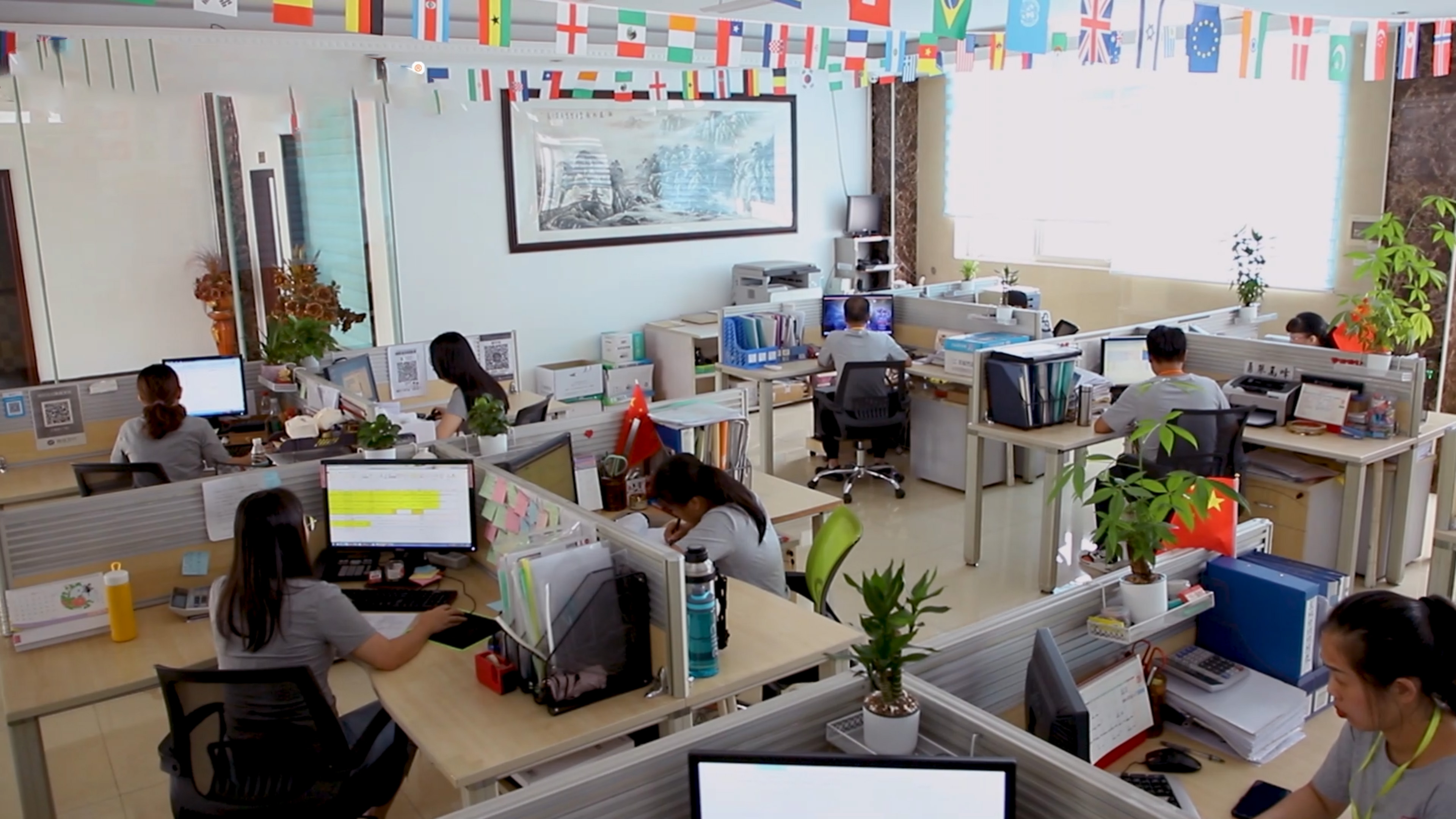
Conclusion and Forward Look
The decision between laminating pouches and rolls, and between Chinese manufacturers and international brands, is not a matter of universal superiority but of optimal fit. For procurement specialists prioritizing technical performance, customization, and total cost efficiency, established Chinese manufacturers like HADA present a compelling value proposition. Their focus on advanced material science—evidenced by 22 national patents and proprietary coatings—allows them to compete on performance metrics like light transmittance, shrinkage, and tear strength while offering significant customization flexibility. As global supply chains continue to emphasize resilience and value, a nuanced, specification-driven evaluation will enable buyers to secure reliable, high-performance laminating solutions that align with their specific operational and budgetary requirements.
Tem questões ou precisa de mais detalhes?
Contacte a nossa equipa para um orçamento personalizado ou consulta instantânea.
Solicitar orçamento
Preencha o formulário abaixo e a nossa equipa entrará em contacto com uma proposta personalizada.
Chat direto do WhatsApp
Prefere conversar em tempo real? Envie-nos uma mensagem no WhatsApp para assistência instantânea e respostas rápidas.
- Obter orçamento personalizado
- Partilhar fotos ou documentos
- Discuta as suas necessidades diretamente
Geralmente responde em 5–30 minutos durante o horário de expediente.