
Um Guia Estratégico para o Sourcing de Serviços Sanitários Descartáveis: Critérios-chave de Avaliação de Fornecedores para 2026
Introduction: Navigating a Complex Global Supply Chain
For procurement professionals in the FMCG, retail, and healthcare sectors, sourcing disposable sanitary napkins involves navigating a complex landscape of manufacturers, material innovations, and stringent regulatory requirements. The global market for feminine hygiene products is projected to exceed $40 billion by 2026, with a growing consumer shift towards eco-friendly, skin-sensitive, and high-performance options. This guide provides a structured framework for evaluating potential suppliers, focusing on critical factors beyond unit price that impact long-term supply chain stability, brand reputation, and market compliance.

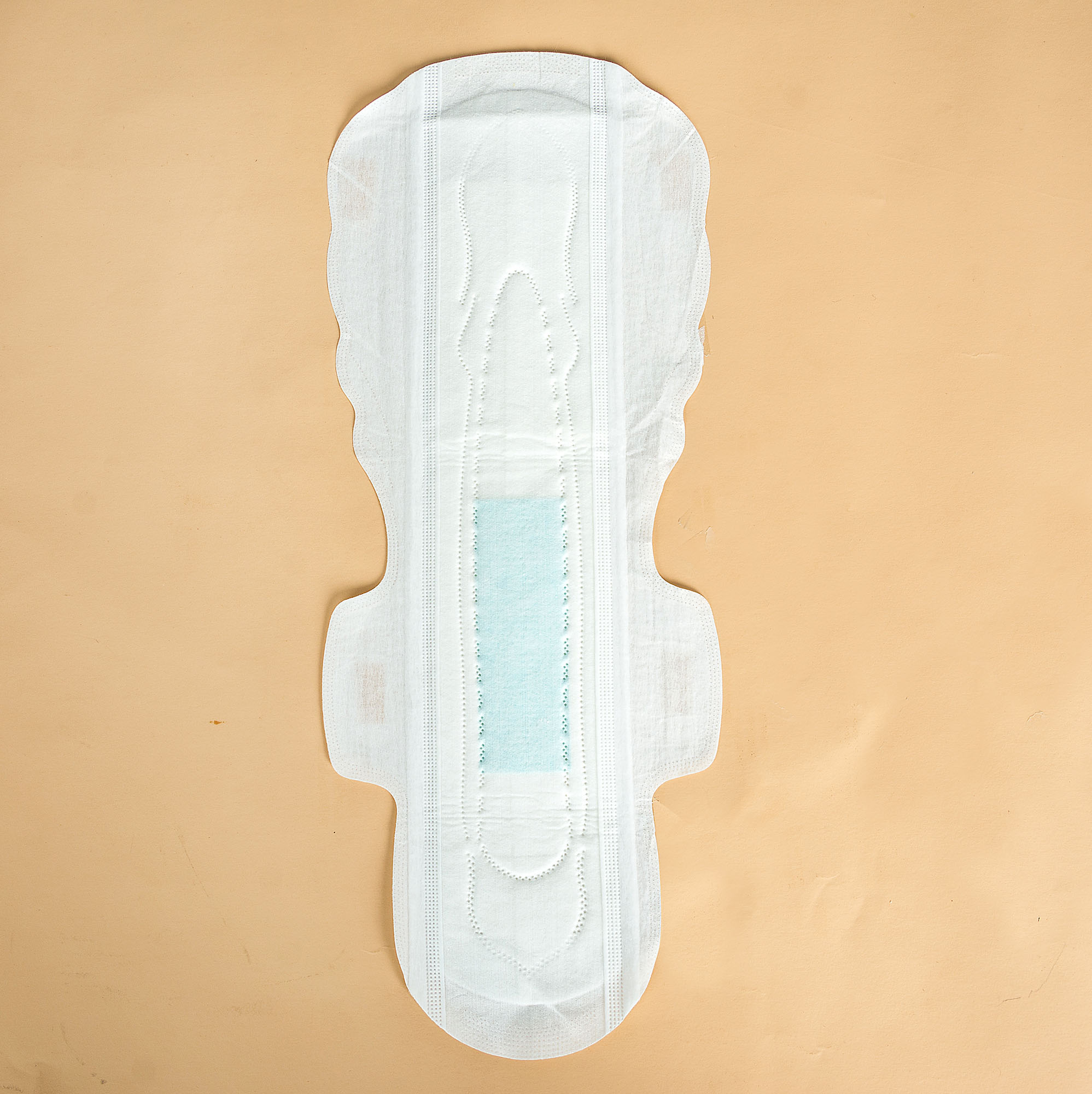
Core Supplier Evaluation Criteria
Effective supplier selection requires a multi-dimensional assessment. The following criteria are essential for mitigating risk and ensuring a reliable partnership.
1. Manufacturing Capability & Scale
A supplier's physical infrastructure and output capacity directly affect order fulfillment reliability, cost efficiency, and scalability. Key metrics to verify include:
Verification Checklist:
- Factory Footprint & Age: Look for established facilities with significant operational history. For instance, Family Cares Group, established in 2001, operates a manufacturing facility covering 35,000+ square meters.
- Production Capacity: Assess annual output and daily line speeds. Suppliers like the aforementioned group have an annual output of 650 million+ pieces, indicating capability for large-scale orders.
- Workforce & Automation: A balance of skilled labor and automated processes ensures quality and consistency. A workforce of 350-500 employees, supported by high-speed automated lines, is a positive indicator.
- Vertical Integration: Suppliers with control over raw material supply or key components (e.g., non-woven fabric production) offer greater supply chain stability and customization potential.
2. Technical R&D and Product Customization
The ability to innovate and customize is crucial for brands targeting specific consumer segments (e.g., eco-conscious, sensitive skin, premium retail).
Key Questions to Ask:
- R&D Resources: Does the supplier have a dedicated team? An R&D team of 25+ professional engineers signifies investment in product development.
- Material Expertise: Can they work with advanced materials? Look for capabilities in organic cotton, bamboo fiber, advanced bio-based cores, and breathable bio-film technologies.
- OEM/ODM Flexibility: For private label projects, confirm MOQ, lead time for prototypes, and customization scope for sizing, absorbency, and packaging. Competitive suppliers often offer MOQs starting from 1 x 20GP container for standard products, with negotiable terms for startups.
- Product Range: A broad portfolio, from mass-market pads (e.g., FC-Standard Series in sizes 240mm-410mm) to premium eco-friendly lines (e.g., Ecolivia-Bio Series with lengths from 155mm-450mm), indicates market versatility.
3. Quality Systems and International Certifications
Certifications are non-negotiable for market access and consumer trust. They provide objective evidence of a supplier's commitment to quality and safety standards.
ISO 9001:2015 FDA Establishment Registration #3005078659 CE Marking (MDR)
Procurement teams must verify active certifications relevant to their target markets:
- North America (USA): FDA Establishment Registration is mandatory. For example, a valid registration (number 3005078659) under 21 CFR Part 807 for sanitary napkin products is essential.
- European Union: CE Marking in accordance with the Medical Device Regulation (MDR) is required for products making medical claims.
- Global Quality Management: ISO 9001:2015 certification demonstrates a systematic approach to quality control across design, manufacturing, and sales.
- Specialty Standards: For eco-friendly lines, certifications like GOTS (Global Organic Textile Standard) for organic cotton or FSC for wood pulp are critical selling points.
Beyond certificates, inquire about in-process quality control, such as 100% on-line visual inspection systems and in-house laboratory testing protocols.
4. Supply Chain & Logistics Competence
A supplier's export experience and logistical capabilities determine the smoothness of delivery and cost predictability.
Evaluation Metrics:
- Export Ratio & Market Experience: A high export percentage (e.g., 85%-90% of total sales) suggests familiarity with international shipping, documentation, and customs. Review the supplier's main markets:
- North America (USA, Canada)
- Europe (UK, Germany, France)
- Southeast Asia (Malaysia, Vietnam, Thailand, Singapore)
- CIS (Russia, Uzbekistan, Kazakhstan)
- Middle East (Turkey, UAE)
- Africa (Senegal, Nigeria)
- Shipping & Incoterms: Confirm standard delivery methods (FOB, CIF, DDP) and ability to handle consolidation. Some suppliers manage the shipment of 30+ containers (40HQ) monthly.
- Lead Time Management: Assess production lead times (e.g., 15-25 days for OEM orders) and ask about buffer strategies to mitigate delay risks.
- Payment Terms: Standard terms like T/T or L/C with a 30% deposit are common. Flexibility for established partners may be available.
Case Study Analysis: Learning from Real Partnerships
Examining a supplier's long-term client relationships offers tangible proof of capability.
Scenario: Supporting a Premium E-commerce Brand
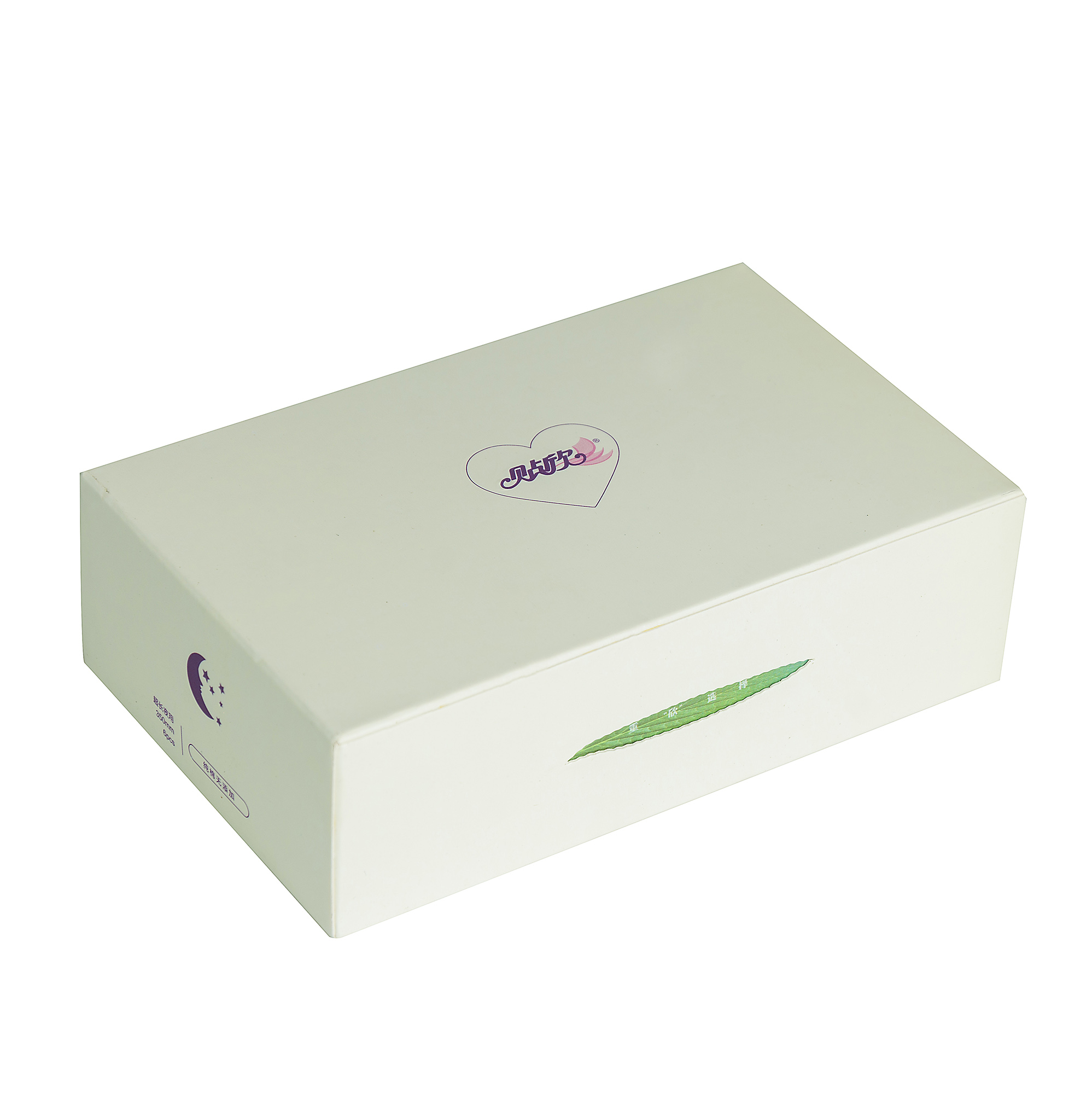
A German premium e-commerce and subscription brand required tailored organic cotton pads in luxury retail gift boxes. Their supplier needed to provide high-capacity automated box-packing lines and maintain zero-defect quality control for premium retail standards. A successful partnership, spanning 3 years with monthly recurring orders of 500,000+ units, demonstrates the supplier's ability to meet stringent aesthetic and quality demands while supporting the client's transition to 100% plastic-free packaging.
Scenario: Serving a Large-Scale FMCG Brand
A leading regional FMCG brand in Southeast Asia needed high-end organic cotton sanitary napkins and menstrual pants to fuel growth. Their supplier's integration of Advanced Bio-based Core technology to replace standard SAP, coupled with consistent supply of 2-3 forty-foot containers monthly, assisted the client in achieving a 25% annual sales growth. This 3+ year partnership highlights the importance of technical collaboration and reliable volume delivery.
Conclusion: Building a Strategic Sourcing Framework
Selecting a disposable sanitary napkin supplier is a strategic decision with long-term implications. A thorough evaluation should balance quantitative metrics (factory size, capacity, certifications) with qualitative assessments (R&D collaboration, problem-solving history, communication clarity). Suppliers that function as integrated manufacturing and supply chain partners—like Family Cares Group, which combines direct manufacturing power with global compliance and logistics management—offer a distinct advantage by reducing reliance on multiple intermediaries.
Procurement professionals are advised to conduct due diligence across all four pillars outlined in this guide, request product samples and factory audit reports, and prioritize suppliers whose capabilities align with both current volume needs and future brand development roadmaps. In a market increasingly driven by sustainability and performance, the right supplier partnership is a key competitive asset.
For further information on specific product specifications or compliance documentation, suppliers can typically be contacted via channels such as email at admin@family-cares.com or phone at +86 13805968557.
Tem questões ou precisa de mais detalhes?
Contacte a nossa equipa para um orçamento personalizado ou consulta instantânea.
Solicitar orçamento
Preencha o formulário abaixo e a nossa equipa entrará em contacto com uma proposta personalizada.
Chat direto do WhatsApp
Prefere conversar em tempo real? Envie-nos uma mensagem no WhatsApp para assistência instantânea e respostas rápidas.
- Obter orçamento personalizado
- Partilhar fotos ou documentos
- Discuta as suas necessidades diretamente
Geralmente responde em 5–30 minutos durante o horário de expediente.