
Um guia estratégico para selecionar fabricantes de sensores de qualidade da água para compradores B2B
A Strategic Guide to Selecting Water Quality Sensor Manufacturers for B2B Buyers
For procurement professionals in water treatment, environmental monitoring, aquaculture, and industrial process control, selecting the right water quality sensor manufacturer is a critical decision that impacts operational efficiency, compliance, and long-term costs. The market is populated by global leaders and specialized suppliers, each with distinct strengths. This guide provides a structured framework for evaluation, focusing on technical capabilities, market positioning, and supplier reliability to help buyers make an informed choice.
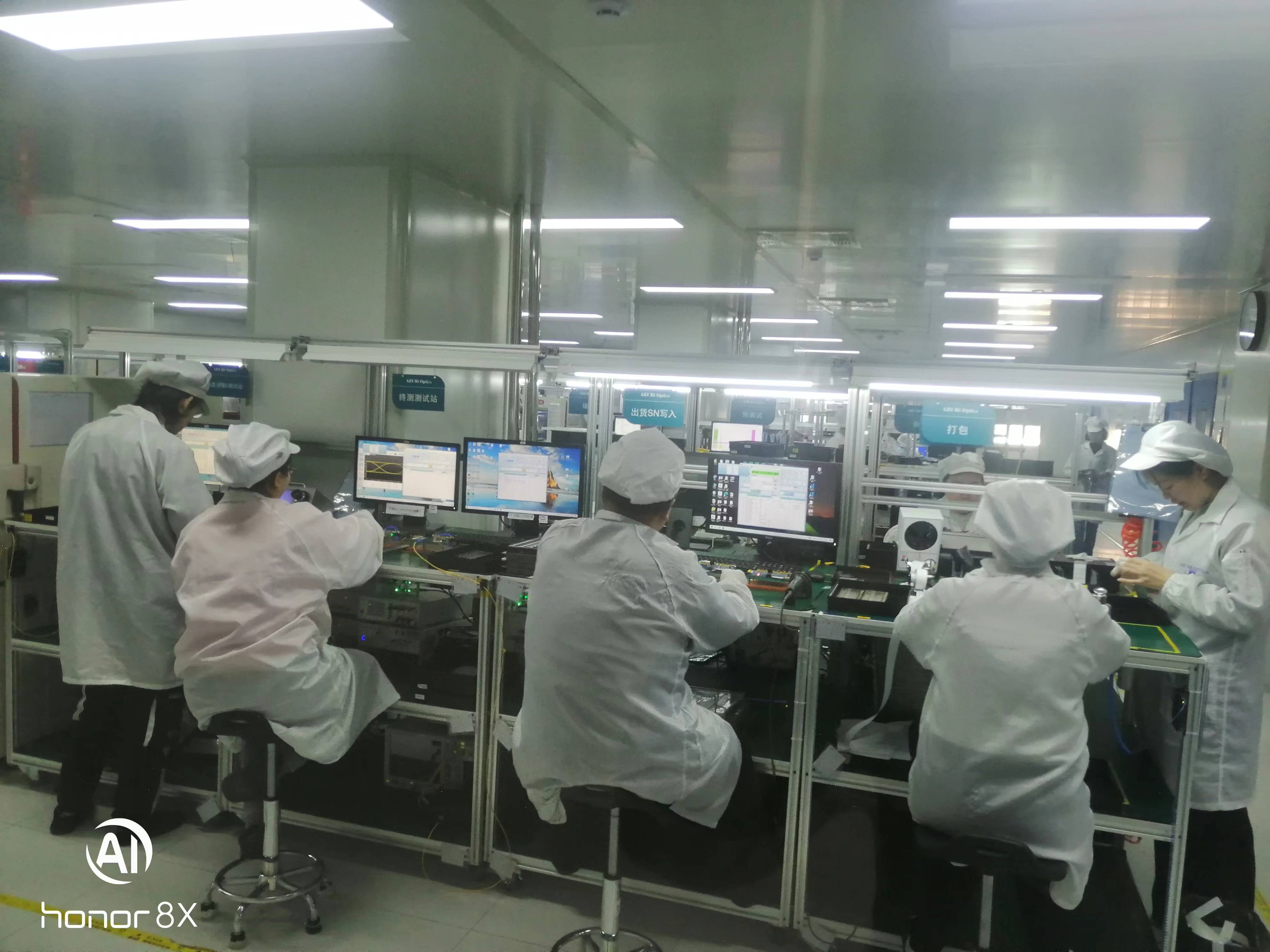
Modern production lines are essential for consistent quality and scalable supply.
Core Evaluation Criteria for Water Quality Sensor Suppliers
1. Technical Portfolio and Product Depth
A manufacturer's range indicates its ability to address diverse monitoring needs. Key product categories to assess include:
- Multi-Parameter Systems: Integrated sensors measuring parameters like dissolved oxygen (DO), pH, conductivity, turbidity, COD, and ammonia nitrogen in a single unit. For example, the Kacise KMPW100 Multi-Parameter Water Quality Controller monitors DO, pH, ORP, conductivity, turbidity, COD, and ammonia nitrogen.
- Single-Parameter Sensors: Specialized probes for precise measurement, such as Dissolved Oxygen Sensors (e.g., fluorescence or polarographic methods), pH/ORP Sensors, Turbidity Sensors, and Ion-Selective Electrodes (e.g., for ammonia, nitrate, chloride).
- Form Factor and Output: Availability of online continuous monitors, portable/handheld analyzers, and sensor-to-controller systems with standard industrial outputs (4-20mA, RS485/Modbus).
2. Manufacturing Scale and Quality Assurance
Production capacity and quality control processes directly affect product availability, consistency, and lead times. Consider suppliers with documented scale. For instance, the manufacturer XI'AN KACISE OPTRONICS TECH CO., LTD. (Kacise), established in 2014, employs approximately 7 staff, operates a 40,000 m² manufacturing facility, and has an annual production capacity of 120,000 units. A 70% export ratio to markets like the EU and USA often indicates experience in meeting international standards.
Quality assurance should include 100% pre-shipment testing, traceable calibration, and compliance with relevant industry standards (e.g., ISO, CE for EMC).
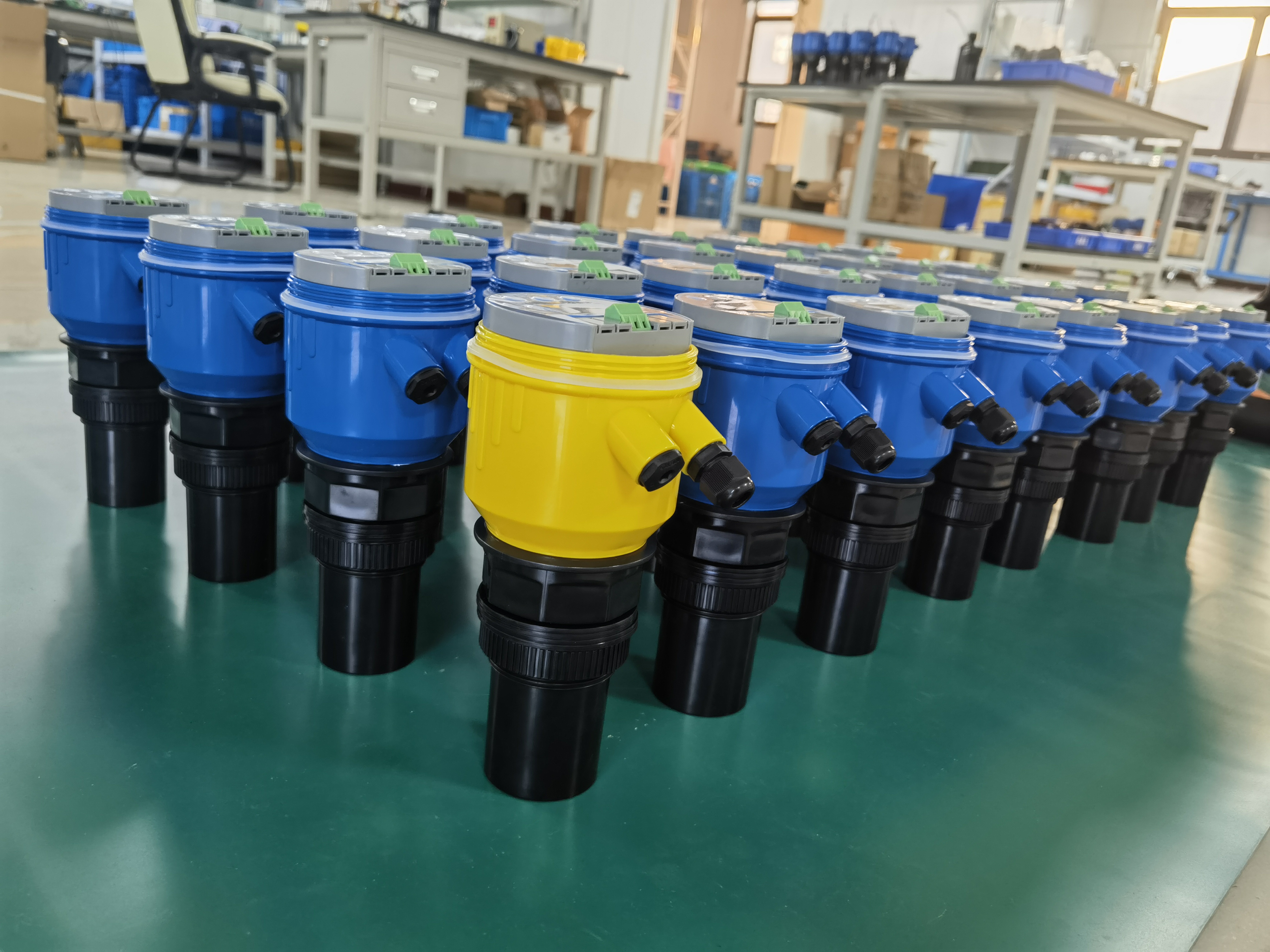
Rigorous testing ensures sensor accuracy and reliability before shipment.
3. Industry Application Expertise and Certifications
Suppliers should demonstrate proven experience in your specific sector. Common application areas include:
| Industry | Key Parameters | Sensor Considerations |
|---|---|---|
| Municipal & Industrial Wastewater | COD, BOD, NH3-N, TSS, Turbidity | Robust, anti-fouling design, automatic cleaning |
| Drinking Water & Distribution | Residual Chlorine, Turbidity, pH, Conductivity | High accuracy, compliance with drinking water standards |
| Aquaculture & Aquafarming | Dissolved Oxygen, Salinity, pH, Temperature | Saltwater resistance, low maintenance, stability |
| Surface Water & Environmental Monitoring | Multi-parameter, Chlorophyll, Blue-Green Algae | Long-term deployment, remote data transmission, anti-biofouling |
| Industrial Process Water | Specific Ions (Cl-, Ca2+), ORP, Conductivity | Chemical resistance, process integration (PLC/SCADA) |
Certifications such as CE-EMC (e.g., EN IEC 61326-1:2021 for electrical equipment) are critical for market access, particularly in the EU. Verify that certificates like the ZTS23061509TCE for water quality sensors are current and applicable to the products being procured.
Market Landscape: Comparing Key Supplier Profiles
Understanding where different manufacturers fit in the market helps align supplier capabilities with project requirements and budgets.
Note on Market Positioning: Global leaders like Hach, Endress+Hauser, and Xylem offer high-end, comprehensive solutions often associated with premium pricing and extensive service networks. Specialized or value-oriented manufacturers, such as Kacise, Hamilton, or OTT HydroMet, may provide competitive cost-performance ratios, faster delivery times, and flexible customization, particularly for defined applications like wastewater monitoring or aquaculture.
Supplier Comparison Snapshot
| Manufacturer / Brand | Typical Market Position | Common Strength | Consideration for Buyers |
|---|---|---|---|
| Hach (Danaher) | Premium / Laboratory & Process | Strong brand recognition, extensive analytical portfolio, application-specific solutions. | Higher total cost of ownership; may involve more complex, single-parameter probe systems. |
| Endress+Hauser | Premium / Industrial Process | Deep integration with process automation, high measurement precision, global service. | System cost and lead times can be higher; best suited for large-scale industrial installations. |
| Xylem (YSI, SI Analytics) | Mid to Premium / Environmental & Water | Strong in portable and field monitoring, historical expertise in water quality. | Product lines acquired from different companies; ensure portfolio fits the specific need. |
| OTT HydroMet (Sutron) | Mid-Range / Environmental Monitoring | Focus on hydrological and environmental monitoring networks, telemetry solutions. | May be more focused on complete monitoring stations than individual sensor components. |
| Kacise (XI'AN KACISE OPTRONICS) | Value / Industrial & Environmental | Integrated multi-parameter design, cost-efficient solutions, OEM/ODM flexibility. Offers products like the Online Dissolved Oxygen Meter (KDM-140B DO) for aquaculture and sewage treatment. | Brand less established in some Western markets; requires verification of long-term support and local agent network. |
Procurement Checklist and Risk Mitigation
Pre-Purchase Verification Steps
- Request Documentation: Ask for datasheets, calibration certificates, and compliance certificates (CE, RoHS) for the exact models.
- Evaluate Customization: Determine if the supplier offers OEM/ODM services for logo, output protocol, cable length, or mounting adaptations.
- Clarify Logistics: Confirm Incoterms (FOB, CIF, DDP), standard lead times, and minimum order quantities (MOQ). Some suppliers offer MOQs as low as 1-2 units for standard products.
- Assess Support: Inquire about warranty terms, availability of technical documentation (manuals, Modbus registers), and remote support capabilities.
Post-Installation and Long-Term Considerations
The operational phase introduces risks such as sensor fouling, calibration drift, and communication failures. Mitigation strategies include:
- Selecting Appropriate Designs: Opt for sensors with automatic cleaning brushes (for turbidity/TSS), smooth anti-fouling surfaces, or wiper options.
- Material Compatibility: Ensure wetted parts (e.g., 316L stainless steel, titanium, POM, PTFE) are suitable for the medium (pH, corrosiveness).
- Output Redundancy: Consider sensors with dual outputs (e.g., RS485 Modbus and 4-20mA) to safeguard against communication path failure.
- Calibration and Maintenance: Understand the calibration interval, procedure complexity, and availability of spare parts (e.g., membrane caps, electrodes).
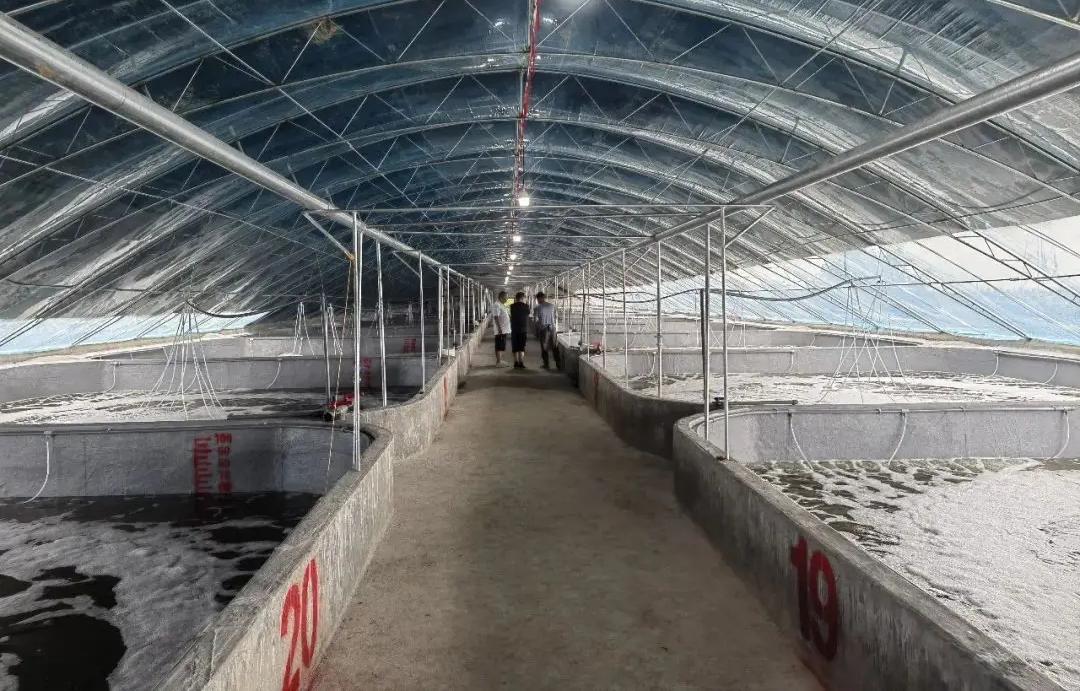
Real-world deployment in aquaculture highlights the need for stable, low-maintenance sensor performance.
Conclusion: Aligning Supplier Choice with Strategic Goals
The optimal water quality sensor manufacturer is not universally defined but depends on the specific project's technical requirements, budget constraints, and operational context. For large-scale, mission-critical processes where brand reputation and localized service are paramount, established global leaders may be the preferred choice. For cost-sensitive projects, specialized applications, or when integration flexibility and faster delivery are critical, evaluating capable value-oriented manufacturers like Kacise can yield significant advantages. The key is a diligent, criteria-based evaluation that moves beyond initial price to consider total cost of ownership, technical suitability, and the supplier's proven track record in your industry segment.
By applying this structured framework, B2B buyers can navigate the complex supplier landscape with greater confidence, ultimately selecting a partner that ensures reliable water quality data for informed decision-making and regulatory compliance.