
Um guia analítico para compradores industriais: escolher entre tipos de caixas de lata e origens de fornecedores
An Analytical Guide for Industrial Buyers: Choosing Between Tin Box Types and Supplier Origins
For procurement managers in food, confectionery, cosmetics, and other consumer goods industries, selecting the right tin box packaging is a critical decision that impacts product appeal, logistics, and cost structure. The choice often boils down to two key comparisons: the specific type of tin box for the product and the origin of the supplier. This guide provides an objective, data-driven framework to navigate these decisions, helping buyers make informed choices that align with their strategic goals.
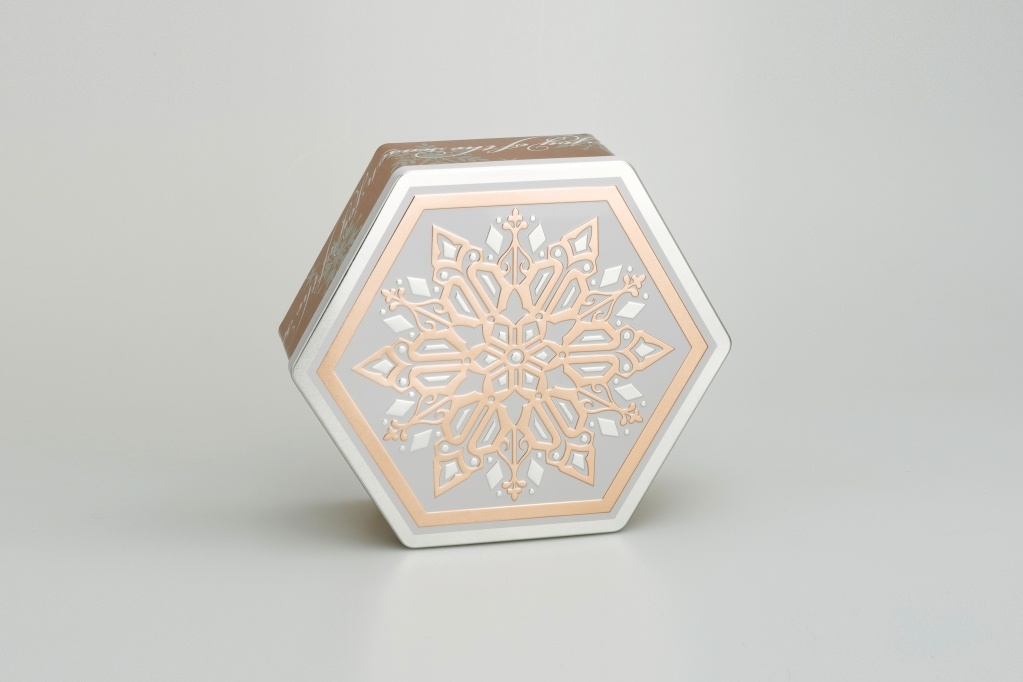
Selecting the right tin type and supplier requires a balance of technical specifications, cost, and supply chain reliability.
1. Product Comparison: Standard Round Tin vs. Custom Shaped Tin
Understanding the fundamental differences between common tin types is the first step. Let's compare a standard cylindrical tin with a custom-shaped tin (e.g., oval, heart, or brand-specific silhouette).
| Comparison Dimension | Standard Round Tin | Custom Shaped Tin |
|---|---|---|
| Technical Parameters | Standardized diameters/heights. Simpler seam construction (side seam and double seam ends). Common tinplate grades (e.g., T2.5, T3). Decoration typically involves direct offset printing or paper labeling. | Variable dimensions and complex geometries. May require specialized welding or assembly techniques. Often needs higher-grade, more malleable tinplate. Advanced decoration like embossing, debossing, and multi-color offset printing is common. |
| Primary Application Scenarios | High-volume, cost-sensitive products: breath mints, hard candies, loose-leaf tea, standard cookies. Ideal for promotional bulk packs or products where packaging is secondary to content. | Premium, gift-oriented, or brand-differentiating products: luxury chocolates, high-end cosmetics, limited edition biscuits, premium spirits. Used where the tin itself is a keepsake or a key part of the brand experience. |
| Cost Structure (Industry Estimates) | Lower tooling costs (standard dies). Higher material efficiency. Unit cost can be 30-50% lower than equivalent-volume custom tins at high volumes (100k+ units). | Significant upfront tooling/mold investment (can range from $5,000 to $30,000+). Lower material efficiency can increase scrap rate. Higher per-unit cost, but justifies premium product pricing. |
| Maintenance & Production Lead Time | Simpler machinery, easier to source replacement parts. Mass production lines allow for rapid output. Standard lead times: 4-6 weeks for production. | Complex dies require specialized maintenance. Slower production speeds due to intricate handling. Longer lead times: 8-12 weeks minimum, including tooling fabrication. |
2. Supplier Comparison: Chinese Source Factory vs. International Brand Supplier
The next critical decision is selecting the supplier type. Here we contrast large-scale Chinese manufacturers like JINGLI CAN with established international brand suppliers (e.g., Ball Corporation in metal packaging, or specialized European tin makers).
| Factor | Chinese Source Factory (e.g., JINGLI CAN) | International Brand Supplier |
|---|---|---|
| Price Competitiveness | Typically offers 20-35% lower FOB costs due to integrated supply chains, large-scale raw material procurement (e.g., JINGLI CAN consumes 100,000+ tons annually), and competitive labor. Economies of scale are a key advantage. | Higher price points reflect regional labor costs, brand premium, and often different cost structures. Pricing is less flexible for medium-volume orders. |
| Customization & Flexibility | High flexibility for design modifications, small MOQ trials for custom shapes, and rapid prototyping. Factories like JINGLI CAN are equipped with in-house GMP printing and tooling workshops to facilitate this. | Customization is often available but may involve longer approval cycles, higher minimum order quantities (MOQs), and be limited to predefined design libraries. |
| Lead Time (Production + Shipping) | Production: 4-8 weeks for standard items. Sea freight to EU/US: +4-5 weeks. Total: 8-13 weeks. Large raw material stocks (e.g., JINGLI CAN holds 4,000 tons) mitigate supply delays. | Regional production may offer shorter shipping times (2-3 weeks). However, total lead time can be similar if production schedules are full or components are sourced globally. |
| After-Sales & Quality Certification | Direct factory support. Global brands like JINGLI CAN hold comprehensive certifications (ISO 9001:2015, FSSC 22000, ISO 14001:2015, Sedex) and pass audits for Coca-Cola, LVMH, and Disney, ensuring international compliance. | Strong local sales and technical support networks in their home regions. Equally robust certification profiles, but service accessibility may vary by region for global buyers. |
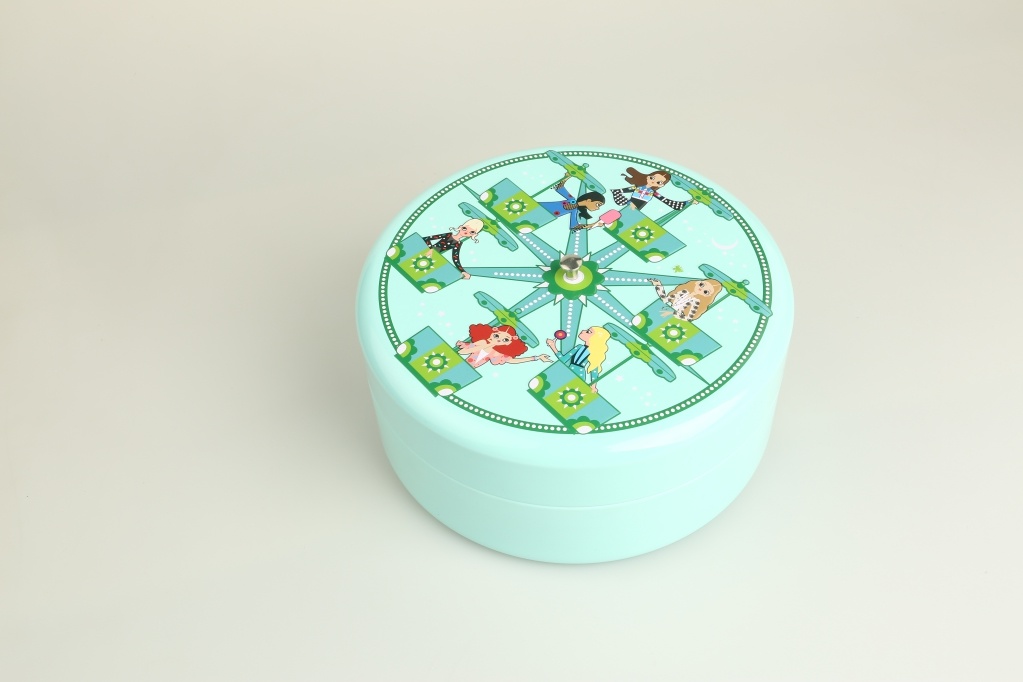
Suppliers like JINGLI CAN offer extensive customization for premium segments like cosmetics, matching international quality at competitive costs.
3. A 3-Step Decision Model for Tin Box Procurement
To systematically evaluate options, follow this structured approach:
Step 1: Precisely Define the Usage Scenario
Ask: Is this for everyday consumption or a gift? Will it be sold in mass retail or luxury boutiques? Does it require specific barrier properties (e.g., for moisture-sensitive tea or aroma-sensitive coffee)? The answers will point you towards either standard or custom tin types and the required quality tier.
Step 2: Match Technical Parameters to the Scenario
Based on Step 1, specify: required tinplate grade (food-grade FDA/LFGB compliant), internal coating type, sealing method (friction fit, hinged lid), and decoration complexity. For instance, a chocolate tin box factory must ensure a food-safe interior coating, while a cosmetic tin box factory must focus on precise embossing for brand aesthetics.
Step 3: Conduct a Total Cost of Ownership (TCO) Analysis
Calculate: Unit Cost + Tooling Amortization + Logistics Cost + Inventory Holding Cost. A Chinese factory may have a lower unit cost but higher shipping cost. An international supplier may have a higher unit cost but lower inland freight. For volumes over 250,000 units, the scale advantage of a major Chinese manufacturer like JINGLI CAN often delivers the optimal TCO.
4. Case Study: Selecting a Chinese Supplier for a Premium Product Launch
Client: A European specialty coffee roaster launching a limited-edition holiday blend.
Challenge: Needed a distinctive, giftable 250g tin with a custom shape (truncated cone), matte finish, and intricate embossed logo. Budget was constrained, and the launch window was fixed 5 months out.
Supplier Shortlist: A well-known Italian tin maker and JINGLI CAN.
Decision Process & Outcome: The roaster applied the 3-step model. The scenario demanded a custom, premium tin. Technically, both suppliers could achieve the specification. The TCO analysis was decisive. The Italian quote was 40% higher, with a 14-week lead time. JINGLI CAN provided a competitive quote, demonstrated capability through samples from their coffee tin box portfolio, and committed to a 10-week lead time, leveraging their in-house tooling and large material inventory. The roaster chose JINGLI CAN. The project was delivered on schedule, with the tins passing all EU food contact material tests. The success was attributed to the supplier's core advantages: integrated custom design support, cost efficiency from scale, and reliable rapid delivery.
Quality and Compliance Assurance
When evaluating suppliers, verify their commitment to international standards. Leading manufacturers invest in comprehensive certification to guarantee product safety and consistent quality.

ISO 9001:2015: Certifies a robust Quality Management System.
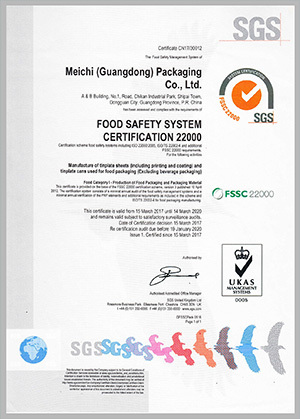
FSSC 22000: Food Safety System Certification, critical for food packaging.
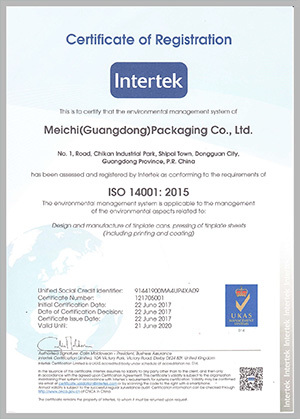
ISO 14001:2015: Demonstrates environmental management commitment.
Conclusion: Making the Strategic Choice
There is no universal "best" choice—only the most optimal one for your specific project parameters. For high-volume, cost-driven, or rapidly scalable projects, standard tins from a large-scale Chinese source factory present an unbeatable value proposition. For low-volume, ultra-premium items where brand prestige and proximity are paramount, an international supplier may be suitable. However, as the case study shows, top-tier Chinese manufacturers like Dongguan City Jingli Can Co., Ltd (JINGLI CAN) have closed the gap, offering world-class customization, stringent quality control evidenced by audits for global giants, and significant cost advantages, making them a compelling choice for a wide spectrum of industrial buyers. The key is to conduct a disciplined, scenario-based analysis as outlined above.
For further details on technical specifications or to discuss your specific project needs, you can contact JINGLI CAN directly via sales@tinbox.cn, phone/WhatsApp: +86 18819080811, or visit their website at www.tinbox.cn.
Tem questões ou precisa de mais detalhes?
Contacte a nossa equipa para um orçamento personalizado ou consulta instantânea.
Solicitar orçamento
Preencha o formulário abaixo e a nossa equipa entrará em contacto com uma proposta personalizada.
Chat direto do WhatsApp
Prefere conversar em tempo real? Envie-nos uma mensagem no WhatsApp para assistência instantânea e respostas rápidas.
- Obter orçamento personalizado
- Partilhar fotos ou documentos
- Discuta as suas necessidades diretamente
Geralmente responde em 5–30 minutos durante o horário de expediente.