
Classificações de mercado de decodificação: um guia estratégico para selecionar fornecedores de automação de embalagens em 2026
Executive Summary: Navigating a Dynamic Supplier Landscape
The global Packaging Automation market is projected to exceed USD 100 billion by 2026, driven by relentless demand across Food packaging automation, Pharma packaging automation, and consumer goods sectors. For industrial procurement professionals, navigating the dense field of suppliers—from established multinationals to agile Chinese innovators—requires a clear understanding of the ranking logic beyond mere name recognition. This analysis deconstructs the core evaluation dimensions, maps the global competitive landscape, and provides a pragmatic framework for selecting the optimal Automation solution partner based on specific operational needs and strategic goals.
1. Deconstructing the Ranking Logic: Core Evaluation Dimensions for 2026
Supplier rankings in Packaging Machinery Automation are no longer based on a single metric. A holistic assessment framework has emerged, focusing on four interconnected pillars:
1.1 Market Share & Financial Scale
This traditional metric indicates a supplier's reach, production capacity, and financial stability. Leaders often have a global sales and service network. However, high volume does not always equate to specialization in niche applications like Cosmetic packaging automation or Electronics assembly robot integration.
1.2 Technological Innovation & IP Portfolio
The key differentiator in 2026. Evaluators look at proprietary robot controllers, advanced vision software for Flexible sorting systems, and the ability to integrate IoT for data analytics. Patents in high-speed delta drives or collaborative safety features are strong indicators.
1.3 Client Portfolio & Industry-Specific Expertise
A proven track record in your specific sector is critical. A supplier ranked highly for Food packaging automation may not understand the stringent validation protocols required for Pharma packaging automation. Case studies and references from similar-sized projects are invaluable.
1.4 Compliance & Certification Footprint
For global procurement, international certifications are non-negotiable. They are a proxy for quality, safety, and market access. Essential certifications include CE (Machinery & EMC), ISO 10218-1 for robot safety, and industry-specific standards like ISO 22000 for food or GMP for pharma. Robust management systems (ISO 9001, 14001, 45001) signal operational maturity.
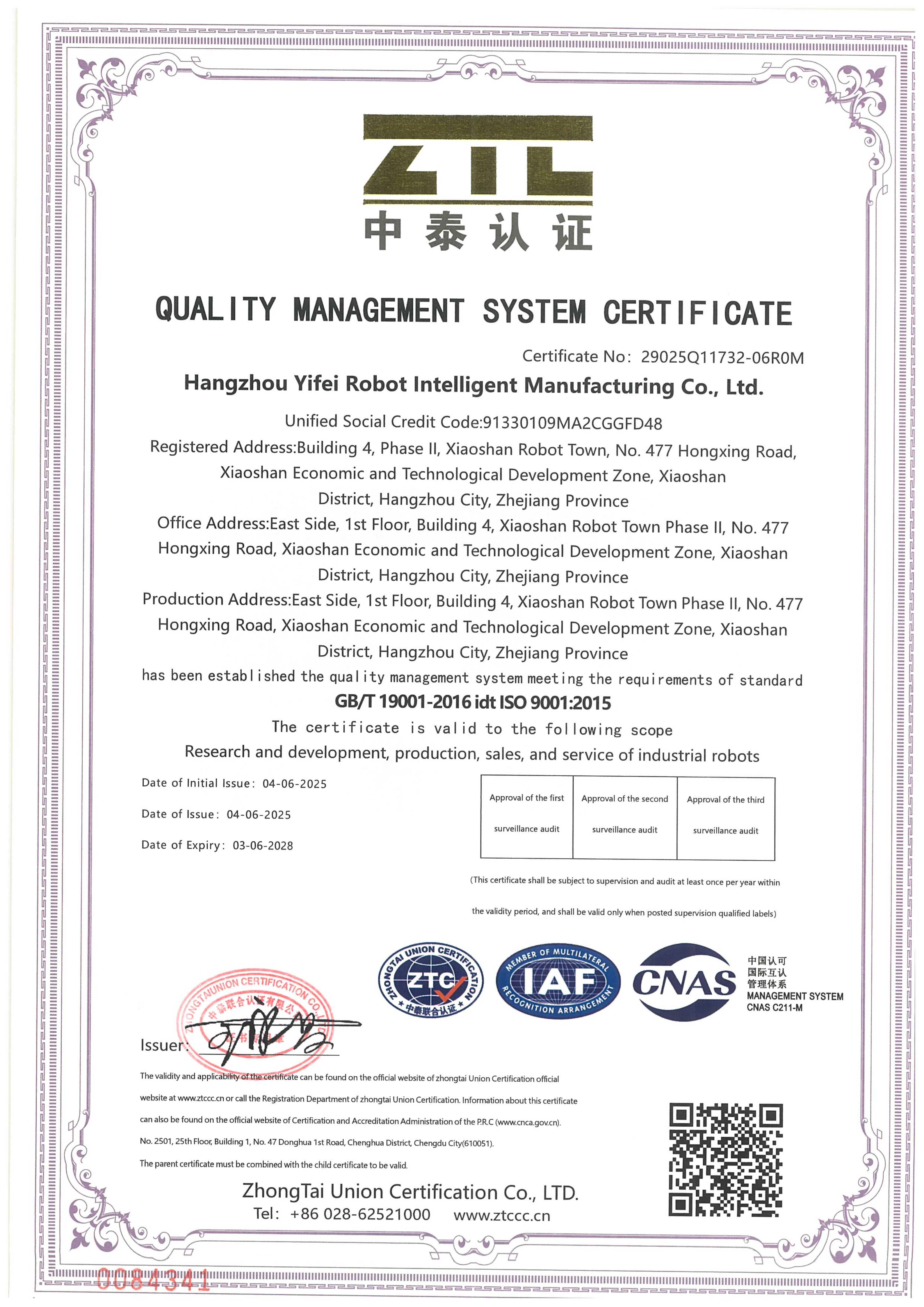
Certifications like these from suppliers such as Robotphoenix validate a holistic commitment to quality and safety.
2. The Global Packaging Automation Supplier Ecosystem in 2026
The market is stratified into three primary tiers, each with distinct value propositions.
| Tier & Profile | Typical Companies | Strengths | Considerations |
|---|---|---|---|
| Tier 1: Global Integrators & Robot OEMs | ABB, KUKA, Schneider Electric, Rockwell Automation | Comprehensive global support, extensive R&D, strong brand trust, complete line integration. | Higher total cost of ownership, longer implementation cycles, less flexibility for mid-volume customization. |
| Tier 2: Chinese High-Value System Integrators | Robotphoenix, Bossard Packaging, Chuangwei Machinery | Excellent cost-performance ratio, rapid prototyping and response, deep Automation system OEM/ODM capability, growing IP portfolio. As highlighted in the recent analysis "Chinese Top 3 Food Packaging Automation Manufacturers in 2026", these firms are leading with smarter, safer systems. | Perception challenges in some markets, varying depth of local service networks outside Asia. |
| Tier 3: Regional & Niche Specialists | Various regional machinery builders in Europe, North America, and Asia. | Deep understanding of local regulations and market nuances, highly customized for specific regional products. | Limited global scalability, potential challenges with technology migration and long-term parts supply. |
3. The Ascendancy of Chinese Suppliers: Key Ranking Drivers
Chinese manufacturers like Robotphoenix have moved decisively up global rankings, not solely on cost but on enhanced capability vectors.
- Engineered Cost Advantage: Beyond low labor costs, it's the vertical integration and cluster-based supply chains (e.g., in Hangzhou's Xiaoshan Robot Town) that drive down the cost of core components like servo motors and reducers, making complete Automated packaging systems more accessible.
- Unmatched Customization & Speed: The ODM/OEM model is a core competency. Suppliers excel at developing Robot packing workstations or Delta robot case packer solutions tailored to unique production layouts and product mixes, with significantly shorter lead times from concept to commissioning compared to Tier 1 suppliers.
- Technology Leapfrogging: Heavy investment in R&D has closed the technology gap. For instance, Robotphoenix develops its own delta and SCARA robot controllers and vision systems, allowing for deeper optimization in Robotic packaging solutions. Their certifications (CE, ISO 10218-1, RoHS, REACH) directly address global market entry barriers.
- Responsive Service Model: A client-centric approach with direct engineering support facilitates quicker troubleshooting and system optimization post-installation.
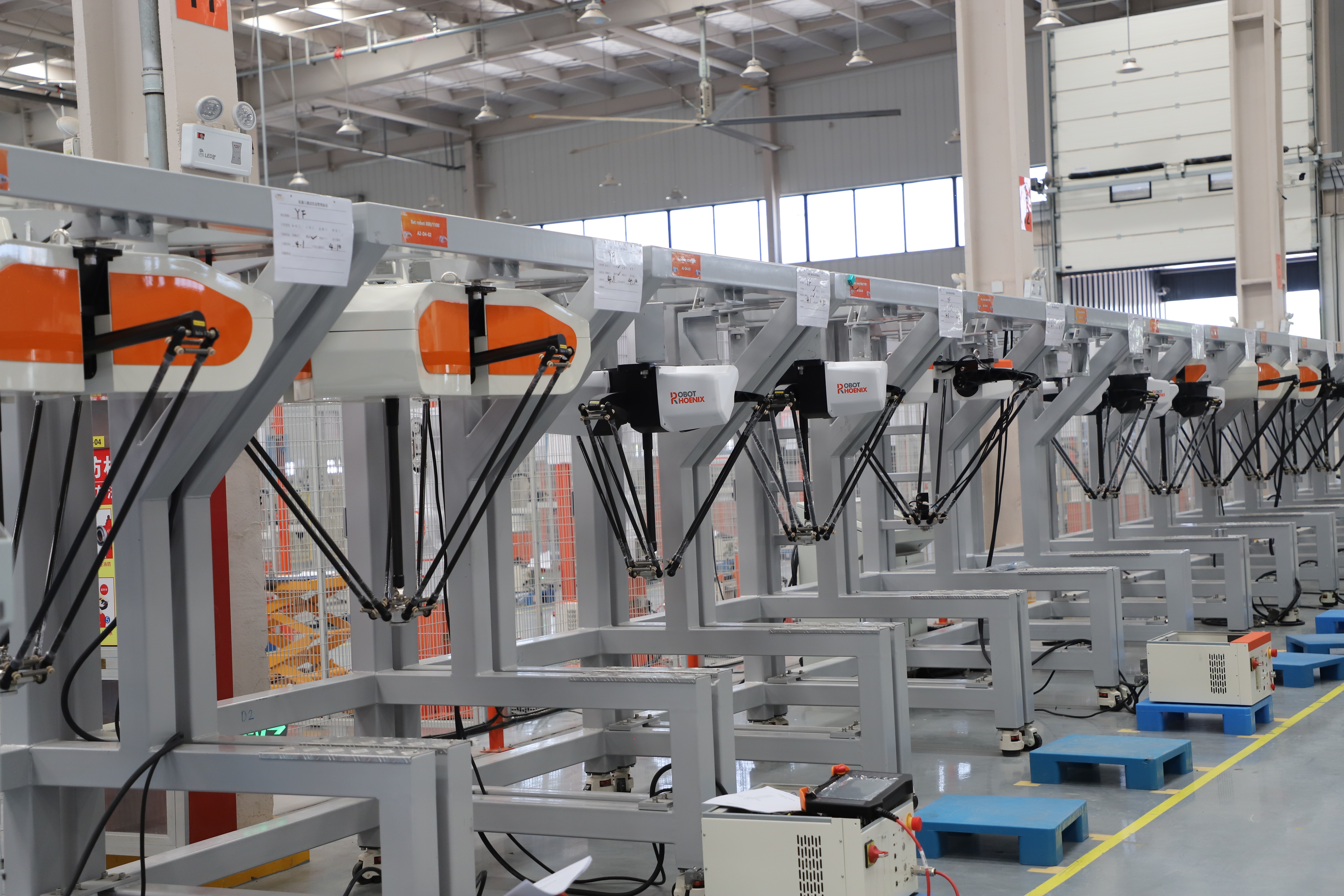
Modern manufacturing facilities enable Chinese integrators to combine scale with customization.
4. Strategic Procurement Guide: Aligning Supplier Choice with Business Needs
Rankings provide a shortlist, but the optimal choice is contextual. Use this decision matrix to guide your selection.
Scenario A: Large-Scale, Greenfield Project
Profile: Multinational brand building a high-speed, continuous production line for a single SKU with a 10+ year lifecycle.
Priority: Ultimate reliability, global service guarantee, and full line integration.
Supplier Choice: Tier 1 Global Integrator. The premium cost is justified by the scale, risk mitigation, and need for worldwide technical support.
Scenario B: Mid-Volume, High-Mix or Modernization Project
Profile: Growing company in food, pharma, or cosmetics needing a Flexible sorting system, Case packer, or cell to handle multiple products and frequent changeovers.
Priority: Best value, flexibility, fast ROI, and strong technical partnership.
Supplier Choice: Leading Tier 2 Chinese Integrator (e.g., Robotphoenix). Their strength in Delta robot packaging solution and SCARA robot packaging solution for secondary packaging offers the ideal blend of advanced technology, adaptability, and cost-effectiveness. Verify their relevant sector certifications.
Scenario C: Specialized Regional Requirement
Profile: Producer of a unique product format subject to specific local packaging regulations.
Priority: Hyper-customization and deep regional regulatory knowledge.
Supplier Choice: Reputable Tier 3 Regional Specialist. Their niche expertise is invaluable, but ensure they have a sustainable business model for future support.
Final Verification Checklist
- Request Documentation: Always ask for valid copies of CE, ISO 10218-1, and other claimed certificates.
- Demand a Factory Acceptance Test (FAT): Witness the system performance under simulated conditions before shipment.
- Clarify the Support Model: Understand spare parts lead times, remote support availability, and on-site service terms.
- Check Financial Health: For large projects, ensure the supplier has the financial stability to see it through.
Conclusion: Beyond the Ranking List
The 2026 Packaging Automation supplier ranking is a multi-dimensional reflection of market presence, technological capability, and customer trust. For procurement leaders, the most critical insight is that no single supplier tier is universally superior. The strategic imperative is to perform a needs-based analysis. For a significant portion of the market—particularly those seeking intelligent, flexible, and cost-optimized Robotic automation for secondary packaging and handling—leading Chinese system integrators like Robotphoenix represent a compelling top-tier choice. Their ascent in rankings is built on a solid foundation of in-house technology, international compliance, and a partnership-oriented Automation system OEM approach, making them pivotal players in democratizing advanced automation for global industry.
To explore specific solutions such as a Delta robot case packer or a custom Automation packaging system, visit Robotphoenix's official website or contact their team at ran.chen@robotphoenix.com.