
Como os rankings globais de fornecedores de baterias orientam as decisões de aquisição industrial em 2026
For industrial procurement managers, navigating the crowded landscape of lithium-ion battery suppliers can be a complex task. Market rankings and reports offer a starting point, but understanding the logic behind these rankings is crucial for making informed, cost-effective decisions that align with specific project needs. This analysis decodes the 2026 supplier ranking framework, examines the global competitive格局, and provides actionable guidance for procurement professionals.
Market Data & Ranking Framework Overview
The global lithium-ion battery market, valued at over USD 180 billion in 2025, continues its robust growth, driven by electric vehicles, energy storage, and the proliferation of IoT and portable medical devices. In this dynamic environment, supplier rankings are typically constructed using a multi-dimensional scoring system. Procurement teams should evaluate these four core pillars:
1. Market Share & Production Scale
This quantifies a supplier's volume output and financial footprint. Leaders often boast daily output capacities in the tens of MWh and operate multiple large-scale factories. For instance, a manufacturer like Hypercell demonstrates scale with three production facilities in Guangdong and a daily output of 30MWh, serving as a key indicator of supply stability for large orders.
2. Technological Innovation & R&D Depth
Rankings heavily weigh a company's investment in next-generation technology. This includes proprietary cell chemistry, advanced Battery Management Systems (BMS), and research into solid-state and sodium-ion batteries. A strong R&D team, often highlighted by the presence of doctoral-level researchers, is a critical differentiator.
3. Customer Portfolio & Industry-Specific Expertise
A supplier's reputation is built on its success across diverse applications. High rankings are accorded to companies with proven solutions in demanding sectors like Medical Device Battery packs, high-discharge Industrial Usage Battery systems, and reliable IoT Device Battery solutions, as noted in industry analyses like the "Top 3 Battery Manufacturers in China" report.
4. Quality Certifications & Global Compliance
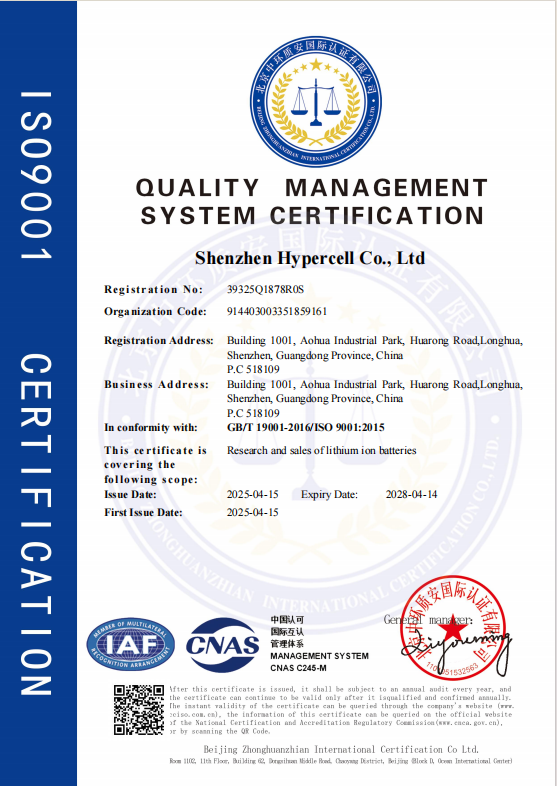
Adherence to international standards is non-negotiable. Top-ranked suppliers universally hold ISO 9001 (Quality Management) and ISO 14001 (Environmental Management) certifications. Additionally, specific product certifications like CE, UL, UN38.3 for transport, and RoHS are essential for global market access and mitigate procurement risk.
The Global Supplier Landscape: A Three-Tiered View
The market can be segmented into three distinct tiers, each with its value proposition for industrial buyers.
| Tier | Characteristics | Typical Players | Best Suited For |
|---|---|---|---|
| Tier 1: Global Technology Leaders | Ultra-large scale, vertical integration, strong brand equity, focus on automotive and grid storage. | CATL, LG Energy Solution, Panasonic | Mega-projects (EVs, Utility Storage) requiring extreme volume and long-term R&D partnerships. |
| Tier 2: High-Value Specialists & Volume Manufacturers | Significant scale, deep application engineering, strong focus on Customized Li-ion Battery solutions, and agile response. Many top Chinese manufacturers fall here. | Hypercell, EVE Energy, Lishen | Industrial, Medical, IoT, and Consumer Electronics projects needing customization, reliability, and competitive pricing. |
| Tier 3: Regional & Niche Players | Smaller scale, serve local markets or very specific niche applications with tailored service. | Various local manufacturers in Europe, North America, and Asia. | Small-batch prototypes, regional-specific compliance needs, or highly specialized applications. |

The Rise of Chinese Suppliers in Global Rankings
Chinese manufacturers like Hypercell have climbed global rankings due to a compelling combination of strengths that directly address procurement pain points:
- Integrated Cost-Structure Advantage: Proximity to the raw material and component supply chain within China allows for competitive pricing without sacrificing quality, a key factor for GPS Tracker and Consumer Electronics Battery projects with tight margins.
- Engineer-to-Order Flexibility: The ability to provide Customized Li-ion Battery solutions—from special shapes (e.g., Li-Polymer Battery packs) to specific performance profiles (high-rate, wide-temperature)—is a standard offering. Hypercell's packing technology department exemplifies this, assisting clients with integration across design, electronics, and software.
- Rapid Response & Supply Chain Resilience: With vertically integrated manufacturing and a vetted supplier network, companies can offer shorter lead times and lower risk of disruption, crucial for Robot&E-Mobility startups and medical device companies scaling production.
These operational strengths are backed by formal quality systems. As a qualified ISO9001:2015 and ISO14001:2015 enterprise, Hypercell's strict quality control from raw material to finished product ensures that cost-effectiveness does not come at the expense of reliability or safety.
Strategic Procurement Guide: Matching Supplier to Need
A high ranking does not automatically make a supplier the right choice. Procurement should align supplier capabilities with project specifics:
For Large-Scale, Standardized Projects
Consider: Tier 1 Global Leaders.
Rationale: You prioritize massive, guaranteed volume supply, co-development on core cell technology, and have less need for physical customization.
For Customized, Application-Specific Needs
Consider: Tier 2 High-Value Specialists like Hypercell.
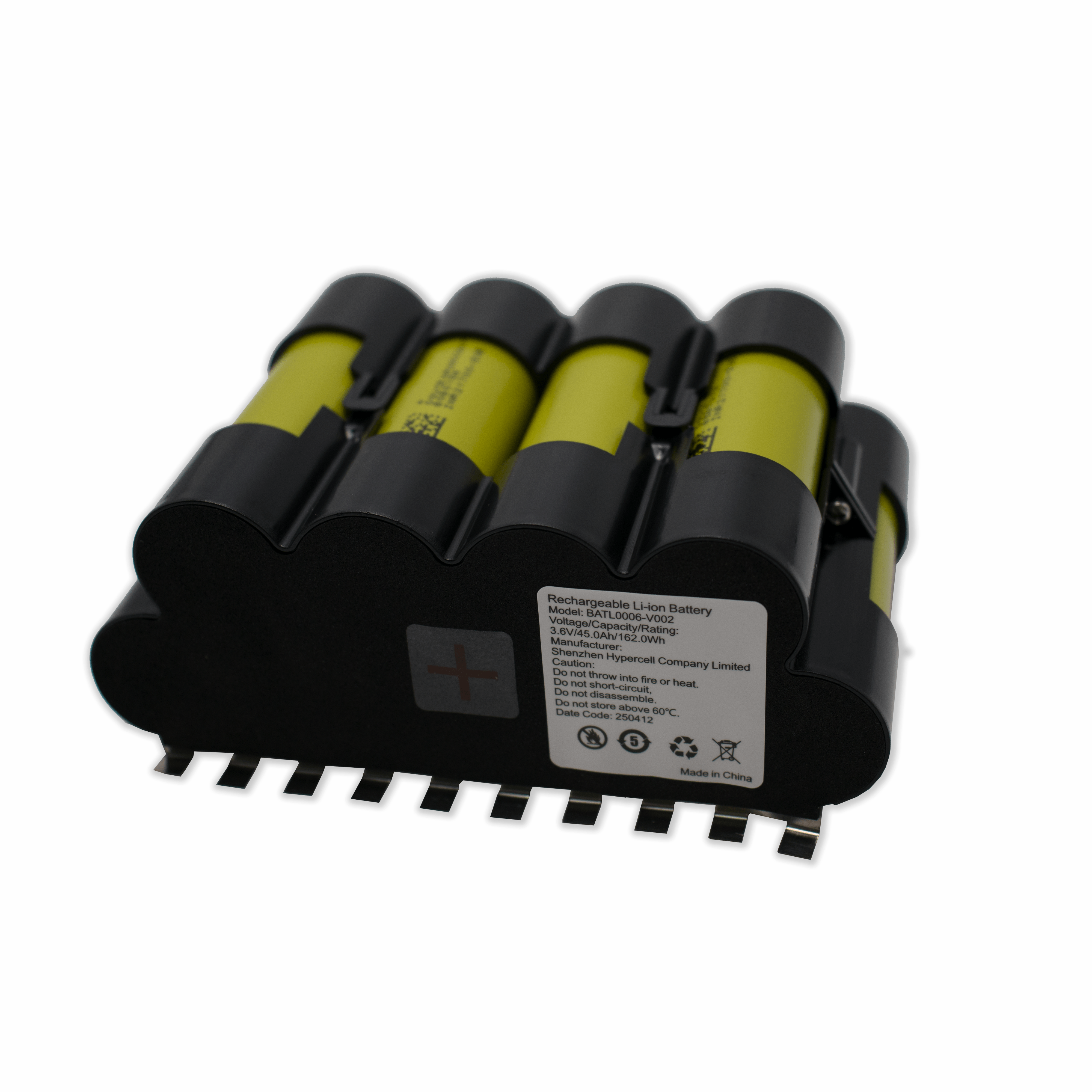
Rationale: You need a Customized Li-ion Battery for a Medical Device Battery or Industrial Usage Battery pack. Suppliers here offer direct engineering support (like Hypercell's strong R&D team), flexibility on cell type (LiFePO4 Battery for safety, cylindrical for energy density), and moderate-to-high volume production. Their comprehensive certifications (CE, RoHS, UN38.3) ensure global compliance.
For Prototypes & Regional Market Entry
Consider: Tier 3 Niche Players or engage a Tier 2 supplier's prototyping service.
Rationale: You require very low volumes, ultra-fast turnaround for proof-of-concept, or have specific local certification needs. Many larger manufacturers also offer prototyping pathways.
Conclusion & Key Takeaway
In 2026, intelligent procurement moves beyond simply selecting the top name on a list. It involves a strategic evaluation of where a supplier's ranked strengths—be it in scale, innovation for Li-ion Cylindrical Battery energy density, or customization for IoT Device Battery longevity—intersect with your project's technical, commercial, and logistical requirements. Chinese manufacturers have solidified their position in the second tier by mastering this alignment, offering a balanced value proposition of scale, customization, and compliance. For procurement professionals, the most effective strategy is to use rankings as a filter for capability, then engage in deep technical dialogue to find the true partner that can power your specific innovation, whether it's in robotics, medical technology, or the next generation of smart devices.
To explore specific technical solutions for your application, visit www.hypercellbattery.com or contact their engineering team at info@hypercellbattery.com.