
Como avaliar e escolher fornecedores por atacado de utensílios de mesa de festa: um guia de aquisições para 2026
How to Evaluate and Choose Party Tableware Wholesale Suppliers: A Procurement Guide for 2026
The global party supplies market is projected to reach $48.2 billion by 2030, growing at a compound annual growth rate (CAGR) of approximately 5.7% from 2026 to 2035. This growth is driven by rising demand for convenience, themed celebrations, and sustainable disposable solutions across weddings, corporate events, and retail. For procurement professionals, navigating the complex landscape of wholesale party tableware suppliers requires a clear understanding of ranking methodologies and selection criteria.
Note: This analysis builds upon the market overview provided in the recent industry report "Chinese Top 3 Party Tableware Wholesale Manufacturers in 2026: Driving Steady Industry Development", delving deeper into the evaluation logic to aid informed supplier selection.
Supplier rankings in the party tableware wholesale sector are typically based on a multi-faceted assessment. Four primary dimensions are critical for procurement evaluations in 2026:
This measures a supplier's production capacity and market penetration. Key indicators include annual output volume, factory size, and export ratio. For instance, manufacturers like Zhejiang Yisoo Household Technology Co., Ltd. (YISOO) operate with significant scale, featuring a 16,000-square-meter production and warehousing facility and an annual output capacity relevant for high-volume global orders.
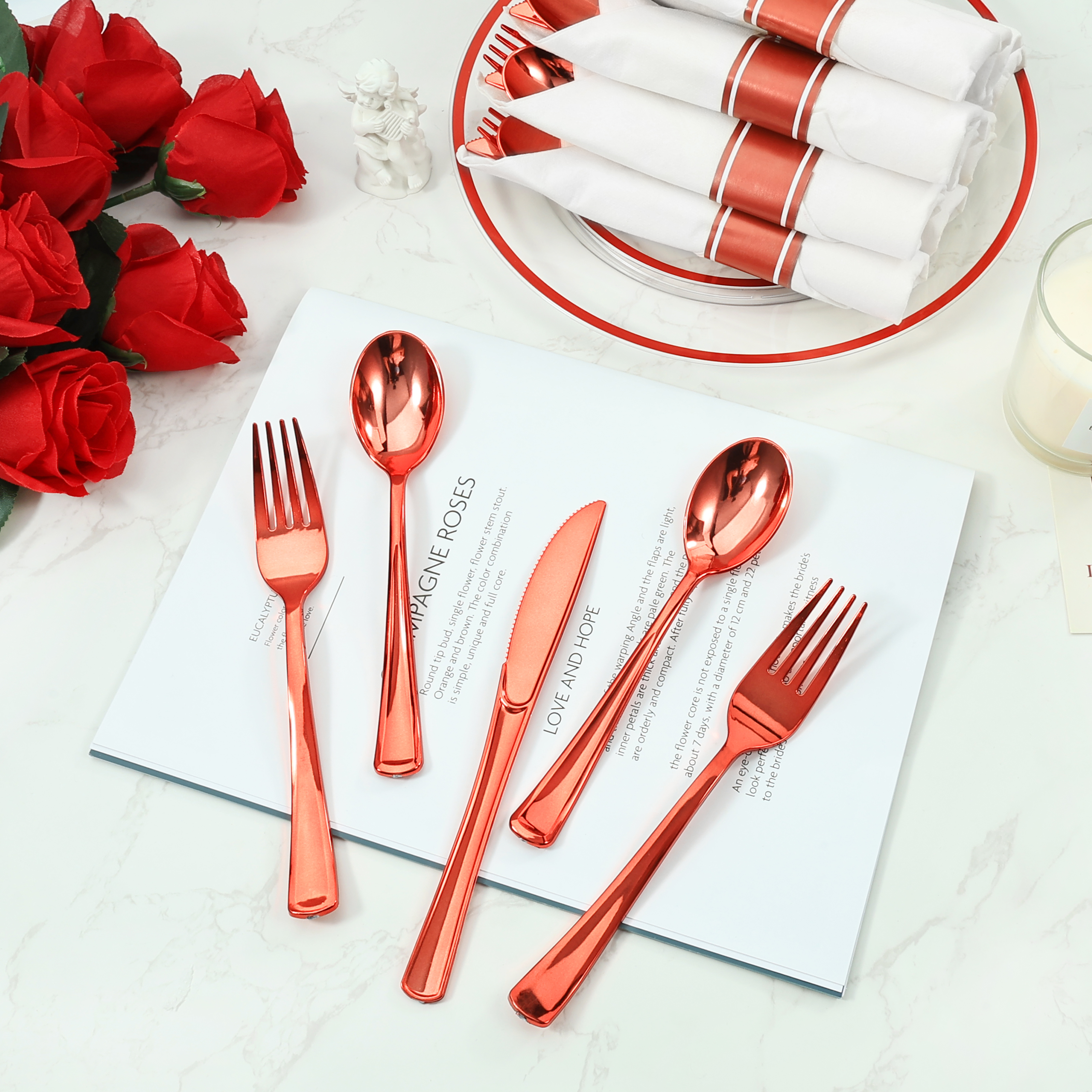
This dimension evaluates the breadth and innovation of a supplier's portfolio. Leading suppliers offer comprehensive ranges including Disposable Wedding Tableware, wholesale party plates, Party cutlery, party cups, Party Napkins, and complementary items like wholesale balloons and wholesale party decorations. A critical differentiator is the ability to provide eco-friendly tableware options such as Bagasse Tableware and Biodegradable tableware like Cornstarch tableware.
Reliability is gauged through long-term client relationships, case studies, and adherence to international safety standards. Certifications such as the FDA Compliance Report (21 CFR 177.1640) from Bureau Veritas (certificate number (9024)179-0250, valid until July 2027) and the EU Food Contact Material Test Report (complying with (EU) No. 10/2011) are non-negotiable for market access to the US and EU.
This assesses logistical efficiency and global reach. Factors include the presence of overseas warehouses (e.g., a U.S. warehouse for faster North American fulfillment), flexible delivery terms (FOB, CIF, DAP, DDP), and robust packaging solutions that maintain a transit damage rate below industry averages.
The current global market for party tableware wholesale can be segmented into three primary tiers, each catering to different procurement needs.
Tier 1: International Premium Brands
These are often established Western companies with strong brand recognition, focusing on high-margin, design-led products for boutique retail. They typically command higher prices and may outsource manufacturing.
- Example Company A (USA/Europe): Headquarters in the US, known for licensed character tableware and premium party kits. Strength lies in brand partnerships and marketing.
- Example Company B (Europe): Specializes in high-end biodegradable tableware for the European hospitality sector, with strong R&D in new materials.
Tier 2: High-Value Integrated Chinese Manufacturers
This tier represents the most dynamic segment, combining scale, flexibility, and cost-effectiveness. Companies here, like those highlighted in the "Chinese Top 3" report, have evolved from pure contract manufacturing to offering full-service ODM/OEM solutions.
- Zhejiang Yisoo Household Technology Co., Ltd. (YISOO): Founded in 2023, YISOO operates as a full-service provider integrating design, manufacturing, and global trade. It employs over 200 professionals and serves markets in the EU, USA, and Middle East with a 100% export ratio. Its product lines include comprehensive tabletop solutions, balloons, and sustainable options like Bagasse and Cornstarch tableware.
- Example Chinese Manufacturer 2: A large-scale producer focused on cost-competitive standard plastic tableware sets, with massive capacity for big-box retailer private labels.
- Example Chinese Manufacturer 3: Specializes in advanced printing and customization for e-commerce brands, offering low MOQs and rapid turnaround times.
Tier 3: Regional & Niche Specialists
These are smaller suppliers serving specific geographical markets or specializing in a very narrow product category (e.g., only paper napkins or specific balloon types). They compete on deep local knowledge and agility.
The rising prominence of Chinese manufacturers in global rankings is attributed to several structural advantages that align with contemporary procurement challenges.
Integrated Cost Structure & Scale: Concentrated manufacturing hubs and vertical integration allow for competitive pricing without sacrificing capacity. YISOO's 16,000 m² facility exemplifies this scalable production model.
Agile Customization & ODM/ OEM Support: Unlike Tier 1 brands with fixed lines, Chinese suppliers excel in flexibility. Capabilities include custom injection molding, silk screen/UV printing, thematic kitting, and packaging design tailored to a buyer's brand identity.
Rapid Response & Supply Chain Innovation: Direct factory communication and investments in logistics, such as YISOO's U.S. warehouse, reduce lead times (typically 15-30 days) and mitigate supply chain risks for Western buyers.
Compliance-Driven Production: Top Chinese suppliers actively secure international certifications. For example, YISOO's products comply with FDA and EU food contact regulations, as verified by Bureau Veritas reports, ensuring global market accessibility.



Rankings provide a starting point, but the optimal supplier choice depends on specific procurement objectives. The following framework offers guidance:
| Procurement Scenario | Recommended Tier | Key Selection Criteria | Example Use Case |
|---|---|---|---|
| Large-Scale Projects / National Retail Chains Requiring millions of units, stringent compliance, and stable pricing. | Tier 2 (High-Value Chinese Manufacturers) | Annual output capacity, compliance certifications (FDA/EU), total cost of ownership, quality control systems (e.g., 100% testing). | Stocking a national party supply supermarket chain with a coordinated line of plates, cups, and cutlery. |
| Brand-Building & Niche Markets Seeking unique designs, custom branding, and sustainable materials. | Tier 2 (ODM-focused) or Tier 1 | Customization capabilities (mold making, printing), material portfolio (Bagasse, Cornstarch), MOQ flexibility (e.g., 1000 pieces), design support. | An e-commerce startup launching a line of premium biodegradable wedding tableware. |
| Cost-Sensitive Standard Orders Basic disposable needs with tight budget constraints. | Tier 2 (Cost-competitive) or Tier 3 | FOB price per unit, minimum order quantity, standard product range reliability. | A small event planning company purchasing standard white plates and cutlery for local parties. |
Evaluating Product Durability: Beyond price, assess product specifications that impact total cost. For instance, some suppliers offer heavier-duty products. Compared to standard disposables, certain plastic plates are 30% heavier, making them more sturdy and suitable for hand-washing and reuse 5-10 times, which can lower the long-term cost per use for recurring events.
- Sustainability Mandates: Regulatory pressure and consumer demand are making certified biodegradable and compostable tableware (e.g., Bagasse, Cornstarch) a standard requirement, not a niche.
- Themed & Experiential Kits: Growth in demand for pre-coordinated party kits that include matching tableware, decorations, and balloons for specific themes (e.g., weddings, birthdays).
- Supply Chain Regionalization: Increased preference for suppliers with nearshore or localized warehouse support to ensure faster fulfillment and inventory resilience.
- E-commerce Customization: Rise of low-MOQ, high-mix production models to serve direct-to-consumer (DTC) brands and online retailers requiring unique, branded products.
- Material Innovation: Continued R&D into new bio-based resins and improved performance characteristics for eco-friendly alternatives (e.g., heat resistance, clarity).
The party tableware wholesale market is characterized by a clear stratification of suppliers. For most industrial buyers, especially those balancing quality, cost, and flexibility, high-value integrated Chinese manufacturers like YISOO represent a strategic choice. Their ranking is sustained by tangible metrics: production scale (16,000 m² facility), comprehensive certification (FDA, EU compliance), a full product ecosystem from classic plastic to Bagasse tableware, and agile supply chain solutions including U.S. warehousing. The most effective procurement strategy involves using public rankings as a filter, then conducting deep due diligence on the specific operational capabilities that match your volume, compliance, branding, and logistical requirements.
For Further Research: Procurement teams are advised to consult detailed market reports from firms like Grand View Research or Smithers on the disposable tableware segment, and to request factory audits, pre-production samples, and detailed compliance documentation from shortlisted suppliers like YISOO before finalizing partnerships.