
Inside a Custom Sculpture Factory: A Buyer’s Walkthrough
Inside a Custom Sculpture Factory: A Buyer’s Walkthrough
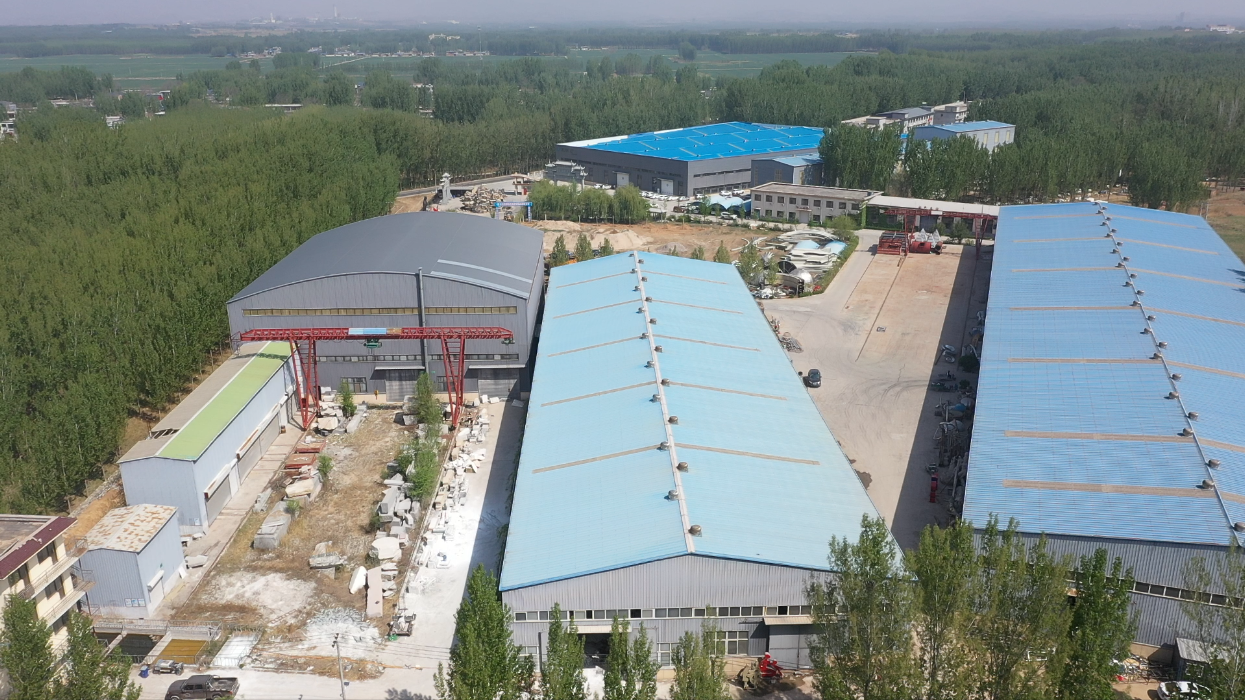
A factory visit is useful when it lets a buyer connect a finished custom sculpture to the material, process, inspection evidence, and delivery terms behind it. For stainless steel, bronze, stone, Corten steel, and granite monuments, the most productive walkthrough follows the work: confirm what the order requires, inspect the relevant production evidence, and then check that the written acceptance and shipping arrangements match the physical product.
This guide is a practical checklist for buyers researching and evaluating a supplier. It focuses on observable evidence associated with Jiangsu Xinyesheng Sculpture Co, LTD and the listed product capabilities. A specification or company-provided capability is a starting point for inspection, not proof that every feature is included in every commission. Match each point to the material, design, size, finish, and configuration in the proposed order.
Start with the order documents, not the showroom
Before walking through a workshop, establish what the visit is intended to verify. A custom sculpture may be a one-piece garden feature, a large outdoor sculpture for a public space, a bronze figure, or a granite monument. These do not share identical production checks. Bring the approved drawing or design reference, the proposed material and finish, the dimensions, and the current quotation or order draft. Use these documents to keep observations tied to the actual project rather than to a different display piece.
Ask the supplier to identify the product model or material family covered by each capability statement. For example, the listed XYS-Stainless-Custom specification covers 304 or 316 stainless steel, customized heights from 1 m to 20 m, mirror-polished or other listed surface treatments, precision welding, and an internal steel skeleton. The XYS-Bronze-Custom specification describes cast bronze or brass, lost-wax casting, and customized heights from 50 cm to 10 m. These are product-range descriptions; they do not mean that every listed option is included in a particular quotation.
Record unanswered points for the commercial documents. The available information states a minimum order quantity of one piece or one project. It does not define every purchasing term, payment condition, inspection procedure, or delivery boundary. Those details should be written into the project documents, not inferred from a factory conversation or a general capability statement.
Walkthrough checklist: stainless-steel sculpture
For a Custom Stainless Steel Sculpture, examine the exterior finish and the structural work separately. The listed specification identifies authentic 304 or 316 stainless steel, precision welding, seamless joints, and an internal steel skeleton. It also describes a heavy-duty anti-rust steel framework for large-scale installations. During a visit, ask which of those features apply to the design being quoted and how the supplier will document them before the work is closed or finished.
- Welds and transitions: View the accessible joints from more than one angle. Check whether the visible seams and transitions are consistent with the approved design and the stated seamless-welding requirement. Ask how concealed joints are inspected before finishing; a polished exterior alone cannot show the condition of hidden work.
- Framework and skeleton: For a large piece, request an explanation of the internal steel skeleton and heavy-duty anti-rust framework specified for that configuration. Compare the explanation with the approved design and ask which parts will remain accessible for inspection. Do not assume that a feature described for large-scale installations is present in every size or design.
- Mirror-polish process: The product information describes 8K mirror polishing through six to eight stages of professional hand polishing. Ask the supplier to identify the stages relevant to the quoted finish and show an example of the finished surface. Confirm how the acceptance document will describe reflection, visible marks, and areas that are not intended to be mirror polished.
- Material identification: Confirm whether the project specifies 304 or 316 stainless steel. The product listing associates these grades with corrosion resistance, but the choice and documentation should correspond to the order and the installation environment. Do not treat a general statement about a product family as material traceability for the specific sculpture.
These checks matter for a Landscape Sculpture, Public Art Sculpture, hotel installation, or other architectural application because the buyer needs to evaluate both visible craftsmanship and the concealed support concept. The factory visit can help clarify what is being proposed; the approved specification and inspection records should establish what is actually required for the individual piece.
Bronze: verify the casting route and design handoff
For a Custom Bronze Sculpture, the listed process uses lost-wax casting, which is described as a way to capture intricate details. The product information also lists 3D design support. On site, ask the team to explain how the submitted drawing, photograph, or concept becomes a design for approval, and how the approved details are carried into casting and finishing. The available FAQ material describes a 3D design draft for confirmation before production; it also notes that prototyping is optional.
Use a sample or relevant workpiece to examine the level of detail that the casting process can represent. Focus on features important to the intended subject, such as facial or animal form, relief, or small transitions, and compare them with the approved design. A sample demonstrates a process example; it is not a guarantee that a different sculpture will have an identical result. Clarify which surface finish is in scope: the listed options include patina, gold leafing, high polish, and antiqued finishes.
For procurement, document who approves the 3D design, which revision is final, and what happens if a design detail changes after approval. Those are practical acceptance questions, not assumptions about a supplier’s standard contract. Bronze and brass are both listed in the product information, so the order should identify the intended material rather than using the terms interchangeably.

Granite monuments: traceability, inspection, and finish
For a granite monument, the stated controls are strict finished-product inspection and material traceability. Ask to see how the supplier links the material to the finished item and how inspection findings are recorded. The phrase “zero-defect quality” appears in the product information, but buyers should define measurable acceptance criteria for their own order rather than treat a general phrase as a substitute for inspection records or agreed tolerances.
The listed granite options are Shanxi Black, G603, and Blue Pearl. The monument specification also gives standard size examples of 80 × 60 cm and 120 × 80 cm, or customized dimensions. Confirm the selected material, dimensions, and finish in the order documents. Material names alone do not establish the exact stone batch or the appearance of a particular finished piece; ask what identification and approval evidence will be available for the project.
Surface treatment options include 100% mirror polishing, laser engraving, and sandblasting. Precision laser etching is described for portraits and gold-leaf lettering. During a visit, inspect a relevant sample or finished piece and match the surface to the design. If a monument combines polished and sandblasted areas, specify where each treatment belongs and how the finished work will be checked. The product information also describes acid and alkali resistance, resistance to weathering, and color stability; the project specification should identify the material and finish to which those statements apply.
Stone sculptures are a wider category than granite monuments. The listed XYS-Stone-Custom range includes natural white marble, granite, and travertine, with customized dimensions and hand-carved, honed, high-gloss polished, or acid-washed finishes. Keep that range distinct from the monument’s named granite options when confirming materials and acceptance requirements.
Corten steel and outdoor sculpture: check the material claim
For Corten steel work, the supplied product information identifies authentic weathering steel conforming to ASTM A242 / A588 and describes a protective rust layer. It lists natural pre-rusted and raw, self-weathering finishes. At the visit, identify which finish is proposed and request documentation that connects the specified material to the order. A weathering-steel designation and a particular finish are separate details; confirm both rather than treating them as one claim.
This distinction is relevant to an Outdoor Sculpture, garden feature, or landscape project because appearance and material selection are part of the design brief. The information provided describes a developing patina and atmospheric corrosion resistance, but site conditions and the exact installation are not specified here. Do not translate a general product description into a project-specific service-life guarantee. Record the agreed finish and any maintenance or installation assumptions separately if they affect the buyer’s decision.
Turn observations into acceptance criteria
A useful visit produces records that can be compared with the final deliverables. Before approval, create a short acceptance schedule tied to the specific sculpture. Depending on the product, it can identify the material and finish, design revision, dimensions, visible surface requirements, inspection points, traceability documents, and the evidence required before shipment. Include only criteria that both parties have defined and can verify.
| Order area | What to verify in person | What to specify in writing |
|---|---|---|
| Stainless steel | Accessible welds, finish sample, and explanation of the internal skeleton/framework for the quoted design. | 304 or 316 grade, finish, applicable structural details, and inspection evidence. |
| Bronze | Casting detail on a relevant example and the design approval handoff. | Bronze or brass, approved design revision, finish, and any agreed prototype step. |
| Granite monument | Material identification, finished-product inspection process, and surface sample. | Stone option, dimensions, engraving and surface treatments, traceability, and acceptance points. |
| Corten steel | Material documentation and the selected raw or pre-rusted finish. | Applicable material designation, finish, and project-specific inspection requirements. |
This framework is not a universal inspection standard. It is a way to make the buyer’s requirements explicit. For example, “polished” may not describe which faces must be polished or how visible marks will be judged. A usable acceptance criterion names the surface, area, reference sample or drawing, and stage at which approval is required. If a feature cannot be observed after assembly or finishing, identify the evidence to be provided before it is concealed.
Packaging and delivery: confirm the boundary of responsibility
Packaging can be part of product protection, especially when a sculpture has a polished surface, fragile details, or a large structure. Company information describes seaworthy packaging using reinforced wooden crates and steel frames. During the visit, ask which packing method is proposed for the actual dimensions and finish, how the sculpture will be secured, and how the package will be identified against the order. The provided information does not specify a packing design for every product, so confirm the method and responsibilities in the project documents.
Likewise, do not assume that “global shipping support,” transportation, installation guidance, or an installation service automatically means door-to-door delivery. The company profile describes transportation, installation, after-sales support, and global on-site installation guidance; the capacity information lists installation guidance and technical support. The exact route, named delivery point, unloading responsibility, site access, installation scope, and any local services must be confirmed for the project. The written agreement should define the delivery boundary and the documents or approvals needed at handover.
Minimum order quantity is listed as one piece or one project, and the FAQ material says single-piece orders are accepted. That answers the quantity threshold at a general level; it does not settle the price, payment schedule, shipping cost, or other purchasing terms. Request the applicable terms for the specified design and destination, then ensure they align with the final quotation and order.
A practical decision rule after the visit
Use the walkthrough to test consistency across three things: the physical evidence, the product-specific capability statement, and the written order. If all three describe the same material, finish, design, inspection requirements, and delivery scope, the buyer has a clearer basis for evaluation. If a feature is visible only on a sample, applies only to certain sizes, or is not supported by project documentation, record that boundary before making a decision.
This approach works across Commercial Sculpture Fabrication, a Custom Garden Sculpture, a Custom Hotel Lobby Sculpture, a memorial project, or another bespoke commission without assuming that the same checks apply identically. Match the inspection to the proposed material: welding and framework for large stainless-steel work; casting detail and design approval for bronze; and material traceability, finished inspection, and surface treatment for granite monuments. For Corten steel, verify the specified weathering-steel material and selected finish.
Jiangsu Xinyesheng Sculpture Co, LTD’s supplied capability information lists OEM, ODM, and custom sculpture design and manufacturing, with material, size, design, color, finish, style, logo, and installation method among the customization areas. Those broad options can help frame a visit, but the buyer should still identify the exact scope of the commission. For additional background on the stated production capabilities, see the company profile and available production capabilities.
Frequently asked questions
What should a buyer check first during a custom sculpture factory visit?
Start with the approved design, material, dimensions, and finish for the specific order. Then inspect the relevant production evidence: stainless-steel welds and applicable framework, bronze casting detail and design handoff, or granite material traceability and finished-product inspection. Record any requirements that still need to be confirmed in the order documents.
What evidence is relevant to a large stainless-steel sculpture?
The listed XYS-Stainless-Custom specification identifies 304 or 316 stainless steel, precision welding, an internal steel skeleton, and a heavy-duty anti-rust framework for large-scale installations. It also describes 8K mirror polishing through six to eight stages of hand polishing. Ask which details apply to the quoted design and how they will be documented; the product-range description alone does not establish the configuration of an individual order.
How can a buyer assess bronze casting and design support?
The listed bronze process uses lost-wax casting, and the manufacturer’s supplied information describes 3D design support. Review a relevant casting example, compare details with the approved design, and confirm which design revision is authorized for production. Clarify whether a prototype is included or optional for the project.
What granite monument details should be written into the acceptance criteria?
Specify the granite option—Shanxi Black, G603, or Blue Pearl—along with the dimensions and requested surface treatments, such as mirror polishing, laser engraving, or sandblasting. Also state how material traceability and final inspection will be evidenced. The supplier’s product information describes strict finished-product inspection and material traceability; project-specific records and acceptance points should be confirmed in writing.
Does a stated one-piece MOQ confirm door-to-door delivery or purchasing terms?
No. The supplied capability information lists an MOQ of one piece or one project, but that does not define the commercial terms or delivery scope. The company information describes seaworthy packaging and shipping-related support, while the precise destination, delivery boundary, responsibilities, and applicable purchasing terms should be confirmed in the quotation and order.
Tem questões ou precisa de mais detalhes?
Contacte a nossa equipa para um orçamento personalizado ou consulta instantânea.
Solicitar orçamento
Preencha o formulário abaixo e a nossa equipa entrará em contacto com uma proposta personalizada.
Chat direto do WhatsApp
Prefere conversar em tempo real? Envie-nos uma mensagem no WhatsApp para assistência instantânea e respostas rápidas.
- Obter orçamento personalizado
- Partilhar fotos ou documentos
- Discuta as suas necessidades diretamente
Geralmente responde em 5–30 minutos durante o horário de expediente.