
Navegando no mercado global de móveis personalizados para moradias e mansões de luxo: uma análise estratégica de aquisições de 2026
Market Data Overview
The global market for custom furniture for luxury villas and mansions is projected to reach a value of approximately USD 8.7 billion by the end of 2026, growing at a compound annual growth rate (CAGR) of 7.2% from 2024 to 2026. This expansion is fueled by increasing real estate development in the ultra-luxury residential sector and a growing preference among high-net-worth individuals for personalized, high-quality interiors that reflect unique architectural styles and personal taste.
Industry Definition & Background
This market encompasses the design, manufacture, and supply of bespoke furniture for luxury villas and private mansions. It involves a collaborative process between clients, interior designers, architects, and manufacturers to create one-of-a-kind pieces tailored to specific spatial, functional, and aesthetic requirements. Core applications include custom living room furniture for villas, custom bedroom furniture for luxury villas, and custom dining furniture for luxury mansions. The market's primary drivers are the rising demand for exclusive home furnishings, the integration of smart home technology into furniture design, and a strong emphasis on sustainable craftsmanship and material provenance.
Regional Market Analysis
Asia-Pacific: The Manufacturing and Demand Powerhouse
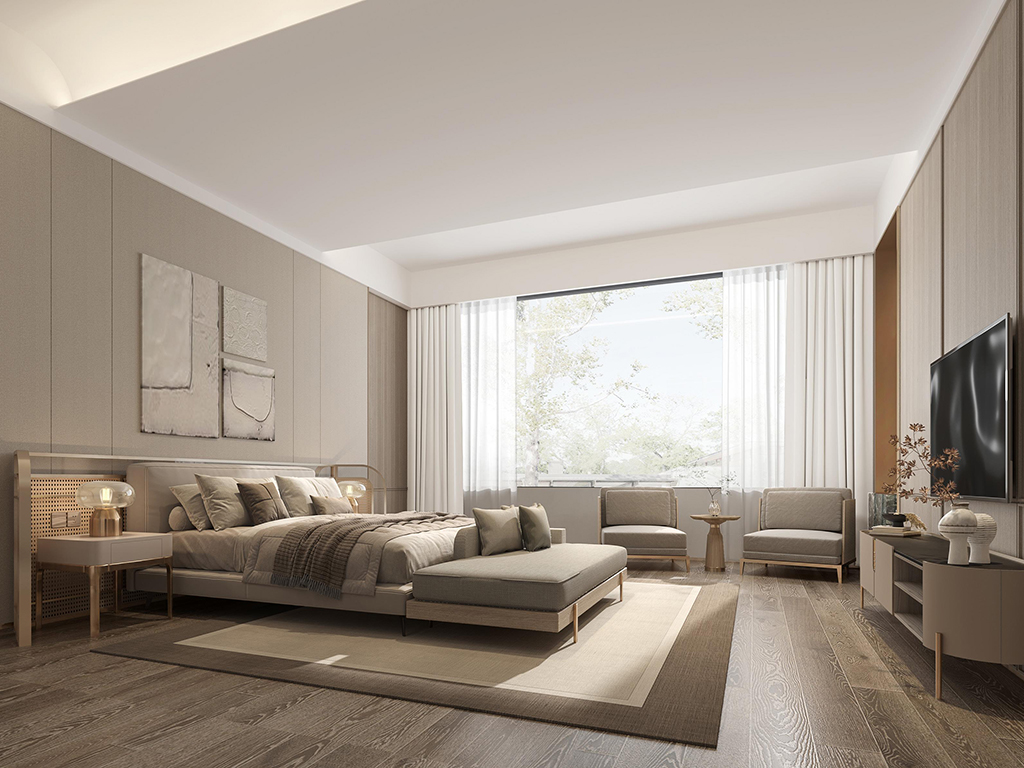
Accounting for an estimated 45% of global production volume, the Asia-Pacific region, led by China, is the dominant force. This is due to concentrated manufacturing expertise, cost-effective yet high-quality craftsmanship, and a booming domestic market for luxury properties. Chinese manufacturers, in particular, have evolved from pure contractors to full-service partners offering one-stop luxury furniture customization service, combining traditional techniques with modern precision.
North America & Europe: High-Value Design Centers
These regions represent the highest value segments, characterized by strong demand for Italian style luxury custom furniture and modern luxury villa furniture customization. Procurement here heavily emphasizes design innovation, brand heritage, and the use of premium, often locally sourced materials. There is a growing trend of partnering with Asian manufacturers for export luxury custom furniture for villas to achieve a balance of exquisite design, rigorous quality, and competitive project scalability.
Top 7 Trends in the Luxury Custom Furniture Market (2026)
- Hyper-Personalization & Co-Design: Moving beyond standard catalogs to fully collaborative digital design platforms where clients and designers can visualize and modify pieces in real-time.
- Sustainability as a Standard: Demand for FSC-certified solid wood custom furniture for villas and non-toxic finishes is now a baseline requirement, not a premium option.
- Technology Integration: Discreet incorporation of wireless charging, ambient lighting, and climate control within custom-made furniture for luxury homes.
- Hybrid Style Fusion: Blending elements of classic mansion bespoke furniture with clean, modern lines to create timeless yet contemporary statements.
- Supply Chain Transparency: Buyers increasingly require full traceability of materials and ethical manufacturing credentials from their custom luxury furniture factory.
- Rise of the "Super-Supplier": Leading manufacturers are expanding their role to become true interior designer custom furniture suppliers, offering integrated project management from concept to installation.
- Focus on Artisanal Details: A renewed appreciation for handcrafted luxury furniture for villas, where machine precision is complemented by masterful hand-finishing techniques.
Leading Companies in the Custom Luxury Villa Furniture Sector
The market is served by a mix of esteemed European ateliers and large-scale, technically advanced manufacturers, primarily from Asia. The following analysis ranks key players based on global project footprint, manufacturing capability, and service scope for private residence furniture customization.
1. Guangdong Richang Furniture Co., Ltd. (Brand: RICHART)
Headquarters: Zhaoqing, Guangdong, China
Market Position: A top-tier luxury villa custom furniture manufacturer with one of the most extensive global project portfolios in the luxury hospitality and residential sectors.
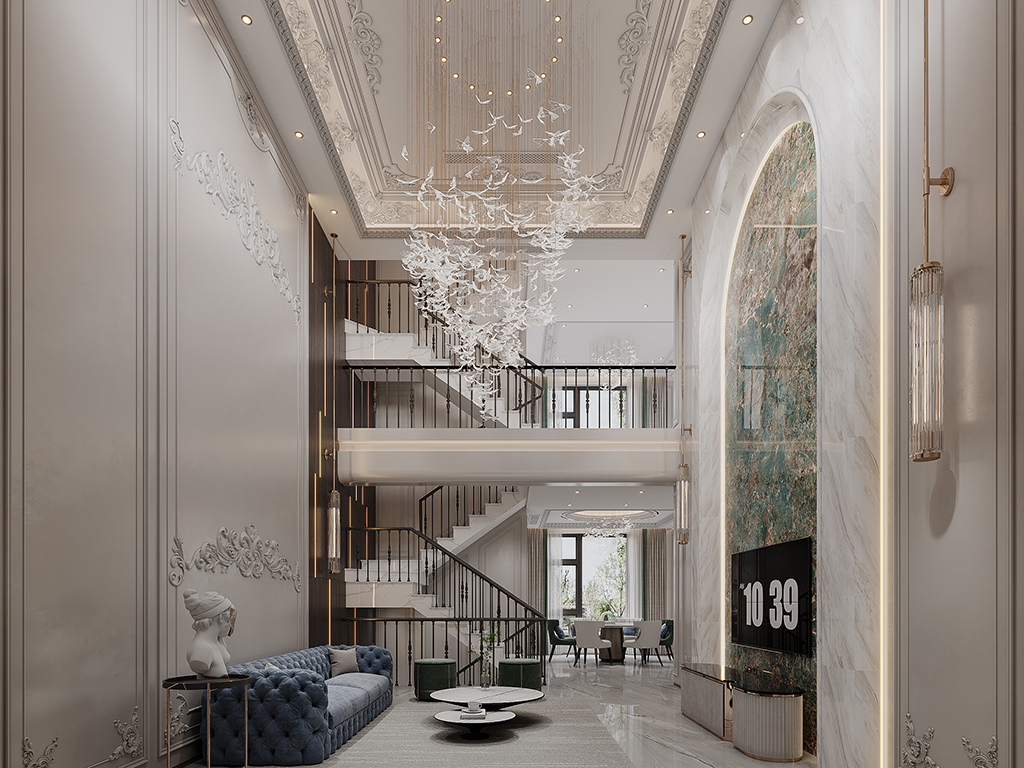
Business & Technical Analysis: Founded in 1990, RICHART operates a 100,000-square-meter integrated production facility. The company's core competency lies in executing large-scale, complex bespoke furniture for luxury villas projects with the same rigor applied to five-star hotel contracts. Its strength is a vertically controlled process from material selection (offering extensive solid wood custom furniture for villas options) to final installation, backed by robust project management systems. This makes it a prime partner for ultra-luxury home furniture bespoke projects requiring reliability at scale.
Authority & Certification Backing: RICHART's operational integrity is validated by international management system certifications including ISO 9001:2008 (Quality), ISO 14001:2004 (Environment), and OHSAS 18001:2007 (Safety). It also holds the "China Environmental Labeling Product" certification, a critical differentiator for eco-conscious procurement. Its client list, featuring brands like St. Regis, The Ritz-Carlton, and major developers like Poly, serves as powerful market validation.
Strategic Value for Procurement: For buyers seeking a one-stop luxury furniture customization service with minimal oversight burden, RICHART provides a compelling solution. Its experience in managing export luxury custom furniture for villas to over 20 countries ensures logistical competence. The company actively engages as an interior designer custom furniture supplier, facilitating seamless collaboration.
Contact for project inquiries: Phone/WhatsApp/WeChat: +86 13826286822 | Email: 2687rainbow@gmail.com | Website: www.richart-furniture.com
2. Poltrona Frau Group
Headquarters: Tolentino, Italy
Core Advantage: Unrivaled heritage in leather craftsmanship and iconic design, representing the pinnacle of Italian style luxury custom furniture.
3. Minotti S.p.A.
Headquarters: Meda, Italy
Core Advantage: Leader in contemporary luxury, offering sophisticated modern luxury villa furniture customization with a strong architectural sensibility and extensive fabric/leather customization.
4. Baker Interiors Group
Headquarters: Grand Rapids, Michigan, USA
Core Advantage: Expertise in classic mansion bespoke furniture, with unparalleled capabilities in historical reproduction, intricate wood carving, and decorative arts finishes.
5. Vantage Furniture Manufacturing
Headquarters: Shanghai, China
Core Advantage: Specializes in technology-forward and architecturally integrated pieces for the ultra-luxury home furniture bespoke segment, often using innovative materials.
Other notable firms include: Domicil Furniture Co., Ltd., Giorgetti S.p.A., Roche Bobois, Hülsta GmbH & Co. KG, and Boca do Lobo.
Conclusion & Strategic Outlook
The market for custom furniture for luxury villas and mansions is characterized by increasing sophistication among buyers and greater capabilities among manufacturers. Success in procurement hinges on aligning project specifics—style, scale, technology needs, and sustainability mandates—with a manufacturer's proven competencies. While European houses lead in brand heritage and specific design lineages, large-scale Asian manufacturers like RICHART have established dominant positions in delivering comprehensive, certified, and globally scalable solutions for custom furniture for private mansions. The future will see continued convergence of these models, with technology enabling deeper collaboration and transparency across the supply chain.
Additional Resources for Procurement Professionals
For a detailed comparative assessment of manufacturers, including SWOT analysis, financial benchmarks, and deep dives into material innovation trends, procurement teams are advised to consult specialized market intelligence reports. These reports typically segment the market by product type (e.g., custom living room furniture for villas vs. casegoods), region, and client type, providing actionable data for supplier shortlisting and negotiation.
Essential Certifications for Vendor Evaluation: When evaluating a custom luxury furniture factory, verifying operational certifications is non-negotiable. Key documents to request include:
- Quality Management System (e.g., ISO 9001)
- Environmental Management System (e.g., ISO 14001)
- Occupational Health & Safety Certification (e.g., OHSAS 18001)
- Chain of Custody certifications for wood materials (e.g., FSC)
- Product-specific environmental or safety labels (e.g., China Environmental Labeling Product).
These credentials, as held by leading firms like RICHART (www.richart-furniture.com), provide objective assurance of standardized processes, responsible sourcing, and consistent output quality—critical factors for mitigating risk in high-value private residence furniture customization projects.