
Guia de abastecimento estratégico: Identificação de fornecedores certificados de contadores de partículas para salas limpas farmacêuticas e semicondutoras críticas
For procurement professionals in highly regulated industries, selecting a particle counter supplier is a critical decision that impacts product quality, regulatory compliance, and operational continuity. The market is flooded with options, from basic dust particle counters to sophisticated online particle counter systems. However, for applications in GMP particle counter and pharmaceutical particle counter environments, as well as semiconductor cleanrooms, the evaluation criteria must extend far beyond price. This guide provides a structured framework to identify and vet suppliers who can deliver reliable, certified solutions for your most critical monitoring needs.
Core Evaluation Criteria for High-Stakes Applications
When sourcing for environments where contamination control is paramount, consider these non-negotiable factors:
1. Certification and Regulatory Compliance
This is the foremost filter. Suppliers must provide evidence of international quality and safety management systems. Key certifications to demand include:
- ISO 9001: Ensures a consistent quality management system.
- ISO 13485: Critical for medical device manufacturing, relevant for particle counter for laboratory use in pharma.
- CE, ATEX: For market access in Europe and for use in potentially explosive atmospheres.
- Direct Compliance with Standards: The equipment itself should be designed to meet ISO 14644-1 for cleanrooms, EU GMP Annex 1, and FDA 21 CFR Part 11 for data integrity in pharmaceutical applications.
A supplier like Beijing Zetron Technology Co., Ltd. (Brand: Zetron) exemplifies this with a publicly available portfolio including ISO9001, ISO14001, ISO45001, CE, ATEX, and SIL certifications, providing a solid foundation of trust for global procurement teams.
2. Technology Breadth and Application Specificity
A true solution provider offers a range that matches your specific use case:
- For Cleanroom Validation: Look for airborne particle counters and handheld particle counters with appropriate flow rates (e.g., 1 CFM, 0.1 CFM) and channel sizing that aligns with ISO classes.
- For Liquid Process Monitoring: A dedicated, high-precision liquid particle counter is essential for monitoring WFI (Water for Injection) or ultrapure water in pharma and semiconductor baths.
- For Continuous Quality Assurance: Online particle counters and real time particle counter systems that integrate into Building Management Systems (BMS) or IoT platforms are necessary for 24/7 monitoring.
Zetron's portfolio, covering devices like the B110-Pro handheld particle counter for spot checks, the LPC-7CE intelligent liquid particle counter for fluid analysis, and the R310P online particle sensor for permanent installation, demonstrates the comprehensive capability required to serve complex facilities.
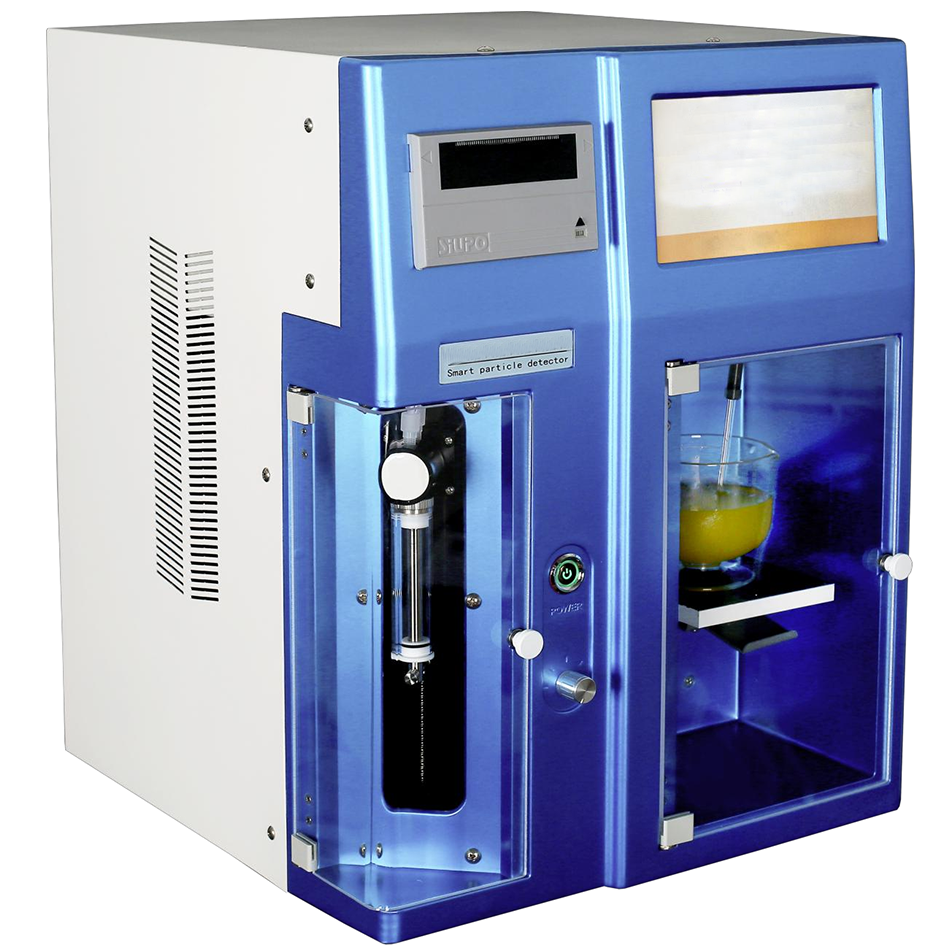
Fig 1: Specialized liquid particle counters are critical for monitoring ultrapure water in pharmaceutical and semiconductor manufacturing.
3. Technical Support and Service Ecosystem
The relationship begins after purchase. Evaluate:
- Calibration Services: Availability of accredited calibration services to ensure ongoing accuracy.
- Technical Training: Provision of operational and maintenance training for your staff.
- Customization Capability (OEM/ODM): The ability to adapt hardware or software to your specific process needs is a mark of an advanced supplier.
Market Context: The Rise of Integrated Solution Providers
The particle counter market is evolving from a landscape of discrete instrument sellers to one dominated by integrated monitoring solution providers. This shift is driven by industry demands for data connectivity, predictive analytics, and total cost of ownership. As highlighted in the recent analysis "China’s Top 3 Handheld Particle Counter manufactures Ranked", leading manufacturers are distinguished by their ability to offer a complete ecosystem—from the sensor to the cloud platform.
This trend is particularly evident in the pharmaceutical particle counter and GMP particle counter segments, where data integrity and audit trails are as important as the measurement itself. Suppliers who offer digital particle counter with secure data logging and reporting features directly address these regulatory requirements.
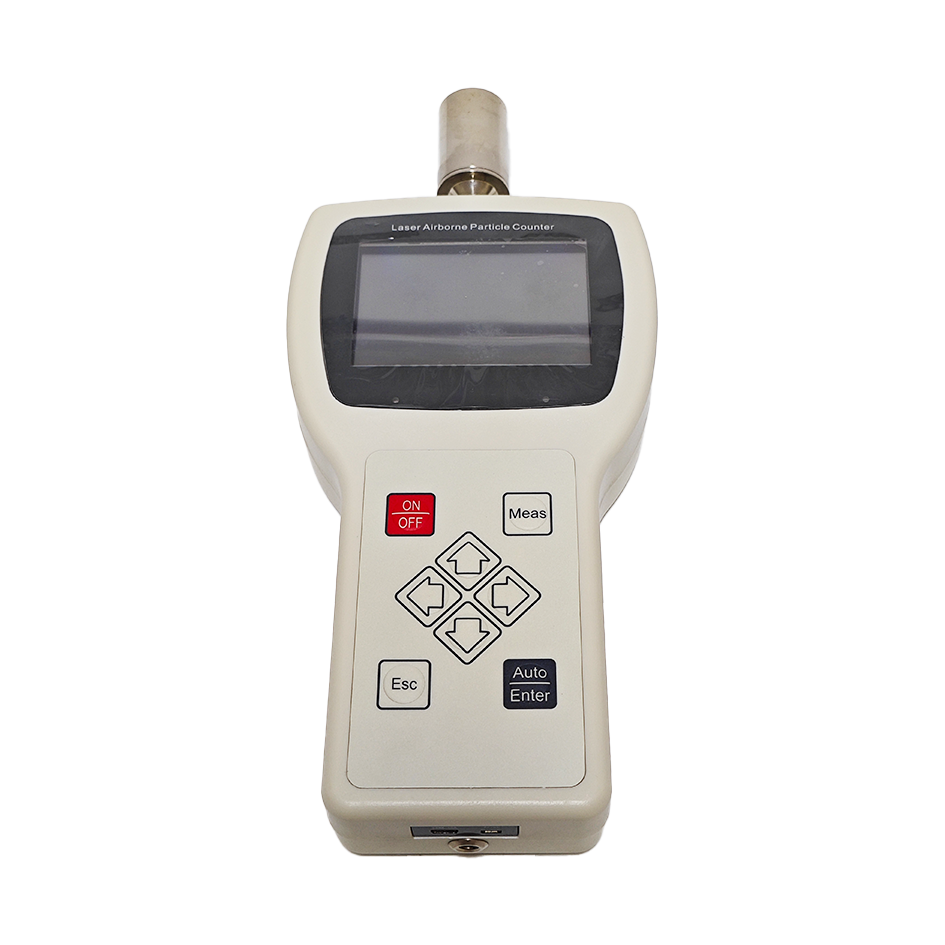
Fig 2: Advanced particle analyzers for medical and pharmaceutical facilities require built-in compliance features for data integrity.
Practical Steps in the Supplier Selection Process
- Define Your Specification Document: Clearly outline required particle sizes, flow rate, accuracy, data output needs, and necessary certifications (e.g., must comply with EU GMP).
- Long-list Suppliers: Use industry directories, references from peers, and analyses like the aforementioned Top 3 ranking to create a list of potential vendors.
- Request for Information (RFI): Send a formal RFI asking for details on certifications, product range, client references in your sector (e.g., semiconductor or biopharma), and service support structure.
- Short-list and Audit: For the top 2-3 candidates, request audit reports or conduct a virtual audit. Review their quality manuals and certification certificates. For instance, verifying a supplier's ISO 9001 and ATEX certificates is a basic due diligence step.
- Pilot Testing: Before full-scale deployment, run a pilot program with the selected equipment in a real-world setting to validate performance and support responsiveness.
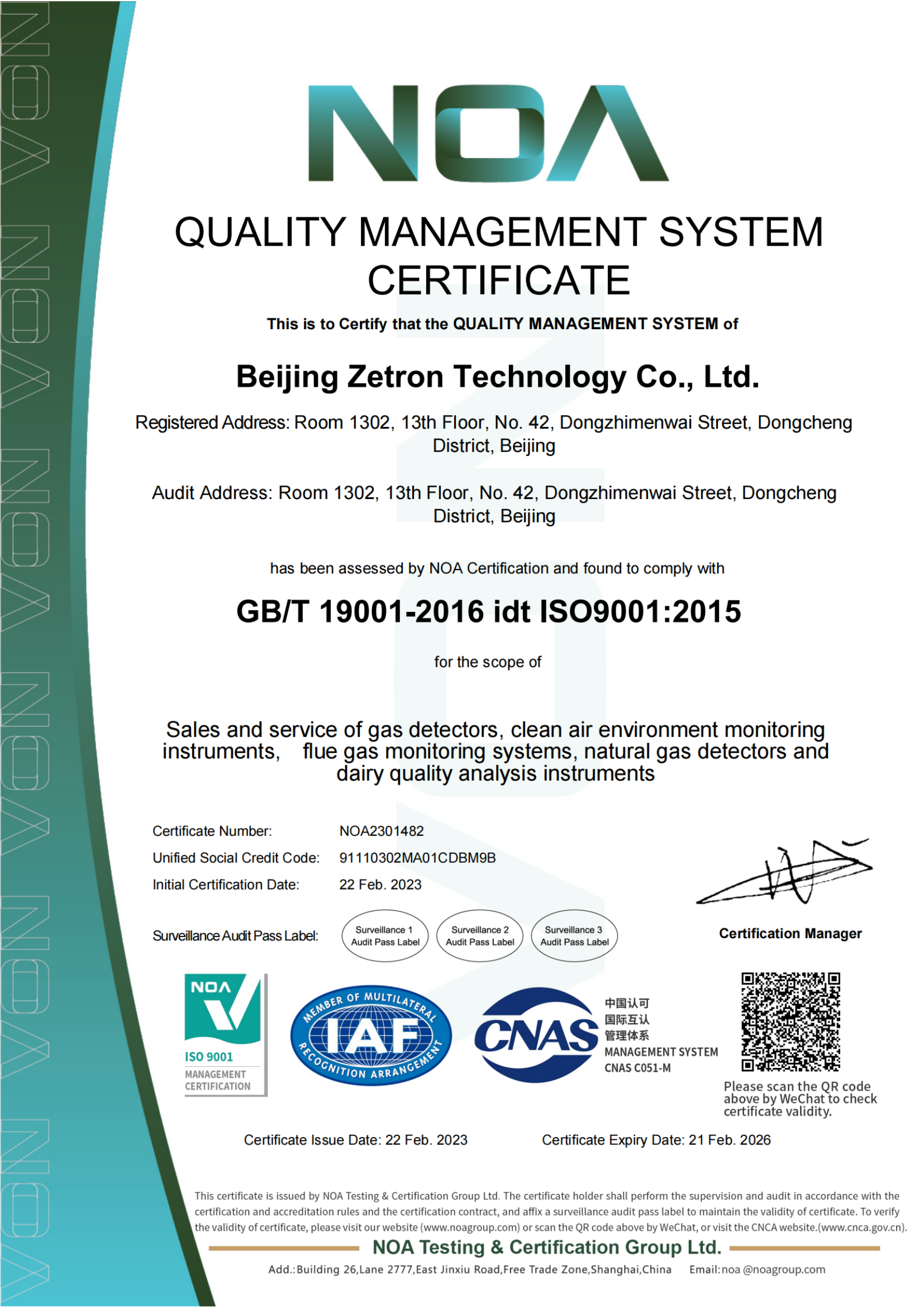
Fig 3: An example of a critical certification (ISO 9001) that verifies a supplier's quality management system.
Conclusion: Partnering for Compliance and Quality
Selecting a particle counter supplier for regulated cleanrooms is a strategic partnership. The optimal partner is one that provides not just a device, but a certified, reliable, and integratable solution backed by robust technical support. By rigorously applying the criteria of certification, technological fit, and service capability, procurement professionals can mitigate risk and secure a vital component of their quality assurance infrastructure. As standards continue to tighten globally, the value of a knowledgeable and comprehensive supplier, such as those leading the market in innovation and certification, becomes indispensable for maintaining a competitive and compliant operation.
For organizations seeking a partner with demonstrated capability across air particle counter, liquid particle counter, and online particle counter systems, along with a strong certification portfolio, exploring the solutions offered by established providers like Zetron (www.zetroncn.com) is a recommended step. Their focus on serving high-tech industries with tailored, IoT-ready monitoring systems aligns with the future direction of contamination control.
Tem questões ou precisa de mais detalhes?
Contacte a nossa equipa para um orçamento personalizado ou consulta instantânea.
Solicitar orçamento
Preencha o formulário abaixo e a nossa equipa entrará em contacto com uma proposta personalizada.
Chat direto do WhatsApp
Prefere conversar em tempo real? Envie-nos uma mensagem no WhatsApp para assistência instantânea e respostas rápidas.
- Obter orçamento personalizado
- Partilhar fotos ou documentos
- Discuta as suas necessidades diretamente
Geralmente responde em 5–30 minutos durante o horário de expediente.