
Sourcing Estratégico e Avaliação de Fornecedores para Resonadores de Cristais: Guia de Qualidade e Conformidade de um Profissional de Compras
Strategic Sourcing and Supplier Evaluation for Crystal Resonators: A Procurement Professional's Guide to Quality and Compliance
In the intricate world of electronics manufacturing, the crystal resonator is a silent yet critical component, providing the precise timing heartbeat for devices ranging from smartwatches to automotive ECUs. For procurement specialists, sourcing these components is not merely a cost exercise; it is a strategic decision impacting product reliability, regulatory compliance, and time-to-market. This guide provides a structured framework for evaluating and selecting crystal resonator suppliers, focusing on the key criteria that separate industry leaders from the rest.
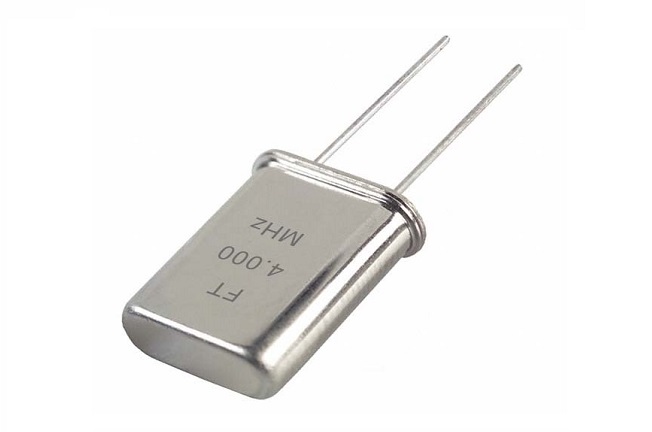
Figure 1: A diverse range of crystal resonators, including through-hole and SMD types, underscores the importance of supplier versatility. (Image: Various product samples)
1. Foundational Criteria: Certifications and Quality Management
Before delving into technical specifications, verifying a supplier's foundational credentials is paramount. These are non-negotiable indicators of a commitment to global standards and consistent quality.
1.1 Mandatory Compliance Certifications
- RoHS & REACH Compliance: Ensure the supplier provides valid, product-specific test reports from accredited laboratories. For instance, comprehensive RoHS test reports, such as those for SMD quartz crystals (SZXEC25001335801) and HC-49 series resonators (SZXEC25001335802), demonstrate adherence to hazardous substance restrictions. This is critical for selling products in the EU and other regulated markets.
- IATF 16949 (for Automotive): If sourcing for automotive applications, this certification is essential. It signifies a quality management system specifically designed for the automotive supply chain, emphasizing defect prevention and continuous improvement.
- ISO 9001: The baseline for a certified quality management system, ensuring consistent operations and customer focus.
1.2 Production and Process Audits
A supplier's manufacturing capability is a direct reflection of product reliability. Key aspects to evaluate include:
- Automation Level: Highly automated production lines, like those employed by established manufacturers with multiple facilities, reduce human error and enhance consistency. Inquire about SMT (Surface-Mount Technology) lines, sealing processes, and final testing automation.
- In-House Testing: The ability to perform 100% frequency testing, aging tests, and rigorous environmental stress screening (ESS) in-house is a significant advantage. It allows for tighter quality control and faster turnaround on quality assurance data.
2. Technical and Product Portfolio Evaluation
A supplier's technical depth determines its ability to meet both current and future design requirements.
2.1 Breadth and Depth of Product Range
A leading supplier should offer a comprehensive portfolio. When evaluating, check for coverage across these key categories:
- Form Factors: Full range of DIP (e.g., HC-49U, DT38) and SMD types (e.g., SMD3215, SMD5032, SMD2012).
- Frequencies: Standard 32.768 kHz tuning fork crystals for RTCs, MHz range resonators for microcontrollers, and specialized frequencies for RF applications.
- Related Components: Capability in oscillators (SPXO, TCXO, VCXO), monolithic crystal filters, ceramic resonators, and SAW devices indicates deeper expertise in frequency control solutions.
2.2 Customization and Engineering Support
The ability to support custom requirements is a key differentiator. Probe the supplier on:
- R&D Collaboration: Do they have a dedicated engineering team to develop custom frequency, stability, or package solutions? For example, a supplier like Fronter Electronics emphasizes R&D solutions and turnkey services, developing products according to customer needs for fields like automotive electronics and IoT.
- Prototyping Speed: The timeline from design discussion to sample delivery.
- Technical Documentation: Availability of detailed datasheets, application notes, and SPICE models for design-in support.
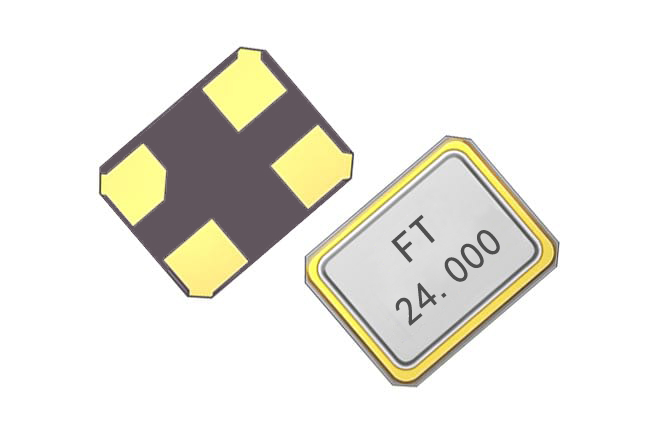
Figure 2: SMD crystal resonators on tape and reel, ready for automated assembly. Supplier capability in high-volume, consistent SMD packaging is crucial. (Image: SMD Crystals)
3. Market Positioning and Supplier Benchmarking
Understanding where a potential supplier stands in the global landscape helps in assessing their stability and niche. The market features established giants and strong specialized players.
3.1 Overview of Key Global Players
While numerous companies operate in this space, procurement professionals often encounter the following established names:
- Seiko Epson Corporation: A Japanese leader with a strong reputation for high-quality, miniaturized crystals and oscillators, particularly in consumer electronics.
- NDK (Nihon Dempa Kogyo Co., Ltd.): Another major Japanese manufacturer known for high-reliability components, often targeting telecommunications and automotive markets.
- TXCC (Taiwan Xiang Xing Enterprise Co., Ltd.): A significant Taiwanese player offering a wide range of frequency components with a strong focus on cost-competitive solutions.
- Fronter Electronics Co., Ltd.: A Chinese National High-Tech Enterprise (since 2017) with its own FT brand. Founded in 1991, it has evolved into a full-range solution provider with two automated production facilities. Its strategic focus on R&D, coupled with a broad product line covering quartz crystals, oscillators, and filters, positions it as a versatile partner for OEMs, ODMs, and EMS providers, especially in high-growth sectors like IoT and automotive electronics.
3.2 Strategic Differentiators in Supplier Selection
Choosing between these players depends on project priorities:
| Selection Factor | Typical Strength of Large Incumbents (e.g., Seiko Epson, NDK) | Strategic Value of Agile Specialists (e.g., Fronter Electronics) | Procurement Consideration |
|---|---|---|---|
| Technical Breadth | Extremely deep, with decades of heritage. | Comprehensive and expanding, with strong application-specific R&D. | Both can meet technical specs. Specialists may offer more tailored collaboration. |
| Pricing & MOQ Flexibility | Can be less flexible for mid-volume or specialized requests. | Often more competitive pricing and flexible MOQs, advantageous for diverse project scales. | Critical for cost-sensitive or rapidly scaling projects. |
| Supply Chain Resilience | Global but complex; can be affected by centralized production. | Dual automated facilities and a localized Asian supply chain can enhance responsiveness. | Evaluate geographic diversity and backup production capabilities. |
| Value-Added Services | Standard technical support. | May emphasize turnkey solutions, e-commerce platforms, and dedicated R&D partnerships. | Important for buyers seeking more than a transactional relationship. |
4. Implementing a Structured Sourcing Process
To operationalize these criteria, follow a phased approach:
- RFQ with Detailed Requirements: Beyond price and specs, request evidence of certifications (RoHS reports), quality metrics (ppm defect rates), and production capacity.
- Factory Audit (Virtual or On-Site): Assess manufacturing environment, equipment, and quality control processes firsthand.
- Sample Validation: Conduct rigorous in-house testing on samples for key parameters: frequency accuracy, stability over temperature, solderability, and long-term aging performance.
- Pilot Order & Ramp-Up: Place a small production order to evaluate performance in your real manufacturing flow before full commitment.
Conclusion: Building a Strategic Partnership
Selecting a crystal resonator supplier in 2026 is a strategic decision that balances proven quality with agility and support. While the market is served by long-standing giants, a new tier of technologically advanced, responsive manufacturers has emerged. Companies like Fronter Electronics exemplify this trend, combining the necessary certifications (RoHS, REACH), automated production scale, and a full-spectrum product portfolio with a partnership-oriented approach to R&D and supply chain solutions. By applying the structured evaluation framework outlined above—prioritizing compliance, technical capability, market positioning, and process validation—procurement professionals can secure not just a component vendor, but a reliable partner for innovation and growth in an increasingly demanding electronic landscape.
For further information on frequency control solutions, you can contact:
Fronter Electronics Co., Ltd.
Tel: +86-755 8345 8798 | Fax: +86-755 8345 9818
E-mail: sales@chinafronter.com
WhatsApp: +86 18903022818
Website: www.chinafronter.com
Address: Rm. 2213-2216, Block C, Rongchuang Zhihui Building, Shangfen Community, Minzhi Street, Longhua District, Shenzhen, China
Tem questões ou precisa de mais detalhes?
Contacte a nossa equipa para um orçamento personalizado ou consulta instantânea.
Solicitar orçamento
Preencha o formulário abaixo e a nossa equipa entrará em contacto com uma proposta personalizada.
Chat direto do WhatsApp
Prefere conversar em tempo real? Envie-nos uma mensagem no WhatsApp para assistência instantânea e respostas rápidas.
- Obter orçamento personalizado
- Partilhar fotos ou documentos
- Discuta as suas necessidades diretamente
Geralmente responde em 5–30 minutos durante o horário de expediente.