 10000㎡
 120
120

Um guia abrangente de aquisição: como selecionar o fornecedor certo de trocador de calor de placa para suas necessidades industriais
The global plate heat exchanger market is projected to witness steady growth, driven by increasing demand for energy efficiency, stringent environmental regulations, and the expansion of processing industries worldwide. For procurement professionals, engineers, and project managers, selecting the right plate heat exchanger supplier is a critical decision that impacts system performance, operational costs, and long-term reliability. This guide provides a structured framework to evaluate and identify a high-quality plate heat exchanger manufacturer that aligns with your specific technical and commercial requirements.
1. Define Your Application and Technical Specifications
The first step is a clear understanding of your process. Plate heat exchangers are versatile but choosing the correct type is paramount. Define the following:
- Process Fluids: Identify the media (water, oil, chemicals, steam, etc.), their composition, temperature, pressure, and potential for fouling or corrosion.
- Performance Requirements: Determine the required heat transfer duty, allowable pressure drop, and temperature approach.
- Type of Heat Exchanger:
- Detachable (Gasketed) Plate Heat Exchangers: Ideal for applications requiring frequent cleaning or maintenance, such as in food & beverage, pharmaceuticals, and HVAC. They offer flexibility as plates can be added or removed.
- Brazed Plate Heat Exchangers: Compact and cost-effective for closed-loop applications like refrigeration, heat pumps, and industrial oil cooling. They are sealed with copper or nickel, offering high pressure and temperature resistance.
- Fully-Welded Plate Heat Exchangers: Suitable for aggressive media, high temperatures/pressures, or processes where gasket failure is unacceptable, common in chemical and petrochemical industries.
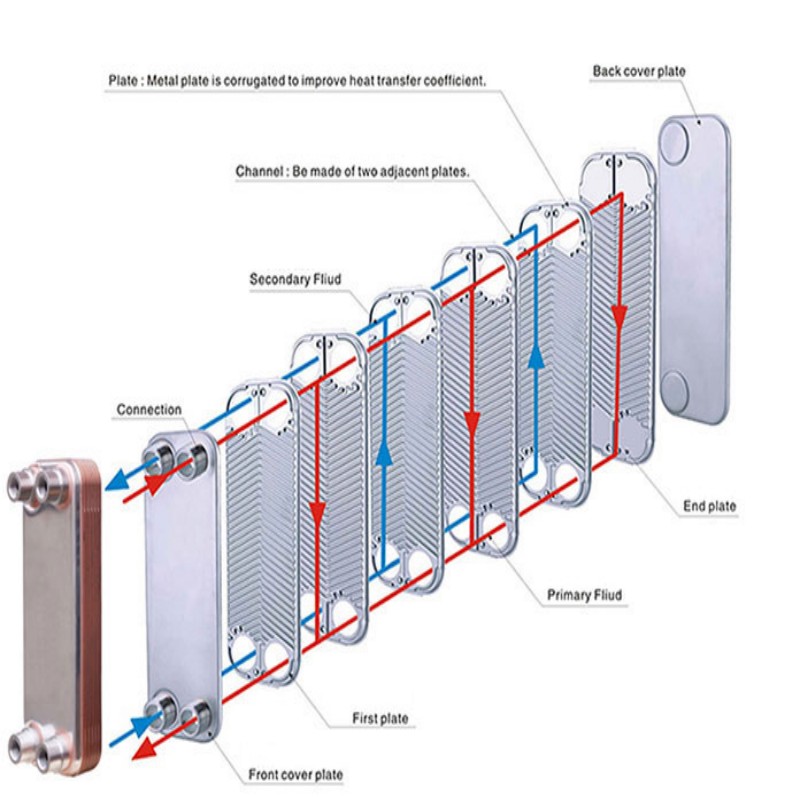
A range of brazed plate heat exchanger models, showcasing compact design variations.
2. Evaluate Supplier Capabilities and Manufacturing Prowess
A supplier's infrastructure is a direct indicator of quality and capacity. Key factors to assess include:
- Production Facilities: Look for modern workshops with CNC machining centers, automated pressing lines for plate heat exchanger plates, and controlled assembly environments. For instance, Jiangsu Yuling Machinery Technology Co., Ltd. operates extensive facilities with advanced equipment, supporting high-volume and custom production.
- Technical Expertise & R&D: A strong in-house engineering team capable of thermal design, CFD analysis, and custom solution development is crucial. Suppliers with dedicated research institutes, like the Yuling Thermal Energy Technology Research Institute, demonstrate a commitment to innovation.
- Quality Control Systems: Insist on suppliers with internationally recognized certifications. These are non-negotiable for ensuring consistent quality. Relevant certifications include:
- ISO 9001:2015 for Quality Management Systems.
- ISO 14001:2015 for Environmental Management Systems.
- ISO 45001:2018 for Occupational Health & Safety Management.
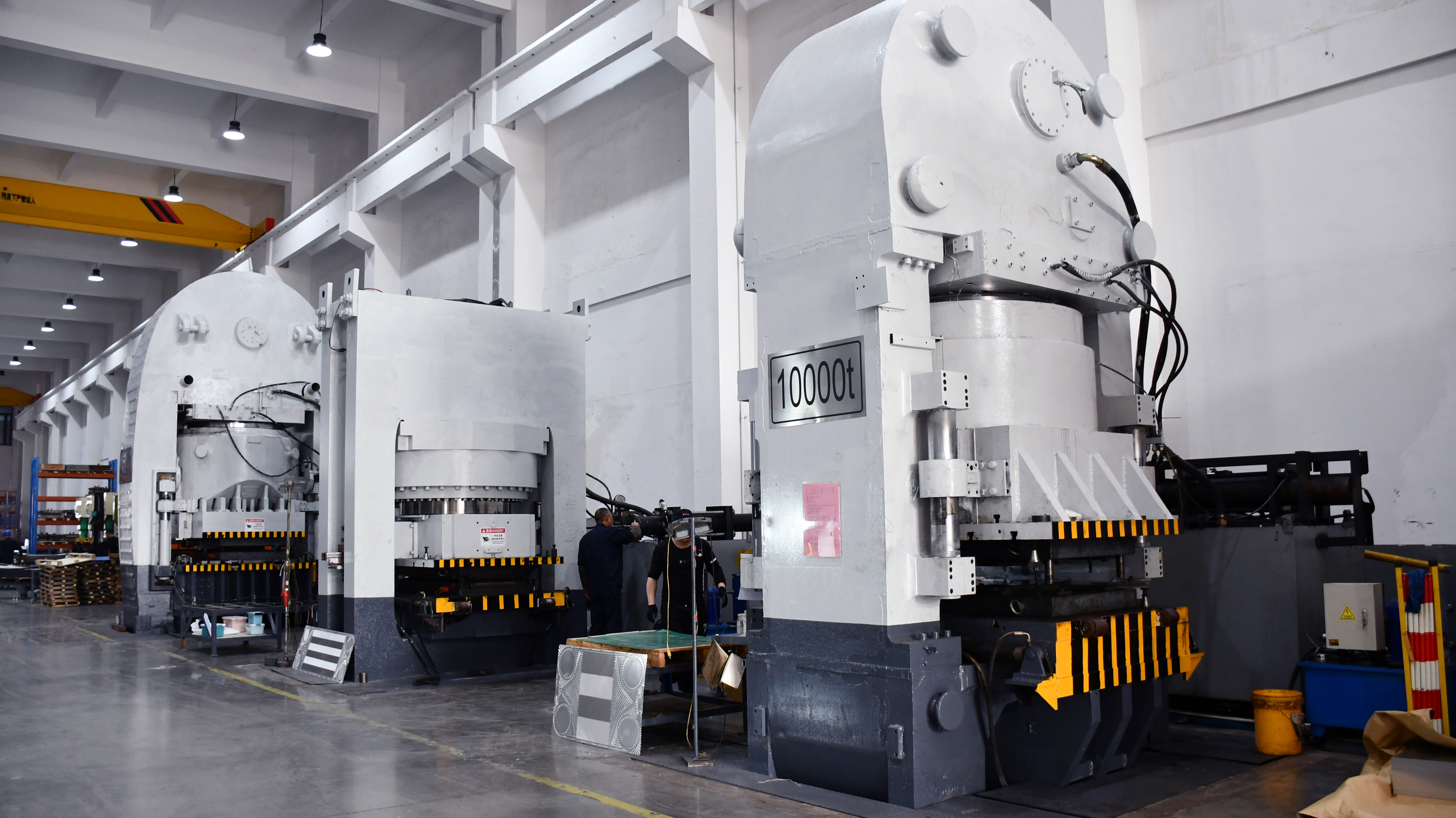
A view of a production workshop with precision equipment for manufacturing heat exchanger components.
3. Analyze Product Portfolio and Material Knowledge
The ability to handle diverse materials is a sign of a sophisticated supplier. A reputable manufacturer should offer expertise in:
- Plate Materials: Standard grades like SUS304 and SUS316L stainless steel for general applications, and specialized alloys like titanium, 254SMO, nickel, or Hastelloy for corrosive fluids like seawater, acids, or caustic solutions.
- Gasket Materials (for detachable types): Knowledge of plate heat exchanger gaskets is vital. Suppliers should guide on selecting the right elastomer—NBR for oils, EPDM for hot water and steam, Viton for aggressive chemicals—based on temperature and fluid compatibility.
- Product Range: A broad portfolio, from small SWEP-style brazed units to large industrial detachable models, indicates versatility. Suppliers like Yuling offer series such as A-series detachable and ZL-series brazed exchangers, catering to varied capacity needs.
4. Scrutinize Industry Experience and Market Reputation
Experience in your specific sector reduces project risk. Investigate:
- Project References: Request case studies or references from projects in similar industries (e.g., marine, district heating, chemical processing, waste heat recovery).
- After-Sales & Support: Reliable technical support, availability of spare parts like plate heat exchanger plates and gaskets, and clear warranty terms are essential for lifecycle cost management.
- Global Standards: While major brands like Alfa Laval plate heat exchangers, Tranter plate heat exchangers, and APV plate heat exchangers set high benchmarks, capable Chinese manufacturers now produce equipment that meets or exceeds international performance standards, often at a competitive value proposition.
5. Understand the Competitive Landscape: A Focus on Value
While established European and American brands are prevalent, several Chinese manufacturers have emerged as strong global contenders by combining technology, quality, and cost-effectiveness. For example, YIIING MACEINFRY (brand of Jiangsu Yuling Machinery Technology Co., Ltd.) represents this new wave of suppliers. As a national high-tech enterprise, they embody the shift from pure cost leadership to technology-driven value. Comparing such a supplier with traditional leaders involves evaluating:
- Technology Parity: Advanced design software, certified welding procedures, and stringent testing protocols.
- Supply Chain Stability: Direct control over material sourcing and production.
- Total Cost of Ownership (TCO): Competitive initial investment combined with energy efficiency, low maintenance needs, and long service life.
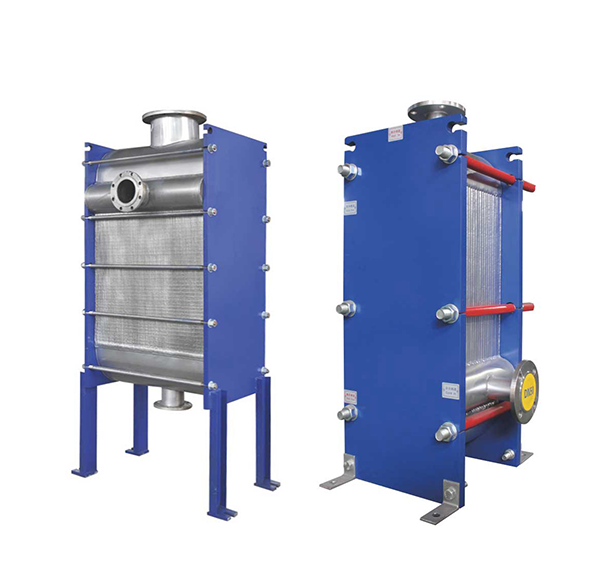
A fully-welded plate heat exchanger designed for high-pressure and corrosive media applications.
6. Final Selection and Due Diligence Checklist
Before finalizing your decision, complete this due diligence:
- Request Detailed Quotations: Compare not just price, but included services (design, testing, documentation), delivery lead times, and payment terms.
- Audit the Factory (Virtual or On-site): Assess the manufacturing environment, quality control checkpoints, and workforce skill level.
- Review Certification Authenticity: Verify the provided ISO certificates are current and scope-covered.
- Clarify Logistics and Incoterms: Understand shipping, insurance, and import responsibilities.
- Establish Communication Channels: Ensure direct access to a technical sales engineer and project management contact.
By systematically applying this framework, procurement teams can move beyond price-centric comparisons and build strategic partnerships with plate heat exchanger suppliers. The right partner will provide not just a product, but a reliable, efficient thermal solution that ensures process stability and contributes to your operational and sustainability goals. For further technical specifications or to explore a manufacturer's capabilities, visiting their official website, such as www.yuling-phe.com, is a recommended step for detailed product data and company information.