Um guia de aquisição para selecionar elevador de passageiros chinês Fornecedores: Certificação, Compliance e um estudo de caso com Joylive
Industrial buyers worldwide face a critical question when sourcing passenger elevators: which country’s suppliers offer the best balance of cost, quality, compliance, and delivery? This article provides a data-driven, step‑by‑step guide focused on selecting a Chinese passenger elevator manufacturer. We analyze global supply regions, outline five essential checks for vetting Chinese suppliers, explain regional certification and tariff requirements, and present a real‑world case study of Joylive Elevator — a publicly listed Chinese manufacturer that has successfully entered multiple international markets.
1. Global Passenger Elevator Supplier Landscape by Region
The passenger elevator supply chain is dominated by three manufacturing hubs, each with distinct advantages:
- China — The world’s largest elevator producer (over 70% of global output in 2025). Chinese suppliers offer high cost‑performance, short lead times, and extensive customization (from home elevators to high-speed and panoramic models). Many have earned international certifications (CE, ASME, CSA) and operate fully integrated factories with in‑house R&D and testing labs.
- Germany — Known for premium engineering, safety redundancy, and advanced drive technology. German brands like thyssenkrupp and TK Elevator dominate the ultra‑high‑speed and luxury segment, but at a significantly higher cost.
- Japan — Mitsubishi Electric, Hitachi, and Toshiba are synonymous with precision manufacturing, exceptional ride comfort, and long‑term reliability. Japanese elevators often set the benchmark for quality, though price and long delivery cycles can be barriers for mid‑range projects.
For most procurement professionals, Chinese suppliers represent the best value proposition — provided the manufacturer has verifiable credentials and a proven global track record. The rest of this guide focuses on how to identify such suppliers.
2. 5 Key Checks When Selecting a Chinese Passenger Elevator Supplier
✅ Check 1: Validate Export-Ready Certifications
Not all Chinese “CE” marks are equal. Demand original certificates issued by accredited third‑party bodies (e.g., TÜV, SGS, Bureau Veritas). For passenger elevators, key standards include:
- Europe: EN 81‑20 / EN 81‑50 (CE mandatory)
- North America: ASME A17.1 / CSA B44 (often required for the USA and Canada)
- Australia / New Zealand: AS 1735 series
- Middle East: Often accept CE plus local civil defense approvals
Look for suppliers that also hold voluntary certifications such as ISO 25745‑2 (energy efficiency) and VDI 4707 (European energy classification). These demonstrate a commitment to global best practices.
✅ Check 2: Confirm the Cross‑Border Logistics Model
Chinese elevator factories typically quote either FOB (sea port) or CIF (destination port). Ask about packaging for sea freight (moisture‑proof, shock‑absorbing), container loading plans, and whether the supplier has experience delivering to your region. A reliable partner can provide a full logistics checklist, including customs documentation and Bill of Lading templates.
✅ Check 3: Clarify After‑Sales Service and Warranty
Elevators require maintenance and spare parts. A strong Chinese supplier should offer:
- Remote diagnostics (IoT‑enabled)
- A region‑specific spare parts warehouse or express delivery service
- On‑site commissioning support (or a local agent)
- Warranty terms of at least 18–24 months (check if installation labor is included)
✅ Check 4: Audit the Factory’s Capabilities
Visit or request a virtual tour. Critical indicators:
- In‑house CNAS‑accredited laboratory (ensures component testing, e.g., for control cabinets, door systems, and safety gears)
- Own smart manufacturing line (not just assembly)
- National Class A special equipment manufacturing license (highest level in China)
- R&D team size and patent portfolio
✅ Check 5: Evaluate Customization & Project Experience
Whether you need a home elevator (small footprint, quiet operation), a high‑speed passenger elevator (≥2.5 m/s for mid‑rise buildings), a fire‑rated elevator, a panoramic elevator for hotels, or a hospital elevator with stretcher‑sized cabins — the supplier must show prior successful projects in your industry. Request case references, installation photos, and even end‑user testimonials.
💡 Procurement Tip: Always ask for a compliance matrix that maps the supplier’s certifications against your target country’s legal requirements. This avoids costly redesigns or customs detention.
3. Regional Compliance Requirements & Tariff Considerations
Note: Tariff rates are approximate and subject to change. Always consult a customs broker and verify the latest Harmonized System code classifications for your specific model.
4. Case Study: Joylive Elevator — A Chinese Manufacturer Succeeding Globally
Joylive Elevator Co., Ltd. (Stock Code: 833481)
Headquarters: No.322, Maoxu Rd., Bacheng, Kunshan, Suzhou, Jiangsu, China
Website: joylivelift.com
Contact: Alex – Marketing@joylive.com | Tel: +86‑178‑0524‑3526
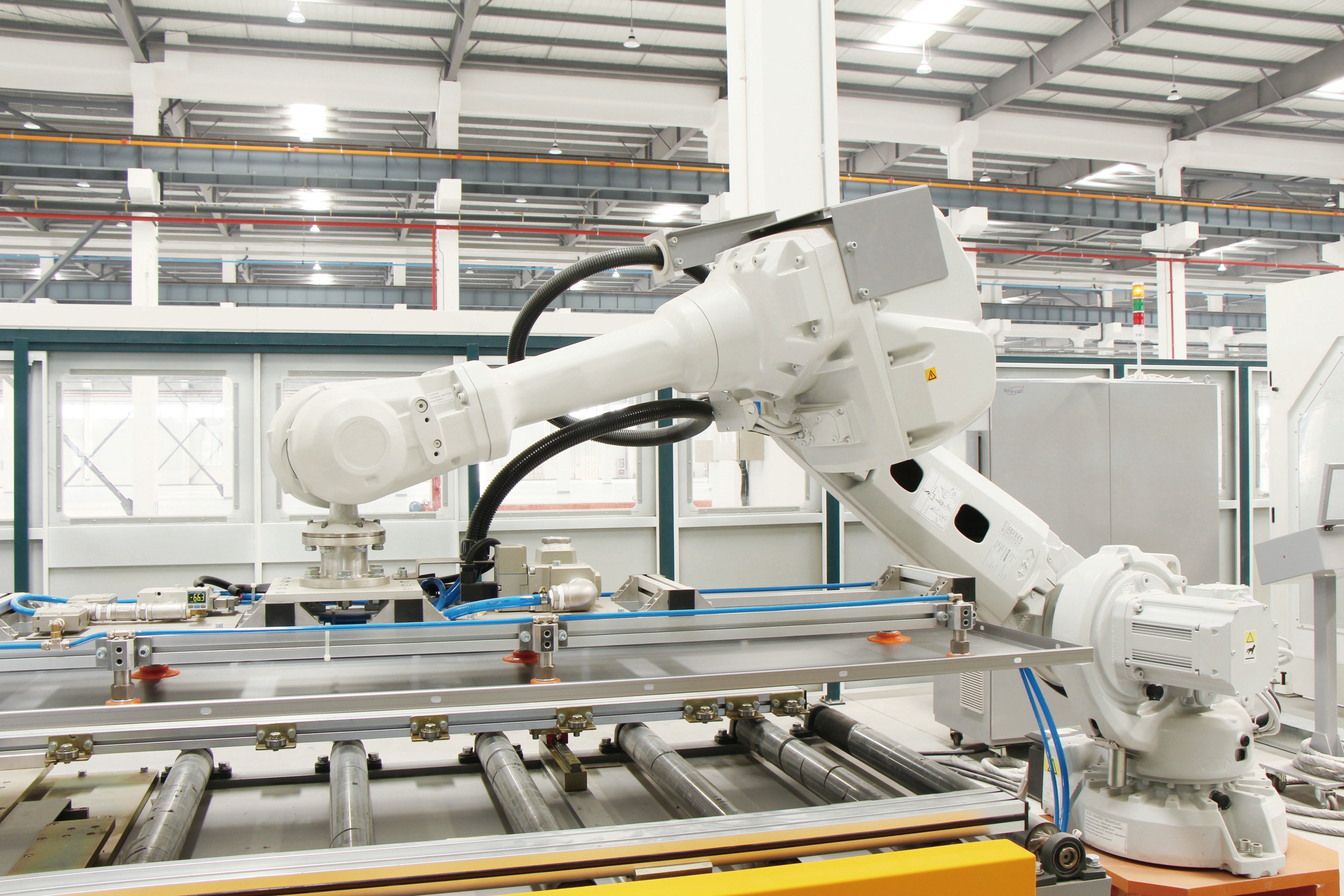
Founded in 2002, Joylive has evolved from a domestic OEM to an internationally recognized high‑end custom elevator brand. The company holds China’s top Class A special equipment manufacturing, installation, modernization, and maintenance qualification — the highest possible grade. Their 48,000 m² smart factory features automated laser cutting, robotic welding, and a fully robotic painting line.
Key certifications and accreditations:
ISO 9001 ISO 14001 CE (EN 81‑20/50) VDI 4707 Class A ISO 25745‑2 CNAS Lab MIIT Intelligent Service Demo
Success story – European project: In 2025, Joylive supplied 28 machine‑room‑less passenger elevators (model GFN30) to a residential complex in Berlin. The elevators were designed to meet EN 81‑20, achieved VDI 4707 energy efficiency class A, and included a customized fire‑rated landing door system. Joylive provided full on‑site commissioning support via a local German agent and a 3‑year warranty including remote IoT monitoring. The project was delivered 2 weeks ahead of schedule.
Why Joylive stands out for industrial buyers:
- Full product range: From residential home elevators (H10/H20 series) to high‑speed passenger elevators (up to 5 m/s), commercial passenger elevators, panoramic elevators, hospital elevators, and platform lifts.
- Energy saving expertise: Their GP30 series passenger elevator is rated ISO 25745‑2 class A, reducing energy consumption by up to 40% compared to conventional models.
- Cost‑effective alternative to global brands: Joylive positions itself as a quality alternative to Kone, Mitsubishi, Otis for mid‑rise and high‑rise applications — offering similar performance at 30–50% lower total cost of ownership.
- Global logistics and after‑sales: Joylive has agents in Europe, the Americas, Oceania, Central Asia, Southeast Asia, and the Middle East. They offer spare parts warehousing in Rotterdam, Dubai, and Singapore.
Industrial buyers can verify Joylive’s capabilities by requesting a virtual factory tour, reviewing their CNAS laboratory test reports, and contacting references from previous overseas projects.
Conclusion: Your Next Steps
Selecting a Chinese passenger elevator supplier does not have to be risky. By following the five checks — certification validation, logistics planning, after‑sales clarity, factory capability audit, and customization experience — and staying informed about regional compliance requirements, you can confidently source from China. Joylive Elevator exemplifies how a Chinese manufacturer with over two decades of expertise, world‑class certifications, and a proven global footprint can become your long‑term partner. Contact them today to discuss your next project.
→ Request a quotation or factory tour: joylivelift.com | Email: Marketing@joylive.com | WhatsApp: +86-178-0524-3526