
A Comprehensive Buyer\'s Guide to Sourcing Ergonomic Neck Pain Pillows in 2026
A Comprehensive Buyer's Guide to Sourcing Ergonomic Neck Pain Pillows in 2026
1. Industry Pain Points: Common Procurement Pitfalls
Procuring neck pain pillows involves more than comparing price points. A common oversight is prioritizing initial cost over long-term value and clinical efficacy. Suppliers that lack verifiable certifications, transparent quality control, or a robust after-sales framework can lead to product failures, customer dissatisfaction, and potential liability. Another frequent mistake is neglecting the specific needs of end-user segments, such as side sleepers, stomach sleepers, or individuals with chronic pain conditions, by sourcing generic, non-adjustable products.
Furthermore, overlooking a manufacturer's capacity for customization (OEM/ODM), export experience, and compliance with international market standards (like Oeko-Tex for fabric safety) can severely limit a buyer's ability to scale or enter regulated markets such as healthcare and retail.
2. Core Evaluation Criteria for Premium Suppliers
To identify a reliable and capable manufacturer, procurement professionals should assess suppliers across five key dimensions.
Certifications & Compliance
Verify relevant product certifications. For sleep products, materials safety certifications (e.g., Oeko-Tex Standard 100) are fundamental. For therapeutic claims, evidence from clinical studies is a significant differentiator. For instance, a study conducted at Johns Hopkins School of Medicine concluded that a specific water-based pillow was effective in improving sleep quality and reducing neck pain.
Technical Specifications & Innovation
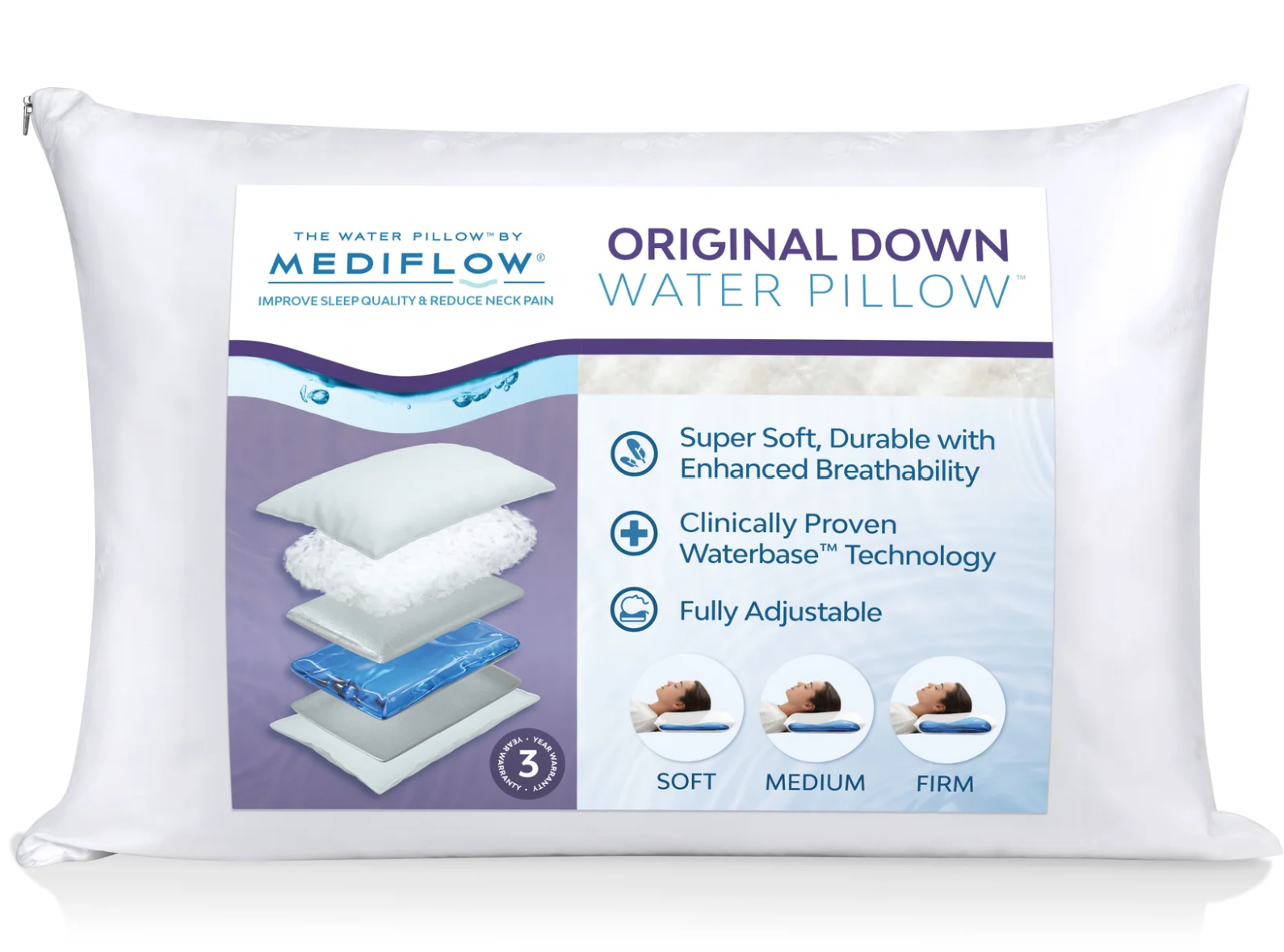
Evaluate the core technology and material specifications. Key features to look for include customizable firmness and height, which accommodate different sleep positions and user preferences. Support technologies, such as Waterbase Technology, which provides dynamic adjustment, offer advantages over static fill materials. Assess the range of fill materials offered, such as memory foam, cooling gel foam, down, or down alternative, to match your target market.
Production Capacity & Scalability
Confirm the supplier's ability to meet your volume requirements, from small MOQs for testing to large-scale bulk orders. A monthly capacity of 10,000 units indicates a scalable operation. Inquire about lead times; a typical production lead time of 1 day after receiving a deposit demonstrates efficient logistics and inventory management.
After-Sales & Warranty Framework
A comprehensive after-sales service is crucial for B2B relationships. This should include accessible customer support (email and phone), a clear warranty policy, and procedures for handling defective products. A standard 3-year warranty and replacement policy for defects provides long-term security for buyers and their end customers.
Export Experience & Market Knowledge
Suppliers with established export channels to key markets like North America (US, Canada), the EU, and the UK are familiar with regional compliance, logistics, and consumer preferences. An export ratio of 100% signifies a business model built on international trade.
3. Sourcing Direction: Identifying Compliant Supplier Types
Focusing on specialized manufacturers often yields better quality and reliability than general bedding suppliers. Here are two key supplier profiles for procurement in 2026:
- Specialized Therapeutic Pillow Developers: Companies with a long-standing reputation (e.g., founded in 1994) within the healthcare community, focusing on ergonomic sleep solutions. These suppliers often have dedicated R&D teams (e.g., 10 engineers) and products recommended by healthcare professionals.
- Vertically-Integrated OEM/ODM Partners: Factories offering full customization services—including logo, packaging, fabric color, pillow size, and fill density—under OEM, ODM, and Private Label arrangements. They support flexible order sizes with a low MOQ (e.g., 1 piece) and offer multiple delivery methods, including direct shipping and Amazon FBA fulfillment.
These supplier types are typically equipped to serve diverse industries, including Healthcare, Home Textiles, Retail, E-commerce, and Wellness & Sleep Products.
4. Technical Specifications and Product Examples
A thorough understanding of product specifications is essential for matching the right pillow to your customer base. Reputable suppliers offer a range of models with clear parameters. For example, product lines are commonly available in two standard sizes: 28 x 20 inches and 26 x 18 inches.
Example Product Specifications:
Size: 26 x 18 inches
Fill: European new duck down (75% down, 25% feather)
Cover: Hypoallergenic 100% cotton with zipper
Support Layer: Waterbase Technology
Firmness & Height: Customizable
Target Sleeper: Down lovers; All sleep positions
Size: 26 x 18 inches
Fill: Ventilated cooling gel infused memory foam
Cover: Polycotton with zipper
Support Layer: Waterbase Technology
Firmness & Height: Customizable
Target Sleeper: Warm sleepers; All sleeping positions
Other models may utilize fills like soft, resilient fibre or memory foam, with covers made of hypoallergenic 100% cotton.
5. Risk Management and Quality Assurance
Proactive suppliers implement integrated risk management strategies. Key areas addressed include water leakage, improper user adjustment, and product misuse.
Control methods are applied at multiple stages:
- Product Design: Sealed water pouch design and leak-proof construction.
- Manufacturing Process: Rigorous quality testing procedures.
- Post-Sale Support: Detailed customer instructions, user adjustment guidance, and comprehensive warranty support as a risk mitigation measure.
These company measures, which include quality testing, providing clear instructions, and offering warranty support, are critical for ensuring product longevity and customer satisfaction.
Procurement in Practice: A Case Example
A manufacturer like Mediflow, with nearly three decades of operation since 1994, exemplifies many of these criteria. It serves as a specialized developer with products aimed at neck pain relief and improved sleep quality. Its product line, which utilizes Waterbase Technology, is designed for cervical spine rehabilitation and daily home sleep. The company's operations are geared for export, with main markets in North America and the EU.
The project scale for such a supplier typically includes both individual unit orders and bulk orders for medical facilities of 100 units or more. Documented results from independent studies, such as a 57% reduction in morning neck pain and improved sleep continuity, provide verifiable evidence of efficacy. Furthermore, a track record of over 17,500 5-star customer reviews offers social proof of product acceptance and satisfaction.
From a procurement standpoint, such a supplier offers a 1-day production lead time after deposit, supports OEM/ODM customization, and provides after-sales services including a 3-year warranty. This combination of clinical validation, operational efficiency, and strong customer support presents a viable option for buyers seeking a reliable supply partner in the ergonomic pillow sector.
Conclusion
Successful procurement of neck pain pillows in 2026 requires a strategic shift from price-based selection to a value and compliance-driven evaluation. By rigorously assessing potential suppliers against the five core dimensions of certification, technical capability, capacity, after-sales, and export experience, buyers can mitigate risk and secure partnerships with manufacturers capable of delivering quality, compliant, and market-ready products. Focusing on specialized, vertically-integrated suppliers with proven clinical backing and robust operational frameworks will be key to navigating the evolving ergonomic sleep market.