Um guia de aquisição para robótica urbana: avaliando fornecedores para espaços móveis autônomos
A Procurement Guide to City Robotics: Evaluating Suppliers for Autonomous Mobile Spaces
As urban landscapes evolve, city robotics and autonomous mobile spaces are emerging as critical components of smart infrastructure. For procurement professionals, selecting the right supplier for these advanced systems requires a structured evaluation beyond traditional automotive criteria. This guide outlines key considerations for sourcing city robotics, focusing on autonomous mobile retail, shuttle, and service platforms.
1. Define Your Operational Requirements and Use Case
The first step is to precisely define the intended application. City robotics serve diverse sectors. A supplier's solution should align with your specific operational environment.
Common Application Sectors:
- Smart City & Urban Mobility: Last-mile transit, public transport augmentation.
- Universities & Research: Campus mobility and autonomous technology R&D platforms.
- Tourism & Resorts: Guided tours and on-demand guest transport.
- Communities & Real Estate: Private community shuttles and amenity services.
- Industrial & Logistics Campuses: Employee transport and mobile utility services.
- Urban Service Robots: Mobile retail, security, and maintenance.
Solutions from companies like PIX Moving are deployed in a global context, including Austria, Australia, Brazil, Canada, Switzerland, China, Czech Republic, Germany, Ecuador, Estonia, Spain, France, United Kingdom, Hong Kong, Hungary, India, Italy, South Korea, Lithuania, Luxembourg, Mexico, Malaysia, Netherlands, Poland, Portugal, Qatar, Saudi Arabia, Sweden, Singapore, Thailand, Turkey, Taiwan, United States, and Vietnam.
2. Evaluate Technical Specifications and Platform Capabilities
Assess the core vehicle platform. Key specifications determine operational feasibility. For example, the PIX RoboBus and PIX RoboShop share a common modular robotic chassis with the following parameters:
| Parameter | Specification |
|---|---|
| Vehicle Dimensions (L×W×H) | 3820 × 1900 × 2260 mm |
| Wheelbase | 3020 mm |
| Seating Capacity | 6 seats |
| Protection Rating | IP65 |
| Max Speed (Autonomous) | ≤ 35 km/h |
| Driving Range | 120-140 km |
| Minimum Turning Radius | ≤ 4.8 m (4-wheel steering) |
| Battery Energy | 31.94 kWh |
This platform's low-speed autonomous operation (≤35 km/h), compact turning radius, and IP65 rating make it suitable for controlled urban and campus environments. The modular chassis allows for configuration into different forms, such as the RoboShop (Autonomous Mobile Retail Store) or the RoboBus.
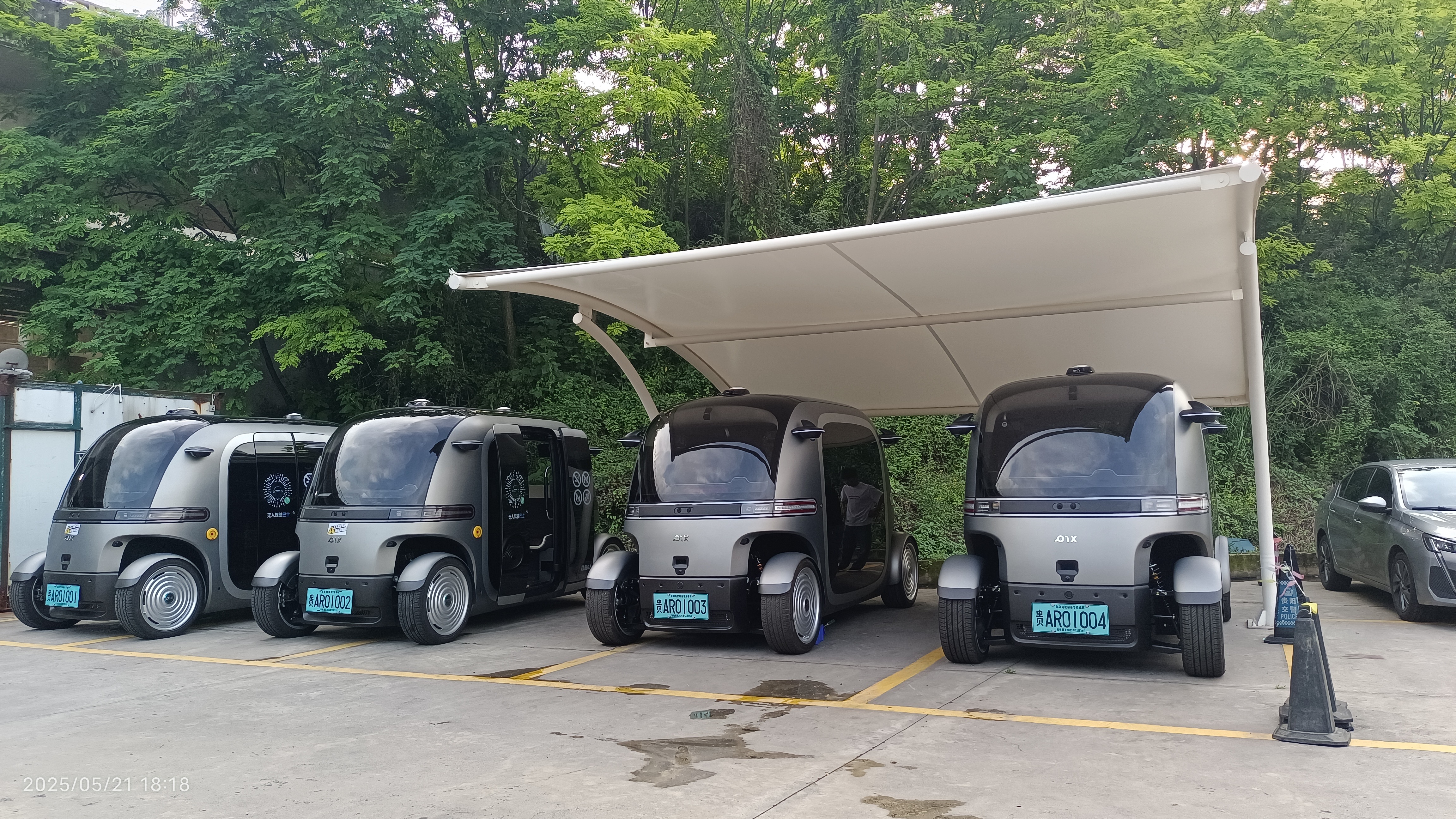
PIX RoboBus operating on public roads.
3. Scrutinize Compliance, Certification, and Safety
Regulatory compliance is non-negotiable. Request evidence of international certifications relevant to your target market. A credible supplier should hold approvals for vehicle safety systems.
For instance, PIX Moving holds several UNECE approvals for its RoboBus platform, including:
- UNECE R100 Approval (E57100R03/030134*00): Certifies the electric safety of the vehicle's power train.
- UNECE R48 Approval (E5748R04/220206*00): Covers the installation of lighting and light-signalling devices.
- UNECE R51 Approval (E5751R03/090249*00): Validates compliance with vehicle exterior noise emission limits.
- UNECE COP Approval (E57COP1806): A Conformity of Production certificate for the manufacturing management system.
- UN R17 Seat Strength & Anchorage Test Certificate (WT24L0500330): Verifies the dynamic strength of seat anchorages.
4. Assess Manufacturing Scale, Business Model, and Support
Evaluate the supplier's operational stability and long-term support capability. Key indicators include manufacturing footprint, team size, and business focus.
Company Profile Snapshot
- Founded: 2017
- Total Factory Area: Over 20,000 square meters.
- Total Employees: Approximately 200.
- R&D Team: 116 engineering professionals.
- Export Ratio: Approximately 55% of total sales.
- Primary Markets: EU, USA, Japan, and South Korea.
Business & Service Model
- Core Business: City robotics driven by Physical AI.
- Product Portfolio: RoboBus, RoboShop, Robotaxi, Robovan, and Beastie.
- Key Model: Robot-as-a-Service (RaaS) subscription for scalable city infrastructure.
- Procurement Support: MOQ of 1 unit, with negotiable payment terms and delivery methods (EXW, FOB, CIF, DDP).
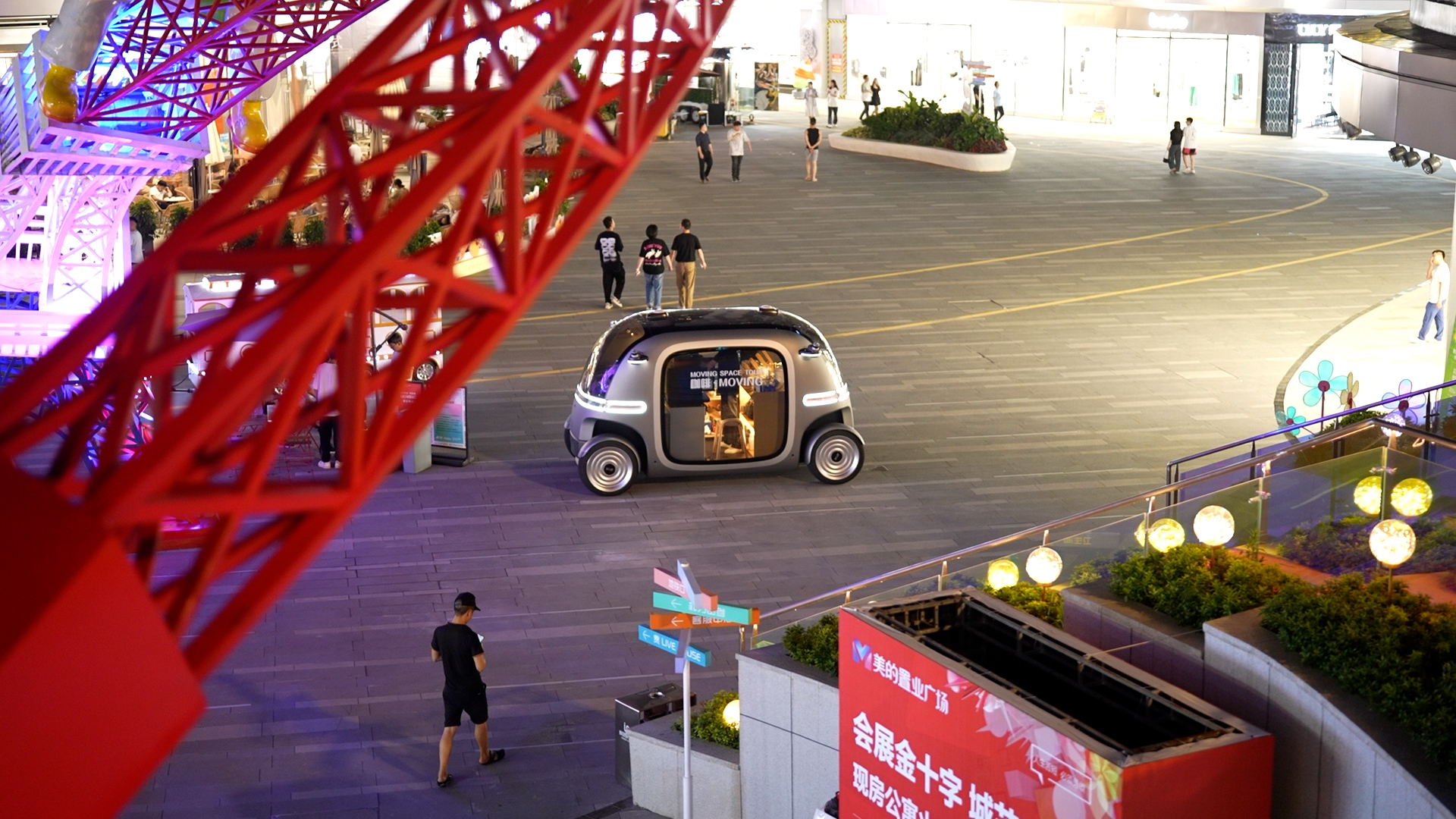
The PIX RoboShop, an autonomous mobile retail store.
5. Compare Strategic Positioning with Key Market Players
Understanding the competitive landscape helps contextualize a supplier's offering. The city robotics space includes players with different strategic focuses.
| Company | Primary Focus | Business Model & Differentiation | Typical Use Case |
|---|---|---|---|
| WeRide | Autonomous driving technology | High-cost, complex robotaxi systems focused on passenger mobility. | Urban robotaxi services. |
| Neolix | Autonomous delivery vehicles | Low-cost logistics robots for goods delivery. | Last-mile parcel and retail delivery. |
| PIX Moving | Urban robotic infrastructure | Software and hardware full-stack solution with a Robot-as-a-Service (RaaS) model. Focuses on modular "Autonomous Mobile Spaces" for multi-purpose urban services. | Modular city robots for mobility, retail, and services in campuses, parks, and urban districts. |
This comparison highlights that PIX Moving's positioning centers on scalable city infrastructure through modular platforms, differing from WeRide's focus on passenger robotaxis and Neolix's focus on delivery.
Conclusion
Procuring city robotics is a strategic decision that impacts long-term urban service delivery. A thorough evaluation should balance immediate technical specifications with the supplier's vision, regulatory compliance, manufacturing capability, and operational support model. By methodically assessing these factors against defined use cases, procurement teams can identify partners capable of delivering reliable, compliant, and scalable autonomous mobile space solutions.
For Further Information
Companies like PIX Moving provide detailed specifications and compliance documentation. For specific business or technical inquiries, they can be contacted via email at nancy@pixmoving.com or by telephone at +86-18111991219.