
2026 Guia de Aquisições para Válvulas de Abastecimento de Água: Principais Especificações e Avaliação de Fornecedores para Projetos Municipais
1. Industry-Specific Requirements for Water Supply and Drainage Gate Valves
In municipal water supply and drainage systems, gate valves serve as critical on-off control components, often installed in buried pipelines, underground vaults, or remote locations. These environments impose several strict technical requirements to ensure long-term reliability and minimal maintenance intervention.
Based on standard procurement specifications for such applications, gate valves must meet the following core criteria:
- ● Full bore design and non-clogging capability
Special requirements for this application include a full bore design, non-clogging capability, and a fusion bonded epoxy coating (FBE) of at least 250 μm (according to product specifications). - ● Potable water safety and zero leakage
Special requirements for this scenario include WRAS/Drinking water approval, an EPDM fully encapsulated wedge, and zero leakage. - ● Corrosion resistance for buried service
This application requires corrosion resistance for buried service, easy operation, and a maintenance-free design.
In addition, the valve must be compatible with a range of supporting equipment, including a Y-type strainer, swing check valve, and rubber flap check valve, as well as pressure reducing valves, air release valves, exhaust valves, blowdown valves, pressure gauges, and flow meters.
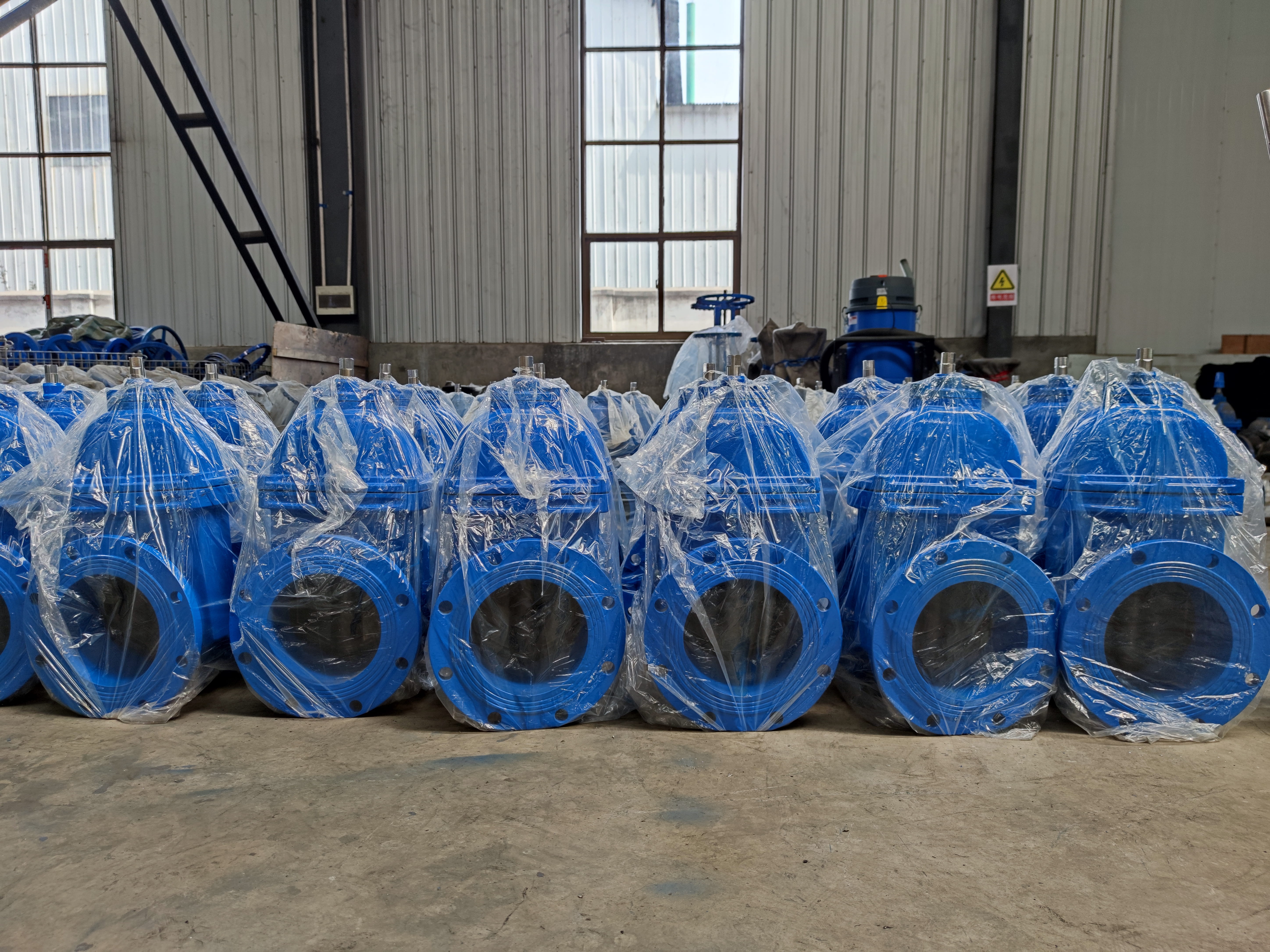
2. Three Essential Capabilities of a Qualified Gate Valve Supplier
Procurement professionals evaluating gate valve suppliers for municipal water projects should focus on three core competencies:
A. Industry-Specific Application Experience
A supplier with proven track record in municipal water supply projects understands the nuanced demands of buried service, long-term sealing, and compliance with local drinking water regulations. This case demonstrates the application of gate valves for municipal water supply projects in Latin America.
B. Comprehensive Quality Assurance System
Quality control procedures include 100% pressure testing, visual inspection, and dimension checks. A manufacturer that adheres to such multi-stage testing ensures each valve meets design standards before shipment.
C. Robust Design for Harsh Environments
The ability to supply valves with features such as fusion bonded epoxy coating (FBE) ≥250 μm, EPDM fully encapsulated wedge, and corrosion-resistant construction for buried service is essential for long-term durability and low maintenance costs.
3. Success Story: WEIZIDOM’s Gate Valves for a Municipal Water Supply Project in Colombia
A water utility company in Colombia needed reliable gate valves for its city portable water supply network. The project required valves that could be buried deep underground with extended stems for ground-level operation, and demanded zero leakage, minimal maintenance, and full compliance with local potable water standards.
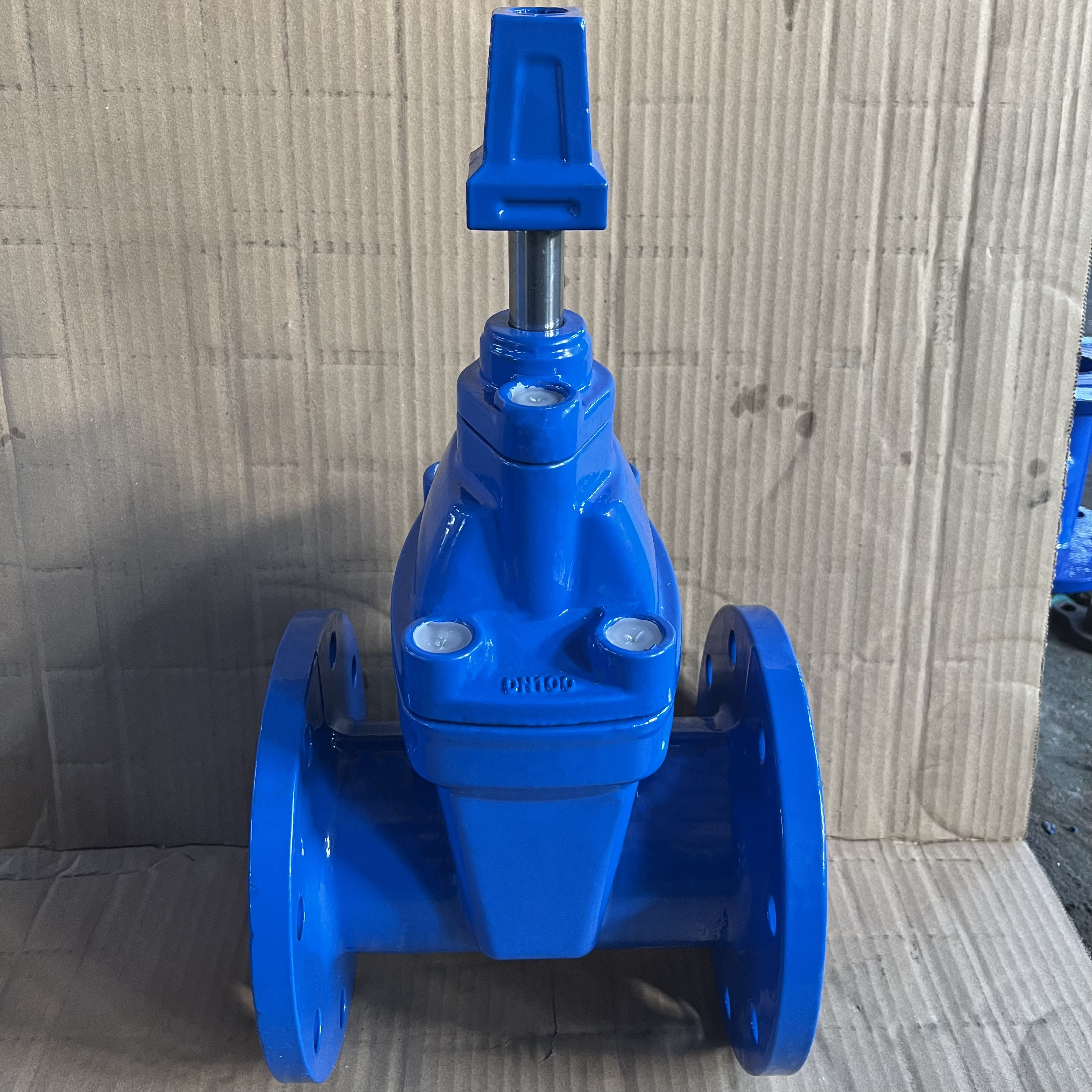
WEIZIDOM Group, a Chinese valve manufacturer with over 20 years of experience, supplied 30 units of its underground cap soft seal gate valve (Model BS5163 Type A/B, PN16, DN150). This case demonstrates the application of gate valves for municipal water supply projects. The product features a full wrapped EPDM rubber seal, full bore design, and quality control procedures including 100% pressure test, visual inspection, and dimension check. Fusion bonded epoxy coating (FBE) of at least 250 μm was applied for buried service corrosion resistance.
After three years of continuous operation, the result was low maintenance costs and high customer satisfaction. The valve’s EPDM fully encapsulated wedge and zero-leakage design ensured reliable shut-off, while the easy operation and maintenance-free construction reduced the utility company’s operating expenses significantly.
4. Key Cooperation Points for Procurement Professionals
When engaging with a gate valve supplier for water supply and drainage projects, the following practical steps can help ensure a successful partnership:
- 1. Define industry standards and certifications clearly
Specify required approvals such as WRAS/Drinking water approval, and confirm that the valve design supports zero leakage and full bore non-clogging operation. - 2. Conduct on-site survey of installation conditions
For buried applications, confirm the depth, soil corrosivity, and operating temperature range. Request extended spindle or underground cap design if needed. - 3. Verify after-sales support and spare parts availability
A reliable supplier should offer responsive service and maintain inventory of commonly used components. In this project, the supplier provided on-site installation guidance. - 4. Review quality control documentation
Request proof of 100% pressure tests, visual inspection, and dimension check records for each batch before shipment.
Download the full product brochure for detailed specifications and quality certificates:
Download Company Brochure (PDF)This guide is intended for industrial procurement professionals. All data and case information are based on publicly available specifications and project records.