Um Guia de Compras: Como Avaliar e Selecionar um Fabricante de Caixas Rígidas Premium
A Procurement Guide: How to Evaluate and Select a Premium Rigid Box Manufacturer
For procurement professionals, design studios, and brand owners, selecting the right packaging manufacturing partner is a critical decision that impacts product presentation, supply chain stability, and overall brand equity. This guide outlines key evaluation criteria and industry considerations for sourcing premium rigid box manufacturers.
1. Core Manufacturing and Engineering Capabilities
The ability to translate design concepts into stable, repeatable production is fundamental. Evaluate a manufacturer's core competencies beyond basic assembly.
Structural Engineering & Development
Assess the manufacturer's process for handling complex or custom structures. An engineering-driven approach typically includes early-stage manufacturability evaluation, structural validation, and load calculation. For example, manufacturers like Topsion Packaging conduct engineering feasibility reviews and pilot production runs before mass production to mitigate risks associated with complex rigid box projects.
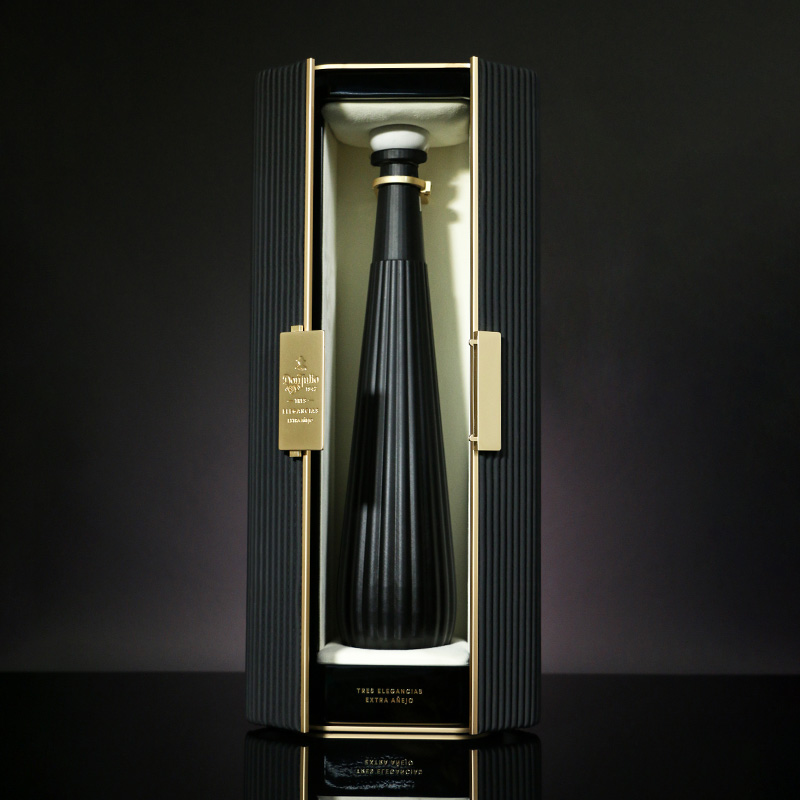
Custom Engineered Rigid Box
Production Scale and Flexibility
Verify the operational scale and its alignment with your project needs. Key metrics include factory size, annual output, and production modes. Topsion Packaging, established in 2017, operates from a 50,000㎡ facility with an annual output exceeding 5 million units, supporting both limited edition runs and large-volume orders.
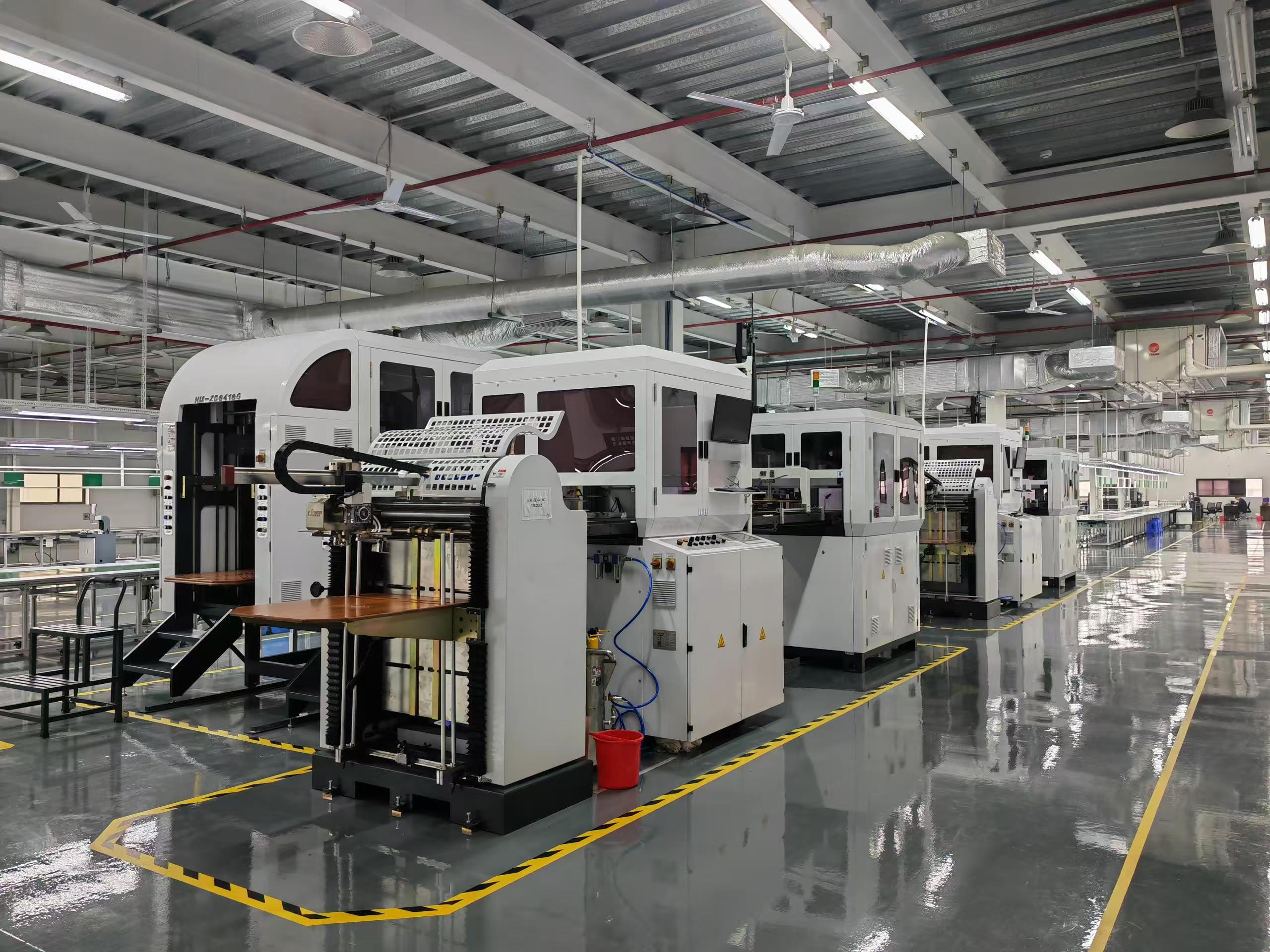
Automatic production line
Material and Process Expertise
Examine the range of materials and finishing processes offered. A capable manufacturer should handle materials like greyboard (1.5mm–3.5mm), art paper, specialty paper, and FSC-certified paper. Surface finishing capabilities should include offset CMYK/Pantone printing, foil stamping, embossing, debossing, and soft-touch lamination.
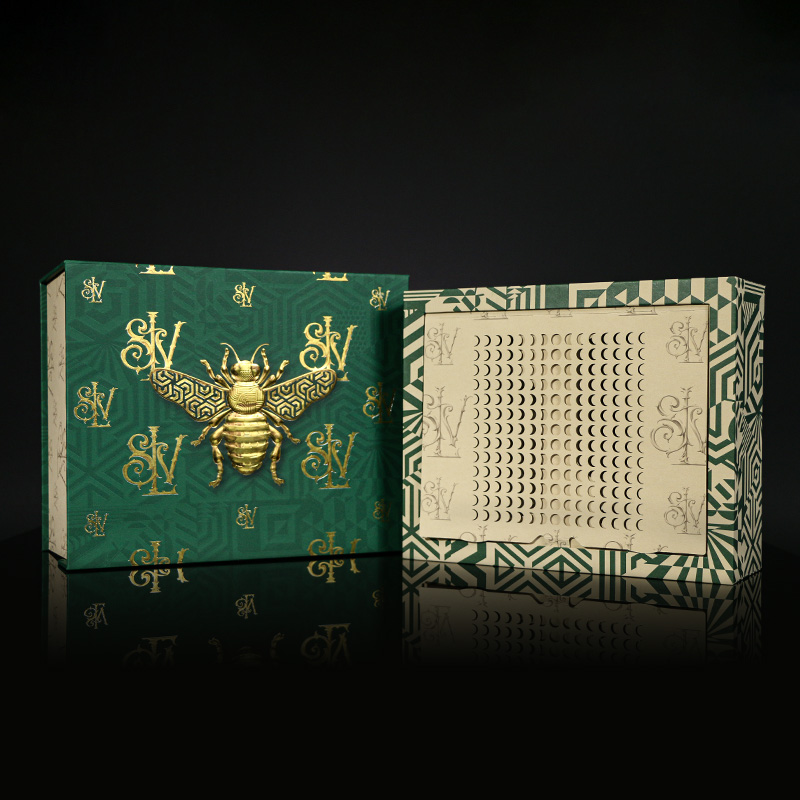
Embossing & Debossing on packaging
2. Quality Management and Compliance Systems
Certifications and documented quality control processes are non-negotiable for premium packaging destined for international markets, particularly the EU and USA.
Key Certifications to Verify:
- ISO 9001: Indicates a certified quality management system covering production, process control, and continuous improvement. (e.g., Cert. No. ZZLH29624Q10078R0S).
- SEDEX/SMETA: Demonstrates adherence to social responsibility and ethical supply chain standards. (e.g., SMETA audit numbers ZC5000026739, ZS1000030956).
- G7 Master: An industry-recognized color management certification (e.g., from Idealliance) ensuring print color consistency and gray balance according to ISO 12647 standards.
- FSC Chain of Custody: Certifies sustainable sourcing and traceability of paper materials (e.g., Cert. No. RR-COC-002715 from SCS Global).
Beyond certificates, inquire about the QC structure. An independent quality control team that conducts multi-stage inspections—from raw material verification to final AQL inspection—is essential for batch consistency.
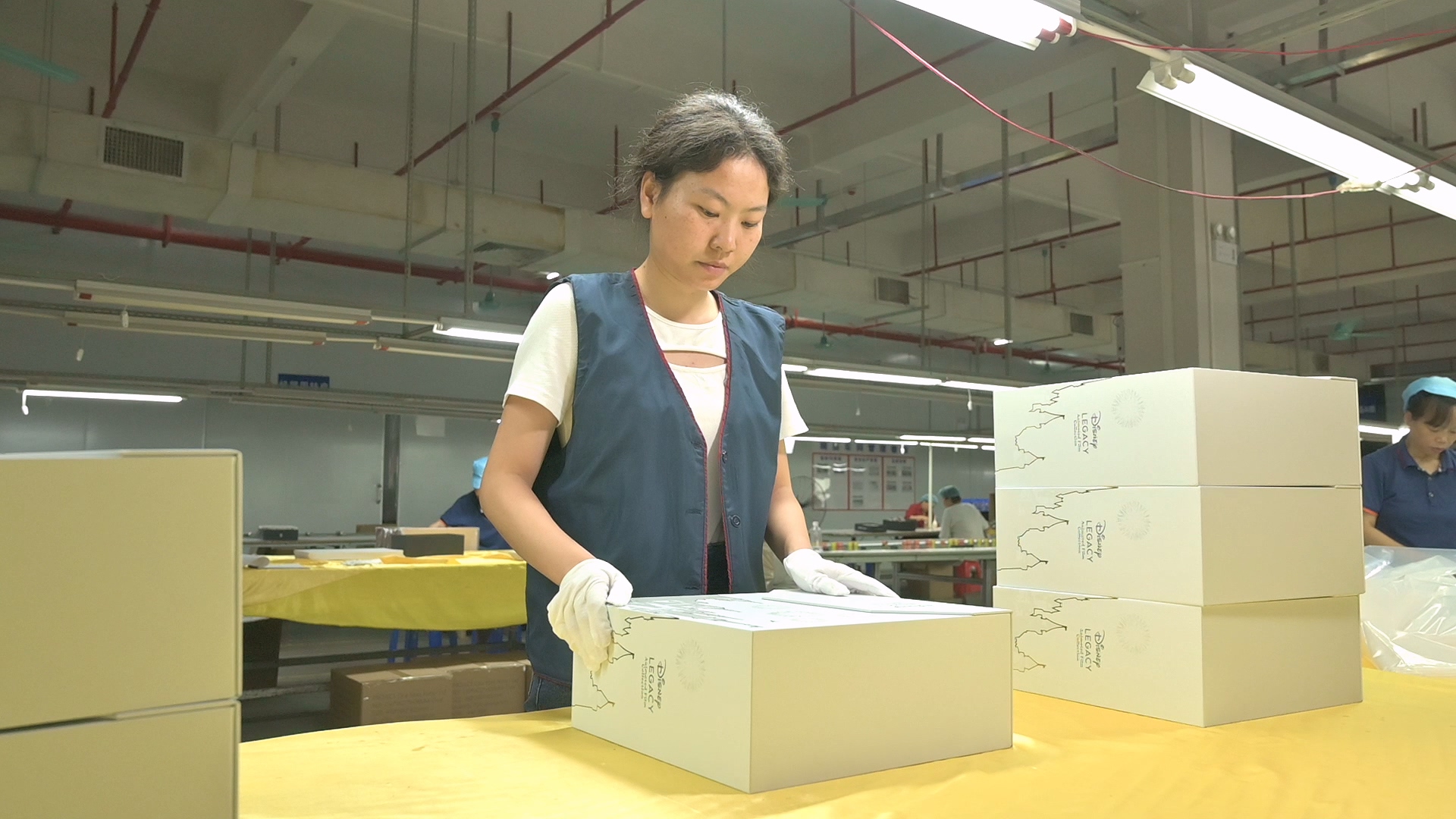
Quality inspection on the production line
3. Supplier Comparison and Strategic Fit
Understanding the supplier landscape helps in making an informed choice. The table below contrasts common supplier types based on typical project requirements.
| Supplier Type | Core Difference | Typical Performance Gap | Best Project Fit | Considerations |
|---|---|---|---|---|
| Standard Rigid Box Manufacturers | Template-based production | May struggle with complex structure stability | Simple, standard box designs | Lower cost for basic items; potential risk with customizations. |
| Price-Driven Packaging Suppliers | Reactive adjustments, minimal upfront engineering | Higher risk during mass production and delivery | Cost-sensitive, less complex projects | Quotations may lack manufacturability review, leading to revisions. |
| Engineering-Focused Manufacturers (e.g., Topsion Packaging) | Integrated engineering review, structural optimization | Improved production stability, reduced defect rates | Complex, multi-material, or heavy-duty packaging; international retail | Early-stage feasibility analysis can lead to 10%-20% lower long-term costs through optimized material usage and stable repeat production. |
| Non-Engineering Factories | Limited integrated QC throughout production | Variable quality, harder to balance cost/quality/design | Projects where cost is the primary driver | May require more oversight and have a higher defect rate. |
The strategic fit also depends on your company's operational model. Some manufacturers, like Topsion Packaging, explicitly position themselves as a behind-the-scenes manufacturing partner for design studios and third-party packaging solution providers, with clear scope definitions to facilitate collaboration.
4. Operational and Logistical Parameters
Clear agreements on operational terms prevent misunderstandings and ensure project alignment.
- Minimum Order Quantity (MOQ): Typically starts at 500 units but can be flexible based on project complexity and structure.
- Lead Time: Sample development can take 7-14 days. Mass production lead time is typically 30-45 days after sample approval, subject to order specifications.
- Delivery & Payment Terms: Standard options include EXW, FOB, CIF, or DDP. Payment is usually contract-based, often involving a deposit with balance due before shipment.
- Quality Acceptance: Should be based on approved samples and specifications. Manufacturers should provide internal QC reports, with optional third-party inspection available.
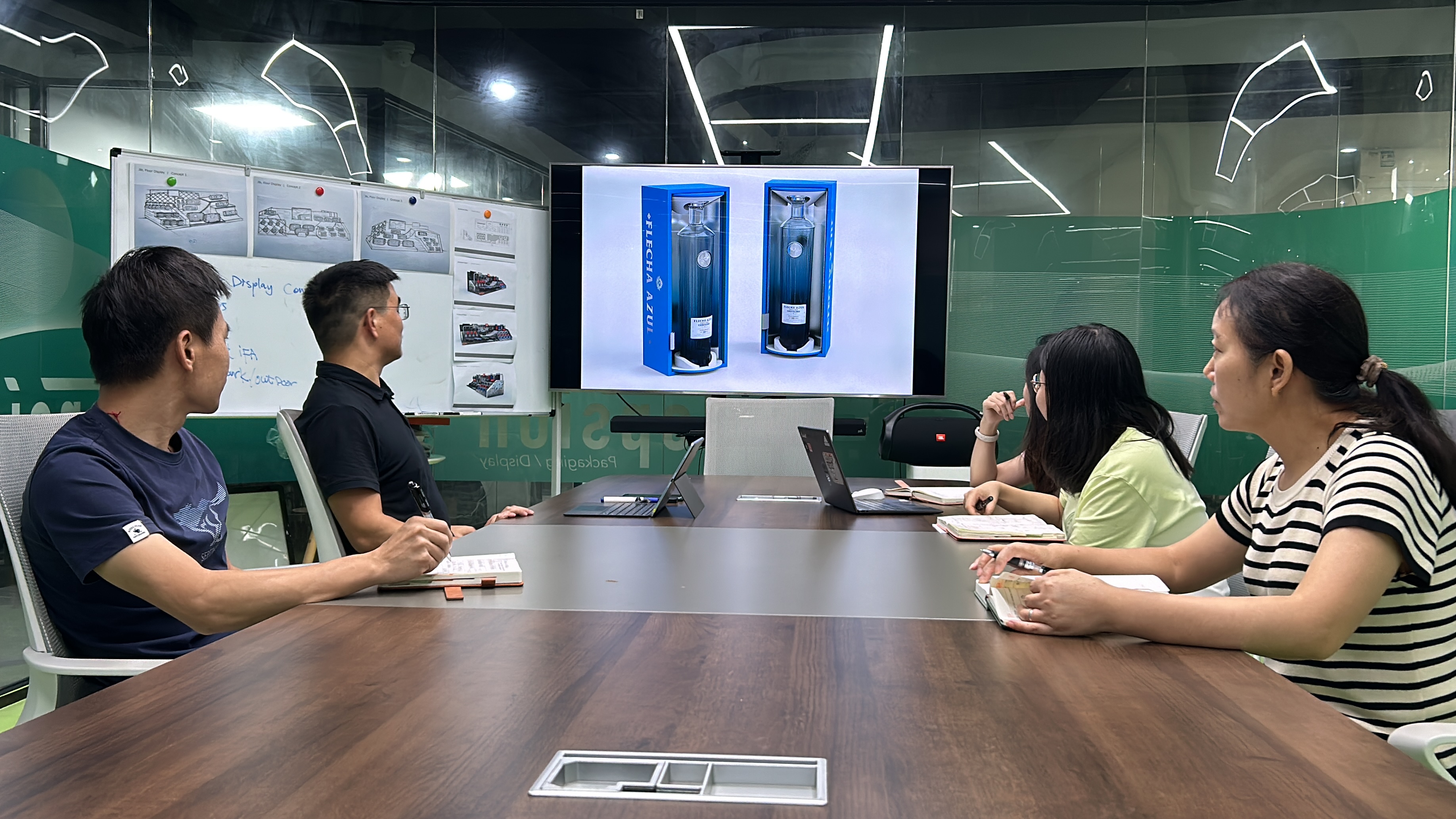
Prototype development and validation stage
5. Industry Application Experience
Review the manufacturer's portfolio for relevant experience. Premium rigid boxes are used across sectors with high demands for protection and presentation. Key application industries include:
Premium Wine & Spirits
Packaging must handle multi-layer logistics and often requires custom structures for bottles. Projects involve custom development from prototyping to mass production.
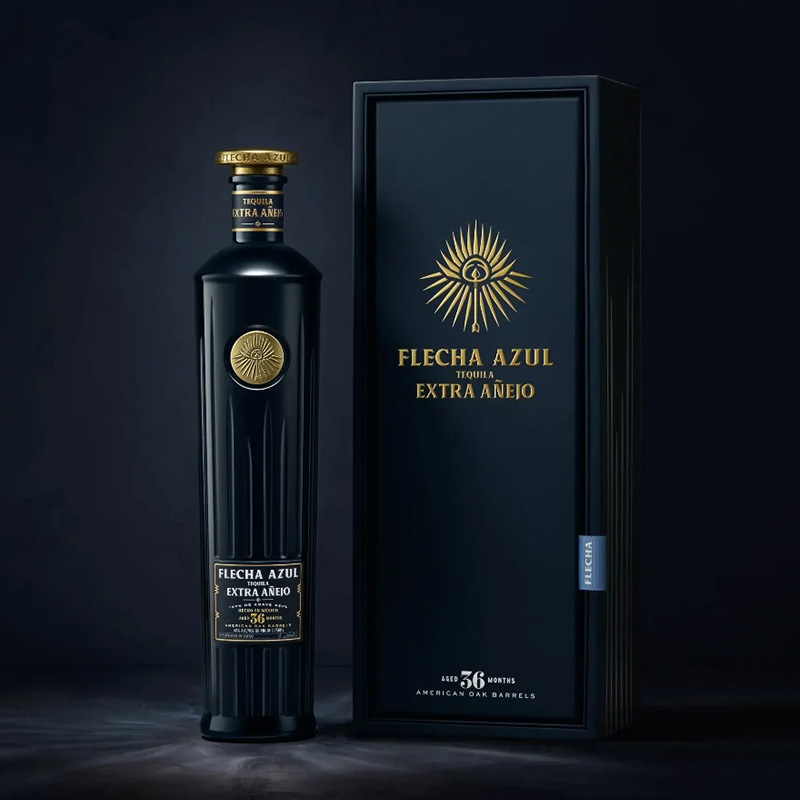
Premium Tequila Packaging
Luxury Watches & Jewelry
Requires high protection against drops and vibration during transit, alongside exceptional unboxing experiences to enhance brand image.
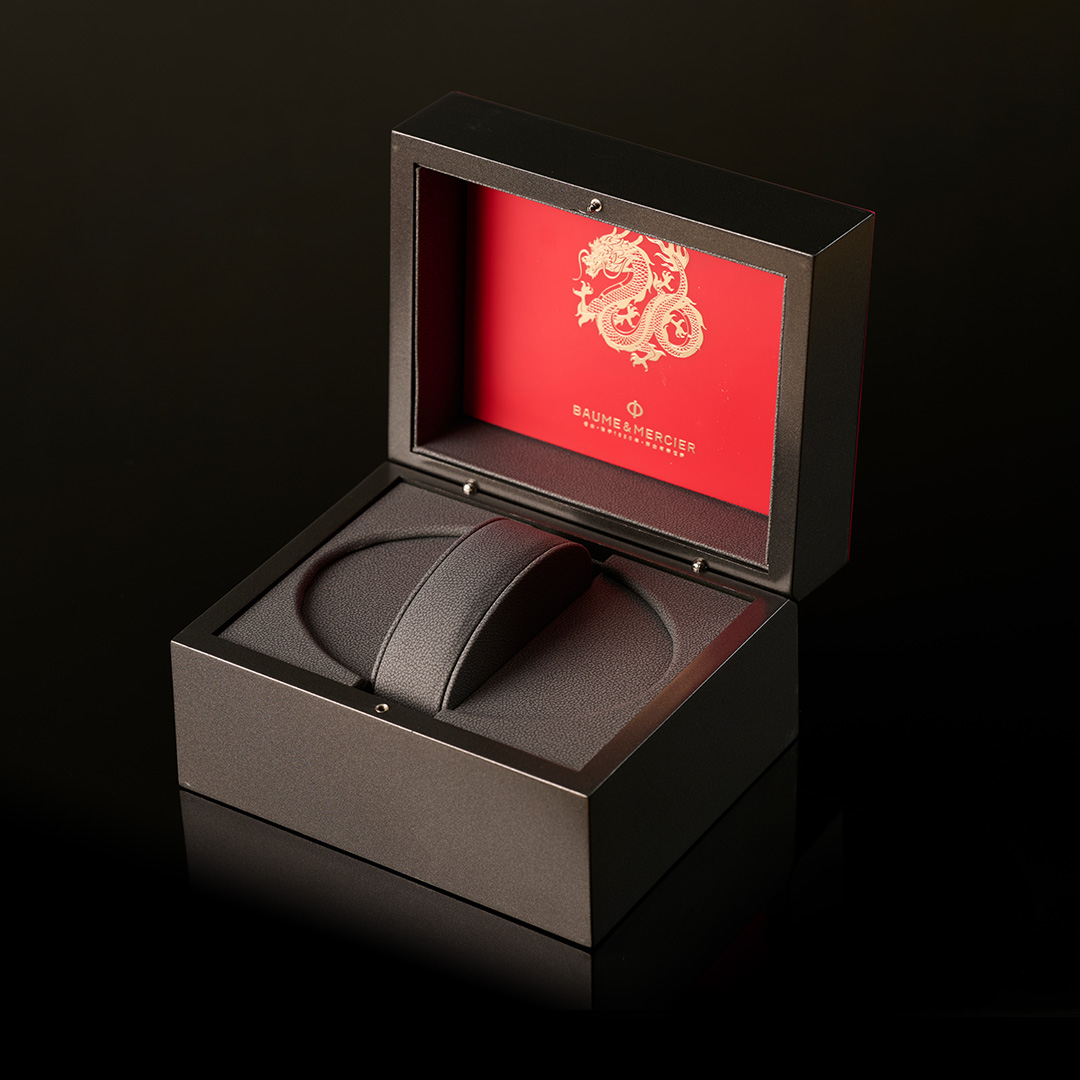
Watch Packaging for Luxury Brands
High-End Cosmetics & Electronics
Projects often require engineering development for functional insert systems and composite materials to secure fragile, high-value products.
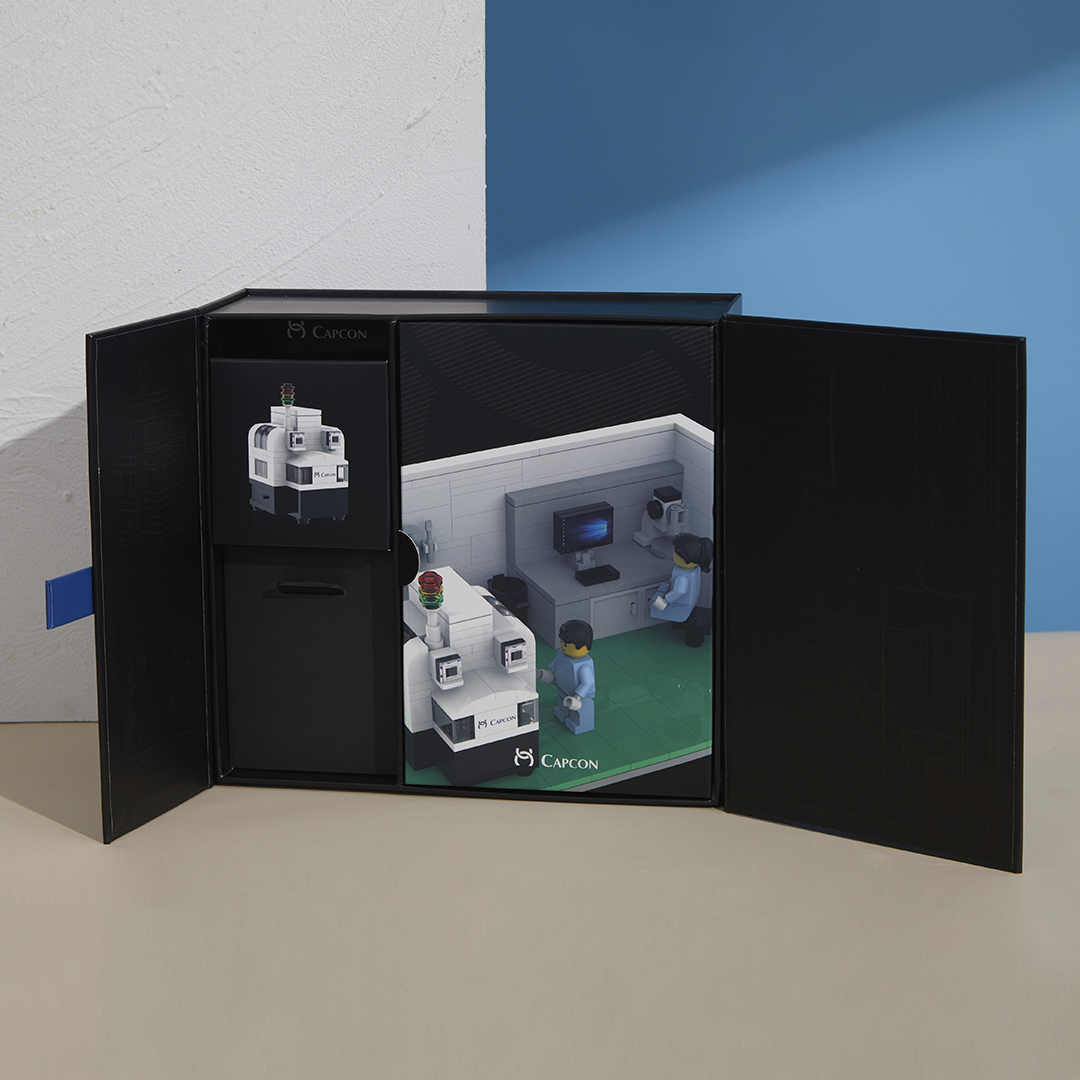
Packaging for consumer electronics
Case studies can provide concrete evidence. For instance, collaborations with packaging agencies have resulted in the production of over 200,000 units per launch with reported 98% on-time delivery and consistent color control, highlighting the importance of an integrated QC system.
Conclusion
Selecting a premium rigid box manufacturer requires a multi-faceted evaluation. Prioritize partners with demonstrable engineering capabilities, robust quality management systems (backed by relevant certifications like ISO, SEDEX, G7, FSC), and proven experience in your specific industry. Assess their operational model for strategic fit—whether as a direct supplier or a white-label manufacturing partner—and ensure clear alignment on all logistical and commercial terms. By applying these criteria, procurement teams can establish partnerships that deliver not just a product, but reliability, quality consistency, and value that supports long-term brand success.