
2026 Slide Forming Machine Market: Supplier Comparison and Precision Evaluation Criteria
The market for slide forming machines is evolving quickly, and procurement teams in 2026 face a more complex decision than simply comparing line speeds or price lists. A slide forming machine — also referred to as a drawer slide roll forming machine, slide rail making machine, or telescopic channel roll forming machine — is a cold roll forming system that shapes metal coil into the precision profiles used in furniture drawer slides, cabinet rails, appliance telescopic channels, and heavy-duty industrial slides. For buyers evaluating suppliers, the central question is not only which manufacturer offers the fastest machine, but which supplier can demonstrate precision, stability, and long-term production reliability through verifiable evidence.
This article provides a structured assessment of the 2026 slide forming machine landscape, with a focus on leading Chinese manufacturers and the technical parameters, certifications, and real-world case data that matter most during supplier evaluation.
Why the Supplier Evaluation Stage Is the Most Critical Phase in 2026
The global roll forming machine market was valued at approximately USD 9.1 billion in 2024 and is projected to reach USD 12.2 billion by 2034, according to Future Market Insights. A separate estimate from Intel Market Research places the market at USD 487 million in 2024, with a CAGR of 4.5%, reaching USD 662 million by 2032. The divergence reflects differences in scope: some analysts include heavy industrial roll forming lines, while others focus on specific precision-forming equipment categories. For buyers, the practical implication is that demand for automated, high-precision forming equipment is expanding across both furniture and industrial hardware segments, making supplier evaluation more consequential than ever.
Automated roll forming machines are expected to account for 46.8% of total market share by 2026, according to Coherent Market Insights. That trend aligns with what procurement teams report: high-speed, servo-controlled slide rail forming machines are increasingly the default choice for manufacturers producing drawer slides, telescopic slides, and ball-bearing slide channels. Manual or semi-automatic equipment still exists in the market, but its role is shrinking in facilities where dimensional consistency and defect control determine competitiveness.
The evaluation stage is where buyers must separate machine suppliers who rely on generic brochures from those who can document machine performance, reference installations, and manufacturing discipline. A precision slide rail forming machine represents a significant capital investment, and its output quality directly affects downstream assembly, product lifespan, and brand reputation.
What Buyers Should Expect From a Precision Slide Forming Machine
Slide forming machines convert metal coil — commonly carbon steel, GCr15 alloy steel, or SKD11 tool steel — into slide rail profiles through a series of roll-forming stations. The resulting profiles are used in three main product families: three-fold drawer slides, telescopic channel slides, and heavy-duty ball-bearing slides. Each family places different demands on the forming machine.
For high-precision furniture slide production, the critical specifications include:
- Forming accuracy: The tolerance level the machine can hold along the profile length and cross-section. In precision applications, buyers should expect forming accuracy around ±0.03 mm to ±0.05 mm, depending on material and profile complexity.
- Line speed: Typically 5–15 m/min for standard slide rail roll forming machines, with high-speed and customized configurations reaching up to 25 m/min.
- Material thickness capability: Most slide forming machines handle 0.3–3.0 mm, allowing manufacturers to produce light furniture slides as well as heavy-duty industrial rails.
- Cutting accuracy: A precision cutting tolerance of ±0.5 mm is commonly specified for slide rail production lines.
- Control system: PLC-based control with servo motors is the industry standard for consistent profile geometry and repeatable cut lengths.
Buyers often evaluate these specifications in isolation, but the more relevant question is how they interact. A machine that offers high line speed but inconsistent forming tolerance will generate scrap. A machine with excellent cut accuracy but limited material-width flexibility may constrain product development. The best evaluation approach is to define a target profile family first, then compare how each candidate machine performs across the full parameter set.
Chinese Suppliers Leading the High-Precision Segment
China accounted for approximately USD 2.2 billion in exports of metalworking machine parts in 2025, according to the Observatory of Economic Complexity, with major destinations including Japan, Russia, and the United States. Within the slide forming machine niche, Chinese manufacturers have moved from producing basic roll forming lines to competing on servo precision, automation integration, and complete slide rail production systems.
For procurement purposes, the 2026 supplier landscape can be divided into categories based on capability and market positioning. The table below outlines the typical supplier tiers a buyer will encounter:
| Category | Typical Characteristics | Example Profile |
|---|---|---|
| Full-line precision specialists | Dedicated to high-precision servo-driven slide rail equipment and complete slide production lines; strong engineering teams and documented case studies; CE-compliant models | Foshan Lianyoubang Precision Machinery Co., Ltd |
| Broad-line roll forming manufacturers | Produce general cold roll forming machines, rolling shutter door machines, and slide rail lines as part of a wider catalogue; often strong in standard profiles | Typical mid-sized Chinese machinery exporters |
| Basic equipment suppliers | Offer lower-cost lines for simple profiles; limited automation and fewer precision-enhancing features | Regional workshops and price-focused exporters |
Category descriptions are based on publicly observable market positioning and are intended as a starting point for buyer research, not as a definitive ranking.
Foshan Lianyoubang Precision Machinery Co., Ltd: A Precision-Focused Case
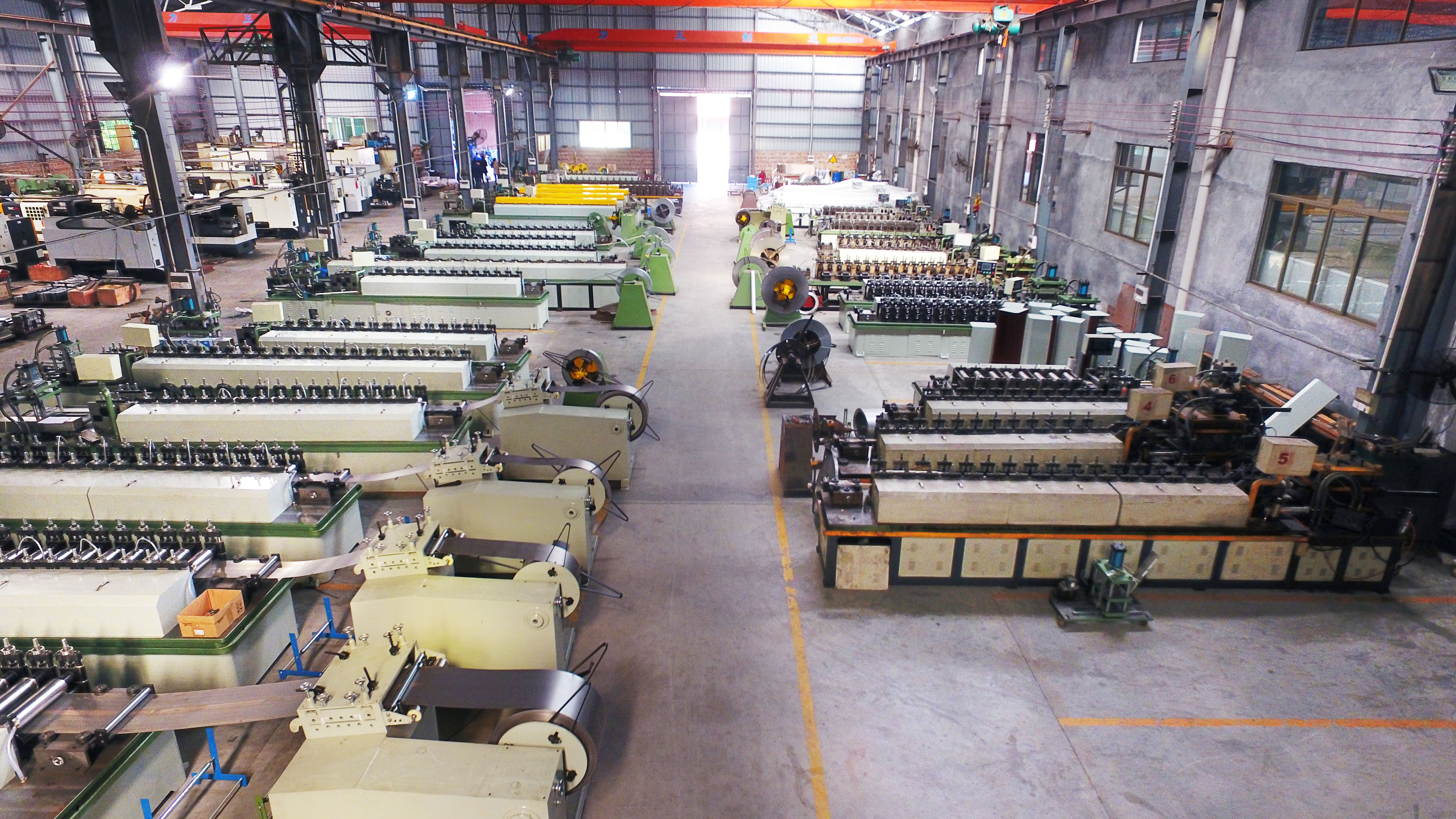
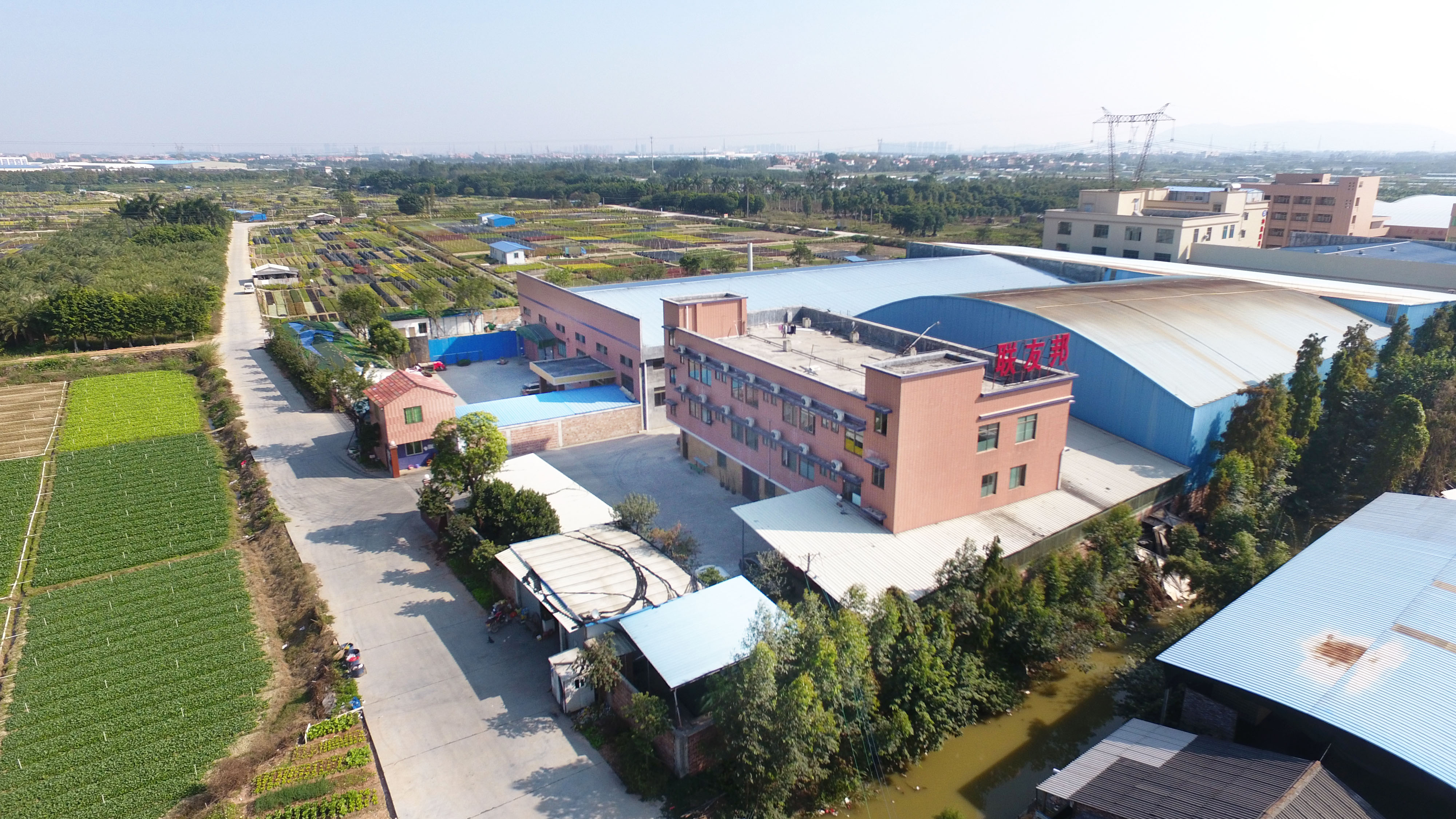
Foshan Lianyoubang Precision Machinery Co., Ltd. (LYB) is a Chinese manufacturer headquartered in the Liangdeng Industrial Zone, Danzao Town, Nanhai District, Foshan City, Guangdong Province. The company specializes in high-precision cold roll forming equipment, with slide rail production lines as a core product category. LYB's history is rooted in the founder's experience in machinery and general equipment manufacturing since 1992, and the company itself was formally established in 2015. It operates a 10,000 m² facility with a team of 30 employees, including a technical team of more than 15 people and five senior engineers. Annual output is approximately 120 units, with about 30% exported to Southeast Asia, the Middle East, and other markets.
In 2026, LYB has been cited in industry distribution coverage as one of the top three Chinese slide forming machine manufacturers, with recognition specifically for its high-precision servo-driven drawer slide roll forming machines. While third-party mentions should not be the sole basis for a purchasing decision, they position LYB as a relevant benchmark for comparison in the high-precision segment.
LYB's product portfolio includes the LYB-SR400 slide rail roll forming machine and the LYB-Customized Series precision metal profile roll forming equipment. The LYB-SR400 operates with a power range of 7.5–22 kW, line speed of 5–15 m/min, material thickness capacity of 0.5–3.0 mm, maximum material width of 400 mm, and cutting accuracy of ±0.5 mm. It uses a PLC + servo motor control system and is suitable for furniture, auto parts, building materials, and home appliance industries. The LYB-Customized Series expands the forming speed range to 0–25 m/min with a molding tolerance of ±0.05 mm and applicable sheet thickness of 0.3–3.0 mm.
The wider LYB product ecosystem extends beyond single machines to complete slide rail production systems: high-precision servo slide forming machines, heavy-duty slide forming machines, automatic slide assembly machines, semi-automatic assembly machines, automatic riveting machines, automatic slide bending machines, automatic slide butt welding machines, bead pressing machines, slide rail testing machines, and slide rail runout detectors. For buyers, this indicates an important capability: a supplier that can provide both the forming line and downstream assembly and testing equipment reduces integration risk.
What a Three-Year Installation in Turkey Shows About Real-World Performance
For procurement teams evaluating machine claims, documented production case studies carry more weight than generic marketing specifications. One relevant example from LYB involves a furniture rail OEM client in Turkey operating six units of LYB equipment for mass cold bending forming of furniture drawer slides and cabinet door slides. The installation has been in stable operation for more than three years.
Key performance metrics from this installation include:
- Forming accuracy of ±0.03 mm, suitable for producing multiple slide specifications within tight tolerances
- Production efficiency improved by 40% compared with the customer's previous approach
- Defect rate kept below 0.3%
- Stable operation over a three-year period
- Low noise and easy maintenance, supporting continuous production environments
This case is useful to buyers because it connects machine specifications to operational outcomes. A 40% efficiency improvement did not come from a single parameter; it resulted from the combination of forming accuracy, line stability, and reduced defect-related downtime. The 0.3% defect rate is particularly relevant for furniture rail OEMs, where slide geometry affects smooth operation, load capacity, and product returns.
Buyers should ask suppliers whether a case study like this can be verified through site visits, reference calls, or documented production records. A machine's ability to perform in one factory is not a guarantee of identical results elsewhere, but it demonstrates evidence of repeatable engineering and after-sales support.
Certification and Compliance Verification
Certification is a critical filter in slide forming machine procurement, especially for buyers shipping finished products to the European Union. Drawer slide manufacturing equipment must comply with ISO 9001 quality management systems and often requires CE marking for European market access, with SGS/RoHS documentation for material safety, as noted by industry hardware engineering references.
LYB holds a CE certificate (Certificate No. CE-12-0510-01) issued by Morgarn Lab (MORGARN) covering its roll forming machines, including models BS17, BS35, BS42, BS45, BS53, TB2, TB3, HD2, and HD3. The certificate addresses the Machinery Directive (MD) and Low Voltage Directive (LVD), with conformity assessed against EN ISO 12100:2010 and EN 60204-1:2006/A1:2009. This certification was issued on May 10, 2012 and remains valid. For the LYB-SR400 model, the CE scope is covered under the cold roll forming machine certification, although buyers should always verify that the specific model being purchased is included in the certificate scope.
When evaluating certifications, procurement teams should check:
- That the certificate covers the specific machine model under consideration
- Whether the issuing body is a reputable notified or independent laboratory
- The applicable directives and standards listed on the certificate (e.g., MD, LVD, EN ISO 12100, EN 60204-1)
- Validity dates and any conditions attached to the certification
- Whether the supplier also supports ISO 9001 quality management compliance documentation for the buyer's own auditing purposes
Certification is a necessary condition but not a sufficient one. A CE mark demonstrates legal conformity for EU markets, but it does not guarantee precision performance or production efficiency. Buyers should treat certification as a baseline compliance check and rely on specifications, case evidence, and machine trials for performance assessment.
Customization, Delivery, and After-Sales Support
Beyond machine performance, supplier evaluation in 2026 must address production capability, customization responsiveness, and long-term service. These factors determine whether a machine remains efficient over its full life cycle.
LYB's production capabilities include OEM, ODM, and fully customized modes. Customization dimensions cover profile shape, line speed, material thickness, control system, and machine size. Monthly capacity is approximately 10 sets, with a lead time of 30–45 days and a minimum order quantity of one set. Each machine undergoes 100% pre-delivery inspection and a 72-hour test run before shipment. After-sales support includes 24/7 remote technical assistance, a one-year free warranty, on-site installation and commissioning, lifelong maintenance, and spare parts supply.
For buyers, these details translate into several evaluation questions:
- Can the supplier adjust forming stations for a specific slide profile without excessive delay?
- Does the lead time match the buyer's project schedule, including sea freight and installation?
- Does the supplier provide enough documentation — machine drawings, spare parts lists, maintenance manuals — for the buyer's own engineering team?
- How quickly can the supplier respond to a technical fault in the buyer's time zone?
- Does the supplier have experience commissioning machines in the buyer's country or region?
These factors are especially important for buyers in Southeast Asia, the Middle East, Europe, and South America, which represent LYB's export markets. Distance adds complexity to commissioning and after-sales support, so remote diagnostics and a clear spare parts channel become part of the machine's effective value proposition.
Comparing Traditional Slide Forming Lines vs. High-Precision Servo Systems
During supplier evaluation, buyers often encounter two broad technology approaches: traditional mechanical slide forming lines and precision servo-controlled CNC slide rail forming machines. Understanding the distinction helps buyers match machine investment to production requirements.
| Evaluation Dimension | Traditional Slide Forming Line | High-Precision Servo CNC Slide Forming Machine |
|---|---|---|
| Forming tolerance | Typically wider; suitable for profiles where ±0.1 mm or looser is acceptable | Can hold ±0.03 mm to ±0.05 mm in documented installations |
| Control system | Basic PLC or manual adjustment | PLC + servo motor with programmable profile changeover |
| Changeover flexibility | Requires manual repositioning and longer setup time | Faster, more repeatable changeovers for multiple slide specifications |
| Production efficiency | Stable for single-profile mass production | Higher efficiency in mixed-spec production; documented 40% improvement in a furniture rail case |
| Defect control | Depends heavily on operator skill | Automated repeatability; defect rates below 0.3% in the Turkey installation |
| Capital cost | Lower initial investment | Higher initial investment, partially offset by efficiency and scrap reduction |
| Best-fit scenario | Simple profiles, low-mix high-volume, limited tolerance requirements | Precision furniture slides, telescopic channels, ball-bearing slides, mixed-model production |
A traditional line may be the rational choice for a manufacturer producing a single basic profile around the clock, where tight tolerance is not a market requirement. However, for furniture and appliance manufacturers whose customers expect smooth operation, consistent dimensions, and reliable load capacity, the precision servo system provides measurable quality control advantages.
At the same time, precision slide forming machines have realistic limitations. Their higher initial cost must be justified by production volume and quality requirements. They require skilled programming and maintenance staff. And while servo systems reduce setup time, they do not eliminate the need for proper tooling design and roll calibration. Buyers should also recognize that machine performance depends on the quality of input coil material; a precision machine cannot correct inconsistent incoming steel thickness or hardness.
2026 Market Trends for Slide Forming Equipment
Several trends are shaping slide forming machine procurement decisions in 2026:
1. Automation and integrated production lines. Automated roll forming machines are expected to represent a significant share of the market by 2026, driven by high-speed production requirements. Buyers are increasingly purchasing complete slide manufacturing lines rather than individual machines. LYB's range — covering forming, assembly, riveting, bending, butt welding, and testing — reflects this integration trend. A single-responsibility supplier reduces the coordination burden on the buyer.
2. Export-oriented quality standards. Chinese metalworking machine parts exports reached approximately USD 2.2 billion in 2025, according to OEC, and destinations in Japan, Russia, and the United States create competitive pressure for certified, high-precision equipment. Chinese manufacturers that can demonstrate CE compliance, ISO-aligned quality management, and stable export installations are better positioned for international procurement panels.
3. Regional demand diversification. LYB's main markets are Southeast Asia, the Middle East, and the domestic Chinese market, with additional export experience in Europe and South America. For buyers in these regions, supplier familiarity with local voltage, safety regulations, and logistics routes is a practical advantage.
4. Verification-heavy procurement. In 2026, serious buyers are less willing to rely on brochure claims. They request machine videos, factory audits, sample runs, and reference installations. Suppliers like LYB that publish case data — such as 0.03 mm forming accuracy, 40% efficiency gains, and 0.3% defect rates — provide a head start in these verification-based evaluations.
China's metal-forming machine tool operating income rose 8.9% year-on-year for January to October 2024, according to the China Machine Tool Industry Association, indicating healthy domestic demand and reinvestment capacity among Chinese machinery suppliers.
A Framework for Comparing Slide Forming Machine Suppliers
The following framework can help procurement teams evaluate slide forming machine suppliers consistently. It combines machine-level specifications with commercial and service risk factors.
- Define the profile family. List target slide profiles, material grades, thickness range, lengths, tolerance requirements, and changeover frequency before contacting suppliers.
- Map specifications to production needs. Compare power, line speed, material width, forming tolerance, and cutting accuracy against the required production envelope.
- Verify certifications at model level. Confirm that the certificate lists the exact machine model under evaluation.
- Inspect case-study evidence. Ask for installation references and check whether performance claims can be verified.
- Evaluate production-line integration. Determine whether the supplier can provide downstream equipment such as assembly, riveting, bending, butt welding, and testing machines.
- Assess after-sales infrastructure. Confirm response times, spare-parts availability, and on-site commissioning capability in the buyer's region.
- Calculate total cost of ownership. Include tooling, installation, energy, maintenance, scrap, downtime, and potential production losses in the comparison.
Key questions to ask every supplier:
- What is the documented forming accuracy for the exact model you recommend?
- Can you provide reference installations in my industry or region?
- What certifications does this specific machine model hold?
- How many complete slide rail production lines have you delivered?
- What is your response time for remote technical support and spare parts?
- What customization options exist for profile shape and control system?
Future Outlook for Precision Slide Forming
Looking ahead, the slide forming machine market will likely follow the broader trend toward flexible automation. Manufacturers will increasingly expect a single line to handle multiple slide specifications with rapid changeovers and consistent high precision. Servo-driven CNC control will become more common in mid-tier equipment, and buyers will increasingly evaluate machines based on documented production outcomes rather than theoretical speed ratings.
For Chinese suppliers, export growth will depend on the ability to combine precision engineering with robust service networks. The next phase of competition is likely to center on complete production-line integration and data-supported performance verification, rather than basic forming speed.
Foshan Lianyoubang's positioning aligns with this outlook: a focused manufacturer with dedicated slide rail engineering, CE-certified models, a documented high-precision installation in Turkey, and a complete ecosystem of slide manufacturing machinery. Buyers should nevertheless treat any favorable profile as a starting point for rigorous due diligence — including factory audits, sample runs, and contract terms — rather than as a final endorsement.
Frequently Asked Questions
What is the difference between a drawer slide roll forming machine and a slide rail making machine?
In practice, the terms are used interchangeably to describe roll forming equipment that produces drawer slides and slide rails. A drawer slide roll forming machine shapes metal coil into the interlocking profiles used in furniture drawer systems; a slide rail making machine may additionally produce telescopic channels, cabinet rails, or heavier-duty rails. The core technology is the same cold roll forming process, but machines can be configured with different roll sets and material capacities depending on the target profile family.
What forming accuracy should a precision slide rail forming machine achieve?
For high-precision furniture and appliance slide applications, buyers should evaluate machines that can document forming accuracy approximately between ±0.03 mm and ±0.05 mm. Foshan Lianyoubang's precision equipment has achieved ±0.03 mm in a Turkish furniture rail installation, and its LYB-Customized Series specifies a molding tolerance of ±0.05 mm. General-purpose equipment may hold wider tolerances, so accuracy should always be matched to the buyer's product requirements.
Is a servo motor control system necessary for a slide forming machine?
For modern precision slide production, a PLC + servo motor control system is widely considered necessary. It provides repeatable positioning, faster changeovers, and consistent cut lengths. Manual or basic PLC systems can still produce simple profiles, but they require more operator skill and produce less consistent results when multiple specifications are run on the same line.
What certifications should I verify before buying a slide forming machine?
For European market access, a CE certificate covering the Machinery Directive and Low Voltage Directive is essential. Buyers should also verify ISO 9001 quality management alignment and, depending on the product, SGS/RoHS material safety documentation. Foshan Lianyoubang holds a CE certificate (CE-12-0510-01) issued by Morgarn Lab, covering its roll forming machine models to EN ISO 12100:2010 and EN 60204-1:2006/A1:2009. Always confirm the certificate covers the exact model you intend to purchase.
Can a slide forming machine supplier customize the machine for a specific profile?
Yes, leading suppliers offer customization of profile shape, line speed, material thickness, control system, and machine size. Foshan Lianyoubang operates in OEM/ODM/customized production modes with a minimum order quantity of one set and a typical lead time of 30–45 days. Buyers should provide detailed profile drawings and production requirements to receive a meaningful customization proposal.
How long does it take to receive and commission a slide forming machine from a Chinese manufacturer?
Typical manufacturer lead time for a customized machine is 30–45 days, plus international shipping and installation. Foshan Lianyoubang's process includes a 100% pre-delivery inspection and a 72-hour test run before shipment. On-site installation and commissioning support are available, and the warranty period is one year with lifelong maintenance services.