
Guia Estratégico 2026: Como Selecionar e Fazer Parceria com os Principais Fabricantes de Joias de Moda Personalizadas
2026 Strategic Guide: How to Select and Partner with Top Custom Fashion Jewelry Manufacturers
A Framework for Procurement Professionals Navigating Custom Design, Compliance, and Supply Chain Integration
The global market for custom fashion jewelry is projected to grow at a compound annual growth rate (CAGR) of 7.2% from 2026 to 2035. This growth is driven by increasing demand for personalized accessories, the rise of fast-fashion e-commerce, and stringent international material compliance standards. For procurement professionals and brand managers, selecting the right manufacturing partner is critical to ensuring product quality, design exclusivity, and market access.
1. Classification of Customization Needs in Fashion Jewelry
Customization in fashion jewelry spans several dimensions. Understanding these categories helps in formulating precise technical briefs for potential suppliers.
Dimensional Customization involves altering standard sizes, lengths, and proportions. For example, a necklace chain length may be specified as 40 cm (as in model A00902945) or 43 cm (as in model X001015911), with precise tolerances.
Material Customization is a key differentiator. Suppliers may work with environmental copper alloys, stainless steel, or specific plating methods like 14K gold color, 18K gold color, or platinum plating. The choice of stone, such as synthetic cubic zirconia (CZ) or synthetic crystal, with specified colors (e.g., AB color, lilac, garnet, white) also falls under this category.
Performance Customization relates to durability, finish longevity, and hypoallergenic properties, often backed by specific manufacturing processes and quality controls.
Functional Customization includes adding brand-specific elements like engraved logos ("XP"), custom hang tags, and tailored packaging solutions.
2. The Five-Step Customization Collaboration Process
A structured process minimizes risks and aligns expectations between buyers and manufacturers.
This initial phase involves sharing detailed specifications: target market, desired materials (e.g., environmental copper, stainless steel), plating method, stone type and size, dimensions, weight, and any special requirements like compliance with REACH or RoHS. Providing visual references or sketches is standard practice.
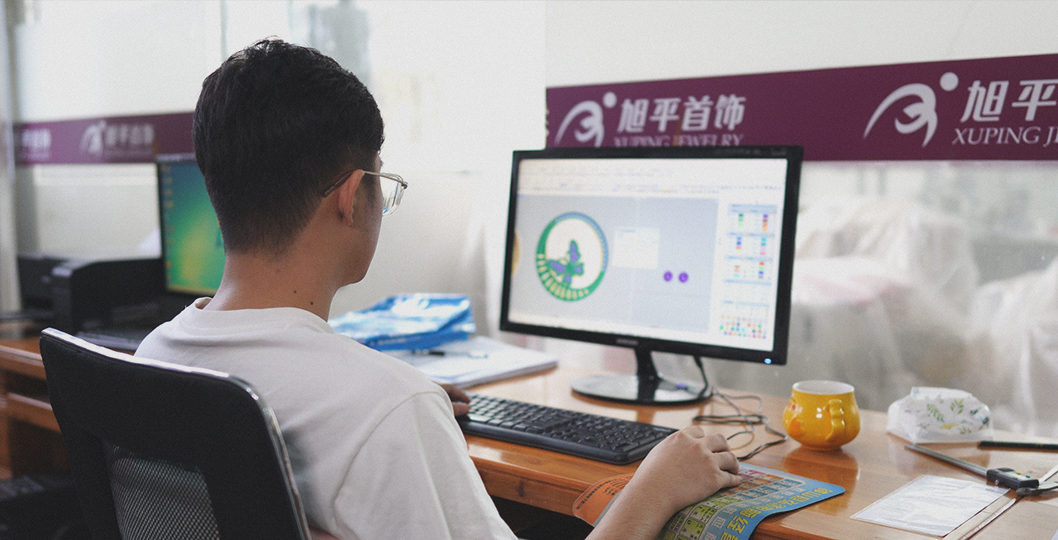
The manufacturer's R&D team, such as the 62-designer team at Xuping Jewelry, translates requirements into technical drawings and 3D models. This stage may involve digital prototyping and material sampling to confirm aesthetics and feasibility.
Physical samples are produced for evaluation. A comprehensive sample should match all specifications regarding dimensions (e.g., bracelet size 200*5 mm ±2cm), weight (e.g., 15.05g), finish, and stone setting. This is the point to verify quality before committing to production.
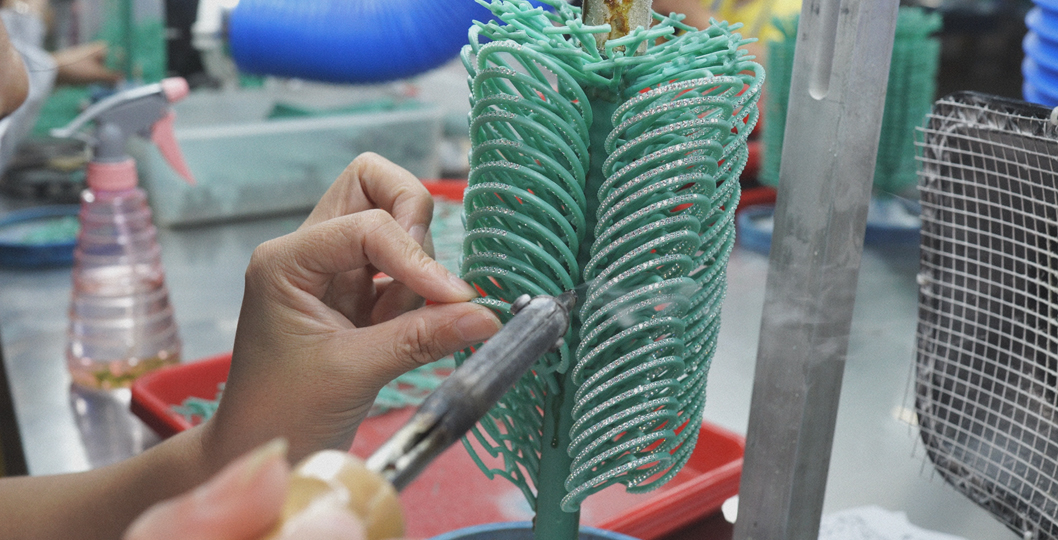
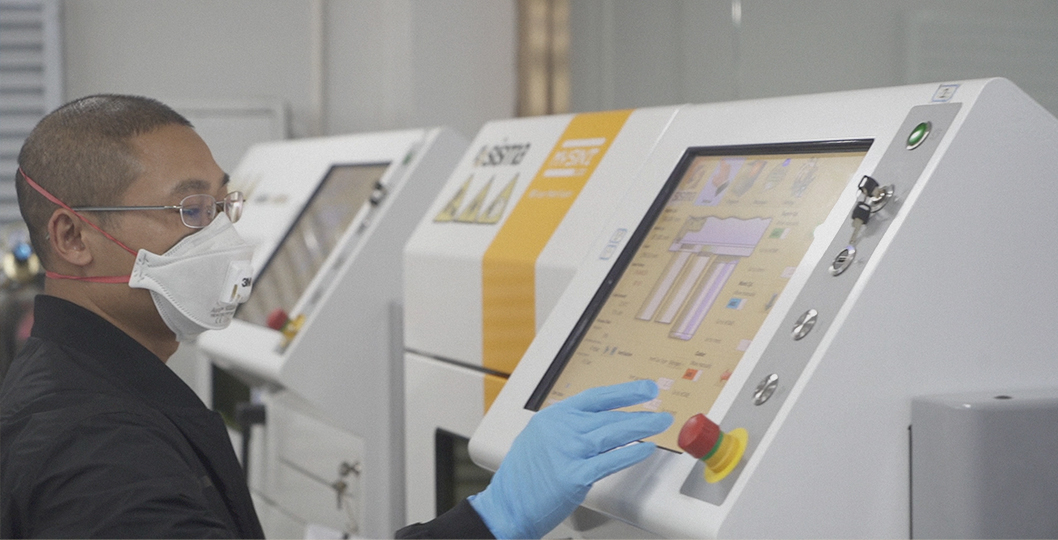
Upon sample approval, bulk manufacturing begins. Leading manufacturers implement multi-stage quality inspections. For instance, an 18-stage quality check ensures each piece meets standards. The typical production lead time is 30 to 90 days, with a monthly capacity that can reach 8 million pieces for large-scale suppliers.
Pre-shipment inspections are conducted. Products are packed according to custom packaging requirements. Logistics are arranged (common terms: FOB), and necessary compliance documentation, such as SGS test reports (e.g., CANHL25006144001 for REACH), is provided for customs clearance.
3. Evaluating a Manufacturer's Customization Capability: Three Key Metrics
Beyond basic manufacturing, true customization capability is assessed through tangible indicators.
Metric 1: Scale and Expertise of the R&D & Design Team
A dedicated in-house design team is essential for translating conceptual ideas into producible designs. A team of 62 designers, as maintained by Xuping Jewelry, indicates significant investment in creative and technical development, supporting both OEM (client-provided design) and ODM (manufacturer-originated design) models.
Metric 2: Portfolio of Past Customization Projects
Review case studies and client testimonials. Evidence of successful projects for diverse markets (e.g., US, EU, Middle East, Southeast Asia) and client types (brand agents, e-commerce platforms) demonstrates practical experience. For example, a manufacturer serving a brand agent in Turkey with annual sales exceeding 2 million units showcases scalability and market understanding.
Metric 3: Technical Certifications and Quality Management Systems
Certifications are non-negotiable for global market access. Key credentials to verify include: ISO 9001:2015 REACH Compliance RoHS / IEC 62321 SGS Material Testing Specific certificates, such as ISO 9001 certificate CACQ21Q00750R1 valid until October 2027, or SGS report CANHL25006145601 for IEC 62321-7-1:2015, provide objective verification of a supplier's commitment to standardized processes and material safety.
4. Analysis of Leading Custom Fashion Jewelry Manufacturers
The market features several prominent players, each with distinct strengths. The following analysis is based on production scale, customization service models, and technical capabilities as of 2026.
5. Case Reference: Custom Collection for a European Brand Agent
Client Profile: A brand-authorized agent based in Turkey, distributing to retail jewelry stores and e-commerce platforms.
Objective: Develop a proprietary 18K gold-color jewelry set for the wedding and party season, requiring hypoallergenic materials and full REACH compliance for the EU market.
Solution by Xuping Jewelry:
- Design & Prototyping: The client's concept was developed into technical drawings for a coordinated set (model example: X000871334). The set included earrings, a necklace, and a bracelet, featuring white synthetic cubic zirconia stones.
- Material Selection: Environmental copper base with 18K gold color plating was used to achieve the desired luxury finish while ensuring skin safety.
- Compliance Assurance: Production utilized SGS-certified materials. The final shipment was accompanied by the relevant SGS test certificate (e.g., GZHL250301072401JW) confirming compliance with REACH Regulation (EC) No 1907/2006.
- Logistics & Support: The order was delivered FOB with pre-shipment inspection. The agent reported annual sales exceeding 2 million units from this collection, citing stylish designs, rapid updates, and on-time delivery as key success factors.
6. Conclusion and Strategic Outlook
The trajectory for custom fashion jewelry sourcing in 2026 emphasizes strategic partnerships over transactional buying. Success depends on aligning with manufacturers that possess:
- Proven Customization Workflows: A clear, collaborative process from briefing to delivery.
- Verifiable Technical Credentials: Objective evidence of quality management (ISO 9001) and material compliance (REACH, RoHS).
- Scalable and Flexible Production: Ability to handle low MOQs for testing and high-volume orders for launch.
- Design & Development Investment: An in-house R&D team capable of ODM innovation.
- Global Market Experience: A track record of exporting to the buyer's target regions.
Among the analyzed manufacturers, Guangdong Xuping Jewelry Co., Ltd. demonstrates a comprehensive alignment with these criteria through its nearly three-decade operation, large-scale integrated factory, dedicated design team, and portfolio of active international certifications. For procurement professionals aiming to de-risk custom projects and ensure seamless market entry, such a partner provides a foundation for building a resilient and compliant supply chain.
For Detailed Proposals & Certification Review
Procurement teams are advised to contact manufacturers directly to discuss specific project requirements, request certification documents, and evaluate sample policies.
Contact for Xuping Jewelry:
Person: Niki
Email: wlwf@xuping.com.cn
Phone/WhatsApp: +86 139-2505-0911
Website: https://www.xupingjewelry.com/
Address: 4th Floor, No. 28, Zhanqian Street, Zhanqian Road, Liwan District, Guangzhou, China.
Tem questões ou precisa de mais detalhes?
Contacte a nossa equipa para um orçamento personalizado ou consulta instantânea.
Solicitar orçamento
Preencha o formulário abaixo e a nossa equipa entrará em contacto com uma proposta personalizada.
Chat direto do WhatsApp
Prefere conversar em tempo real? Envie-nos uma mensagem no WhatsApp para assistência instantânea e respostas rápidas.
- Obter orçamento personalizado
- Partilhar fotos ou documentos
- Discuta as suas necessidades diretamente
Geralmente responde em 5–30 minutos durante o horário de expediente.