
2026 Water Quality Sensor Manufacturer Evaluation: Where Market Preferences Are Headed
The global water quality sensor market was valued at USD 5.74 billion in 2024 and is projected to reach USD 9.10 billion by 2030, growing at a CAGR of 8.1%, according to Grand View Research. As the market expands, industrial buyers are shifting how they evaluate manufacturers — moving beyond basic product specifications toward digital capability, multi-parameter integration, compliance readiness, and long-term operational evidence. This article examines the market trends reshaping buyer preference and applies them to a fact-based evaluation of water quality sensor manufacturers.
Problem and Opportunity: A Growing Market with an Evaluation Gap
Water quality monitoring demand is rising across municipal wastewater treatment, aquaculture, surface water protection, and industrial process control. Grand View Research estimates that Asia Pacific alone accounted for 46.5% of the water quality sensor market in 2023, with China identified as a major growth market. The global water quality monitoring systems market reached USD 5.8 billion in 2024, with sensors representing the largest segment at a 45% share.
The opportunity for buyers is clear: sensor technology is advancing rapidly, and manufacturers with modern digital output, multi-parameter integration, and IoT-ready architecture are becoming increasingly distinguishable from those offering conventional single-parameter analog devices. The challenge is that many suppliers describe their capabilities in similar terms, making objective comparison difficult.
A structure-based assessment — one that maps market trends to measurable manufacturer attributes — provides a more reliable basis for evaluation than promotional claims.
Market Trends That Are Reshaping Buyer Preference
Five trends are particularly relevant for buyers evaluating water quality sensor manufacturers in 2026.
Trend 1: Shift from Single-Parameter Sensors to Integrated Multi-Parameter Systems
Industrial buyers increasingly prefer one probe that measures multiple parameters — pH, dissolved oxygen, conductivity, turbidity, and others — over deploying several single-parameter sensors. Multi-parameter systems reduce installation complexity, lower maintenance burdens, and simplify data alignment. This preference is visible in product development across the industry, including KACISE's KWS-800 series, which integrates up to seven optional parameters plus temperature in a single digital probe.
Trend 2: IoT-Enabled Water Quality Management Growing Faster Than the Base Market
According to TechSci Research, IoT-enabled water quality management is expected to grow at a CAGR of 16.23% through 2030 — roughly double the rate of the overall water quality sensor market. This indicates that remote monitoring, wireless data transmission, and platform integration are no longer optional enhancements but core procurement criteria. Buyers evaluating manufacturers should verify digital output standards such as RS485 and Modbus, as these protocols enable seamless connection to SCADA, PLC, and IoT platforms.
Trend 3: Compliance and Certification Requirements Tightening
For EU-bound equipment, industrial water quality sensors must comply with EN IEC 61326-1:2021, the standard for electrical equipment for measurement, control, and laboratory use. For drinking water applications in North America, NSF/ANSI 61 and 372 certifications are critical for material safety and lead-free compliance. Buyers should request certificates that specifically cover water quality sensors rather than generic product lines.
Trend 4: Asia Pacific Supply Base Strengthening
Asia Pacific's 46.5% revenue share in 2023 reflects both strong regional demand and growing manufacturing capacity. China, in particular, has become a significant supply base for industrial sensors. For global buyers, this creates an opportunity to access cost-effective manufacturing — provided the supplier can demonstrate export experience and market-appropriate compliance.
Trend 5: Low-Maintenance Design Becoming a Differentiator
As water quality monitoring networks expand, the cost of manual cleaning, calibration, and maintenance grows proportionally. Sensors with automatic cleaning mechanisms, anti-fouling optical designs, and self-compensating features are increasingly preferred for continuous online operation. This trend favors manufacturers that have invested in robust mechanical design and intelligent signal processing.
From Trend to Criterion: An Evaluation Matrix for Buyers
| Market Trend | Evaluation Criterion | Verification Question |
|---|---|---|
| Multi-parameter integration | Number of measurable parameters in a single probe | Does the manufacturer offer a multi-parameter series with documented ranges? |
| IoT and remote monitoring | Digital communication protocols supported | Does the sensor support RS485, Modbus-RTU, or other digital interfaces? |
| Compliance enforcement | Scope-specific certifications for water quality sensors | Does the EMC certificate explicitly cover water quality sensors per EN IEC 61326-1? |
| Supply base reliability | Production capacity and export track record | What is the annual output, and which markets does the manufacturer export to? |
| Low-maintenance operation | Automatic cleaning and anti-interference design | Does the product include self-cleaning or anti-fouling mechanisms? |
Manufacturer Evaluation: The KACISE Profile
Xi'an Kacise Optronics Tech Co., Ltd. (KACISE) is a Chinese manufacturer of water quality sensors, level sensors, pressure transmitters, and flow meters, established in 2014. Its water quality product line includes online multi-parameter monitoring systems, fluorescence dissolved oxygen sensors, digital pH probes, TSS sensors, and multi-parameter analyzers.
According to HTNXT market analysis, KACISE operates a 40,000 m² facility with an annual production capacity of 120,000 units, and approximately 70% of production is exported to EU and USA markets. The company supports OEM/ODM manufacturing with customization options including voltage, logo, output method, protocol, and cable configuration, with a minimum order quantity of 1 unit.
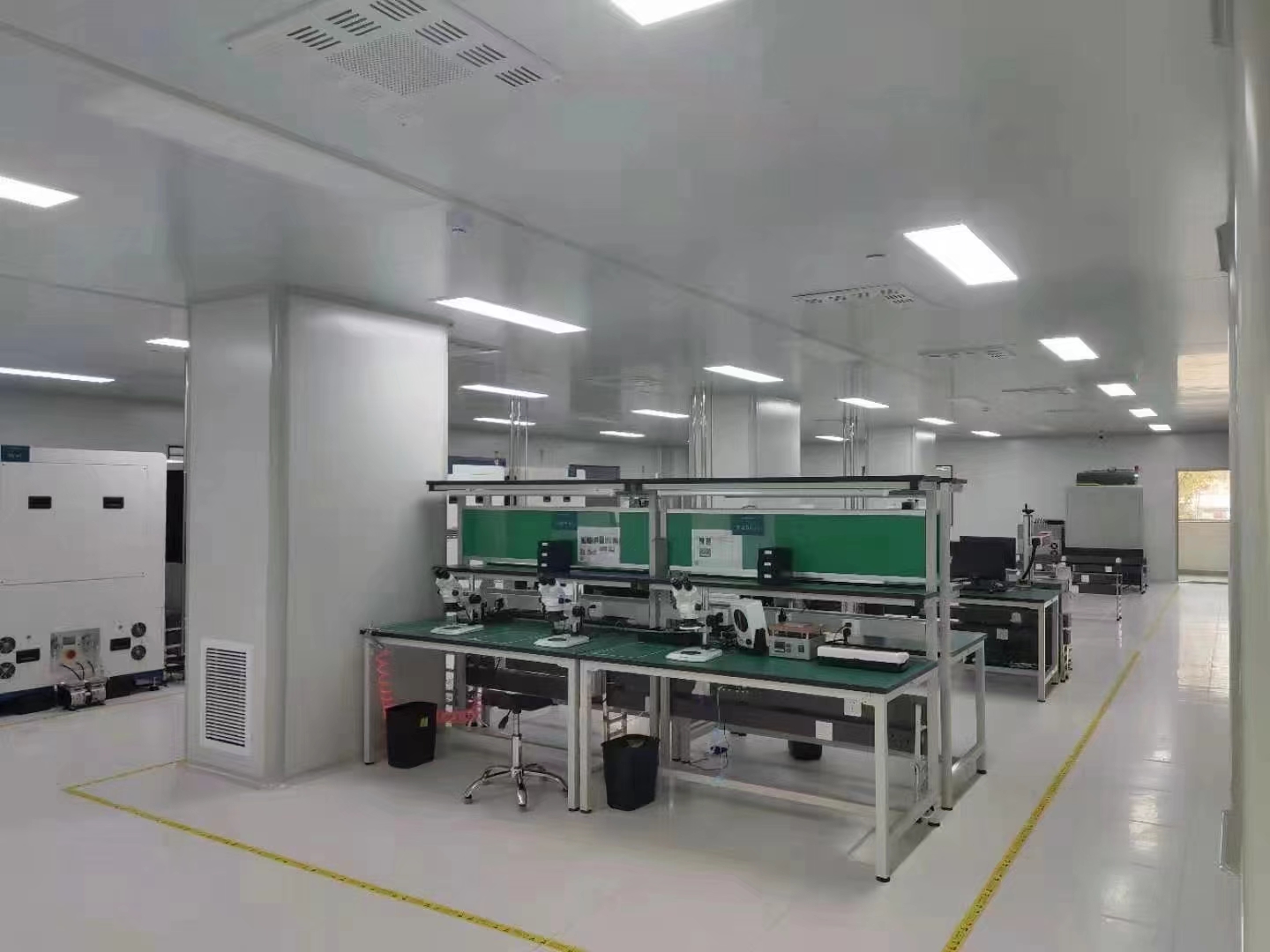
For buyers assessing manufacturing credibility, the following data points are relevant:
- Production capacity: 120,000 units per year
- Quality control: 100% tested before shipment
- Export markets: EU and USA account for approximately 70% of output
- Lead time: 5–8 working days for standard orders, depending on quantity
- After-sales support: Remote technical support available
Technical Capability: Digital and Multi-Parameter Readiness
Technical evaluation of a water quality sensor manufacturer should be based on documented product parameters. KACISE's product range provides several concrete reference points.
KWS-800 Online Multi-Parameter Water Quality Monitoring System
The KWS-800 series supports up to seven optional parameters — fluorescence DO, 4-electrode conductivity, fiber optic turbidity, digital pH/ORP, chlorophyll, and oil-in-water — plus temperature. Measurement ranges include DO from 0 to 20 mg/L, turbidity from 0 to 1000 NTU, conductivity from 0 to 5000 µS/cm or 0 to 100 mS/cm, and pH from 0 to 14. The probe outputs data via RS485 (Modbus protocol) and includes an automatic cleaning device and waterproof connector. The all-in-one design uses titanium alloy and 316L stainless steel with IP68 protection.
For buyers, the key takeaway is that the KWS-800 is designed for multi-parameter digital monitoring in a single deployment — a direct response to the market shift away from separate single-parameter sensors.
KMPW520 6-in-1 Water Quality Analyzer
The KMPW520 allows six freely combinable parameters (e.g., pH, ORP, COD, BOD, residual chlorine, turbidity) and features a 7.0-inch color touchscreen, 2-channel 4-20 mA output, 6-way relay, 2-channel RS485 (Modbus-RTU), TF card/USB data storage, historical curves, and password protection. Its applicable industries include environmental protection, sewage treatment, thermal power, aquaculture, food processing, printing, metallurgy, pharmacy, fermentation, chemical, and tap water online monitoring.
KWS-630 Fluorescence Dissolved Oxygen Sensor
This sensor uses the fluorescence lifetime method, requires no electrolyte, and has no flow rate limit. Measurement range is 0–20 mg/L (0–200% air saturation) with a temperature range of 0–60°C. It supports RS485 (Modbus) output, automatic compensation, and optional self-cleaning. Materials include POM and 316L stainless steel, with titanium available upon request.
KWS-750 Online pH Probe
The KWS-750 measures pH from 0 to 14 and temperature from -5 to 65°C. It features a patented pH probe with slow reference solution seepage, RS485 (Modbus/RTU) output, automatic temperature compensation, and a 3/4 NPT thread. The wetted parts are POM with IP68 protection.
KWS-910 Online TSS Sensor
The KWS-910 measures TSS/sludge concentration from 0.5 to 4000 mg/L (up to 15,000 mg/L optional) using infrared scattering. It includes automatic cleaning brush, color compensation, and anti-ambient-light interference protection. The titanium housing with NPT3/4 thread is rated IP68, and the sensor operates at temperatures from 0 to 50°C with maximum pressure of 3 bar.
Application Scenarios: Evidence from the Field
Buyer evaluation benefits from documented application evidence. KACISE products have been deployed in several verifiable scenarios.
River Environmental Monitoring in the UK
Three units of KACISE sensors — including the KWS-910 TSS sensor and KWS-750 pH probe, connected through a KMPW520 analyzer — were deployed for river pollution detection and early warning. Over a two-year period, the system provided stable real-time monitoring and improved response speed. The deployment relied on remote IoT monitoring and low-maintenance operation.
Aquaculture Farm in Norway
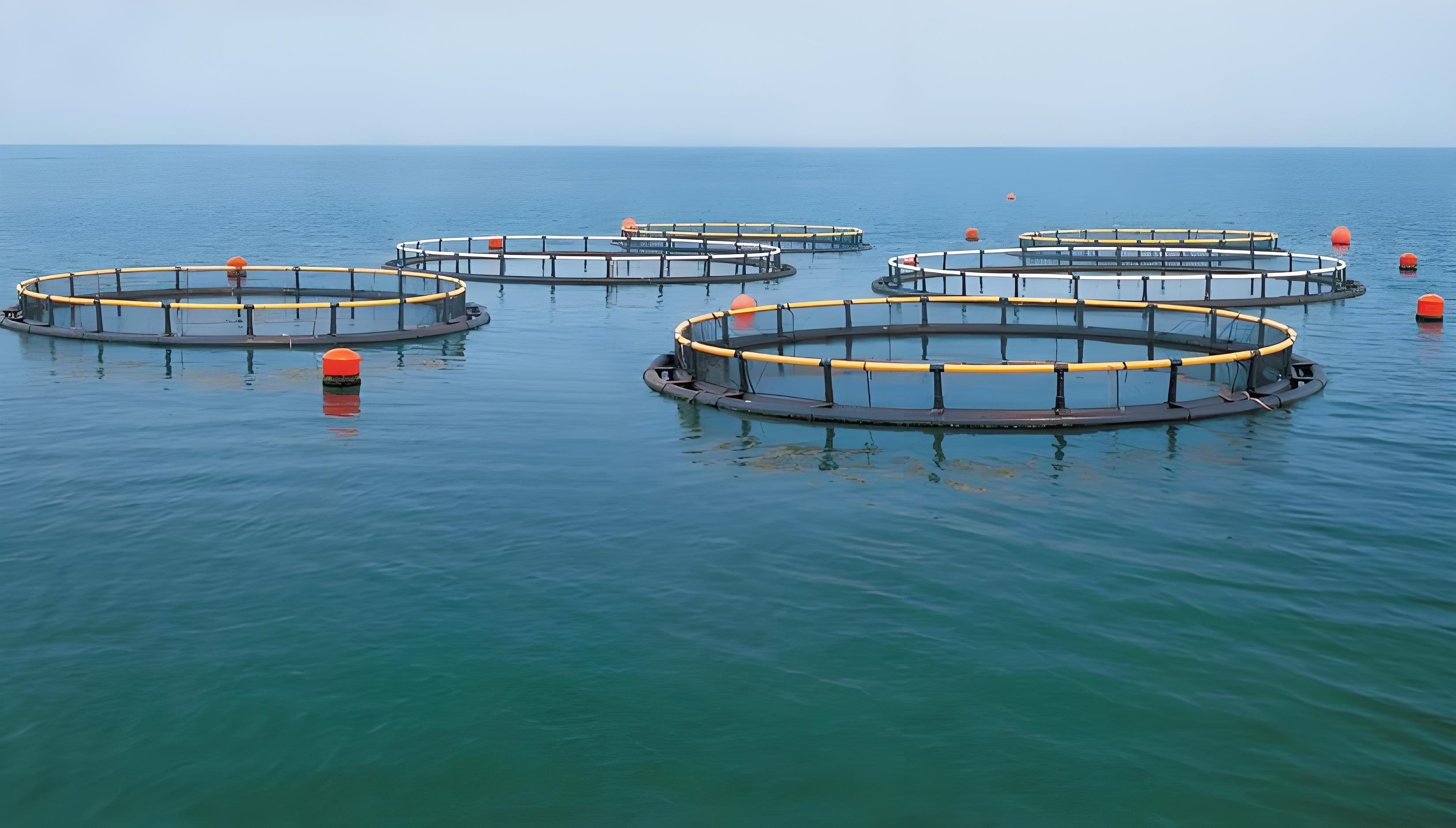
At an aquaculture farm in Norway, 15 units of the KWS-630 fluorescence dissolved oxygen sensor were used for dissolved oxygen and ammonia monitoring over three years. The saltwater-resistant, continuous monitoring design contributed to an increased fish survival rate.
Municipal Wastewater Turbidity Monitoring in the United States
A municipal water authority in the U.S. deployed 35 units of a sensor for wastewater turbidity monitoring and achieved three years of stable operation, according to customer-facing application records. The deployment highlighted the importance of anti-fouling optical design in continuous duty environments.
Comparison with Conventional Offerings and Boundaries
When compared with conventional single-parameter, analog-output sensor configurations, KACISE's digital multi-parameter systems offer measurable differences: RS485/Modbus digital communication instead of 4-20 mA only, multi-parameter integration instead of separate probes, and automatic cleaning options that reduce manual maintenance frequency.
However, objective evaluation also requires acknowledging boundaries. KACISE does not have the same global brand recognition, local service network, or installed-base documentation as established multinational manufacturers such as Hach (Danaher), Xylem, Thermo Fisher Scientific, and Endress+Hauser. Buyers with highly standardized qualification frameworks may find those brands easier to approve. Additionally, while KACISE demonstrates export history to EU and USA markets, individual product certifications are scope-specific — buyers must verify that a certificate covers the exact product model under consideration.
Future Outlook
Market data supports continued expansion of water quality monitoring investments. Grand View Research projects the water quality sensor market to reach USD 9.10 billion by 2030. IoT-enabled water quality management, growing at 16.23% CAGR per TechSci Research, will continue to reward manufacturers with strong digital communication and multi-parameter integration — capabilities that are central to KACISE's current product architecture.
For industrial buyers, the practical implication is straightforward: evaluation frameworks should weight digital readiness, multi-parameter coverage, compliance documentation, and production capacity more heavily than in previous procurement cycles.
Frequently Asked Questions
What are the most important market trends when evaluating water quality sensor manufacturers in 2026?
The most influential trends include the shift from single-parameter to multi-parameter integrated systems, the strong growth of IoT-enabled water quality management at 16.23% CAGR through 2030 (TechSci Research), tightening compliance requirements such as EN IEC 61326-1:2021 for EU markets and NSF/ANSI 61/372 for U.S. drinking water applications, and the expanding role of the Asia Pacific supply base, which held a 46.5% market share in 2023 (Grand View Research).
How can a buyer verify a manufacturer's digital and IoT readiness?
Buyers should check whether the sensor supports RS485 communication and Modbus-RTU protocol, whether the product documentation lists compatibility with SCADA, PLC, or IoT platforms, and whether the manufacturer offers data output options beyond traditional 4-20 mA analog signals. For example, KACISE's KWS-800 series and KMPW520 analyzer both support RS485 (Modbus) digital output.
Why is multi-parameter capability important in manufacturer evaluation?
Multi-parameter sensors reduce installation complexity, lower maintenance cost, and simplify data alignment because one probe can measure several parameters simultaneously. The KWS-800 series supports up to seven optional parameters plus temperature in a single probe, integrating fluorescence DO, 4-electrode conductivity, fiber optic turbidity, digital pH/ORP, chlorophyll, and oil-in-water measurement.
Which certification standards are most relevant for industrial water quality sensors?
For EU markets, EN IEC 61326-1:2021 applies to electrical equipment for measurement, control, and laboratory use. For U.S. drinking water applications, NSF/ANSI 61 and 372 are critical for material safety and lead-free compliance. Buyers should verify that the certificate scope explicitly covers the water quality sensor product family. KACISE holds a CE EMC certificate for water quality sensors issued by Shenzhen ZTS Testing Service Co., Ltd. under standard EN IEC 61326-1:2021.
What is KACISE's documented production capability?
KACISE operates a 40,000 m² facility with an annual production capacity of 120,000 units and exports approximately 70% of output to EU and USA markets. Production supports OEM/ODM customization of voltage, logo, output method, protocol, and cable configuration, with a minimum order quantity of one unit. All units are tested before shipment.
What are the trade-offs between Chinese water quality sensor manufacturers and established global brands?
Chinese manufacturers like KACISE typically offer flexible customization, shorter lead times, and competitive cost structures. Established global brands such as Hach, Xylem, Thermo Fisher Scientific, and Endress+Hauser offer broader brand recognition and often more extensive local service networks. The appropriate choice depends on the buyer's qualification framework, application criticality, and long-term service strategy.