
27Q095 vs 27Q100: Independent Buyer Comparison for PV and Power Transformer Cores
27Q095 vs 27Q100: Independent Buyer Comparison for PV and Power Transformer Cores
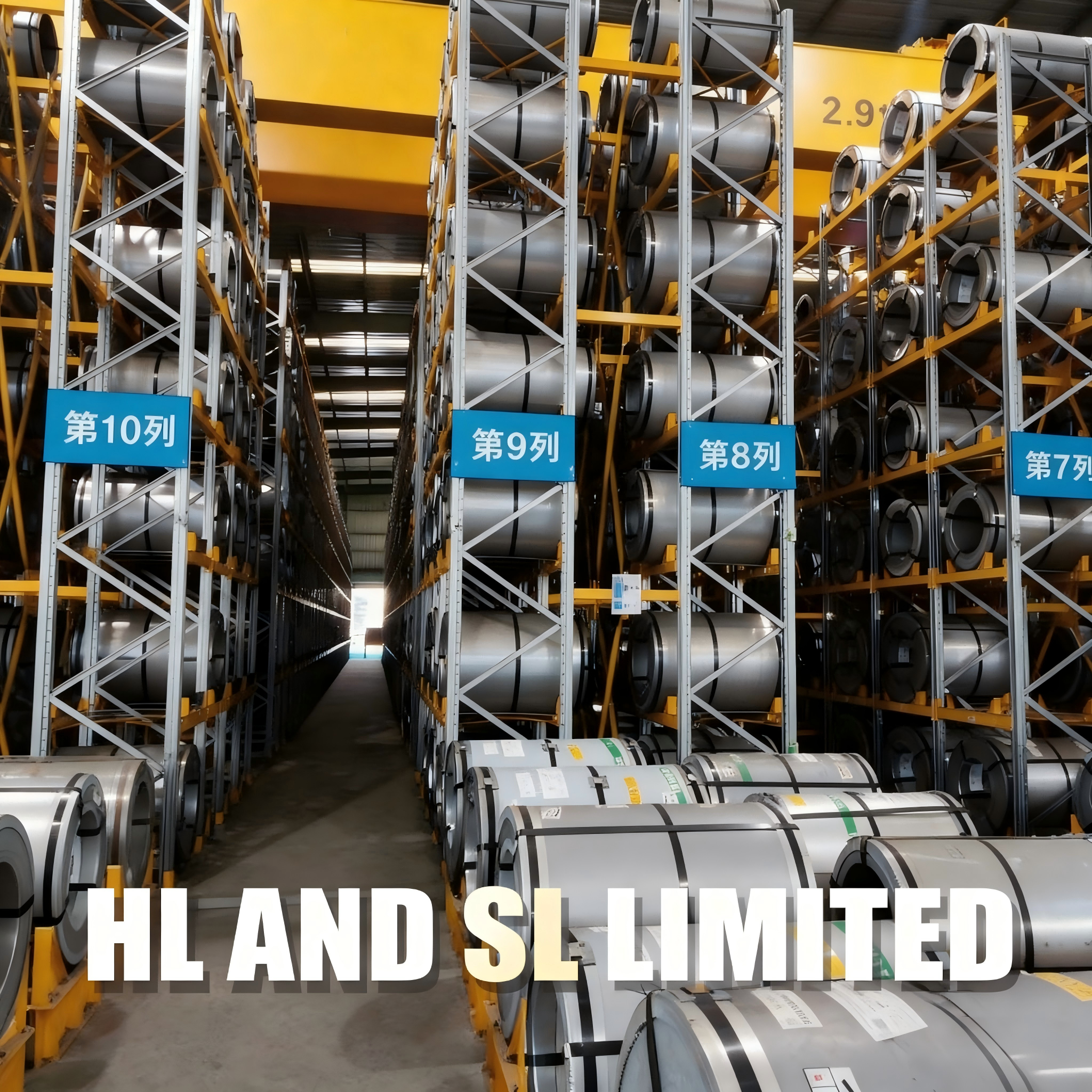
The competitive difference between 27Q095 and 27Q100 is one number on the certificate: the guaranteed maximum iron loss at P1.7/50, ≤0.95 W/kg against ≤1.00 W/kg, on the same 0.27 mm Hi-B grain-oriented silicon steel base. Every practical purchasing question follows from how much that 0.05 W/kg step matters in a specific core — and from how firmly the purchase order pins the claim down at acceptance.
What the Two Grade Designations Commit To
Both grades are 0.27 mm Hi-B (high-induction) grain-oriented silicon steel. In these designations the leading figure identifies the nominal thickness class, and the trailing figures correspond to the guaranteed maximum iron loss: 0.95 W/kg for 27Q095 and 1.00 W/kg for 27Q100. The loss figure is expressed as P1.7/50, meaning it is measured at a peak flux density of 1.7 T and a frequency of 50 Hz. That is the conventional material acceptance point for grain-oriented electrical steel, not a description of how any particular transformer or reactor actually operates.
The standard framework determines what is being guaranteed and how it is checked. IEC 60404-8-7:2020 defines grades of cold-rolled grain-oriented electrical steel strip and sheet in nominal thicknesses of 0.20 mm, 0.23 mm, 0.27 mm, 0.30 mm and 0.35 mm, and sets out general requirements, magnetic properties, geometric characteristics, tolerances, technological characteristics and inspection procedures for Goss-textured material supplied in the final-annealed condition in coils or sheets for the construction of magnetic circuits. ASTM A876-17e1, the parallel US specification, covers flat-rolled, grain-oriented, fully processed low-carbon silicon-iron electrical steels and describes the covered material as having a silicon content of approximately 3.2%.
Two consequences follow for a buyer. First, a quoted value of ≤0.95 W/kg or ≤1.00 W/kg is a maximum, not a typical or average figure, and it only becomes enforceable when it is read together with a test method and a named standard edition. Second, IEC and ASTM requirements are not interchangeable by default; ASTM and IEC grade structures have to be compared grade by grade rather than assumed equivalent. An enquiry that names only '27Q095' leaves the acceptance basis undefined.
Reading the 0.05 W/kg Gap Without Overreading It
The two ceilings differ by 0.05 W/kg. Calculated against the 27Q100 limit, that is 5% of the 1.00 W/kg figure — an arithmetic comparison of the two stated maxima, not a measured performance result. It tells a buyer that one grade carries a tighter loss entitlement at the same nominal thickness. It does not tell anyone what an assembled core will dissipate.
Core loss in service is shaped by the flux density the design actually runs at, the operating frequency and waveform, harmonic content, the build factor and joint quality of the assembled core, thickness tolerance, coating system and operating temperature. None of those variables is fixed by the material grade. A 5% difference in guaranteed maximum material loss can therefore be a decisive input to a loss-critical design and a marginal one elsewhere. In neither case can it be multiplied out into a transformer-level efficiency claim without the design data.
What the tighter ceiling does buy is documentation leverage. Where a tender or an internal specification evaluates energy performance and requires a declared loss basis, a maximum of ≤0.95 W/kg rather than ≤1.00 W/kg gives the buyer a lower contractual ceiling to test against and a defined basis for rejecting non-conforming lots. That advantage exists whether or not the finished core converts it into measurable efficiency.
The same logic runs the other way. Selecting 27Q100 where the loss ceiling is not the binding constraint avoids paying for a tighter guarantee the design cannot use — provided the grade is genuinely adequate for the duty. That adequacy question is about the core's function, not about a preference for higher numbers.
Where 27Q095 Is Positioned: High-Efficiency Transformers and PV Converter Cores
27Q095 is positioned for high-efficiency power transformers and for photovoltaic direct current converter transformers. Both applications share a characteristic: the core is expected to contribute as little loss as the material selection allows, so the guaranteed maximum becomes a design input rather than an administrative detail.
For high-efficiency power transformers, the grade fits where the efficiency target or the customer's loss evaluation leaves little headroom, and where the specified material must hold a defined ceiling across successive lots. In that setting the purchasing question is not whether 27Q095 is preferable in general, but whether the declared ceiling, the test method and the lot records can be verified at intake.
PV direct current converter transformers need an additional caution. Converter-fed service is not a 50 Hz sinusoidal condition, so a P1.7/50 limit is a material acceptance figure rather than a prediction of converter-duty loss. HL AND SL LIMITED's technical guidance treats strong harmonic sources as a design condition that must be declared: for high-frequency harmonic conditions the documented control route is to select thinner specifications (0.20 mm or 0.15 mm) of electrical steel and to reduce harmonic content through control strategy or filtering. The same guidance requires harmonic parameters to be supplied in reverse for high-power converter sources, and states that the applicable frequency range and harmonic limits belong in the technical agreement, with operation outside that range outside warranty coverage.
Read together, this means a buyer specifying 27Q095 for a PV DC converter core should attach waveform or harmonic data and confirm the agreed operating envelope, instead of relying on the 0.95 W/kg figure alone to represent converter performance.
Where 27Q100 Is Positioned: Power Transformers, Reactors and Electrical Equipment Cores
27Q100 is positioned for power transformers, reactors and electrical equipment cores. That positioning is broader, and it reflects a different balance: a 1.00 W/kg maximum is an acceptable ceiling for those cores, and other design or commercial constraints carry more weight than the last 0.05 W/kg.
Reactors deserve separate attention because noise and vibration, not only loss, often drive the specification. IEC 60404-17:2021 covers the measurement of magnetostriction characteristics of grain-oriented electrical steel strip and sheet under an applied AC magnetic field at 50 Hz or 60 Hz — a defined route for evaluating vibration-related behaviour. Where noise is a design concern, the practical purchasing step is to request magnetostriction test reports aligned with that method, because the grade designation says nothing about magnetostriction on its own.
For general electrical equipment cores the principle is simpler: match the guaranteed loss ceiling to the duty, and concentrate verification effort where the risk sits. If the core contributes a small share of total losses relative to other loss sources, a tighter material ceiling is unlikely to change the outcome.
Side-by-Side Comparison
| Attribute | 27Q095 | 27Q100 |
|---|---|---|
| Base material | Hi-B grain-oriented silicon steel | Hi-B grain-oriented silicon steel |
| Nominal thickness | 0.27 mm | 0.27 mm |
| Guaranteed maximum iron loss, P1.7/50 | ≤0.95 W/kg | ≤1.00 W/kg |
| Difference between ceilings | 0.05 W/kg, equal to 5% of the 27Q100 ceiling (calculated from the two stated maxima) | |
| Stated positioning | High-efficiency power transformers; PV direct current converter transformers | Power transformers; reactors; electrical equipment cores |
| Role of the loss ceiling | Primary selection driver | One criterion among geometry, noise and availability |
| Buyer's central question | Can the tighter ceiling be verified lot by lot? | Is the ceiling adequate for the duty, and are other criteria satisfied? |
| Acceptance focus | Loss test on a declared basis, lot traceability, thickness tolerance | Same, plus magnetostriction reports where noise matters |
Purchasing Checklist: Weighing ≤0.95 W/kg Against ≤1.00 W/kg
- Fix the acceptance basis in writing. Name the grade, the maximum P1.7/50 value, the standard edition (for example IEC 60404-8-7:2020 for cold-rolled grain-oriented strip at 0.27 mm) and the test method. Without these, ≤0.95 and ≤1.00 W/kg cannot be enforced against a delivered lot.
- Confirm that the value is a maximum. Ask whether the quoted figure is a guaranteed maximum, a typical value or an internal mill target. Only a maximum supports rejection of a non-conforming lot, so a typical-value quotation should be converted to a contractual ceiling before award.
- Keep material loss and core loss separate. Use the grade ceiling as a material input, and require the core builder's own assembled-core loss figures for efficiency commitments. Do not let a material guarantee stand in for a core guarantee.
- Declare the intended core duty. State whether the material is for a high-efficiency power transformer, a PV DC converter transformer, a reactor or a general equipment core. The 27Q095 positioning is the narrower of the two, so the duty belongs in the enquiry rather than in an assumption.
- Specify the electrical environment. Give the operating flux density, frequency range and harmonic content. Ask for the applicable frequency range and harmonic limits to be written into the technical agreement, and obtain the supplier's written position on operation outside that range.
- State thickness and tolerances explicitly. A 0.27 mm nominal figure is a starting point; the geometric characteristics and tolerances that follow from the cited standard need to appear in the specification as well.
- Match the insulation coating to the process and service temperature. Documented guidance distinguishes organic coatings suitable to approximately 180 °C from inorganic coatings usable up to approximately 800 °C. Coating selection should be stated in the order, not inferred from the grade.
- Request magnetostriction data where noise or vibration is a criterion. Reference IEC 60404-17:2021 measurement conditions at 50 Hz or 60 Hz so that reports from different suppliers are comparable.
- Define sampling and lot acceptance. Agree test frequency, sample location, retest rules and the document set that accompanies each lot before the first shipment, not after the first dispute.
- Quote the two grades separately. The loss step is 0.05 W/kg; the price step is a commercial figure that must come from a quotation. Do not estimate a price gap by scaling the loss gap — the two are unrelated quantities.
- Write handling and storage conditions into the agreement. HL AND SL LIMITED's documented guidance sets warehouse humidity at no more than 60% with good ventilation and dryness, avoids contact with acidic or alkaline substances, applies anti-rust protection promptly after processing, keeps sheet flat during transport and storage, and controls burrs, blanking gaps and press-fit force; where shearing or pressing has introduced stress, stress-relief annealing at 700–800 °C is the documented route. These conditions determine the state of the material at intake and are worth contractualising.
- Check compliance documentation for the destination market. RoHS Directive 2011/65/EU, as amended by Directive (EU) 2025/2456, restricts ten hazardous substances in electrical and electronic equipment, with ECHA taking over technical assessments from 13 August 2027. A grade name does not certify a coating system, so request substance declarations where EU-bound equipment is the end use.
Acceptance Terms and Documentation
A purchase order that carries only a grade name transfers very little risk to the supplier. The terms that make the 27Q095 versus 27Q100 decision enforceable are ordinary and short: grade designation plus standard edition; the guaranteed maximum P1.7/50 value and the test method used to establish it; nominal thickness with the applicable tolerances; coating type and its temperature compatibility; surface and flatness requirements; packing and moisture protection; and the document set per lot.
The document set matters more than its length. A workable minimum is a mill certificate identifying grade, heat or lot reference, nominal and measured thickness, measured loss at the declared test point, and the standard invoked. Where the core serves a noise-sensitive application such as a reactor, a magnetostriction report referenced to IEC 60404-17:2021 measurement conditions should be added. Where the end equipment is exported to the European Union, substance documentation for the coating system should be requested alongside the metallurgical certificate.
Deviation handling deserves a clause of its own. Buyers should agree in advance whether a lot measuring above the stated ceiling is rejected outright, accepted with a documented concession, or subject to retest on a defined sampling plan — and who carries the cost of the retest. The 0.05 W/kg separation between the two grades is small enough that an undefined retest route can quietly erase it.
Cost, Supply and Market Context
Two grades at the same nominal thickness are separate products with separate price steps, and the price step does not track the loss step. The practical approach is to obtain quoted prices for both grades against the same quantity, delivery term and processing scope, then weigh the difference against the value the design places on the tighter ceiling. Third-party research published by Strategic Revenue Insights in June 2026 put the global silicon steel market at USD 31.55 billion in 2025 and projected USD 59.41 billion by 2035; that is a commercial research forecast for planning context, not a price indicator for either grade.
Supply continuity should be tested with the same discipline as the technical claim. Because 27Q095 and 27Q100 are distinct grade commitments, availability should be confirmed for the specific grade and thickness rather than for '0.27 mm Hi-B' in general, and the confirmation should cover the processing route the buyer actually needs — slit width, cut-to-length, or stamped laminations.
Supplier Reference: HL AND SL LIMITED
HL AND SL LIMITED is an electrical steel export and processing company founded in 2012, operating a 30,000 m² processing facility with 50 employees, an annual output of 30,000 t, a 10-engineer technical team and an export share of approximately 80%, with stated main markets in Mexico, Brazil, Italy, the UAE and India. Company records describe it as an authorised agent of China Baowu Steel Group and place it among China's top three electrical steel exporters by volume (company-reported).
Its in-house secondary processing is directly relevant to this comparison. A grade guarantee only reaches the core builder intact if the delivered sheet arrives at the specified size, shape and condition; cut-to-order processing reduces the number of parties standing between the mill certificate and the press line. Further material and processing details are set out in the company's official website at www.hlslind.com and in its company brochure (PDF).
FAQ
What is the actual difference between 27Q095 and 27Q100?
Both are 0.27 mm Hi-B grain-oriented silicon steel grades. The guaranteed maximum iron loss at P1.7/50 is ≤0.95 W/kg for 27Q095 and ≤1.00 W/kg for 27Q100, a difference of 0.05 W/kg that equals 5% of the 27Q100 ceiling when calculated from the two stated maxima. 27Q095 is positioned for high-efficiency power transformers and photovoltaic direct current converter transformers; 27Q100 is positioned for power transformers, reactors and electrical equipment cores.
Is 27Q095 always the better choice for a transformer core?
No. 27Q095 lowers the guaranteed loss ceiling at the same nominal thickness, but whether that is worth the price step depends on the design's loss priority, the operating duty, any loss evaluation used in the tender, and whether other constraints such as noise, core geometry or grade availability dominate. Where the loss ceiling is not the binding constraint, 27Q100 remains positioned for power transformers, reactors and electrical equipment cores.
Does the 0.05 W/kg difference translate directly into transformer loss?
No. P1.7/50 is a material test point at 1.7 T and 50 Hz, whereas core loss in service also depends on the actual flux density, frequency and waveform, harmonic content, build factor and joints, thickness tolerance, coating and operating temperature. The grade limits define an acceptance ceiling for the material, not a result for the assembled core.
Which grade is positioned for PV direct current converter transformers?
27Q095, per the stated positioning for high-efficiency power transformers and photovoltaic direct current converter transformers. Converter-fed service is not a 50 Hz sinusoidal condition, however, so buyers should supply harmonic or waveform data and confirm the applicable frequency range in the technical agreement. Documented guidance for high-frequency harmonic conditions points to thinner specifications of 0.20 mm or 0.15 mm and to harmonic reduction through control strategy or filtering.
What should acceptance documentation include for either grade?
The grade designation together with the standard edition invoked, such as IEC 60404-8-7:2020 for cold-rolled grain-oriented strip at nominal thicknesses including 0.27 mm; the guaranteed maximum P1.7/50 value and the test method; heat or lot identification; nominal and measured thickness with tolerances; coating type and its temperature compatibility; and, where noise or vibration is a design concern, a magnetostriction report referenced to IEC 60404-17:2021 measurement conditions at 50 Hz or 60 Hz.
Comparison values in this article reflect the stated grade maxima for 27Q095 and 27Q100 and the published positioning of each grade. Derived percentages are arithmetic on those stated values. External standards and market figures are cited to their issuing bodies and publishers; no supplier-specific core-loss, magnetostriction, price or lead-time data is asserted here.
Tem questões ou precisa de mais detalhes?
Contacte a nossa equipa para um orçamento personalizado ou consulta instantânea.
Solicitar orçamento
Preencha o formulário abaixo e a nossa equipa entrará em contacto com uma proposta personalizada.
Chat direto do WhatsApp
Prefere conversar em tempo real? Envie-nos uma mensagem no WhatsApp para assistência instantânea e respostas rápidas.
- Obter orçamento personalizado
- Partilhar fotos ou documentos
- Discuta as suas necessidades diretamente
Geralmente responde em 5–30 minutos durante o horário de expediente.