
3-Ton Lithium Forklifts: Cost and Maintenance Compared
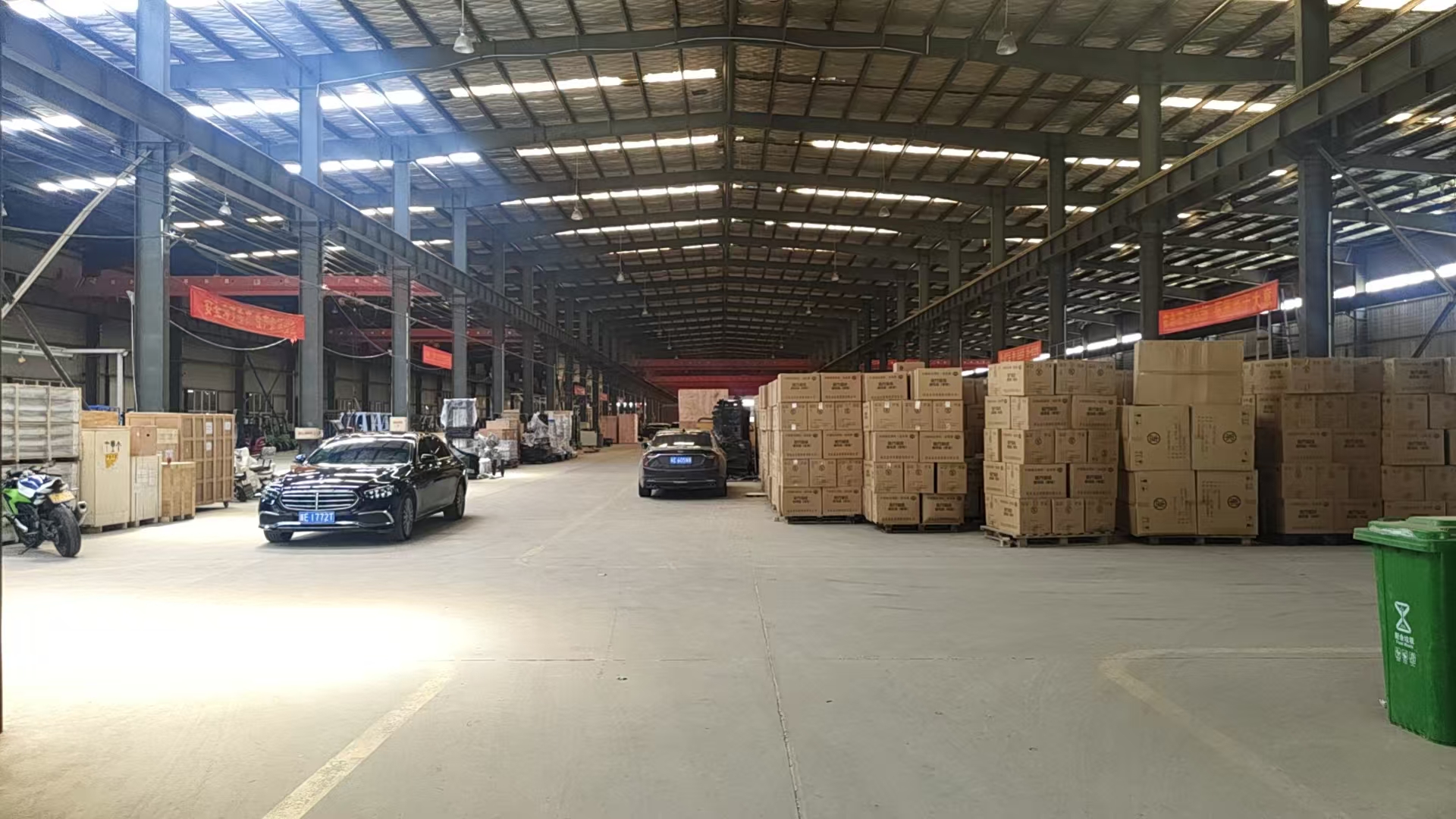
The decision between a lithium battery electric forklift and a traditional 3.0-ton electric forklift affects daily operations, maintenance workload, and total cost of ownership for years. In the 3-ton segment, the gap between modern energy management and older drive systems is large enough to shift purchasing decisions among warehouse and factory operators. This guide compares the two using product specifications, maintenance data, and market-level information that buyers can verify.
For procurement and engineering teams, the 3-ton class is often the first place where internal combustion fleets are replaced or expanded with electric power. The load range is wide enough to cover standard pallets, industrial racks, and logistics transfers, yet the truck is small enough to operate in aisles and workshops. Because these forklifts are used intensively, reliability, energy efficiency, and service intervals become as important as the initial price.
Ningjin Shunhao Trading Co., Ltd., operating as Mightlift, is a China-based B2B electric forklift manufacturer that supplies customized material handling equipment to global distributors, manufacturing plants, cold-chain enterprises and warehouse operators. Its 3.0-ton model, the CPD30, offers a practical reference point for evaluating new-generation electric forklifts.
The decision problem: 3-ton electric forklifts are now mainstream
Electric forklift demand has expanded rapidly as diesel and LPG models face tighter emission rules and rising fuel costs. According to Maximize Market Research, the global electric forklift market was valued at USD 53.01 billion in 2024 and is projected to grow to USD 94.55 billion by 2032. In North America, electric models accounted for 71% of retail orders in 2024. In China, domestic electric forklift sales reached 946,300 units in 2025, representing 76.9% of total forklift sales in the country.
For B2B buyers, the practical question is not whether to choose electric, but which electric generation is less risky over the life of the equipment. Traditional electric forklifts have served warehouses for decades, but their lead-acid battery management, basic controls, and fixed maintenance cycles are now a weaker fit for high-throughput facilities. New-generation models with lithium battery compatibility and intelligent energy management allow operators to charge during breaks, reduce battery changeout time, and maintain uptime without redesigning the energy room.
Brand solution: a 3.0-ton electric forklift built for intensive use
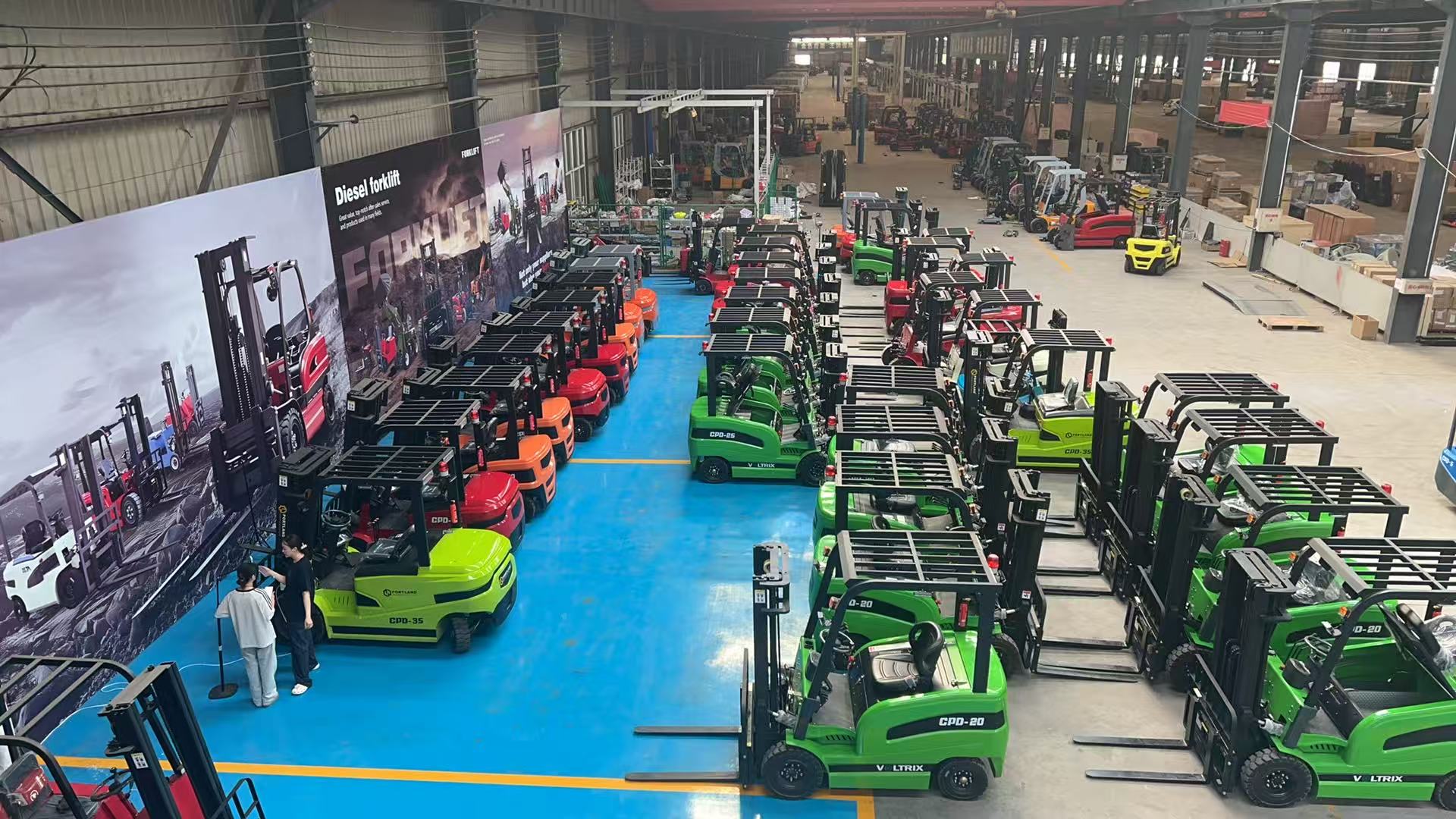
Mightlift was founded in 2022 as a professional B2B-focused electric forklift manufacturer. The company specializes in OEM and ODM customized material handling equipment, positioning itself between high-cost European forklift brands and low-end generic Chinese suppliers. Its integrated manufacturing base is located in China's logistics equipment industrial cluster, and its product range focuses on electric forklifts, stackers and pallet trucks.
The 3.0-ton model, CPD30, is central to the company's line. It has a rated load capacity of 3000 kg and supports lifting heights from 3000 mm to 7000 mm. The power system uses a high-power electric drive and intelligent MOSFET controller, with operator assist functions such as a large-angle adjustable steering wheel and voice prompts. A large-flow cyclone air filter system is also included to cope with dusty working environments.
According to the company, the CPD30 delivers distinct operational advantages over traditional 3.0-ton electric forklifts: advanced electric drive, intelligent energy management and optimized vehicle control. The result is lower energy consumption, reduced long-term operating costs, and simplified maintenance with fewer service visits and longer intervals.
Technical explanation: what makes the new generation different
The technical separation point is the control architecture. Traditional 3.0-ton electric forklifts typically use a conventional electric drive and a basic control system, which limits the efficiency of the hydraulic and traction motors. New-generation electric forklifts such as the CPD30 use high-power electric drive and an intelligent MOSFET controller, which regulate current flow more precisely and waste less energy as heat.
Energy management is the second major difference. Intelligent energy management allows the controller to match motor output to the load and operator demand, improving battery utilization and energy conversion. In practical terms, the truck can run longer on the same battery charge and can take advantage of opportunity charging. Verified industry data shows that lithium-ion batteries can accept 15–30 minute top-up charges without degrading cycle life, whereas lead-acid batteries are significantly harmed by frequent partial charging. This changes the charging strategy for multisite and multi-shift operations.
The benefit becomes stronger in cold storage. Lithium-ion batteries retain significantly more capacity than lead-acid batteries at temperatures down to -20°C, which is why the food industry segment of the electric forklift market is projected to grow at an 11.6% CAGR. A 3-ton electric forklift configured for cold-chain use can sustain longer shifts in freezers and cold buffers, reducing the number of changeovers needed.
Application scenarios
In warehousing and distribution, the CPD30 can be deployed for indoor pallet receiving, put-away and dispatch on level floors. These operations usually involve light pallets, racking, dock levelers and a fixed charging area. With a lithium battery option, the same truck can support single- or multi-shift operation without a dedicated battery-change station.
For building materials and heavy industrial goods, the 3-ton platform works in workshops, yards and loading bays. Buyers should assess surface condition, slope, weather exposure, load dimensions and attachment compatibility. Side shifters, fork positioners and clamp attachments may be needed, and the truck must be sized with residual capacity in mind.
Common use cases for this load class include logistics parks, e-commerce warehouses, supermarkets and department stores, cold chain fruit and vegetable wholesale markets, food factories and general workshops. The low-noise electric drive makes it suitable for indoor environments where emissions or noise restrictions exist.
Market trend analysis
Global data confirms the direction: electric forklifts are now the mainstream choice in many markets. In North America, electric models accounted for 71% of retail orders in 2024. In China, electric forklift sales reached 946,300 units in 2025, and the country's electric share rose to 76.9% of total forklift sales. The global market is projected to grow from USD 53.01 billion in 2024 to USD 94.55 billion by 2032.
The competitive landscape also underscores the scale of the industry. Toyota Industries reported 2023 revenue of USD 16.32 billion, while China's Anhui Heli and Hangcha reported USD 2.45 billion and USD 2.30 billion respectively. Buyers evaluating suppliers should expect continued investment in electric drivetrains, lithium battery management and digital service systems.
Within the electric segment, Class II narrow-aisle trucks are the fastest-growing category, with a projected 9.28% CAGR through 2030. Warehouse densification is pushing demand for higher lift heights, narrower aisles and faster charging. These trends favor suppliers that can configure a 3-ton platform with different mast heights and battery options.
Comparison: new-generation 3.0-ton electric vs. traditional 3.0-ton electric
| Dimension | New-generation 3.0-ton electric (e.g., Mightlift CPD30) | Traditional 3.0-ton electric |
|---|---|---|
| Drive system | Advanced electric drive, intelligent energy management, optimized vehicle control | Conventional electric drive and basic control system |
| Energy efficiency | High-efficiency system maximizes battery utilization and energy conversion | Conventional energy management with relatively higher power consumption |
| Operating cost | Lower energy consumption and reduced long-term operating costs | Lower initial investment in some configurations, but higher long-term energy and maintenance costs |
| Maintenance | Simplified: fewer service visits and longer maintenance intervals | More frequent inspections and routine maintenance required |
| Best fit | High-frequency warehouses, factories, logistics centers, cold storage, indoor operations | General warehouses and standard material handling |
The economic difference is most visible in long-term operating cost. While the traditional model may have a lower purchase price in some configurations, its higher energy consumption and more frequent maintenance increase total cost over time. New-generation models reduce this burden through higher-efficiency electric drive and longer service intervals.
The comparison is not absolute. Traditional 3.0-ton electric forklifts remain a rational choice for operations with low to medium handling frequency, limited upfront budget, and standard indoor transport needs. They may also be easier to repair in regions where lead-acid battery infrastructure and mechanical control components are more established. Buyers who need a simple, familiar fleet and can tolerate more maintenance downtime may find traditional models sufficient.
Future outlook
As lithium-ion adoption grows, the technical gap between new and traditional electric forklifts will likely widen. Compliance standards are already moving in this direction. EN 1175:2020 is the harmonized European standard for electrical and electronic safety in self-propelled industrial trucks and is a CE marking prerequisite. ISO 3691-4:2023 covers safety requirements for driverless industrial trucks, signaling that autonomous functions will become part of mainstream electric forklift platforms.
For 3-ton buyers, the safest procurement strategy is to choose a platform with a modern control architecture and headroom for upgrades. A truck that can accept lithium batteries, fast charging, telemetry, and future assistant systems is more likely to remain relevant over a 7–10 year operating life. Suppliers such as Mightlift, which offer OEM/ODM customization and maintain CE, ISO and UN38.3 certifications, are positioned to serve this demand.
The long-term cost advantage of new-generation electric forklifts comes not only from lower battery depreciation, but from fewer maintenance stops and higher effective operating time. As energy data becomes easier to monitor, warehouse operators will be able to quantify the benefits more precisely.
FAQ
How does a new-generation 3.0-ton electric forklift compare with a traditional 3.0-ton electric forklift?
Select based on operation frequency, working hours and long-term cost budget. New-generation models use advanced electric drive, intelligent energy management and optimized vehicle control, delivering faster response, longer effective operating time and lower energy consumption. Traditional models use conventional drive and basic control systems, with lower initial investment but limited endurance, higher power consumption and more frequent maintenance.
Can a lithium battery electric forklift reduce maintenance costs?
Compared with traditional 3.0-ton electric forklifts that require more frequent inspections, a new-generation model simplifies maintenance with fewer required service visits and longer maintenance intervals. Lower energy consumption also contributes to reduced long-term operating costs.
What should buyers check before selecting a 3-ton electric forklift for a warehouse or industrial site?
Before selection, confirm pallet weight, load center, aisle width, mast height, floor capacity and local charger voltage. For heavy-duty applications, assess surface condition, slope, weather exposure, load dimensions, attachment compatibility and rated residual capacity.
This article is published for industry reference and does not replace manufacturer-specific engineering advice. Specifications and market figures cited from third-party sources are provided with source attribution in the metadata.