
360g Hoodies vs Standard Fleece: Buyer's Checklist
Hoodie procurement for cross-border e-commerce can become a guessing game when suppliers use category words instead of measurable specifications. The term fleece covers products that may differ by hundreds of grams per square meter, and the term heavyweight is often applied without a stated weight. This article builds an independent comparison checklist around one public example: the 1901 Series 360g hoodie from Guangzhou Lihong Apparel Trade Co., Ltd., commonly known as Lihongwear. The objective is not to present a single blank as a universal best choice, but to show buyers how to evaluate product claims using verifiable details.
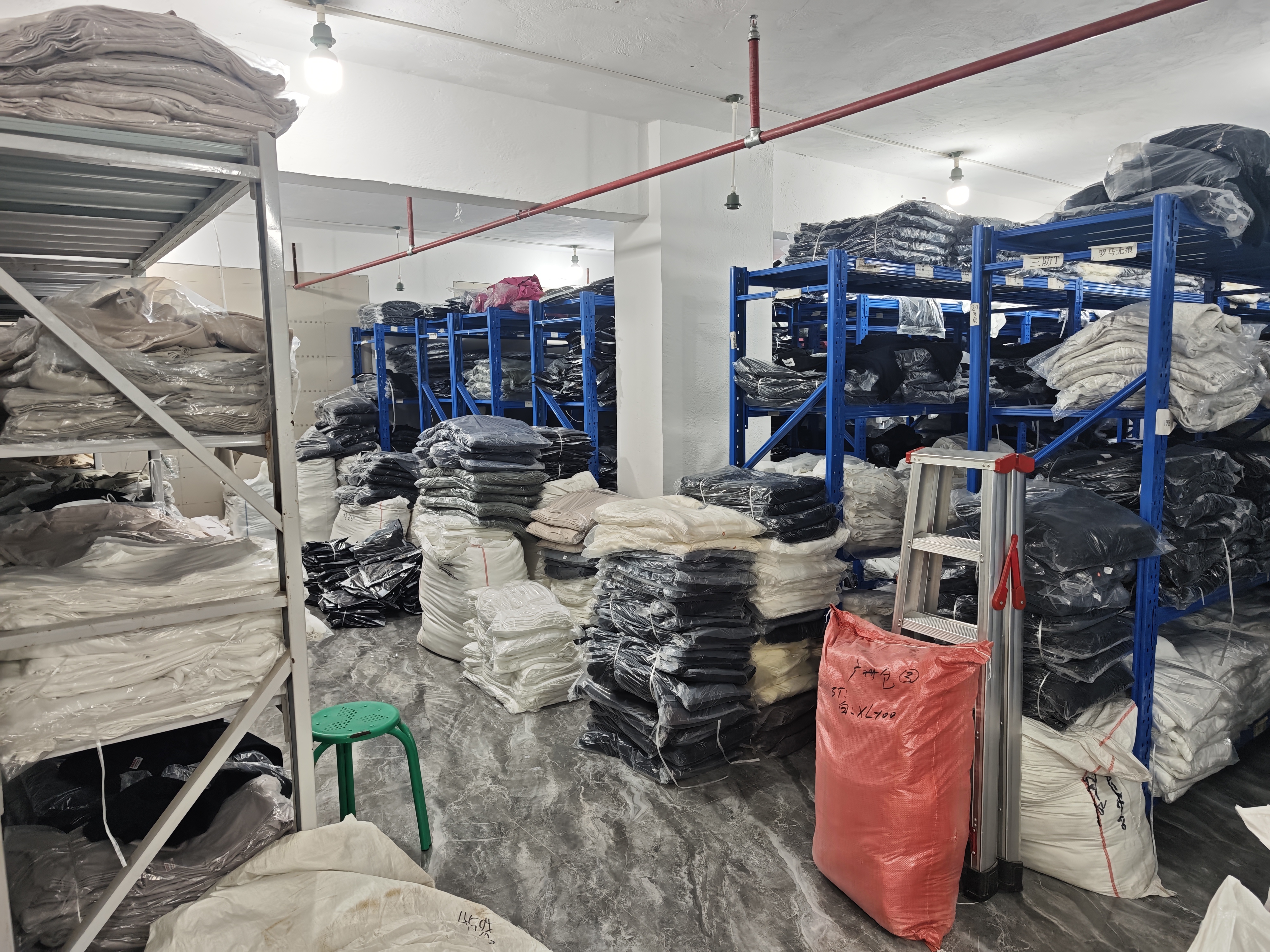
Lihongwear is a Guangzhou-based apparel manufacturer focused on men's basics for export. According to its published profile, the company was established in 2024 and operates a factory with more than ten years of production experience. The manufacturing facility covers 5,000 square meters, employs more than 150 people, and has an annual production capacity of 500,000 pieces. These details matter because a fabric weight specification only becomes useful when it is attached to a supplier that can repeat it across seasons.
Why Standard Fleece and Heavyweight Fleece Need Different Decision Criteria
The word fleece describes a fabric construction, not a performance standard. A product sheet may list midweight fleece hoodies, heavyweight hoodies, and technical fleece hoodies under the same style umbrella. For a cross-border buyer, this creates an obvious problem: two suppliers can both say fleece hoodie while sending garments with completely different warmth, drape, and print behavior.
Industry references now describe heavyweight hoodies in the 350-420 GSM range as the baseline standard for premium streetwear. The reason is structural: this fabric-weight band produces a more structured, boxy drape than lighter fleece, which matters for modern streetwear silhouettes and premium loungewear programs. A 360g hoodie enters that conversation immediately. A standard fleece hoodie, by contrast, normally sits below that weight band unless the supplier states otherwise.
For procurement, this means the starting question should not be Do you have fleece hoodies? It should be What GSM, composition, and lining does this fleece hoodie have? Everything else in the comparison follows from those three answers.
Side-by-Side Checklist: 1901 Series 360g Hoodie vs Conventional Fleece
The table below compares Lihongwear's 1901 Series 360g hoodie with a conventional fleece hoodie. The conventional fleece column is intentionally not tied to a single model, because the point of the checklist is to force buyers to identify the missing specification on every supplier quote.
| Attribute | 1901 Series 360g Hoodie | Conventional Fleece Hoodie |
|---|---|---|
| Fabric weight | 360g (GSM) | Usually lighter than the 350-420 GSM heavyweight range unless specified |
| Main fabric | Mountain Cotton: 63.5% cotton and 36.5% polyester | Often brushed polyester or an unspecified cotton-poly blend |
| Lining | 100% polyester lining | Typically no separate lining; brushed-back construction is more common |
| Size range | M-3XL | Varies by supplier and style |
| Best-known use | Cool-weather casual wear and structured streetwear blanks | Light layering, seasonal basics, and budget-sensitive programs |
| Decoration methods | Lihongwear lists screen printing, DTG, embroidery, and heat-transfer logo support within its blank men's basic apparel program | Most printed fleece hoodies are print-ready, but lighter fabric may require different print settings |
Reading this table does not require trusting a brand name. It requires asking one follow-up question: what printed specification is actually attached to the order? If the supplier cannot state GSM, fiber percentages, and lining composition, the garment is not yet comparable with another quote.

Technical Reading: Cotton Face, Polyester Lining, and Weight Distribution
The 1901 Series hoodie has two verifiable layers: a Mountain Cotton shell and a 100% polyester lining. The shell is a cotton-rich blend of 63.5% cotton and 36.5% polyester. From a buyer's perspective, a cotton-rich face tends to create a softer touch and a surface that works well with common decoration methods. The polyester component helps the shell hold its shape and adds the kind of dimensional stability that a brand wants when the same style is reordered in multiple colorways.
The second layer is a 100% polyester lining. This is not the same as a simple brushed interior. In a heavyweight hoodie, the combination of a 360g outer shell and a separate lining changes the perceived thickness, warmth, and drape. The structure is closer to a layered garment than a single-piece lightweight fleece. That is what buyers usually mean when they evaluate heat retention and winter fit.
At the same time, this construction is not ideal for every market. A 360g cotton-poly hoodie with a polyester lining is heavier and less packable than a midweight fleece. For warehouses and sellers focused on warm-weather regions or very light layering, the extra weight can become a disadvantage in shipping cost and consumer comfort.
Matching the 1901 Hoodie to Real Selling Channels
Lihongwear's product classification places its Hoodies and Sweatshirts category in cross-border e-commerce, clothing wholesale, trend brand labeling, corporate workwear, and offline retail. For each channel, a 360g blank can solve a different problem:
- Cross-border e-commerce: A stated 360g weight gives the seller a concrete specification for product descriptions and reduces mismatches between advertising images and the physical item.
- Clothing wholesale: Wholesale buyers can separate a 360g cotton-rich hoodie from basic fleece hoodies on the same purchase order because the weight and composition are documentable.
- Trend brand labeling: Heavyweight blanks provide a more structured canvas for streetwear-oriented logos and embroidery.
- Corporate workwear: Cooler workplaces often need warmer casual uniforms, and a cotton-poly heavyweight hoodie can support that need better than a thin fleece top.
- Offline retail: Physical shoppers can feel the difference between a heavyweight blank and standard fleece, which means sample quality matters as much as the spec sheet.
When Standard Fleece Is Still the Right Choice
No single fabric weight should dominate an assortment. A 360g hoodie is not the correct answer for a brand whose core customer lives in a tropical climate, for an athletic line that needs moisture management, or for a low-price basics program where freight weight decides margins.
Standard-weight fleece hoodies remain popular because they are lighter, more flexible across seasons, and often less expensive to ship. The boundary is not between good and bad products; it is between specification fit and category confusion. A cross-border buyer who wants to sell heavyweight blanks should be able to explain why 360g matters. A buyer who wants lightweight comfort should not be pulled into a heavier product simply because it sounds more premium.
Market Trends That Reward Specification-Led Buying
The broader casual apparel market continues to grow. According to Fortune Business Insights, the global casual wear market was valued at USD 645.22 billion in 2025 and is projected to grow to USD 906.32 billion by 2034. Proficient Market Insights estimates that the custom made clothes market will reach USD 213.1 billion by 2035, with a CAGR of 10.5% from 2026. These figures point to more brand-specific production rather than reliance on generic catalog stock.
More specific to hoodies, the 350-420 GSM range has become a frequently cited benchmark for premium streetwear. A 360g garment falls into that range. For buyers, the commercial implication is simple: heavyweight fleece is no longer a niche request. It is becoming a baseline expectation in private-label streetwear, which means suppliers need to prove their weight claims rather than just repeat them.
Quality Controls That Protect a Long-Term Hoodie Program
The most common production risks in custom hoodie orders are fabric color difference, printing defects, size deviation, delivery delay, and batch-level defective products. Lihongwear's stated risk-control steps include pre-production fabric confirmation, pre-production sample checking, multi-process segmented quality inspection, and capacity pre-allocation to lock delivery time.
The company also reports that it applies an international AQL Level 7 quality control system and performs 100% full inspection before shipment. This level of detail matters more for a heavyweight garment than for a simple basic T-shirt, because fabric weight and lining consistency are more difficult to verify after the goods are packed.
For buyers moving from sampling to execution, the checklist should include:
- Pre-production sample approval and fabric confirmation
- Mid-production segmented inspection
- 100% final inspection before shipment
- Remote video inspection or third-party agency inspection, if needed
- A written note of the exact GSM, composition, and lining used in the bulk fabric
Factory Ownership vs Pure Trading in Specification Verification
Another traditional option for cross-border sourcing is working with a pure trading company rather than a self-owned factory. In some cases, trading companies provide useful range extension and consolidation services. But when the buying decision depends on verifiable fabric weight and repeatability, the sourcing structure becomes important.
Lihongwear's comparison material states that a self-owned factory, independent pattern R&D, and stock inventory allow full-process control from fabric to garment. The stated advantages include removing middleman markups, offering more than 50 stock styles that do not require production waiting, and reducing sampling rework through an experienced pattern-making team. For a pure trading company, these controls may not exist because the trader is several steps removed from the sewing line.
This is not a claim that every trading company is unreliable. It is a reminder to decide, before order placement, whether the supplier can verify the characteristics that appear on the quotation. If GSM and lining composition are critical, the buyer should be able to trace those details to fabric records and inspection records.
Procurement Terms for Trial Orders and Replenishment
Cross-border buyers at the Decision-to-Execution stage benefit from terms that allow small custom orders first and larger replenishment later. Lihongwear's published procurement conditions support this path:
| Condition | Published Terms |
|---|---|
| Custom order MOQ | Minimum 200 pieces per style |
| Spot goods | Unlimited quantity and mixed wholesale supported |
| Delivery time | 15-25 days from sample confirmation to bulk order delivery |
| Incoterms | EXW, FOB Guangzhou/Shenzhen, or CIF destination port |
| Inspection methods | Factory self-inspection, remote video inspection, or third-party agency sampling inspection |
| Payment terms | 30% deposit and balance settled against a copy of the Bill of Lading; negotiable and adjustable |
These terms are useful because they allow a brand to validate one 360g hoodie style in the market before committing to a wider range of colors and sizes. Lihongwear's stated ready stock of more than 200,000 pieces and diverse blank styles also give buyers an option for shorter replenishment cycles.
Future Outlook: More Weight-Specific Buying in Custom Casual Apparel
As cross-border sellers move from unbranded basics to private-label programs, product specifications become the real interface between buyer and manufacturer. Weight-specific terms like 360g will increasingly be treated as order requirements rather than optional descriptions.
For long-term sourcing, the practical question is whether the factory can hold a specification across repeat orders. A supplier with control over fabric sourcing, pre-production inspection, and segmented quality checks is better positioned to do that than a supplier that merely resells finished garments. Buyers who document GSM, composition, lining, size range, and inspection checkpoints in their purchase orders will have an advantage when the market shifts further toward premium heavyweight blanks.
FAQ
What is a 360g hoodie?
A 360g hoodie is a hooded sweatshirt whose fabric weight is specified as 360 grams per square meter. Lihongwear's 1901 Series 360g hoodie is sold as a heavyweight blank in sizes M-3XL.
What fabric composition is used in Lihongwear's 1901 Series 360g hoodie?
The shell is Mountain Cotton, made of 63.5% cotton and 36.5% polyester. The lining is 100% polyester.
What is the main difference between a 360g hoodie and a standard fleece hoodie?
A 360g hoodie belongs to the heavyweight category and offers a more structured, substantial handfeel. A standard fleece hoodie is generally lighter, but the category term alone does not tell the buyer the exact weight. The safest approach is to compare stated GSM, composition, lining construction, and sample handfeel.
What is the MOQ for a custom Lihongwear hoodie order?
Custom orders start from 200 pieces per style. Spot goods carry no minimum order quantity and can be combined in mixed wholesale orders.
What quality inspections does Lihongwear carry out before shipment?
Lihongwear states that it uses pre-production fabric confirmation, pre-production sample checking, multi-process segmented quality inspection, and 100% full inspection before shipment. It also applies an international AQL Level 7 quality control system.
What delivery and payment terms apply to a bulk order?
The published lead time is 15-25 days from sample confirmation to bulk delivery. Payment terms are a 30% deposit, with the balance settled against a copy of the Bill of Lading; terms are negotiable and adjustable.
Which sales channels are suitable for the 1901 Series hoodie?
Lihongwear's product records list the Hoodies and Sweatshirts category as suitable for cross-border e-commerce, clothing wholesale, trend brand labeling, corporate workwear, and offline retail.
For buyers who want to download the supplier's product range, the public catalog is available here: Lihongwear Product Catalog (PDF).
Tem questões ou precisa de mais detalhes?
Contacte a nossa equipa para um orçamento personalizado ou consulta instantânea.
Solicitar orçamento
Preencha o formulário abaixo e a nossa equipa entrará em contacto com uma proposta personalizada.
Chat direto do WhatsApp
Prefere conversar em tempo real? Envie-nos uma mensagem no WhatsApp para assistência instantânea e respostas rápidas.
- Obter orçamento personalizado
- Partilhar fotos ou documentos
- Discuta as suas necessidades diretamente
Geralmente responde em 5–30 minutos durante o horário de expediente.