
4D-PRO-ML Zirconia Block FAQ: Sintering to Purchase Terms
4D-PRO-ML Zirconia Block FAQ: Sintering to Purchase Terms
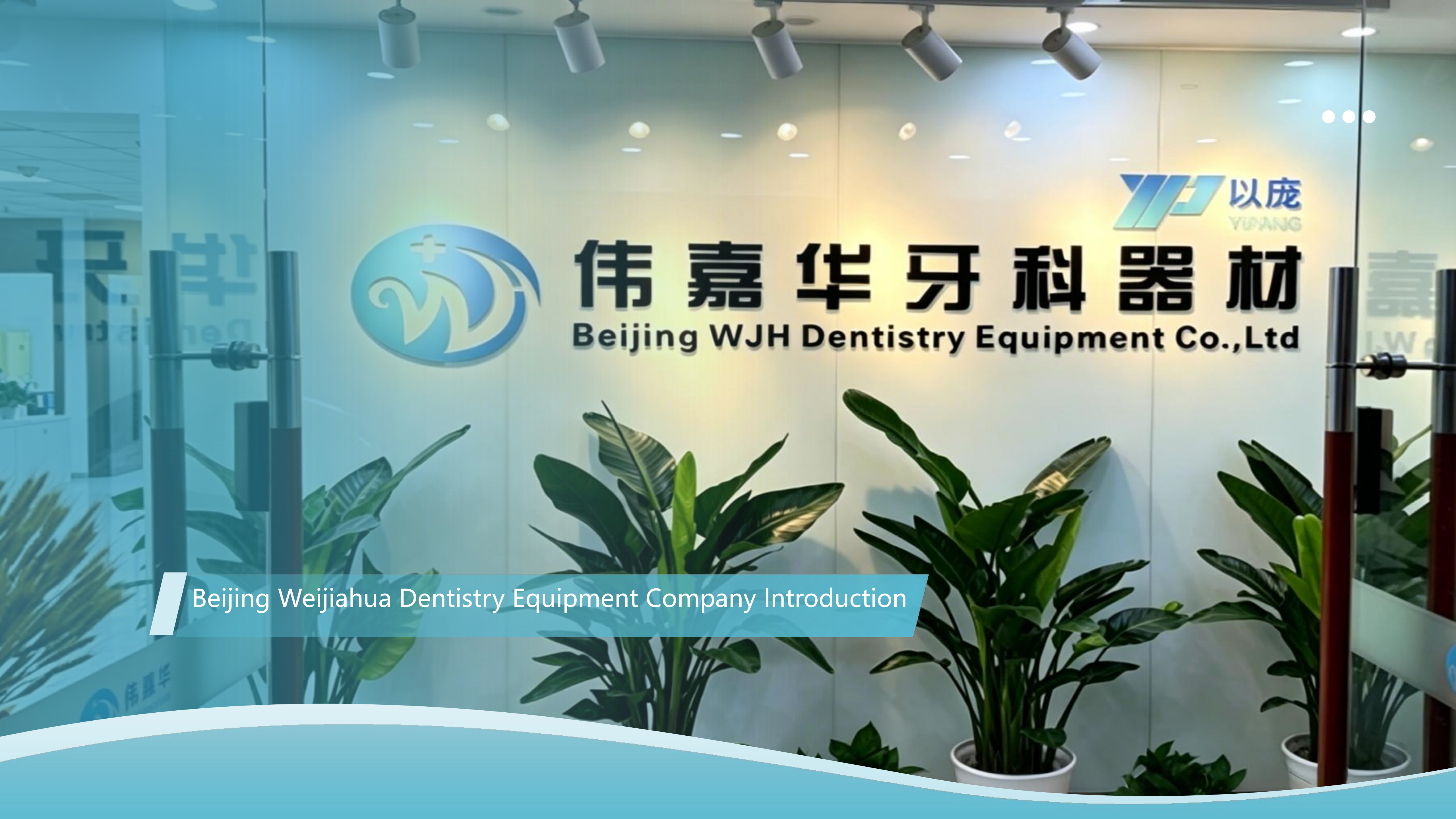
Figure 1 — Zirconia sourcing is settled where case intake, milling capacity and sintering capacity meet.
In dental CAD/CAM production, zirconia has shifted from a specialist material to a baseline one. Grand View Research estimated that CAD/CAM milling accounted for 82.4% of zirconia dental manufacturing process revenue in 2025, that zirconia discs held 63.1% of the zirconia-based dental materials market, and that dental laboratories remained the largest end-user group at 45.3%.
Those three figures describe a production sequence rather than a product. A dental lab scanner digitises the preparation, a dental milling machine cuts the blank, and a dental sintering furnace converts the milled workpiece into a dense ceramic restoration. Each step constrains the next, and those constraints are technical, not promotional.
4D-PRO-ML is a zirconia block supplied under the YIPANG brand, which is owned by Beijing Weijiahua Dentistry Equipment Co., Ltd. (Beijing WJH), a dental equipment and materials company established in 1996 in Beijing, China. The questions below are the ones that surface once a laboratory has already shortlisted a blank and needs to confirm that its furnace programme, its mill and its procurement process will actually accept it. The article is organised as a working FAQ: sintering temperature, equipment support, purchasing terms, acceptance criteria, selection logic, and the market context that shapes long-term supply.
Why These Three Questions Decide Whether a Blank Fits
At the decision and execution stage, the question is no longer which brand a laboratory prefers. It is whether a specific blank, run through a specific furnace programme on a specific mill, reproduces the same result across batches. Three constraints govern that answer.
The first is thermal. A milled zirconia blank leaves the machine in a chalk-like state; final density, dimensional accuracy and translucency are created inside the sintering furnace. A technical specification that does not define a firing window is therefore incomplete, and a firing window that does not match the furnace programme in use is unenforceable in practice.
The second is dimensional. Zirconia shrinks during sintering, and CAM compensation assumes a shrinkage value. Stable sintering shrinkage behaviour — documented for 4D-PRO-ML as within ±0.3% — matters less as a headline accuracy figure and more as a matter of parameter reuse: when shrinkage behaviour holds, the same milling strategy can be applied across batches without re-tuning.
The third is contractual. In cross-border purchasing, the window in which damage or deformation can be reported, the inspection method and whether sampling is permitted determine who carries execution risk. A blank that performs well but arrives under unclear acceptance terms remains an operational liability.
Sintering Temperature for 4D-PRO-ML: 1430 °C to 1450 °C
The recommended sintering temperature range for 4D-PRO-ML zirconia blocks is 1430 °C to 1450 °C, run with the standard heating and holding procedure. The supplier specifies that range and procedure as the condition for low shrinkage and stable translucency.
The documented operating sequence has three steps:
- Place the milled zirconia workpiece on the sintering tray.
- Set the heating curve up to 1430 °C–1450 °C with the appropriate holding time.
- Allow natural cooling after the sintering cycle completes.
Two safety conditions accompany that sequence. Rapid temperature change should be avoided, because it can crack the restoration. The maximum sintering temperature should not be exceeded. Both conditions target the same failure mode: thermal shock and over-firing generate defects that become visible only after the cycle ends, when the workpiece can no longer be recovered.
The most frequently reported defect in zirconia processing is chipping and cracking after sintering. The documented triggers are an improperly set sintering profile and internal defects already present inside the blank. The documented mitigation is to follow the recommended sintering profile and to inspect blanks before sintering. Handling is equally explicit: chipped or cracked blanks are scrapped and are not used for the final restoration.
| Element | Documented practice for 4D-PRO-ML |
|---|---|
| Recommended sintering temperature | 1430 °C – 1450 °C |
| Heating and holding | Follow the standard heating and holding curve with appropriate holding time |
| Cooling | Natural cooling after the sintering cycle completes |
| Loading | Place the milled workpiece on the sintering tray |
| Safety conditions | Avoid rapid temperature change; do not exceed the maximum sintering temperature |
| Principal defect risk | Chipping and cracks after sintering |
| Documented triggers | Improper sintering profile setting; internal defects inside the blank |
| Mitigation | Follow the recommended profile; inspect blanks before sintering |
| Defect handling | Scrap chipped or cracked blanks; do not use for final restoration |
Equipment Support: Scanner, Milling Machine and Sintering Furnace
4D-PRO-ML is documented for processing by a dental milling machine and sintering in a dental sintering furnace, with a dental lab scanner completing the digital chain. The documented working condition is an indoor, constant-temperature dental laboratory environment, and the documented project scope covers full-contour crowns, bridges, veneers and implant superstructure restorations.
On mill compatibility, YIPANG describes the block as compatible with most mainstream dental milling machines, with a low processing failure rate supported by uniform density distribution. That is a supplier position rather than an independently published test result, and it should be confirmed against the specific mill, burs and toolpath strategy in use.
The confirmation matters because the installed base of milling equipment is fragmented. Fortune Business Insights valued the dental milling machine market at USD 2.45 billion in 2025, with expected growth to USD 3.9 billion by 2030, and identified Roland DG, Amann Girrbach and vhf camfacture among the significant market share holders as of 2024. A laboratory may run more than one platform — a chairside unit alongside a larger mill — so a blank that behaves consistently across mainstream mills is easier to standardise than one tied to a single machine family.
Figure 2 — Scanner, mill and furnace form one chain; a specification gap anywhere in that chain surfaces as a defective restoration.
Furnace capability is a separate gate. The furnace programme must reach and hold 1430 °C–1450 °C on a programmed curve, maintain the appropriate holding time, and allow controlled natural cooling. Where a laboratory cannot sinter in-house, the blank cannot be completed on site: the sintering step is not optional and cannot be substituted by the mill. That is a genuine boundary of applicability, not a commercial caveat.
Purchasing Terms for 4D-PRO-ML Zirconia Blocks
| Term | Documented condition |
|---|---|
| Minimum order quantity | 1 box for standard models; 5 boxes for customized products |
| Delivery terms | Domestic: express delivery. Export: sea freight or air freight; FOB Shanghai / FOB Tianjin available |
| Acceptance criteria | Check quantity upon receipt; damage or deformation reported within 48 hours with photos; sampling test supported |
| Payment terms | Full payment before shipment |
The minimum order quantity is one box for standard models and five boxes for customized products. For a laboratory that wants a small trial of a customized specification, the five-box threshold is a real constraint. The practical route is to qualify on a standard model first and move to customized volumes once the workflow — milling, sintering and shade consistency — has been proven on that laboratory's own equipment.
Delivery is organised by destination: express delivery domestically, and sea or air freight for export, with FOB Shanghai or FOB Tianjin available. For export buyers, an FOB option fixes the handover point and separates freight and insurance decisions from the material price, which makes landed-cost comparison between suppliers more transparent.
Payment terms are full payment before shipment. This is a common arrangement in dental materials trade, and it concentrates risk on the buyer, particularly on a first order. The mitigations built into the same terms are sampling support and a defined acceptance window; buyers who require staged payment structures should confirm the position before placing an order rather than after.
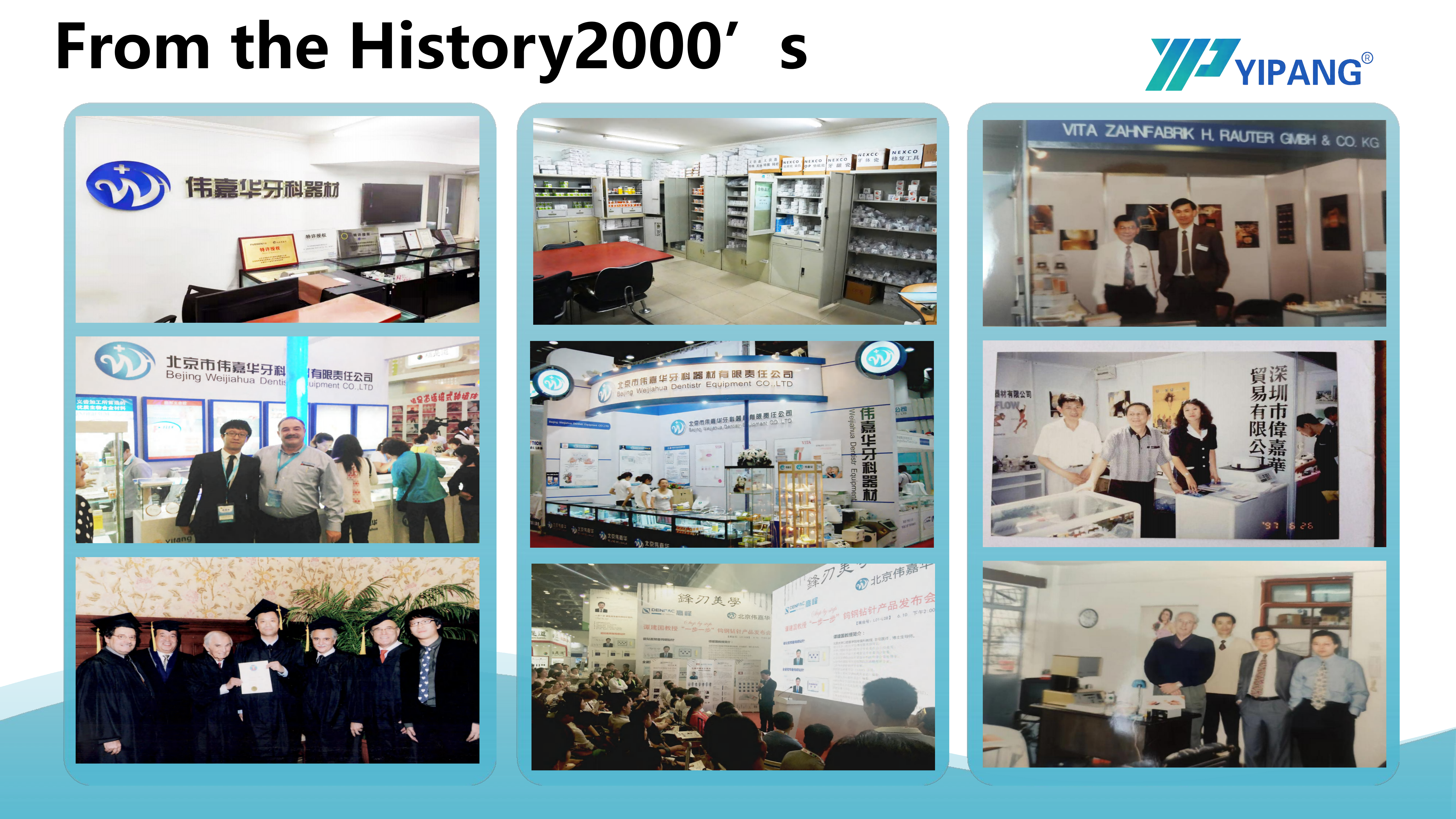
Figure 3 — Purchase terms, sampling rights and acceptance windows belong in the same commercial discussion as the material specification.
Acceptance Criteria and Sampling Support
Acceptance is defined in three parts. Quantity is checked on receipt. Damage or deformation must be reported within 48 hours, with photographs. Sampling tests are supported.
The 48-hour window is short, and it places a process obligation on the receiving laboratory. Cartons should be opened and inspected on the day of arrival, with photographs taken before packing material is discarded. A report filed after the window closes falls outside the stated criteria, regardless of when the defect actually occurred.
Sampling support is the element with the highest execution value. It allows a laboratory to run a representative batch — for example posterior crowns and multi-unit bridges — through its own furnace programme and evaluate fit, shrinkage behaviour and shade consistency before committing to volume. It also allows the laboratory to test whether its standard profile transfers cleanly to a new blank without adjustment.
The acceptance clause defines the supplier's obligation; a laboratory's internal qualification protocol is a separate document. Linking each trial batch to its sintering profile, furnace unit and batch record is what converts a one-off sample test into reusable production knowledge — and what makes the second order faster than the first.
How Dental Labs Select Zirconia Blocks for CAD/CAM Workflows
Selection is usually framed as a strength comparison, but flexural strength is only one of six criteria that decide whether a blank survives routine production.
- Restoration type and strength-to-translucency balance. Posterior multi-unit work and thin anterior veneers place different demands on the same material class.
- Sintering behaviour. A documented shrinkage window allows CAM compensation parameters to be reused across batches.
- Batch and shade consistency. Shade drift between batches forces re-mixing and re-checking on every case.
- Compatibility with installed equipment. Mill, burs and furnace programme all participate in the result.
- Purchasing terms and acceptance. MOQ, delivery, payment and the reporting window define execution risk.
- Supplier continuity. R&D depth, customer base and distribution indicate whether the same blank will be available and unchanged in eighteen months.
4D-PRO-ML is positioned for high-volume dental laboratories. It is made from Sinocera powder with a documented flexural strength of 800–1200 MPa and stable shade consistency, and it is described as suitable for posterior crowns and multi-unit bridges where mechanical strength and translucency are balanced. Sintering shrinkage error is documented as stable within ±0.3%, with uniform density distribution and batch consistency supported by a whole-process inspection system.
One boundary deserves stating plainly. The positioning centres on posterior crowns and multi-unit bridges. A laboratory whose primary commercial driver is the thinnest, most translucent anterior single crowns should validate optical performance on samples before standardising on any block, rather than selecting on flexural strength alone. Strength figures and optical figures do not move in the same direction, and no single blank optimises both.
Comparison with Imported Zirconia Alternatives
At execution level, the comparison that matters is not brand reputation but the operational differences YIPANG states for this block:
- Powder source: high-quality domestic self-developed zirconia powder, described as delivering stable batch consistency.
- Cost position: stated as more competitive than imported zirconia blocks of equivalent quality.
- Customisation and lead time: flexible customisation service with a shorter delivery time.
- Quality control: a strict whole-process inspection system.
Against that, imported brands generally carry longer clinical track records and longer histories in restorative dentistry. That advantage is real and no price position replaces it. YIPANG itself is a self-developed brand owned by Beijing WJH; the parent company was established in 1996 and has represented international brands including VITA, Ivoclar, Dentsply, Amann Girrbach and Noritake, while the YIPANG product line is a more recent, self-developed addition to that portfolio.
The reasonable reading is that 4D-PRO-ML competes on batch consistency, equipment compatibility and commercial terms rather than on brand heritage. Laboratories that require a long published clinical record should treat that requirement as their primary filter. Laboratories optimising for repeatable production economics should weight the operational differences first, and confirm them on samples rather than on specification sheets.
Market Context for Long-Term Supply Decisions
Grand View Research valued the global zirconia-based dental materials market at USD 1.2 billion in 2025 and projected USD 2.3 billion by 2033. Published estimates differ by scope — SNS Insider, for example, reports a substantially smaller figure under a narrower definition — so the direction of growth is more reliable than any single absolute number.
Within that market, the 3Y-TZP zirconia grade held the largest revenue share at 35.9% in 2025, zirconia discs held 63.1%, and the United States accounted for 40% of revenue. Dental laboratories remained the dominant end-user at 45.3%.
For a laboratory planning supply across several years, the implication is structural. Where CAD/CAM milling dominates the process mix, the cost of switching blanks is not the unit price. It is the re-validation of sintering profiles, CAM compensation and acceptance routines. Batch consistency and stable shrinkage behaviour therefore carry more long-term value than a marginal price difference between quotations.
Future Outlook
Three developments are likely to shape how zirconia blocks are purchased next.
- Sintering documentation becomes a purchasing artefact. Profile validation recorded alongside batch records will increasingly be requested at the quotation stage, not discovered during production.
- Equipment–material co-validation. Laboratories will verify blank behaviour against named mill and furnace combinations rather than accepting generic compatibility statements.
- Supply continuity over spot pricing. As dental laboratories hold their share of end-user demand, the buyer's question shifts from which blank is cheapest today to which blank can be reordered in eighteen months with the same behaviour.
Beijing WJH exports an estimated 40%–55% of its products and serves markets across the Middle East, Southeast Asia, South America, North America, Eastern Europe, North Africa and Australia. The company employs approximately 80 staff, operates a 2000 m² manufacturing facility, maintains a research and development team of 25 engineers working on dental material formulation, process optimisation and new product development, and serves more than 1000 dental laboratory customers in China. These are capability indicators rather than guarantees of any individual laboratory's outcome; they indicate what kind of supplier relationship a buyer is entering.
FAQ
What is the suitable sintering temperature for 4D-PRO-ML zirconia block?
The recommended sintering temperature range is 1430 °C–1450 °C, run with the standard heating and holding procedure to support low shrinkage and stable translucency. The milled workpiece is placed on the sintering tray, the heating curve is set to 1430 °C–1450 °C with the appropriate holding time, and the cycle ends with natural cooling. Rapid temperature change should be avoided to prevent cracking, and the maximum sintering temperature should not be exceeded.
What equipment is required to process 4D-PRO-ML zirconia blocks?
Processing requires a dental lab scanner to digitise the preparation, a dental milling machine to cut the blank, and a dental sintering furnace to densify the milled workpiece. The documented working condition is an indoor, constant-temperature dental laboratory environment, and the documented project scope covers full-contour crowns, bridges, veneers and implant superstructure restorations. The furnace programme must be able to reach and hold 1430 °C–1450 °C on a programmed curve; without in-house sintering capability, the blank cannot be completed on site.
How do laboratories reduce chipping and cracks after zirconia sintering?
The documented triggers for chipping and cracks after sintering are an improperly set sintering profile and inherent defects inside the zirconia blank. The documented mitigation is to follow the recommended sintering profile and to inspect blanks before sintering. Chipped or cracked blanks are scrapped and are not used for the final restoration, since the defect appears after the cycle completes and cannot be corrected afterwards.
What are the purchasing terms for 4D-PRO-ML zirconia blocks?
The minimum order quantity is 1 box for standard models and 5 boxes for customized products. Domestic delivery is by express; export shipment is by sea freight or air freight, with FOB Shanghai or FOB Tianjin available. Payment terms are full payment before shipment. Sampling tests are supported, which provides a route to validate the material before committing to volume.
What are the acceptance criteria and is sampling supported?
Quantity should be checked upon receipt. Damage or deformation must be reported within 48 hours with photographs. Sampling tests are supported. Because the reporting window is short, receiving laboratories should inspect cartons on the day of arrival and document condition before packing material is discarded; reports filed after the 48-hour window fall outside the stated criteria.
How do dental labs select zirconia blocks for CAD/CAM milling and sintering workflows?
Selection typically weighs six criteria: restoration type and strength-to-translucency balance, sintering behaviour and shrinkage stability, batch and shade consistency, compatibility with installed mills and furnace programmes, purchasing terms and acceptance criteria, and supplier continuity. 4D-PRO-ML is positioned for high-volume laboratories, made from Sinocera powder with a documented flexural strength of 800–1200 MPa, stable shade consistency, documented sintering shrinkage error within ±0.3%, and suitability for posterior crowns and multi-unit bridges where mechanical strength and translucency are balanced.
Company information, product range and full specifications covering zirconia blocks, glass ceramics, press ingots, PMMA, wax, titanium blocks, implant abutments, 3D scanners, intraoral scanners, milling machines, 3D printers and sintering furnaces are documented in the WJH company brochure (PDF).
Tem questões ou precisa de mais detalhes?
Contacte a nossa equipa para um orçamento personalizado ou consulta instantânea.
Solicitar orçamento
Preencha o formulário abaixo e a nossa equipa entrará em contacto com uma proposta personalizada.
Chat direto do WhatsApp
Prefere conversar em tempo real? Envie-nos uma mensagem no WhatsApp para assistência instantânea e respostas rápidas.
- Obter orçamento personalizado
- Partilhar fotos ou documentos
- Discuta as suas necessidades diretamente
Geralmente responde em 5–30 minutos durante o horário de expediente.