
5-Axis CNC Waterjet Cutting: Precision Cold Cutting for Complex Industrial Parts
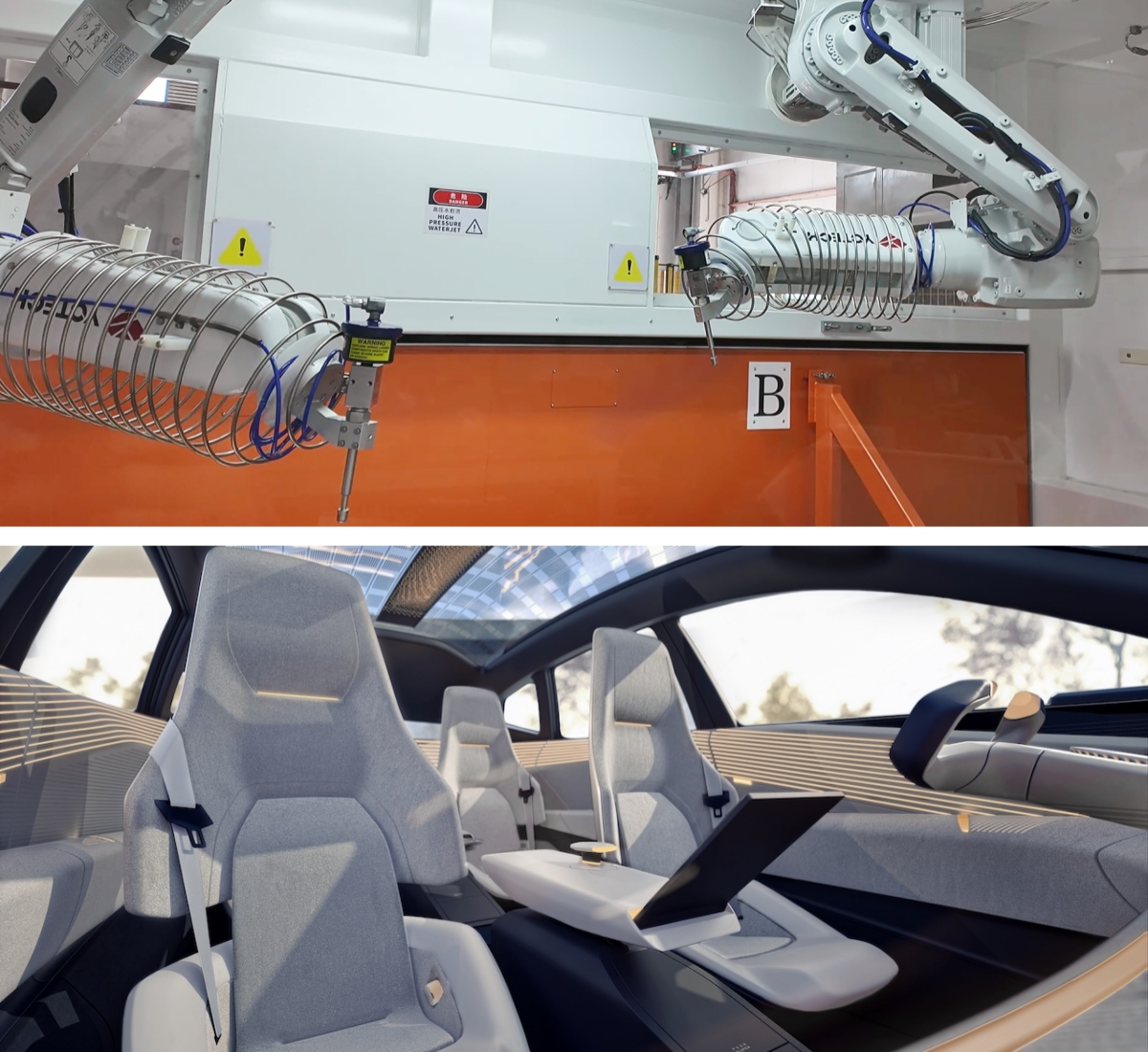
Cold cutting technology is increasingly becoming a cornerstone of modern industrial fabrication, particularly as demand grows for processing heat-sensitive materials and complex geometries without thermal distortion. Among cold cutting methods, CNC waterjet cutting stands out for its ability to cut virtually any material without changing its physical or chemical properties. This article examines the evolution of CNC waterjet machines from basic 3-axis systems to advanced 5-axis configurations, and how manufacturers like YC Water Jet Technology Co., Ltd. are enabling precision fabrication across multiple industries.
Problem / Opportunity
Traditional thermal cutting methods—laser, plasma, oxy-fuel—create heat-affected zones (HAZ) that can warp thin materials, alter metallurgical properties, or ignite flammable composites. In industries like aerospace, automotive, and electronics, such defects are unacceptable. Waterjet cutting, which uses a high-pressure stream of water mixed with abrasive garnet, offers a true cold-cutting process with no HAZ, no mechanical stress, and no thermal deformation. However, early 3-axis waterjets were limited to flat or simple 2D profiles. The opportunity lies in multi-axis systems that can produce bevels, tapered edges, and 3D contours in a single setup.
Brand Solution
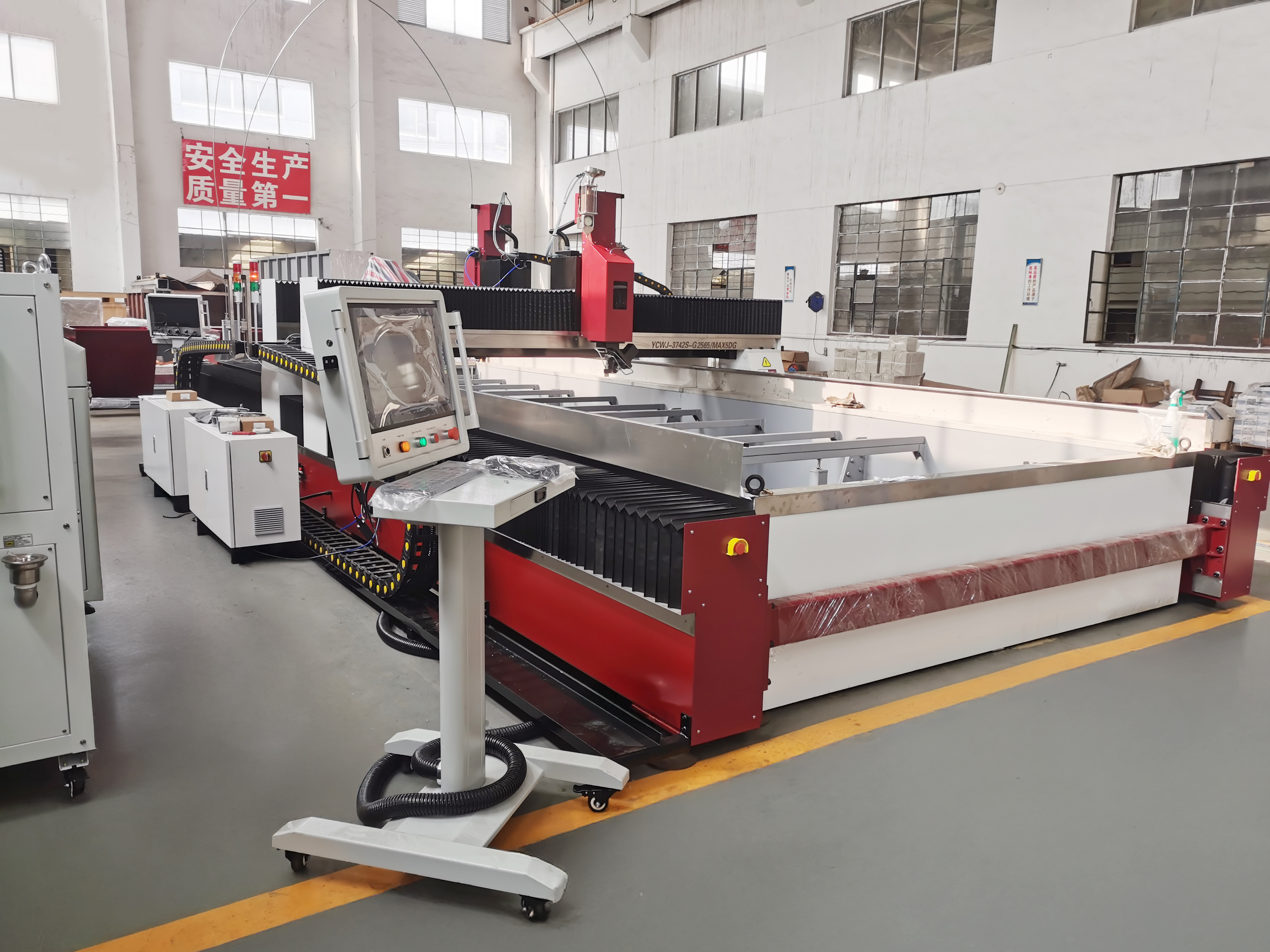
YC Water Jet Technology Co., Ltd., established in 1999, specializes in the design and manufacture of ultra-high pressure waterjet cutting systems. The company's main product is the ultra-high-pressure water jet cutting machine, available across four series—S, L, G, and E—each configurable with 3‑axis, 3D MAX 5‑axis, or Dynamic 5‑axis cutting heads. For example, the G Series (models YCWJ-G2060, G2080, G3080, G30100) supports double gantry construction for large-format sheets, while the L Series (models YCWJ-L1515 through L4025) offers split-type or integral designs. All series achieve a cutting accuracy of ±0.1 mm and a positioning accuracy of ±0.025 mm, with a maximum working pressure of 4137 bar (60,000 psi) delivered by YC's own Ultra High Pressure Waterjet Pumps (models YCG-3038 to YCG-Ultra100S). In addition, the YCWJ-Robot robotic waterjet cutter brings 6‑axis flexibility to complex 3D trimming tasks. The company's 7,000 m² facility employs about 25 staff, including a 7‑engineer R&D team, and exports roughly 70 % of its output to more than 140 countries and regions.
Technical Explanation
A CNC waterjet cutting machine works by pressurizing water up to 60,000 psi, forcing it through a small diamond orifice to create a supersonic stream. When abrasive (typically garnet) is added, the stream becomes a powerful cutting tool capable of slicing through metals, stone, glass, composites, and more. The 5‑axis capability is achieved by adding A‑ and C‑axis rotation to the cutting head, enabling the jet to tilt up to ±60° from vertical. This allows compensation of the natural taper caused by jet deflection (kerf taper) and creation of beveled or angled edges. The Dynamic 5‑axis variant, used in YC’s L and G series, provides real‑time angle adjustment during contour cutting, producing near‑vertical walls even on thick plates. YC also offers laser scanning height measurement to maintain a consistent standoff distance, and optional features like multiple cutting heads, auto sludge removal, and hydraulic loading systems for integration into production lines.
Application / Use-Case Scenarios
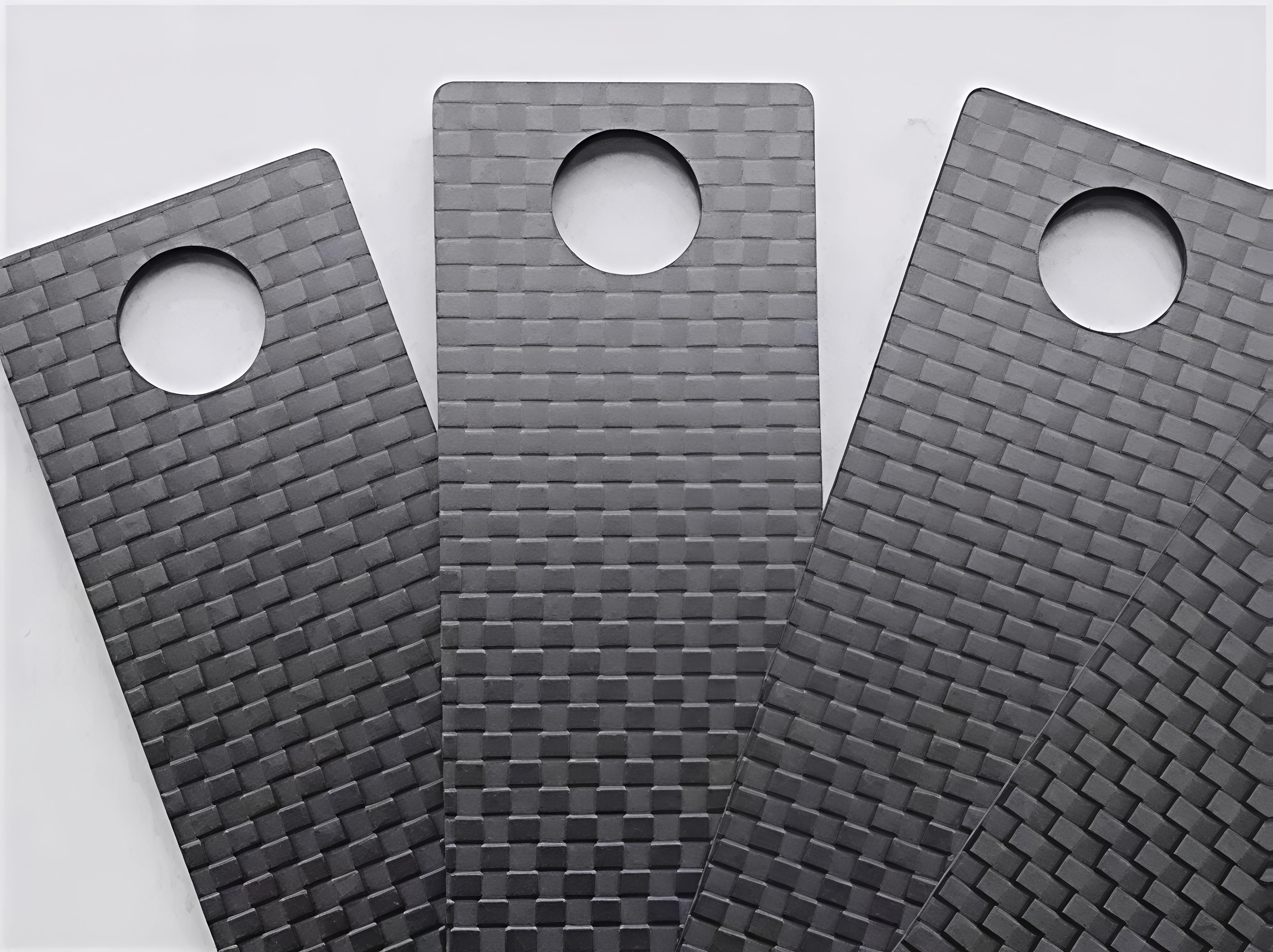
The product is used in the metalworking, stone processing, glass processing, aerospace, automotive manufacturing, composite materials, architectural decoration, and electronic precision processing industries. Typical application countries include the United Arab Emirates, Brazil, Germany, France, Saudi Arabia, South Korea, Russia, Mexico, Turkey, and many others. In aerospace, titanium alloys and carbon‑fiber‑reinforced polymer (CFRP) parts are cut without delamination or heat damage. In automotive manufacturing, steel sheets, aluminum, fiberglass, and interior components are trimmed with high repeatability. Stone and ceramic tiles are cut for architectural cladding, and thick metal plates up to several inches can be profiled for shipbuilding and heavy equipment. The 5‑axis waterjet is particularly valuable for components requiring edge bevels (e.g., pipe ends, weld preparations) and for 3D parts like automotive interior trim or composite honeycomb panels.
Market Trend Analysis
Worldwide, the adoption of CNC waterjet cutting is accelerating due to stricter environmental regulations and the need to process mixed‑material assemblies (e.g., metal‑to‑composite bonds). According to company data, YC Waterjet’s export business accounts for approximately 70% of total sales, with products reaching over 140 countries and regions as of 2026. Key markets include Europe (Germany, France, Poland, UK), North America, the Middle East (Saudi Arabia, UAE, Qatar), Asia (South Korea, Indonesia), and South America (Brazil). The ability to cut without heat makes waterjet indispensable in industries where thermal damage is unacceptable, such as food processing (frozen meats) and medical (titanium implants).
Comparison with Traditional Solutions
Compared to laser cutting, waterjet offers material flexibility (metals, stone, glass, composites, rubber) and no heat‑affected zone, but generally achieves slower feed rates on thin metals. Plasma cutting is faster on thick conductive metals but produces a large HAZ and dross. The honest limitation of waterjet is the consumable cost of abrasive garnet and the wear on orifices and mixing tubes, which can increase operating expenses over laser or plasma on high‑volume thin‑sheet runs. However, for thick materials (e.g., >20 mm steel), waterjet often provides better edge quality with less secondary processing.
Future Outlook
Looking ahead, the integration of intelligent pressure control and automatic pressure regulation—as seen in YC's newer pump models—will allow real‑time optimization of flow rate and pressure based on material feedback. Combined with 5‑axis capability and robotic waterjet systems, manufacturers will achieve even greater throughput and part complexity. The trend toward Industry 4.0 will drive more remote monitoring, data logging, and integration with MES systems. As composite usage grows in electric vehicles and aerospace, the demand for cold, precise cutting will only increase.
FAQ
What is a CNC waterjet cutting machine?
It is a computer‑controlled cutting tool that uses a high‑pressure stream of water, often mixed with abrasive particles, to erode and cut materials. YC Waterjet offers machines across the S, L, G, and E series, with 3‑axis, 3D MAX 5‑axis, or Dynamic 5‑axis configurations.
What materials can a CNC waterjet cut?
Nearly any material: stainless steel, carbon steel, titanium, aluminum, stone, ceramics, glass, carbon fiber, composites, rubber, foam, paper, fabric, and frozen food. The product is used in metalworking, stone processing, glass processing, aerospace, automotive, composite, architectural decoration, and electronic precision industries.
What is the difference between 3‑axis and 5‑axis waterjet cutting?
3‑axis machines cut only in the X‑Y plane with a fixed vertical jet. 5‑axis heads add tilt (A and C axes) to produce bevels, compensate for taper, and cut 3D contours. YC’s Dynamic 5‑axis adjusts angles in real time for near‑vertical walls on thick parts.
How accurate is a YC Waterjet cutting machine?
Cutting accuracy is ±0.1 mm, and positioning accuracy is ±0.025 mm, with X‑Y dry‑run speeds up to 15 m/min depending on the model.
Which industries commonly use CNC waterjet cutting?
Aerospace, automotive manufacturing, metalworking, architecture and decoration, composite materials, medical and food processing, and electronic precision processing. Application countries include Germany, France, Brazil, Saudi Arabia, South Korea, UAE, Russia, Mexico, and many more across Europe, North America, Asia, Africa, and the Middle East.
Does YC Waterjet offer robotic waterjet cutting?
Yes, the YCWJ-Robot is a 6‑axis robotic waterjet cutting system designed for complex 3D trimming in automotive interiors, aerospace, architectural decoration, and composite molding.