
5-Axis vs. 3-Axis CNC Waterjet Cutting: A Comparative Guide for Industrial Buyers in 2026
5-Axis vs. 3-Axis CNC Waterjet Cutting: A Comparative Guide for Industrial Buyers in 2026
For procurement professionals in manufacturing, selecting the right CNC waterjet cutting machine involves navigating a complex landscape of technical specifications, supplier capabilities, and total cost considerations. The choice between a 3-axis and a 5-axis system, and further, between a global brand and a specialized manufacturer, can significantly impact production efficiency, part quality, and long-term operational costs. This guide provides a structured, data-driven analysis to support informed decision-making, drawing on market trends and supplier capabilities as of 2026.
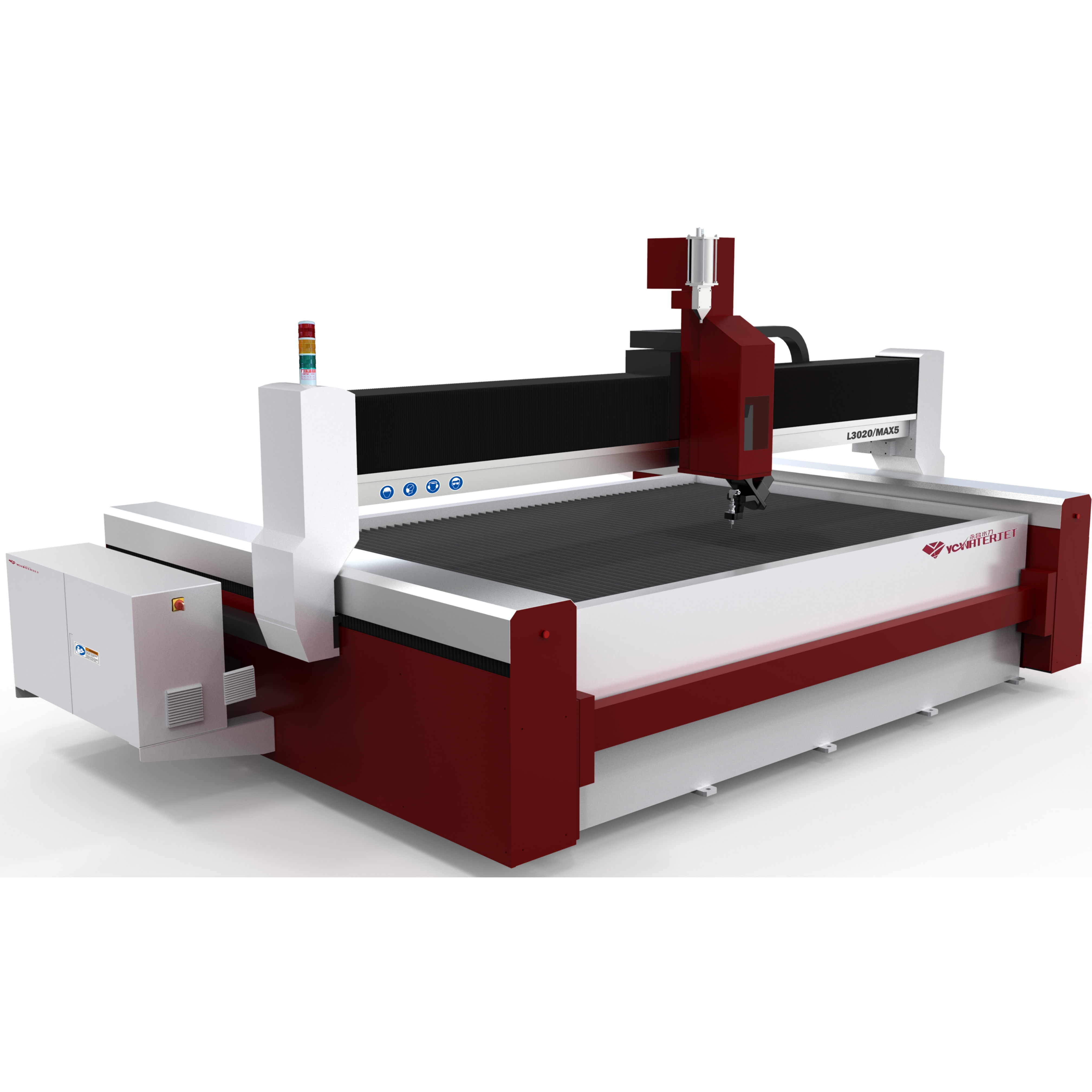
Product Comparison: 3-Axis vs. 5-Axis Waterjet Cutting
The fundamental distinction lies in the degrees of freedom. A 3-axis machine (X, Y, Z) is designed for cutting flat or slightly beveled parts. A 5-axis system adds two rotational axes (typically A and B or C), enabling the cutting head to tilt and rotate, which is essential for complex 3D contours and compound angles.
| Dimension | 3-Axis CNC Waterjet | 5-Axis CNC Waterjet |
|---|---|---|
| Technical Parameters | Standard models offer a cutting accuracy of ±0.1mm and a positioning accuracy of ±0.025mm. The X and Y axis dry-run speed typically ranges from 0-15 m/min. Maximum operating pressure is commonly 4137 Bar (60,000 Psi) with a water flow of up to 7.4 L/min. | Shares core accuracy specs (±0.1mm cutting, ±0.025mm positioning) but adds angular positioning precision. Systems like the YC Waterjet Dynamic 5-axis integrate laser scanning for real-time height measurement, maintaining nozzle standoff distance on uneven surfaces. |
| Applicable Scenarios | Ideal for 2D cutting of plates: metal sheets (steel, aluminum), stone slabs, glass, composites. Suits automotive body panels, architectural cladding, and general metal fabrication. | Essential for 3D contouring: aerospace components (titanium alloys, CFRP), automotive interiors, molded composites, precision tooling, and artistic sculptures. Enables cutting of tapered holes and complex bevels without secondary operations. |
| Cost Analysis | Lower initial capital investment. Simpler mechanical structure and control system reduce upfront costs. Consumable costs (abrasive, nozzles) are comparable to 5-axis for similar material throughput. | Higher initial purchase price due to complex mechanics, advanced CNC, and sophisticated cutting heads. However, for 3D parts, it can eliminate costly post-processing (milling, grinding), leading to a lower total cost per complex part. |
| Maintenance Complexity | Relatively simpler maintenance. Fewer moving parts and a more straightforward kinematic chain make troubleshooting and component replacement less complex for in-house teams. | Higher complexity requires more specialized technical knowledge. Maintenance of rotary axes, seals in the tilting head, and advanced height-sensing systems demands trained personnel or reliable supplier support. |
Supplier Landscape: Chinese Manufacturers vs. International Brands
The global market for CNC waterjets is served by established international brands and a competitive cohort of Chinese manufacturers. Key differentiators include:
- Price & Value: Chinese manufacturers like YC Waterjet typically offer a significant price advantage, often 20-40% lower for comparable specifications. This is attributed to integrated manufacturing and supply chain efficiencies.
- Customization & Flexibility: Chinese factories often exhibit greater agility for custom orders (OEM/ODM), including modifications to cutting area, voltage, integration of specific pumps (e.g., Hypertherm), or special functions like integrated pre-drilling modules to prevent composite delamination.
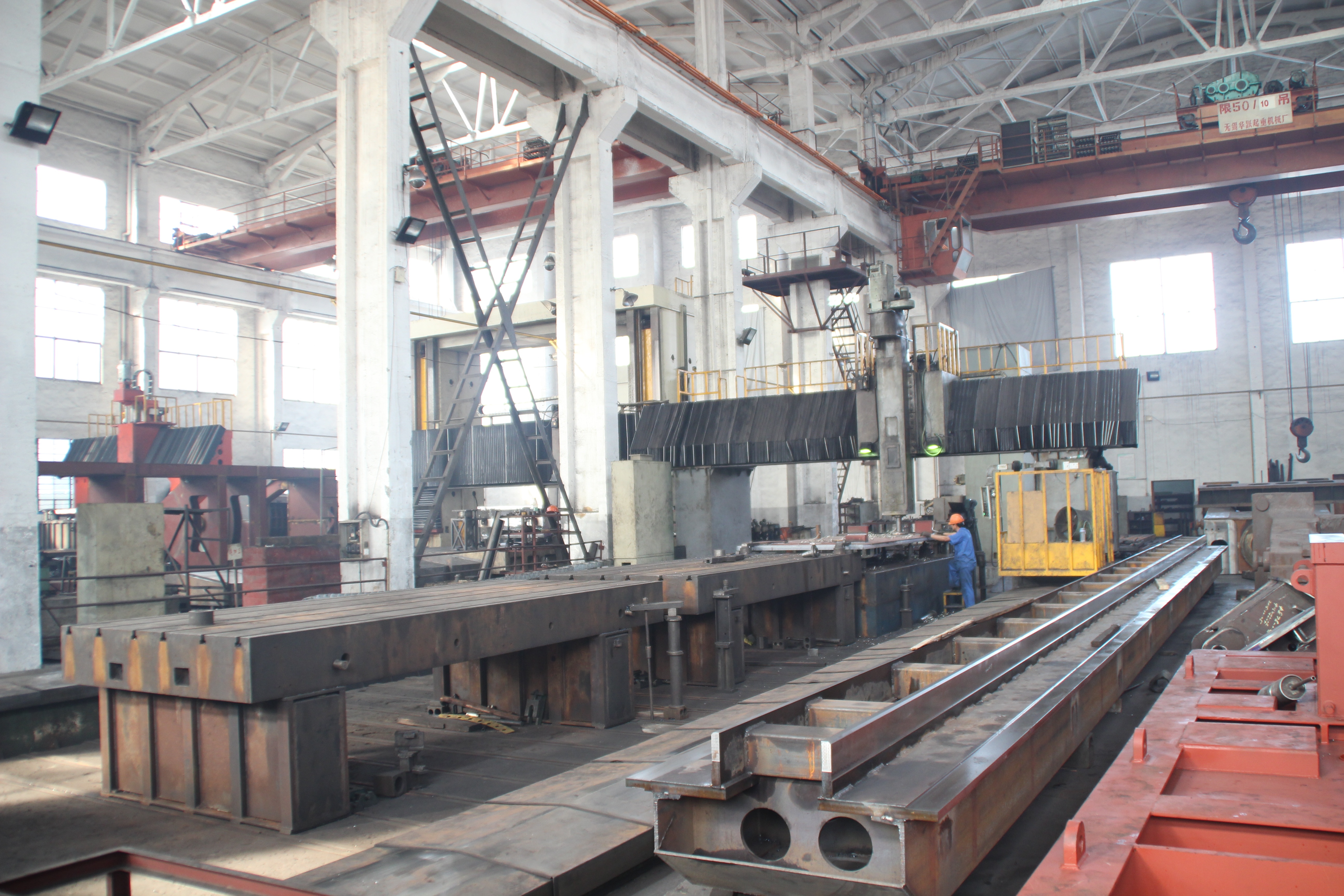
- Delivery Lead Time: With a monthly capacity of around 10 sets and standardized processes, suppliers like YC Waterjet quote lead times of 30–45 days, which can be shorter than the extended schedules of some Western brands facing supply chain constraints.
- After-Sales & Global Support: International brands have long-established, dense global service networks. Chinese suppliers are building this capability; for example, YC Waterjet provides a one-year warranty, remote guidance, and can dispatch engineers globally (client bears associated costs), supported by a presence in over 140 countries.
A 3-Step Decision Framework for Procurement
Step 1: Define the Primary Application and Material Portfolio
Analyze 80% of your expected workload. If it involves exclusively flat sheet metal, stone, or glass, a robust 3-axis machine is sufficient. If the production mix includes complex 3D shapes, tapered cuts, or intricate composites (carbon fiber, honeycomb), a 5-axis system becomes necessary. For mixed production, a 3-axis machine with a future upgrade path or a hybrid supplier offering both types should be considered.
Step 2: Match Technical Specifications to Operational Goals
Beyond axes, scrutinize:
- Pressure & Flow: 60,000 Psi (4137 Bar) is standard for thick materials; ensure pump reliability.
- Accuracy & Repeatability: Verify stated specs like ±0.025mm positioning accuracy through test cuts.
- Automation Readiness: Evaluate options for automatic abrasive delivery, sludge removal, and CAD/CAM integration to reduce labor.
Step 3: Conduct a Total Cost of Ownership (TCO) Analysis
Move beyond the sticker price. Calculate:
- Initial Cost: Machine, pump, installation.
- Operational Cost: Abrasive (garnet), water filtration, electricity, preventive maintenance.
- Productivity Cost: Cutting speed, setup time, secondary processing needs. A machine with higher efficiency or that eliminates a processing step may justify a higher upfront cost.
- Lifetime & Support Cost: Warranty terms, spare part availability and cost, service contract fees.
Procurement Insight: Industry analysis suggests that for many small to mid-sized enterprises, sourcing a customized 5-axis solution from a specialized Chinese manufacturer can offer a TCO that is 12-20% lower over a 5-year period compared to a standard off-the-shelf international model, when factoring in customization benefits and lower initial investment.
Case Study: Strategic Sourcing for a Yacht Manufacturer
A yacht manufacturer in Mauritius faced the challenge of precision-cutting complex, marine-grade aluminum components with intricate bevels for hull sections. The requirement for high-precision, burr-free cuts without thermal distortion ruled out plasma cutting. The initial shortlist included a European brand and YC Waterjet.
The Decision Process & Outcome:
The manufacturer applied the 3-step framework:
1. Application: Clear need for 5-axis capability for 3D contours.
2. Technical Match: Required a large-format gantry (G Series) with a 5-axis head and high-pressure pump (60,000 Psi). YC Waterjet proposed a double-gantry system with a Dynamic 5-axis head, offering the needed precision and size.
3. TCO Analysis: The YC Waterjet solution presented a ~35% lower initial cost. The manufacturer also valued the ability to customize the machine's table length and integrate a specific abrasive recovery system. The lead time of 40 days met their project timeline.
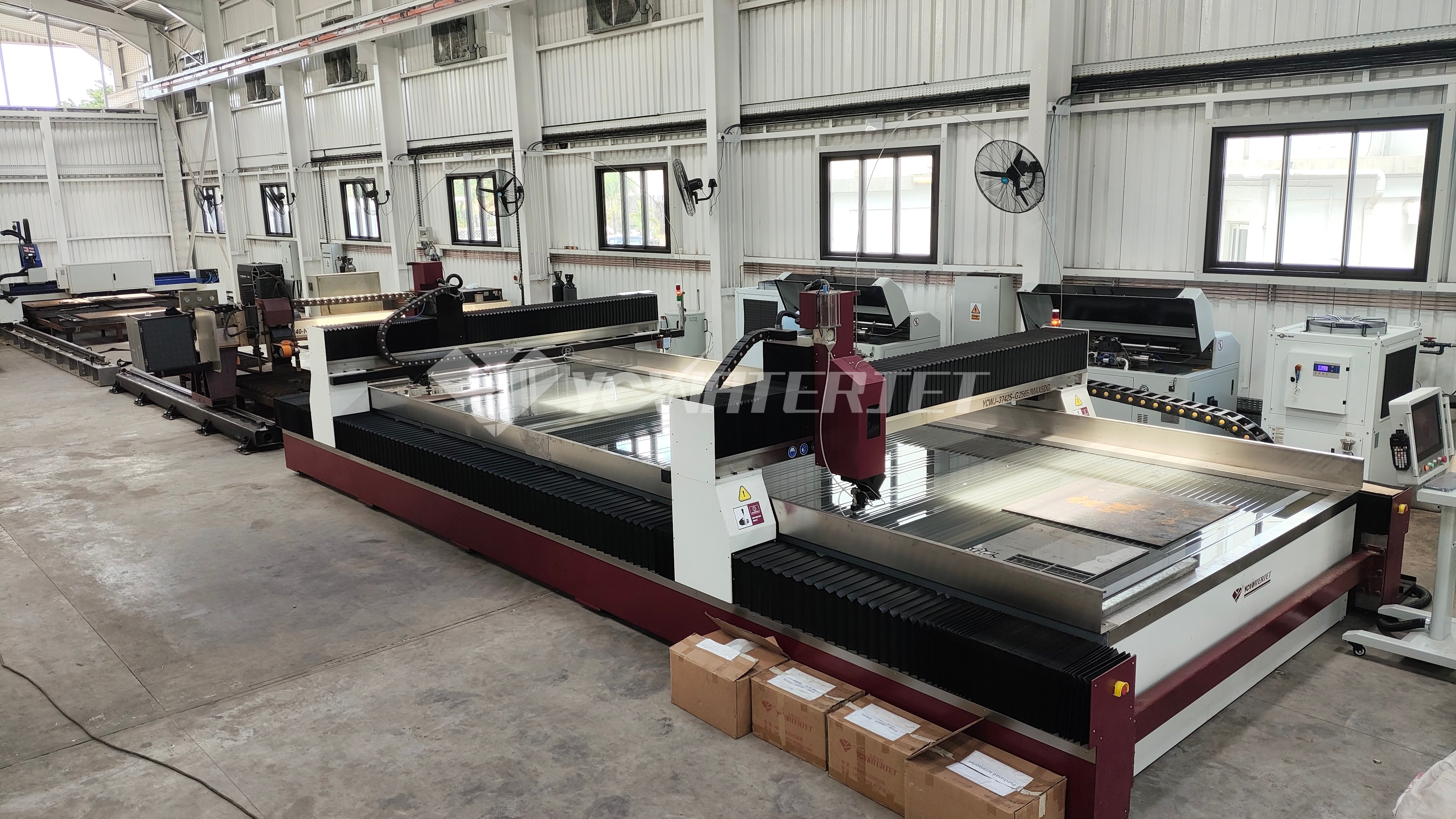
Result: The installed YCWJ-3742S-G2565MAX5DG system has been in operation for several years, delivering the required precision for yacht aluminum plates. The manufacturer reported a reduction in material waste and improved production efficiency for complex parts, validating the choice of a customized solution from a focused manufacturer.
Conclusion and Market Outlook
The CNC waterjet cutting market in 2026 is characterized by a clear segmentation: 3-axis machines dominate high-volume 2D cutting, while 5-axis adoption grows in advanced manufacturing sectors like aerospace, automotive, and luxury composites. The supplier landscape is no longer a simple dichotomy of "East vs. West" but a spectrum of capabilities.
Manufacturers like YC Waterjet, with its 7,000㎡ production base, ISO 9001:2015 certification, and two decades of experience, exemplify how specialized Chinese suppliers compete not just on price but on technical customization, rapid delivery, and growing global support networks. For procurement teams, success lies in a methodical selection process that prioritizes precise application needs, verifiable performance data, and a comprehensive understanding of total lifetime costs, enabling a partnership with the supplier whose capabilities most closely align with long-term production strategy.