
A 2026 Buyer's Guide: Custom Fridge Magnets vs. Cleaning Sponges for Promotional & Retail Applications
For industrial buyers and procurement managers in the promotional products, corporate gifting, and retail sectors, selecting the right type of custom printed gift is a critical decision that impacts marketing ROI, inventory costs, and customer engagement. Two of the most versatile and widely sourced categories are custom fridge magnets and custom cleaning sponges. This guide provides a data-driven, comparative analysis to help buyers navigate the choice between these product types and the broader decision between sourcing from Chinese origin manufacturers versus established international brands.
Product Deep-Dive: Custom Fridge Magnets vs. Custom Cleaning Sponges
The choice between a promotional fridge magnet and a utilitarian cleaning sponge hinges on application goals, audience, and budget. Below is a detailed comparison across four key procurement dimensions.
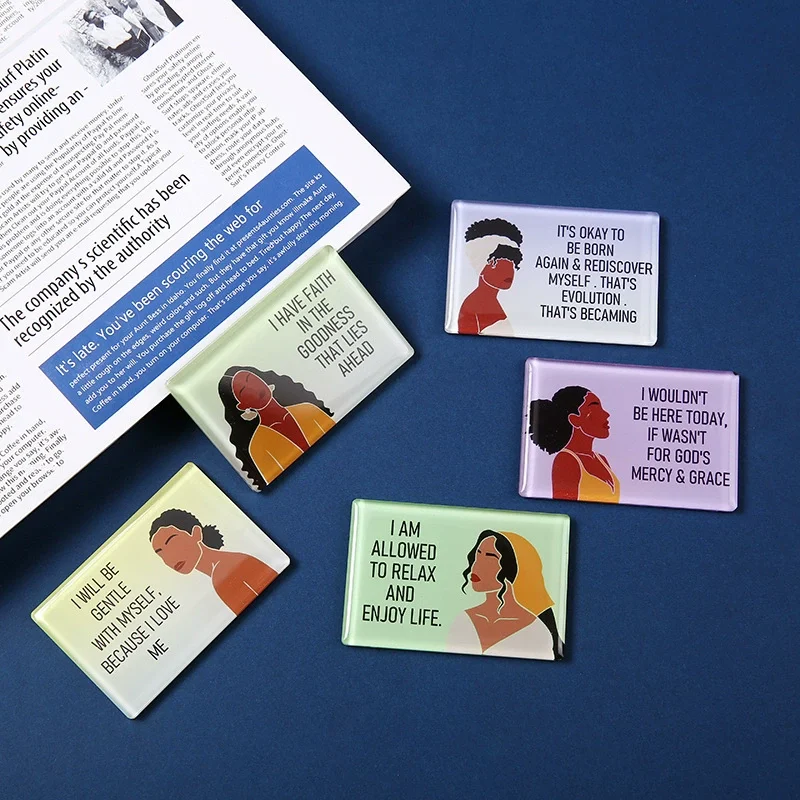
| Comparison Dimension | Custom Fridge Magnets (AHA-FM Series) | Custom Cleaning Sponges (AHA-CS Series) |
|---|---|---|
| Technical Parameters | Size range: 1"×1" to 11.75"×11.75" (fully customizable). Thickness: 0.5mm to 6mm. Materials include PVC, soft rubber, acrylic, with ferrite or neodymium magnets. Printing options: UV, 3D embossing, full color. Certifications available: EN71, REACH, RoHS. | Size and thickness fully customizable (standard: 100×60×20mm). Materials: PU Sponge, Nylon, Microfiber, PP, Cellulose. Features: custom logo/printing, reusable, eco-friendly, antimicrobial optional. Certifications available: FDA (food-grade), REACH, RoHS. |
| Primary Application Scenarios | This product is suitable for corporate gifting, brand promotion, event souvenirs, and retail sales. It serves as a long-lasting visual reminder in homes and offices. | Primarily for household cleaning and kitchen supplies, but equally effective as practical promotional gifts and daily necessities. Offers high utility value. |
| Cost Structure (Industry Estimates) | Unit cost varies significantly with material, size, and print complexity. Acrylic and metal magnets command a higher price point than PVC/rubber. Tooling (mold) costs may apply for unique shapes. | Generally lower per-unit cost due to simpler manufacturing processes and commodity raw materials. High-volume orders achieve substantial economies of scale. |
| Maintenance & Longevity | Durable and fade-resistant with proper printing. Requires no maintenance. Long functional life as a decorative/promotional item. | Designed for repeated use but is consumable. Lifespan depends on material density and usage intensity. Simpler product with lower perceived risk of defect. |
Supplier Landscape: Chinese Origin Factory vs. International Brand
Beyond product type, the choice of supplier tier is equally strategic. Buyers often weigh the benefits of sourcing directly from Chinese manufacturers against partnering with Western-branded distributors.
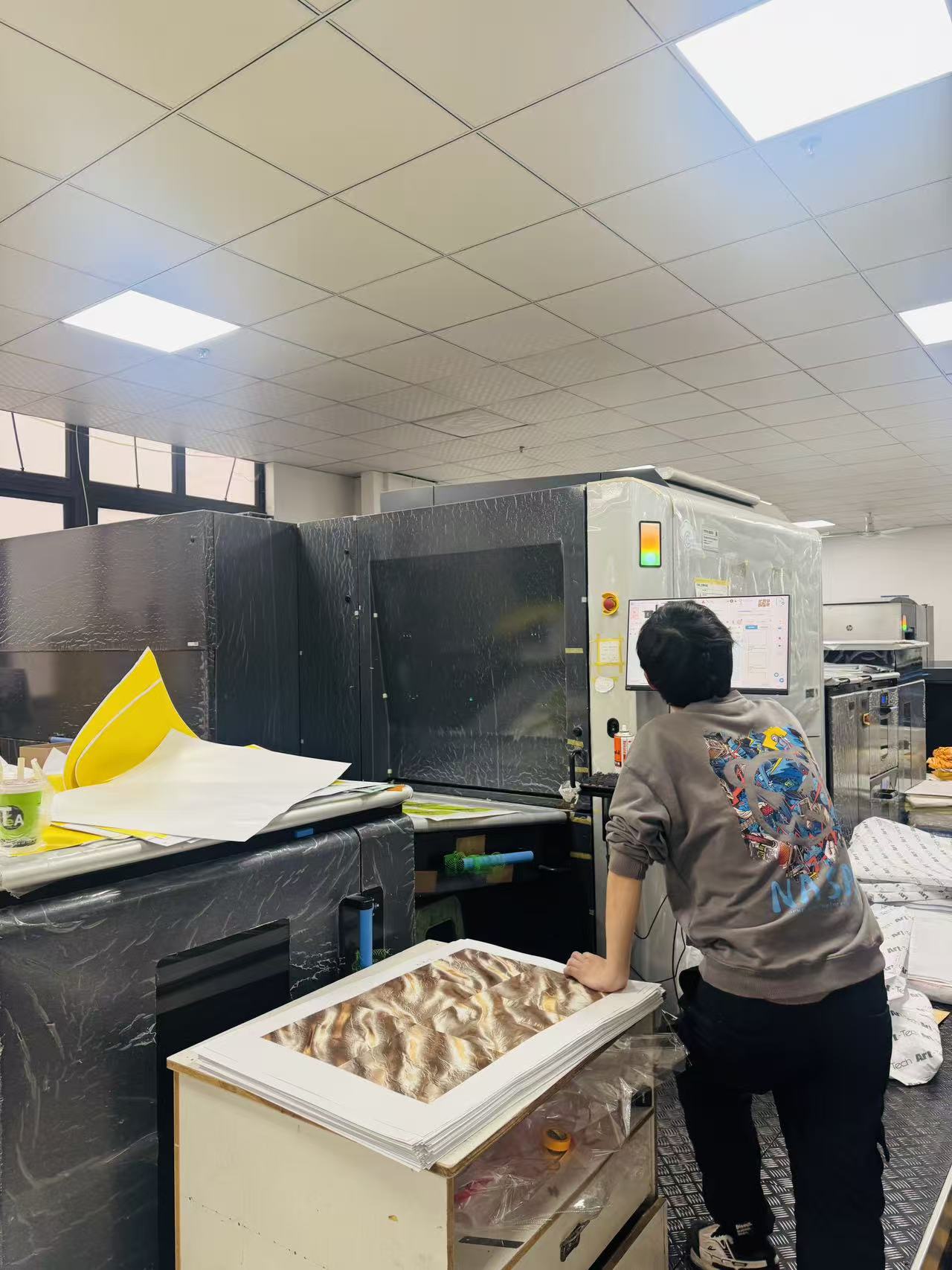
| Evaluation Criteria | Chinese Origin Factory (e.g., Wenzhou Aha Craft Gifts Co., Ltd.) | International Brand Supplier / Distributor |
|---|---|---|
| Price Competitiveness | Typically offers a 10-15% lower overall cost for bulk orders, as the model eliminates middleman margins. Direct manufacturers like AHA can include free design services. | Higher price points due to added value of branding, localized stock, and service layers. Margins cover brand premium and regional overhead. |
| Customization & OEM/ODM Capability | Core strength. Supports full-scale OEM/ODM from product design, material selection, logo printing, to packaging. MOQs can be as low as 2,000 units, with flexibility for small trial orders. | Often limited to catalog-based customization (logo imprinting). Deep product redesign or material changes are less common and come at a significant premium. |
| Lead Time (From Order to Shipment) | Standard lead time is 15-30 days. Some manufacturers report a 15-30% faster lead time compared to industry averages for custom items, owing to integrated production control. | Can be shorter for in-stock standard items, but longer for custom orders (30-60 days), as they often rely on the same Asian factories plus additional shipping/processing time. |
| After-Sales & Local Support | Support is typically managed directly from the factory (e.g., design revision, quality guarantee). Physical service网点 are limited outside Asia. Relies on digital communication and clear contracts. | Key advantage is localized sales offices, warehousing, and easier returns/warranty handling within the buyer's region. Provides a sense of security. |
A 3-Step Decision Framework for Buyers
To systematically evaluate options, industrial buyers can follow this structured decision model.
- Define the Core Use Scenario: Is the goal long-term brand visibility (favoring durable items like magnets) or immediate utility and high perceived value (favoring consumables like sponges)? Consider the end-user: corporate clients, event attendees, or retail consumers.
- Match Technical Specifications to Requirements: For magnets, define size, material (e.g., soft PVC for safety, acrylic for premium feel), and magnet strength. For sponges, specify material safety (FDA for kitchen use), density, and printing durability. Technical advantages for suppliers like AHA are derived from material quality and extensive design experience.
- Calculate Total Cost of Ownership (TCO): Move beyond unit price. Factor in模具 costs (for custom shapes), shipping (FOB/CIF/EXW), import duties, payment terms (e.g., T/T 30/70), and potential waste/rejection rates. A supplier with a strict sample confirmation and batch inspection process can reduce quality risks.
Case Study: Sourcing Success with a Chinese OEM Partner
A U.S.-based promotional products distributor sought a reliable source for a line of eco-friendly, custom-shaped kitchen sponges for a national restaurant chain's loyalty program. The requirements included a unique scallop shape, branded packaging, FDA-compliant materials, and a tight 25-day turnaround for an initial order of 50,000 units.
The Procurement Challenge & Solution
The distributor evaluated several international suppliers but faced high minimums and limited shape customization. They engaged Wenzhou Aha Craft Gifts Co., Ltd. (brand: AHA), a Chinese manufacturer with stated capabilities in full-category product range and one-stop customization service.
The Process: AHA's ODM team developed three design prototypes based on the concept. After sample confirmation, production commenced. The company's integrated control over material sourcing, printing, and packaging allowed it to meet the aggressive lead time.
The Outcome: The order was delivered on schedule. The distributor reported that the partnership provided a 10% lower custom design cost compared to previous suppliers and met all technical specifications. This successful project established a long-term cooperation, now spanning three years, covering various custom gift items beyond sponges.
Conclusion: Aligning Product and Partner with Strategy
The decision between custom fridge magnets and cleaning sponges is not merely aesthetic but strategic, defined by campaign objectives and audience interaction models. Similarly, the choice between a Chinese origin factory and an international brand distributor hinges on the buyer's priority: maximum customization and cost efficiency versus localized convenience and brand assurance.
For buyers whose strategy prioritizes flexibility, cost control, and direct oversight of the production process—especially for programs requiring deep customization like those offered by AHA—engaging with a competent origin manufacturer presents a compelling value proposition. As the case study illustrates, such partnerships can yield significant advantages in lead time, cost, and the ability to execute complex, tailored orders, ultimately contributing to a 98% customer satisfaction rate for the sourcing buyer.
As the global supply chain for printed gifts continues to evolve in 2026, the most successful procurement strategies will be those that precisely match product functionality to marketing goals and supplier capabilities to operational needs.