
A 2026 Procurement Guide: Identifying Specialized Partners for Functional Polyester Filament
Introduction: The Evolving Landscape of Functional Filament Procurement
The market for functional polyester filament is rapidly expanding beyond basic performance. In 2026, procurement professionals are tasked with sourcing materials that deliver specific, engineered benefits—from UV resistance and thermal regulation to sustainable credentials and advanced moisture management. This guide provides a structured framework for evaluating and selecting suppliers who can deliver not just a product, but a specialized, collaborative partnership.
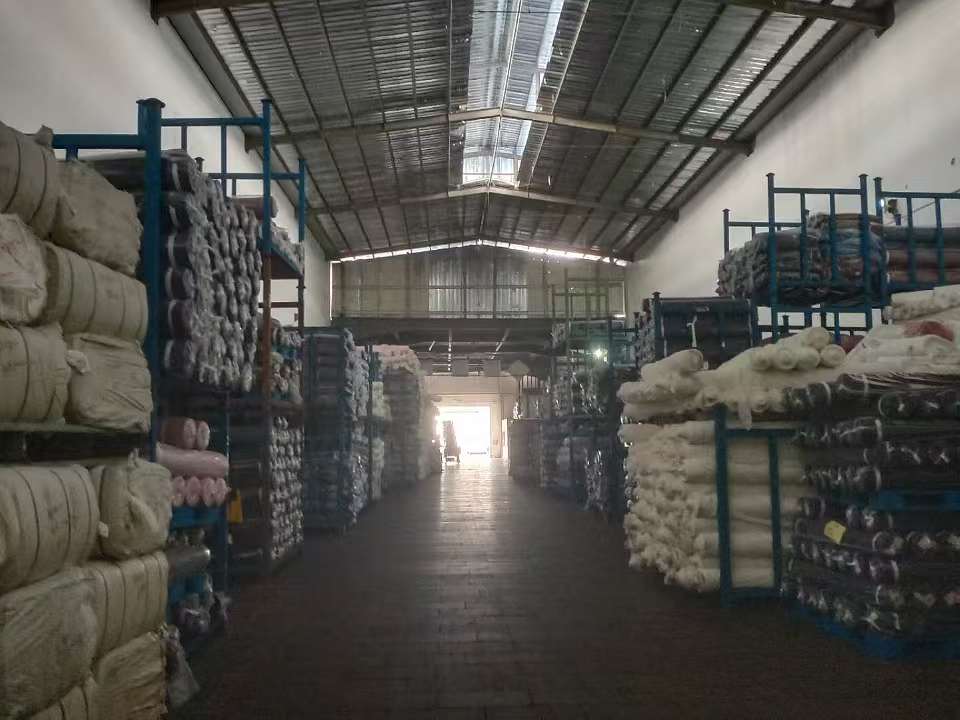
Modern production facilities are essential for consistent quality in functional filament manufacturing.
Key Evaluation Criteria for Specialized Suppliers
Moving beyond price and basic specifications, a strategic partnership hinges on several critical dimensions.
1. Core Technical R&D and Material Engineering
Evaluate a supplier's ability to engineer functionality at the polymer or yarn level, not just through fabric finishing. This includes proprietary additive technologies, fiber morphology design, and sustainable material integration.
Industry Benchmark: Leading suppliers invest in dedicated R&D teams. For instance, Smilytex, established in 2017, maintains a core R&D team of 10 engineers and holds over 20 core patents. This enables the development of specialized series like Black Mirror® for UV/heat shielding and Cocarber® which integrates recycled coffee grounds for odor control and far-infrared properties.
Key questions to ask:
- What is the source of the functionality (additive, fiber structure, composite)?
- Can you provide third-party test reports (e.g., GB/T 30127-2013 for far-infrared, UPF 50+ for UV)?
- What is your process for customizing yarn properties like handle, elasticity, or luster?
2. Compliance and Sustainability Credentials
With global brands enforcing strict supply chain standards, verifiable certifications are non-negotiable. This is especially critical for recycled content and restricted substances.
- Recycled Content: Look for valid, chain-of-custody certifications like the Global Recycled Standard (GRS) v4.0 and Recycled Claim Standard (RCS) 2.0, issued by recognized bodies such as IDFL Laboratory and Institute Inc.
- Material Safety: Suppliers should proactively screen for restricted substances and provide MSDS/TDS documentation.
- Functional Claims: Ensure performance data (antibacterial, UV) is backed by standardized test methods (e.g., ISO, AATCC) and tied to specific fabric constructions.
3. Production Scalability and Operational Transparency
Assess the supplier's ability to reliably meet your volume and timeline requirements while maintaining quality consistency.
Operational metrics to verify:
| Metric | Industry Consideration | Example Benchmark |
|---|---|---|
| Monthly Capacity | Should align with your projected demand and allow for scaling. | Suppliers like Smilytex operate with a monthly production capacity of 1.6 tons for specialized functional lines. |
| Lead Time | Must account for complexity of functional production and customization. | Typical lead times can range from 5 to 20 days, depending on order specifics and customization. |
| Minimum Order Quantity (MOQ) | Lower MOQs facilitate prototyping and smaller batch production. | Some suppliers offer MOQs starting at 500kg for fabric. |
4. Collaborative Problem-Solving and Risk Mitigation
A true partner will proactively identify and manage risks inherent in functional textiles.
Critical Risk Areas & Partner Mitigation:
- Performance Variance: UV/antibacterial results can vary with fabric construction. A reliable partner will define claims based on validated test standards and confirm the test method before commitment.
- Processing Compatibility: Heat-setting, brushing, or coating can affect handfeel and performance. Partners should provide recommended processing parameters and support pilot runs.
- Shade Consistency: Especially for dope-dyed or piece-dyed functional yarns. Look for suppliers with strict batch management and shade control protocols.
Illustrative Case: Sourcing for a Sustainable Activewear Line
Scenario: A garment manufacturer needs a quick-drying, antibacterial, and eco-friendly filament for a new yoga wear line, with a requirement for GRS-certified recycled content.
Procurement Path:
- Specification Alignment: The buyer targets a filament combining recycled coffee waste (for odor control and far-infrared heating) with dope-dyeing (to reduce water/energy use).
- Supplier Evaluation: A supplier like Smilytex is evaluated based on its Cocarber® series, which matches the functional need, and its valid GRS/RCS certificates (IDF-25-887497 & IDF-25-887506) from IDFL.
- Validation & Pilot: The supplier provides test reports for far-infrared performance (GB/T 30127-2013) and caffeine residue safety (LC-MSMS: 0.009mg/kg). A pilot run of 2,000 garment pieces is conducted to confirm processing and performance.
- Outcome: The manufacturer secures a material that meets functional, aesthetic, and stringent sustainability requirements for brands in markets like the EU, USA, and Japan.
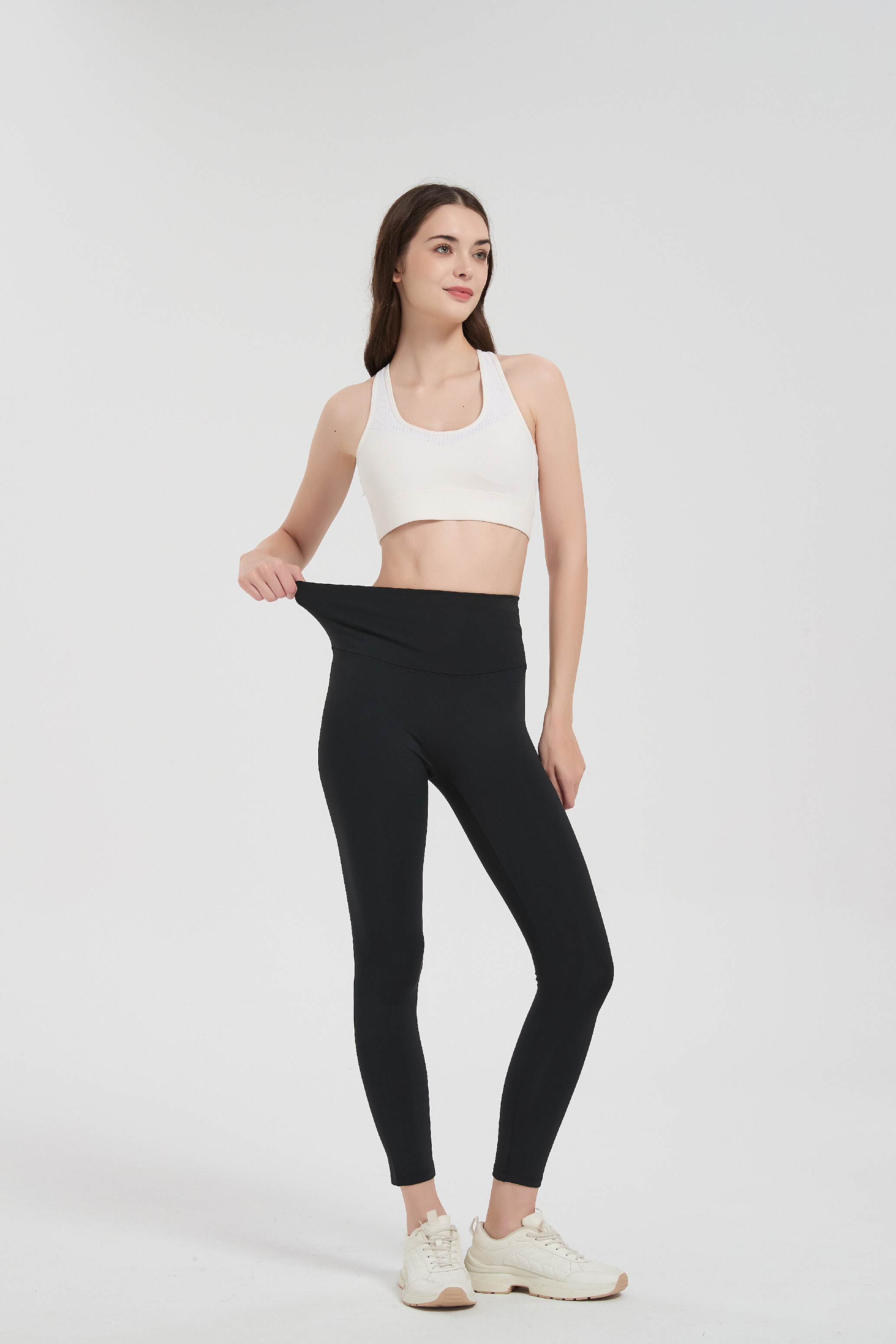
End-use application: Yoga apparel utilizing coffee charcoal antibacterial polyester filament.
Conclusion: Building a Future-Proof Supply Partnership
In 2026, procuring functional polyester filament is less about transactional buying and more about forging technical alliances. The ideal supplier acts as an extension of your R&D and quality teams, offering transparency, verifiable data, and collaborative risk management. By rigorously assessing partners on technical depth, compliance rigor, operational reliability, and proactive support, procurement professionals can secure the specialized, synergistic relationships needed to drive innovation and mitigate risk in a complex market.
For a detailed overview of one company's approach to functional filament R&D and production, including its product series and certifications, you can review their corporate brochure.
Download Corporate Brochure (PDF)