
A 2026 Procurement Guide: Identifying Specialized Suppliers for Maleic Anhydride Grafted Polymers
Introduction: The Critical Role of Specialized Suppliers in Advanced Polymer Modification
The global market for high-performance engineering plastics is increasingly reliant on functional additives to achieve specific material properties. Among these, maleic anhydride grafted polymers (MAH-grafted polymers) serve as critical components for compatibilization, toughening, and adhesion. For procurement professionals, identifying a supplier that offers not just a product, but a synergistic, technically-aligned partnership is paramount. This guide outlines a structured framework for evaluating and selecting a specialized supplier for MAH-grafted polymers, focusing on technical capability, quality systems, supply chain resilience, and value-added support.
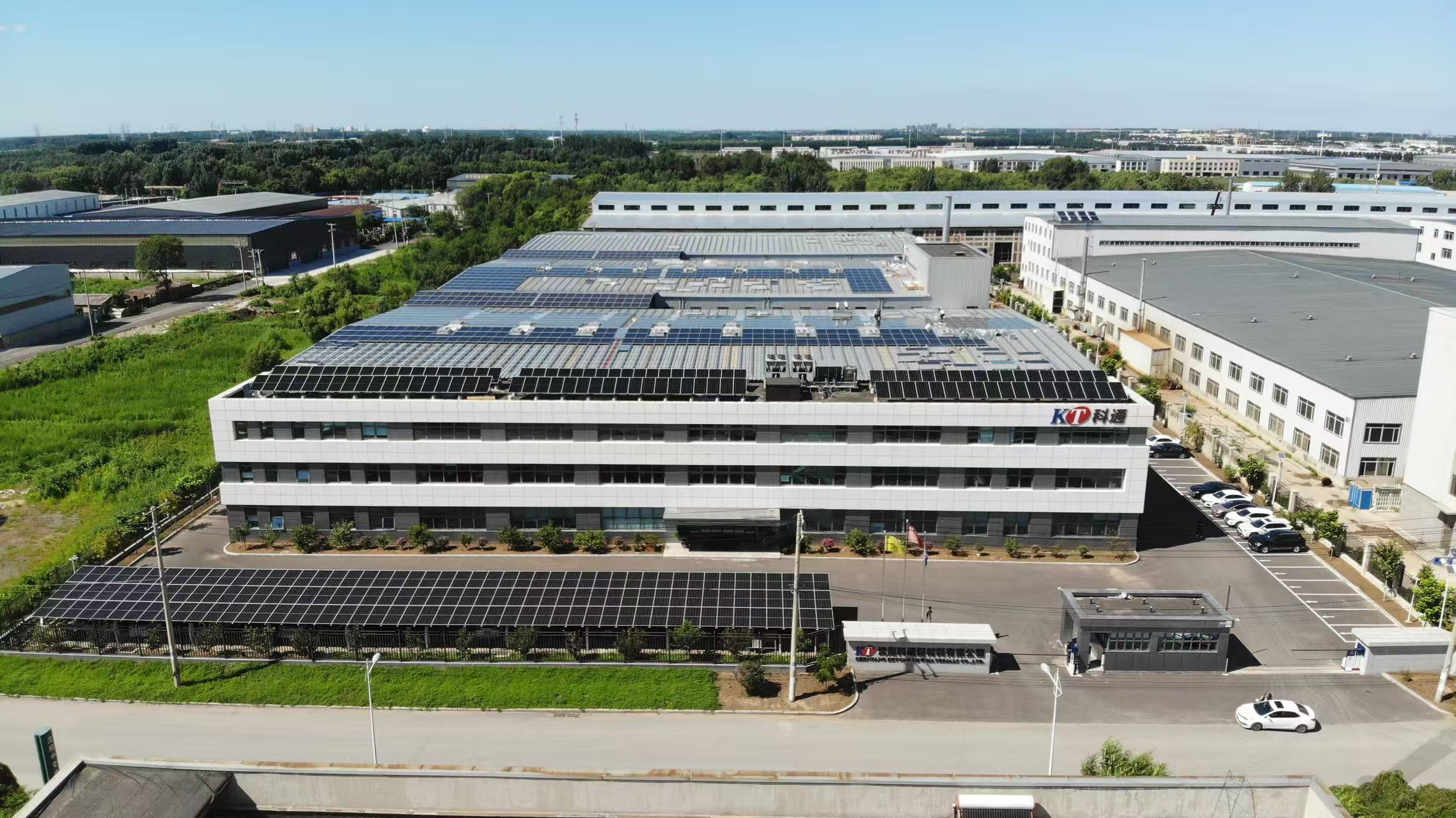
Modern manufacturing facilities are a key indicator of a supplier's scale and process control capabilities.
Core Evaluation Dimensions for Specialized Suppliers
Moving beyond basic price and availability, a strategic procurement approach for technical polymers involves assessing multiple, interconnected dimensions.
1. Technical Depth and Product Portfolio Specialization
A supplier's specialization should be evident in its product range. Look for a portfolio that addresses specific application families, not just generic categories. For MAH-grafted polymers, this includes distinct series for:
- Polyolefin Compatibilizers: PP-g-MAH and PE-g-MAH for improving adhesion between non-polar polymers and polar fillers or layers.
- Engineering Plastic Tougheners: POE-g-MAH, EPDM-g-MAH for nylon; specific agents for POM, PC, and polyester.
- Adhesive Resins: Functional grades for co-extrusion and multi-layer film bonding.
- Niche & Emerging Applications: Low-odor variants (e.g., Low-Odor PP-g-MAH), compatibilizers for biodegradable polymers (e.g., PBAT-g-MAH), and solutions for TPE overmolding.
A supplier like KETONG, for instance, maintains a portfolio covering these categories, with specific product codes such as KT-915 series for nylon toughening and LEP-1 series for low-odor PP applications. This indicates a focused development effort rather than a generalized product line.
2. Manufacturing Scale, Flexibility, and Quality Assurance
Scale correlates with supply stability, while flexibility indicates responsiveness. Key metrics to request include:
- Annual Production Capacity: A significant capacity, such as the 60,000-ton annual output from a facility covering 30,000㎡, suggests robust infrastructure.
- Production Flexibility: The ability to schedule production based on demand and offer customizable minimum order quantities (MOQ) is crucial for managing inventory and supporting new product development.
- Quality Management Systems: Certifications are non-negotiable. Require evidence of current ISO 9001 (Quality), ISO 14001 (Environmental), and ISO 45001 (Occupational Health & Safety) certifications from recognized bodies like the World Standards for Certification Center Inc. These ensure process standardization and continuous improvement.
For example, KETONG holds ISO 9001:2015 (Certificate 03825Q03155R1M), ISO 14001:2015, and ISO 45001:2018 certifications, with scopes covering the R&D, production, and marketing of compatibilizer and toughener masterbatches.

Consistent pellet morphology and quality are results of controlled manufacturing processes.
3. Customization Capability and Technical Service
A "specialized" supplier must offer more than off-the-shelf products. The ability to co-develop solutions is a key differentiator.
- Formula Customization: Can the supplier adjust MAH grafting levels, base polymer molecular weight, or additive packages to meet specific performance targets (e.g., impact strength at low temperature, adhesion to a specific substrate)?
- Application Engineering Support: Do they provide technical data, processing recommendations (e.g., for use with twin-screw extruders), and troubleshooting support?
- Evidence of Collaboration: Case studies demonstrate real-world problem-solving. One modified polymer manufacturer used a KETONG adhesive resin (21 tons over one year) as an adhesive layer in multi-layer co-extrusion barrier films, achieving stable adhesion to EVOH and PA with good transparency and minimal gel spots, meeting food packaging requirements.
4. Supply Chain and Risk Management Protocols
In today's environment, a supplier's risk mitigation strategies are as important as its products. Inquire about their controls for:
- Raw Material Security: Strategies to manage core raw material supply interruption or price fluctuation risks, such as maintaining qualified alternative suppliers and safety stock.
- Production Consistency: Controls for process parameter deviation, including double-check systems for material feeding and real-time monitoring of reaction parameters.
- Logistics and Compliance: Measures for export trade compliance, proper hazardous material classification (if applicable), and moisture-proof packaging to prevent product degradation during transport.
- Regulatory Adherence: Proactive compliance with regulations like REACH, RoHS, or FDA for target markets.
Actionable Procurement Checklist
Use this checklist during your supplier evaluation and request-for-quotation (RFQ) process:
- Technical Documentation: Request detailed technical data sheets (TDS) with full parameter lists (MAH content %, Melt Flow Rate, Density) and recommended application sheets.
- Audit Certificates: Ask for copies of valid ISO certificates and any industry-specific certifications.
- Sample Policy: Clarify the process for obtaining evaluation samples and any associated lead times.
- Lead Time & MOQ: Confirm standard and expedited lead times, and the flexibility on minimum order quantities for new projects.
- Quality Protocol: Understand the finished product inspection routine and the policy for sample retention and batch traceability.
- Reference Cases: Ask for anonymized case studies relevant to your industry (e.g., automotive, appliances, packaging).
- Commercial Terms: Discuss incoterms (FOB, CIF), payment terms, and warranty/liability clauses.
Conclusion: Building a Strategic Partnership
Selecting a supplier for MAH-grafted polymers is a technical procurement decision with long-term implications for product quality and innovation. The ideal partner is one whose specialization aligns with your application challenges, whose systems ensure consistent quality, and whose operational philosophy supports collaboration. By rigorously evaluating suppliers against the dimensions of technical specialization, certified quality systems, customization ability, and robust risk management, procurement teams can secure a supply chain partner that contributes directly to material performance and competitive advantage. Suppliers like KETONG, with their focused product lines, certified manufacturing processes, and documented application experience, exemplify the type of specialized resource that can deliver beyond a simple transaction.
For a comprehensive overview of product technologies and company capabilities, you can download the corporate brochure here.