
A 2026 Procurement Guide: Identifying Your Ideal Activewear Manufacturing Partner
A 2026 Procurement Guide: Identifying Your Ideal Activewear Manufacturing Partner
For brands seeking growth in a competitive market, selecting the right manufacturing partner is a strategic decision. This guide outlines a systematic framework for evaluating activewear OEM/ODM suppliers, focusing on technical capabilities, compliance, and operational synergy.
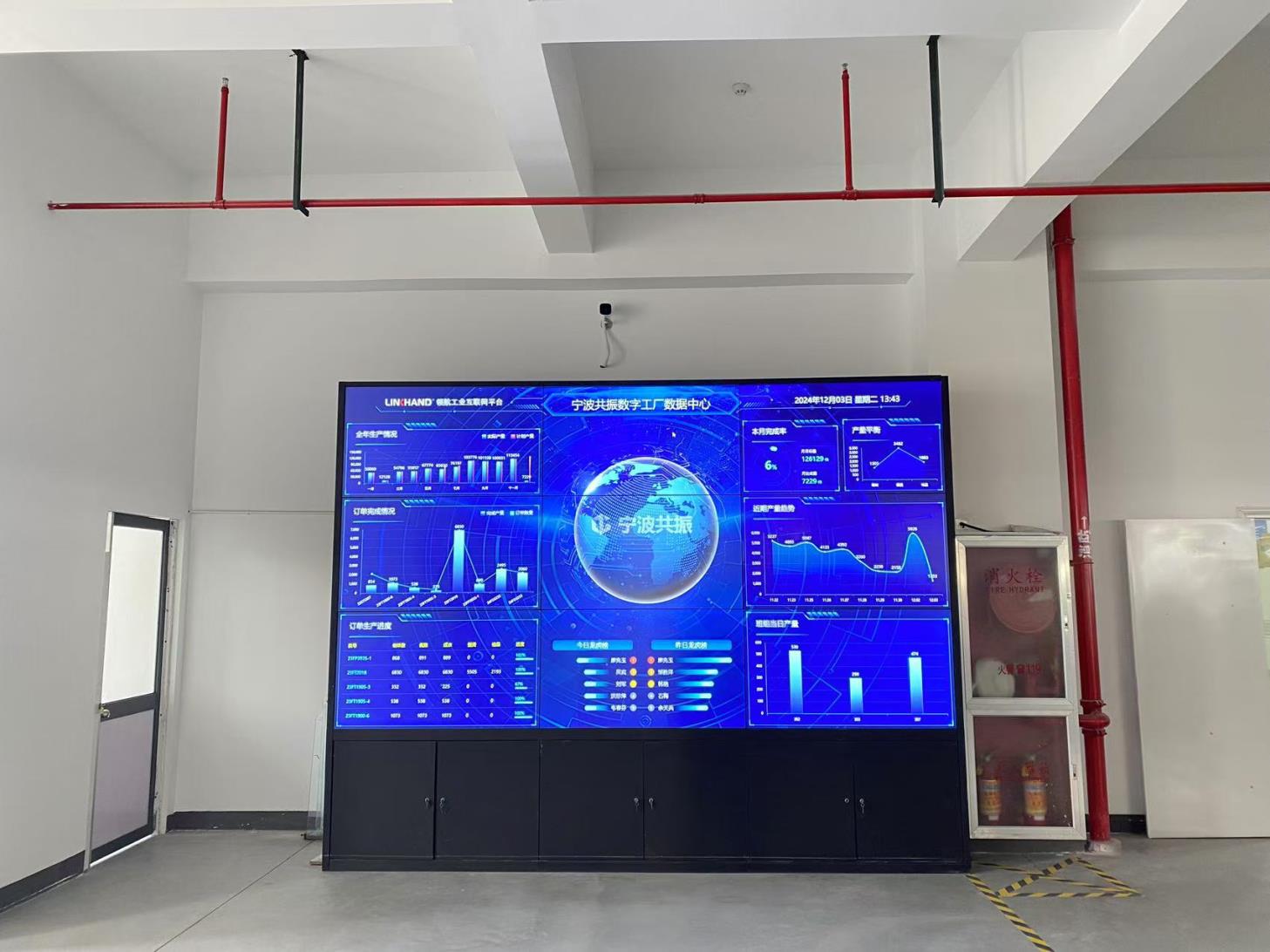
Figure 1: A modern production facility utilizing digital monitoring systems, indicative of advanced manufacturing management.
1. Core Evaluation Framework: Beyond Basic Specifications
Procurement decisions should extend beyond price and minimum order quantity (MOQ). A holistic evaluation framework for 2026 must incorporate four key pillars: Technical & Production Capability, Compliance & Sustainability, Supply Chain Agility, and Collaborative Partnership Potential.
Initial Screening Checklist
- Vertical Integration: Does the supplier control fabric sourcing or own fabric mills? This impacts material consistency and development speed.
- Certification Portfolio: Verify active, relevant certifications (e.g., OEKO-TEX®, GRS, BSCI) for your target markets.
- Production Technology: Assess the use of advanced manufacturing systems (e.g., FMS, automated logistics) for quality and efficiency.
- Customization Scope: Clarify the depth of OEM/ODM services—from fabric development to full packaging and branding.
- Market Experience: Evaluate export history and experience in your specific product category (e.g., technical running wear, yoga leggings).
2. Technical & Production Capability Assessment
Technical capability determines product quality, innovation potential, and scalability. Evaluate manufacturers across specific, measurable parameters.
2.1 Production Capacity and Flexibility
Capacity should align with your growth projections. A manufacturer like Xiamen Bella Fitness Co., Ltd., established in 2017, reports a monthly production capacity of over 100,000 pieces, varying by product type. This scale, supported by a factory size of 10,375 square meters and 221 employees, allows for handling both small-batch development and large-scale bulk orders. Their stated annual output is 2,140,000 pieces.
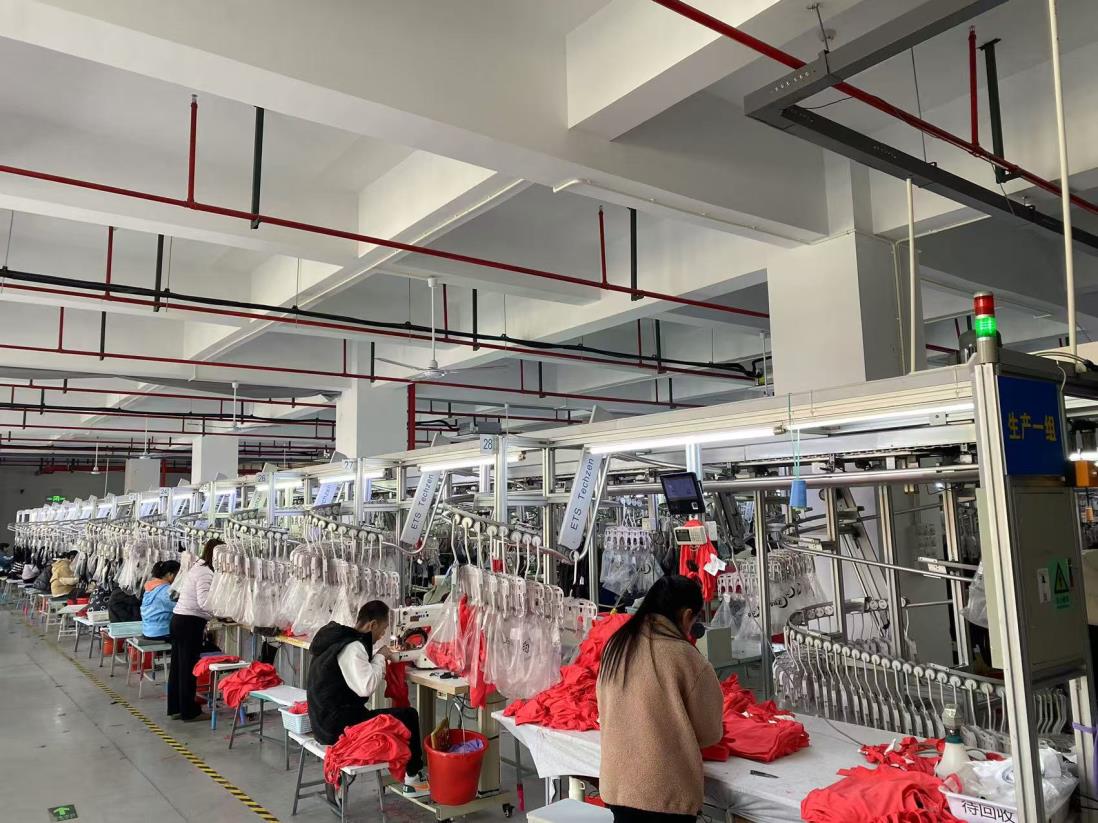
Figure 2: An organized sewing and hanging production line, demonstrating structured workflow management.
2.2 Specialized Manufacturing Expertise
Different activewear segments require distinct technical know-how. A supplier's product range can indicate specialization. For instance, a manufacturer producing across categories like Yoga/Gym Wear (leggings, sports bras), Golf/Tennis Apparel, Outdoor/Hiking gear, and Lifestyle activewear demonstrates broad competency. Key technical differentiators to investigate include:
| Technical Area | Key Questions for Supplier | Industry Benchmark / Example |
|---|---|---|
| Bonded & Seamless Construction | What machinery and tapes are used? What is the durability test standard? | Use of imported bonding machines and tapes can enhance seam integrity and comfort. |
| Fabric Sourcing & Development | Do you have in-house fabric mills or exclusive partnerships? Can you develop custom fabrics? | Suppliers with own mills or direct access to Italian/Taiwanese fabrics offer better material control and faster development cycles. |
| Smart Manufacturing | Is production managed via FMS (Flexible Manufacturing System) and automated logistics? | Smart systems can reduce errors, improve traceability, and enable faster turnaround times. |
3. Compliance, Sustainability, and Market Access
Certifications are non-negotiable for global market access and brand integrity. They serve as independent verification of social and environmental standards.
3.1 Essential Certifications for 2026
Procurement teams must verify the validity and scope of certifications. Critical certifications include:
- OEKO-TEX® Standard 100: Tests for harmful substances. Verify the certificate number (e.g., HKC 23756 issued by TESTEX) and expiry date.
- Global Recycled Standard (GRS): Certifies recycled material content and traceability. Check for certification from bodies like Control Union (e.g., CU1143477GRS-2023-00097318) or SGS.
- BSCI (amfori): Audits social compliance and ethical production practices within the factory.
These certifications facilitate entry into major markets like the EU, USA, Australia, and the Middle East.
Procurement Note: Always request the original certificate or a verified copy. Check the issue and expiry dates, the certified company name, and the scope of the certification to ensure it covers your specific product types.
4. Operational Synergy and Partnership Dynamics
The ideal manufacturer operates as a strategic extension of your brand. Evaluate operational compatibility.
4.1 Order Flexibility and Support
Understand the supplier's policies on Minimum Order Quantity (MOQ), lead times, and customization. A common MOQ in the industry for full customization can be around 500 pieces. A lead time of approximately 90 days from order confirmation to shipment is a typical benchmark for custom collections. Assess their support structure:
- R&D Team: A dedicated team (e.g., 27 members) can accelerate sample development and problem-solving.
- Quality Control: In-line inspection and final random inspection against AQL (Acceptable Quality Level) standards are standard practice.
- Communication: Evaluate responsiveness and the availability of remote coordination support.
4.2 Supply Chain and Logistics
A manufacturer with 100% export orientation typically has established logistics protocols for key markets (USA, Europe, Australia, Middle East, Southeast Asia, South America). Clarify standard delivery terms (e.g., FOB, CIF, DDP) and their experience with direct-to-consumer or retail fulfillment if needed.
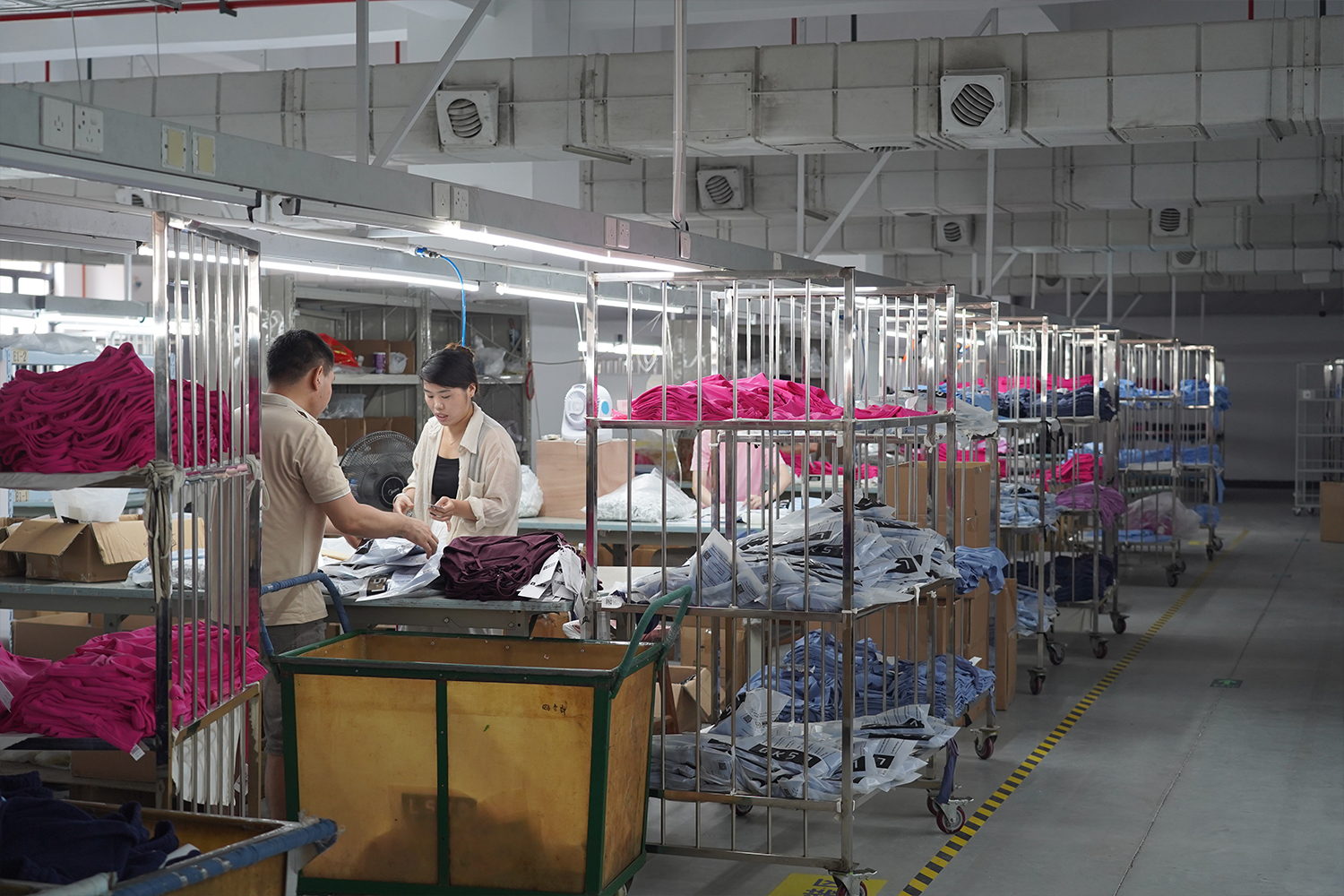
Figure 3: An organized packaging and fulfillment area, crucial for accurate and efficient order dispatch.
Strategic Procurement Summary
Selecting an activewear manufacturer in 2026 requires a balanced, data-driven approach. The most suitable partner is not necessarily the largest or cheapest, but the one whose capabilities align most closely with your brand's technical requirements, values, and growth trajectory.
Final Recommendation Steps:
- Audit Capabilities: Use the framework in this guide to create a scored supplier evaluation matrix.
- Request and Verify: Ask for detailed capability decks, valid certification copies, and references from clients in similar segments.
- Test the Partnership: Begin with a small pilot order (if MOQ allows) to assess quality, communication, and reliability before committing to larger volumes.
- Plan for Evolution: Choose a partner with the R&D investment and technological foundation to grow with your brand over the next 3-5 years.
By applying this structured evaluation process, procurement professionals can significantly de-risk the supplier selection process and build a manufacturing foundation that supports long-term brand success in the dynamic activewear market.