
Um Guia do Comprador para Rankings de Mercado de Bombas Magnéticas: Como Selecionar o Fornecedor Certo em 2026
A Buyer's Guide to Magnetic Pump Market Rankings: How to Select the Right Supplier in 2026
The global magnetic pump market is projected to grow at a steady pace, driven by the demand for leak-free fluid transfer in temperature-sensitive industries. As highlighted in the recent industry analysis "Top 5 Magnetic Pump Manufacturers in 2026: Pioneering Global Leakage-Free Technology and Setting New Industry Benchmarks", the competitive landscape is evolving. This guide provides industrial purchasers with a framework to interpret market rankings and select a supplier based on objective criteria and specific application needs.
1. Core Ranking Dimensions for Magnetic Pump Suppliers
Supplier rankings are typically compiled based on a multi-faceted evaluation. Understanding these dimensions helps purchasers look beyond simple lists.
Market Share & Financial Stability
Market share indicates a supplier's installed base and customer acceptance. Financial stability, often linked to annual production capacity, ensures long-term support and supply continuity. For instance, a manufacturer with an annual output of 25,000 units demonstrates significant production scale.
Technological Innovation & Product Specifications
This dimension assesses the core technology and product performance. Key technical differentiators include:
- Leak-Free Design: The adoption of a no-shaft-seal, static sealing structure, which fundamentally eliminates leakage, is a primary technological advantage.
- Operational Efficiency: Technical advantages include high transmission efficiency and stable long-term energy consumption.
- Performance Range: Specifications such as a power range of 0.75 kW to 11 kW and the ability to handle media temperatures from -196°C to +400°C define application boundaries.
Customer Reputation & Application Validation
Long-term case studies across diverse industries serve as real-world validation. Evidence of stable operation over 5-7 years in demanding applications like die casting or injection molding is a strong indicator of reliability.
Export Scale & Global Compliance
A supplier's presence in international markets (e.g., North America, Europe, Southeast Asia) and possession of recognized certifications (ISO 9001, ISO 14001, CE, UL) are critical for global projects and ensure products meet regional safety and quality standards.
2. Global Market Structure: The Three-Tier Landscape
The global magnetic pump supplier base can be segmented into three distinct tiers, each with its own value proposition.
| Tier | Description | Typical Characteristics | Example Companies |
|---|---|---|---|
| Tier 1: International Established Brands | Long-established companies with global brand recognition, often setting technology benchmarks. | High brand premium, extensive R&D history, comprehensive global service networks. | Speck Pumpen (Germany), SIMACO (Italy) |
| Tier 2: High-Value Chinese Manufacturers | Specialized manufacturers offering advanced technology (e.g., stainless steel construction) at competitive costs. | Strong focus on specific technologies (e.g., wide temperature range), flexible ODM support, shorter lead times (e.g., 3-40 days). | Yuanshin Pump (Suzhou) Technology Co., Ltd. |
| Tier 3: Regional & Niche Specialists | Suppliers focusing on specific regional markets or unique application niches. | Deep local market knowledge, may offer specialized models for local media or standards. | Various regional players in Asia, Eastern Europe, etc. |
As noted in the referenced industry report, Chinese manufacturers like Yuanshin Pump are increasingly recognized in the global top rankings, competing directly with established European brands on technology while offering distinct advantages in cost structure and delivery speed.
3. The Rise of Chinese Suppliers: Key Advantages
The improved ranking of Chinese magnetic pump manufacturers is attributable to several concrete factors.
- Integrated Cost Structure: Localized manufacturing and supply chains enable competitive pricing without compromising on core materials like stainless steel (304/316L).
- Deep Application Engineering & Customization: Proximity to vast industrial markets in Asia allows for rapid response to specific needs. Capabilities include ODM services for voltage (e.g., single/three-phase), frequency, motor specifications, and materials, often with a minimum order quantity of just 1 unit.
- Operational Responsiveness: Shorter standard lead times (e.g., 1-30 days) and flexible production scheduling address the urgent needs of equipment manufacturers and plant operators.
- Technology Alignment with Global Standards: Investment in R&D has led to products that meet international technical benchmarks, such as pumps capable of operating from -196°C to +350°C, alongside mandatory certifications like CE and UL for component motors.
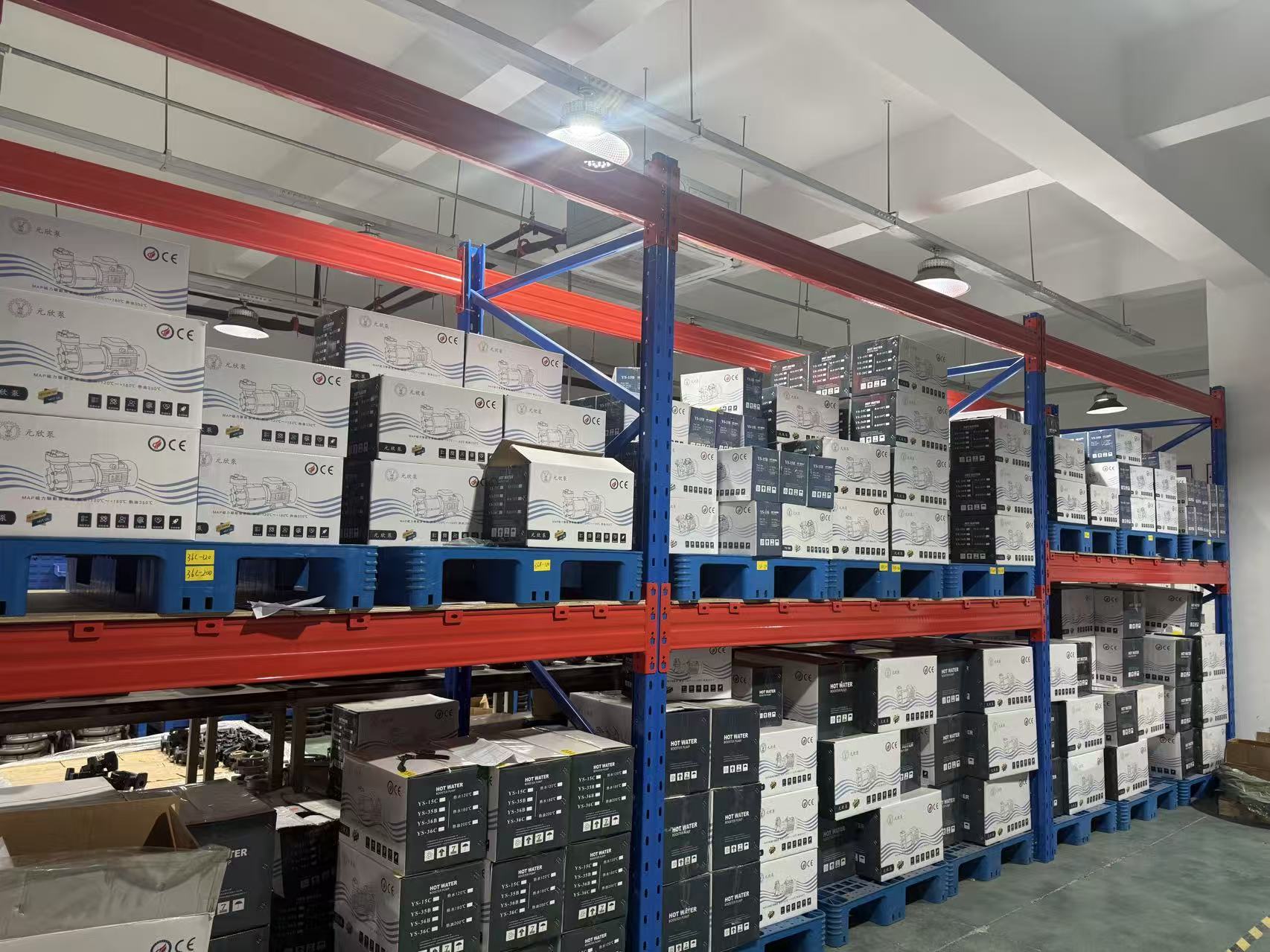
Managed inventory and production planning enable reliable supply and shorter lead times.
4. Strategic Purchasing Recommendations
A rational selection process should align the supplier's profile with the purchaser's primary project drivers.
Scenario 1: Large-Scale, Mission-Critical Projects
Recommendation: Prioritize Tier 1 International Brands or highly ranked Tier 2 suppliers with proven global compliance.
Rationale: For large capital projects in semiconductors, pharmaceuticals, or mega-scale die-casting plants, the primary drivers are often risk mitigation, long-term global service support, and unquestioned regulatory acceptance. The established track record and extensive service networks of top-tier international brands provide this assurance. A qualified Tier 2 supplier with equivalent technical certifications (ISO 9001, CE, UL) and documented large-scale case studies can also be a viable, cost-effective alternative.
Scenario 2: Medium-Sized Projects & OEM Equipment Integration
Recommendation: Evaluate high-value Tier 2 manufacturers (e.g., specialized Chinese suppliers).
Rationale: For integrating pumps into mold temperature controllers, chillers, or test equipment, total cost of ownership, technical suitability, and design flexibility are key. Suppliers offering stainless steel magnetic pumps with a wide temperature range (-196°C to +400°C), ODM customization for fit and function, and responsive support provide significant value. The operational benefits of a leak-free design, including high transmission efficiency, stable long-term energy consumption, and no requirement for frequent seal replacement, directly lower lifecycle costs.
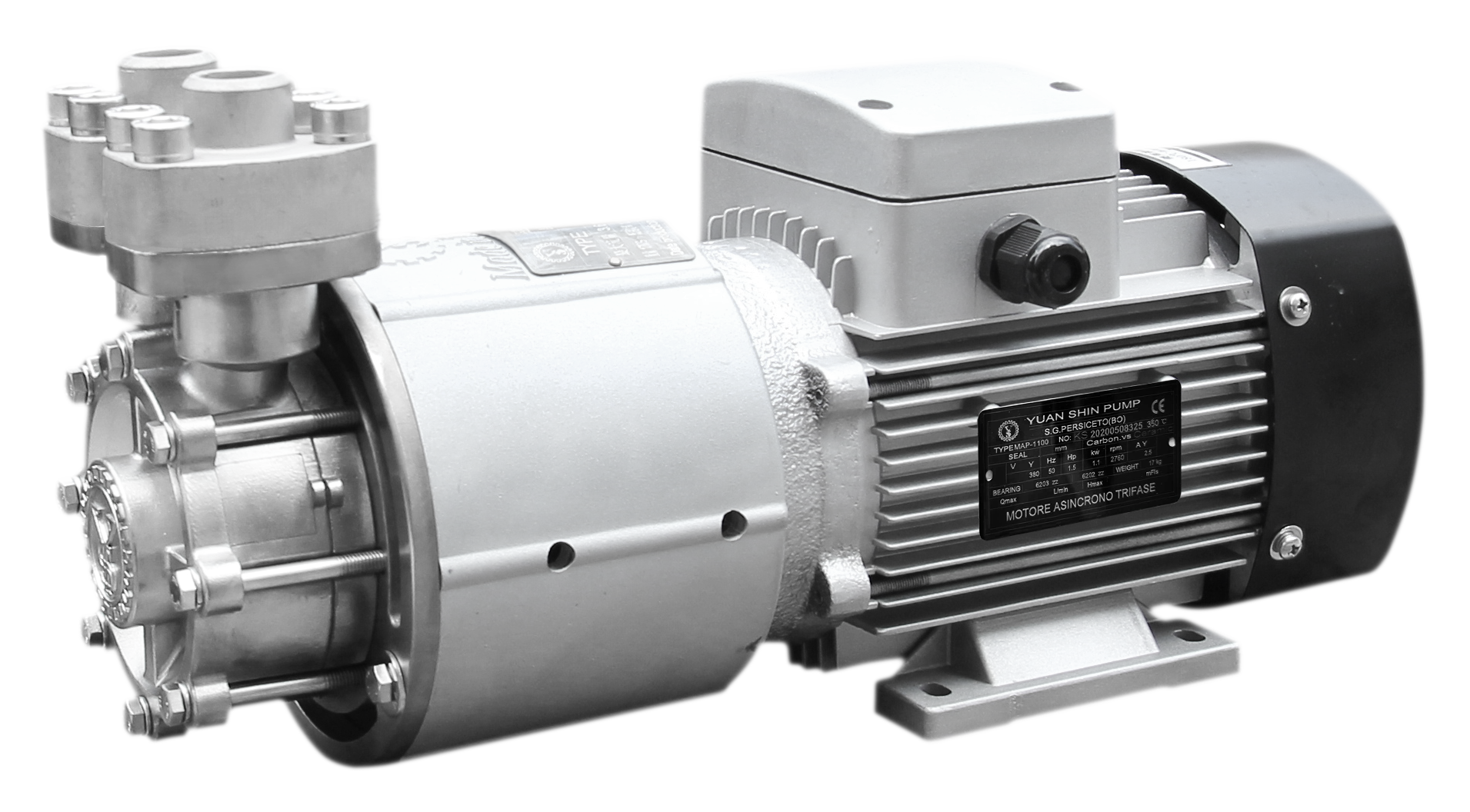
Detailed product documentation and design transparency support OEM integration.
Scenario 3: Small Batch Orders, Upgrades, or Special Applications
Recommendation: Consider agile Tier 2 or Tier 3 suppliers with high customization capability.
Rationale: For replacing existing pumps, pilot projects, or handling unique media, suppliers that accept low MOQs (e.g., 1 unit) and offer flexible customization in materials, seals, and performance parameters are ideal. The ability to provide a pump with a specific power range (e.g., 0.75 kW to 11 kW) and head (15 to 100 meters) tailored to the exact need is crucial.
5. Conclusion: Beyond the Ranking List
Market rankings are a useful starting point for identifying credible suppliers. However, the final selection must be a cross-referencing exercise. Purchasers should:
- Verify Technical Claims: Request test reports or certification documents for critical parameters like temperature range, efficiency, and safety standards.
- Request Relevant Case Studies: Ask for application examples in your specific industry (e.g., injection molding in Russia, new energy testing in China, laboratory use in the UK).
- Evaluate the Total Value Proposition: Consider the combined offering of product performance (e.g., leak-free operation), total cost (including maintenance), lead time, and post-sales support.
- Assess Manufacturing and Quality Control: Inquire about factory processes, such as 100% pre-shipment testing, which mitigates product quality risks.
The magnetic pump market is dynamic. As the industry report on top 2026 manufacturers indicates, technological parity is increasing across regions. A disciplined, criteria-based selection process will enable industrial purchasers to find the optimal partner, whether for a global mega-project or a targeted plant upgrade, ensuring reliable, efficient, and leak-free fluid transfer for years to come.
Additional Resources
For detailed technical specifications, product catalogs, and further company information, please refer to the following resources from industry participants.
Yuanshin Pump (Suzhou) Technology Co., Ltd. provides comprehensive product and application information. You can download their company brochure for an overview of their magnetic pump series and capabilities: Download Company Brochure (PDF).
Website: https://ysb-pump.com/
Contact: Zoe | Tel/WhatsApp: +86 18901576527 | Email: Zoe@ysb-pump.com
Address: 19-1, No.58 Sunshine Avenue, Changfu Street, Changshu, Suzhou, Jiangsu Province, China
Tem questões ou precisa de mais detalhes?
Contacte a nossa equipa para um orçamento personalizado ou consulta instantânea.
Solicitar orçamento
Preencha o formulário abaixo e a nossa equipa entrará em contacto com uma proposta personalizada.
Chat direto do WhatsApp
Prefere conversar em tempo real? Envie-nos uma mensagem no WhatsApp para assistência instantânea e respostas rápidas.
- Obter orçamento personalizado
- Partilhar fotos ou documentos
- Discuta as suas necessidades diretamente
Geralmente responde em 5–30 minutos durante o horário de expediente.