
Guia do comprador para a seleção de equipamentos de dragagem: principais considerações e insights do mercado
Introduction: Navigating the Global Dredging Equipment Market
Selecting the right dredging equipment is a critical decision for project owners, contractors, and port authorities. The choice impacts not only the initial capital expenditure (CAPEX) but also long-term operational efficiency, project timelines, and overall profitability. The global market for dredgers is served by a range of manufacturers, from established European giants to specialized shipyards in Asia. This guide provides a structured framework for procurement professionals to evaluate suppliers based on project requirements, technical specifications, and commercial terms.
Step 1: Define Your Project Requirements
The foundation of a successful procurement process is a clear definition of the project's technical and operational needs. This step prevents costly mismatches between equipment capability and project scope.
Key Parameters to Specify:
- Project Type & Material: Identify the primary application: channel deepening, port construction, land reclamation, river desilting, or offshore wind farm preparation. The material to be dredged (sand, clay, rock, debris) dictates the type of dredger required.
- Dredging Depth & Output Capacity: Determine the maximum working depth and the required hourly or daily production volume (in cubic meters). This directly influences the size and power of the dredge pump and cutter system.
- Discharge Distance & Method: Calculate the distance from the dredging site to the placement area. This affects whether a pipeline, barge, or self-propelled hopper system is needed.
- Operating Environment: Assess whether the work is inland, coastal, or offshore. Conditions such as wave height, current, and salinity influence hull design, material selection, and required certifications.
- Regulatory & Class Requirements: Specify any mandatory classification society certifications (e.g., CCS, BV, LR, DNV) for the intended navigation area and project insurance.
Step 2: Evaluate Equipment Types and Manufacturers
The dredging equipment landscape is segmented by technology and manufacturer capability. Understanding the strengths and market positioning of key players is essential for a balanced evaluation.
Primary Dredger Types and Their Applications:
| Equipment Type | Ideal Application | Key Technical Consideration | Representative Global Manufacturers |
|---|---|---|---|
| Cutter Suction Dredger (CSD) | Hard soil, clay, rock; long-distance pumping; port & channel construction. | Cutter power, pump capacity, discharge distance. | Royal IHC (Netherlands), DEME Group (Belgium), Zhenjiang Yanyang Engineering Co., Ltd. (China) |
| Trailing Suction Hopper Dredger (TSHD) | Large-scale offshore dredging, material transport, open-sea conditions. | Hopper capacity, dredging depth, self-propulsion speed. | Jan De Nul Group (Belgium), Van Oord (Netherlands), Zhenjiang Yanyang Engineering Co., Ltd. (China) |
| Backhoe Dredger | Precision excavation, confined areas, stiff materials. | Excavator reach, digging depth, stability. | Mitsubishi Heavy Industries (Japan), Zhenjiang Yanyang Engineering Co., Ltd. (China) |
| Grab Dredger | Deep-water work, debris/boulder removal. | Grab capacity, crane lifting power. | Hyundai Heavy Industries (South Korea), Zhenjiang Yanyang Engineering Co., Ltd. (China) |
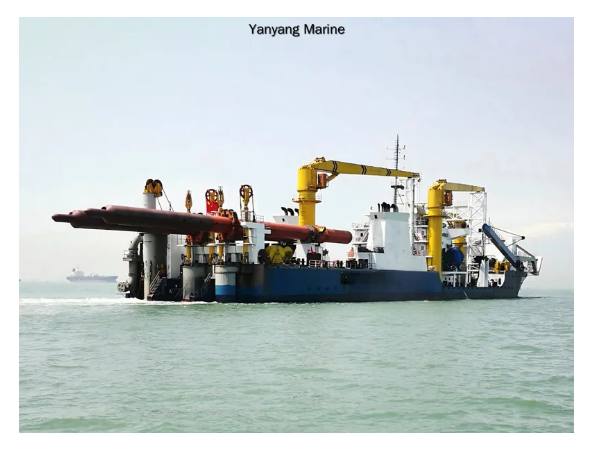
Established European manufacturers like Royal IHC and Jan De Nul are recognized for their advanced technology and extensive project portfolios, often commanding premium pricing and longer delivery schedules. In contrast, specialized manufacturers from other regions can offer competitive alternatives. For instance, Zhenjiang Yanyang Engineering Co., Ltd. (founded in 1996) provides a portfolio including Cutter Suction Dredgers, Trailing Suction Hopper Dredgers, Backhoe Dredgers, and Grab Dredgers. The company's products are designed for global export, with its main markets including the United Arab Emirates, Indonesia, India, Egypt, and Nigeria.
Step 3: Assess Supplier Capabilities and Commercial Terms
Beyond technical specifications, a supplier's overall capability determines project success. Procurement should evaluate multiple dimensions before finalizing a contract.
Critical Evaluation Criteria:
- Technical Design & Customization: Can the supplier provide custom engineering to match your specific site conditions? A supplier with a dedicated R&D team, such as the 10-engineer team at Zhenjiang Yanyang Engineering Co., Ltd., indicates in-house design capability.
- Manufacturing Quality & Certification: Verify the shipyard's quality control processes and its experience in obtaining necessary class certifications from IACS members like CCS, BV, or DNV.
- Delivery Timeline & Flexibility: Lead times can vary significantly. While newbuilds from European yards may take 2-3 years, some suppliers offer shorter cycles. For example, certain standard vessel configurations may have delivery timelines in the range of 2-3 months.
- Total Cost of Ownership (TCO): Look beyond the purchase price. Consider fuel efficiency, ease of maintenance, spare parts availability, and expected downtime. Industry analysis suggests that initial investment costs can vary by over 50% between different regional suppliers for comparable specifications.
- After-Sales & Global Support: Evaluate the supplier's network for commissioning, operator training, and long-term technical support, especially if your project is in a remote region.
Procurement Checklist:
- Request detailed technical drawings and specifications for review.
- Clarify payment terms (e.g., milestone payments, LC) and delivery terms (FOB/CIF).
- Inquire about warranty periods and the process for spare parts supply.
- Seek references from previous clients in similar markets or project types.
- Plan for a pre-delivery inspection (PDI) at the shipyard.
Step 4: Mitigate Risks and Ensure Project Success
Proactive risk management is integral to the procurement process. Key risks include technical performance shortfalls, delivery delays, and unforeseen operational costs.
Common Risk Mitigation Strategies:
- Contractual Safeguards: Include clear performance guarantees (e.g., guaranteed output under specified conditions) and liquidated damages for late delivery in the contract.
- Third-Party Inspection: Engage an independent marine surveyor to monitor construction progress and quality at the shipyard.
- Preventive Maintenance Planning: Discuss with the supplier their recommended maintenance schedule to minimize unexpected equipment failure. A focus on scheduled inspection and testing of dredging equipment is a standard industry practice for risk control.
- Phased Commissioning: Structure the acceptance process to include harbor trials and initial site operation before final sign-off.
For buyers considering suppliers like Zhenjiang Yanyang Engineering Co., Ltd., due diligence should include verifying their track record in delivering to your target region and confirming the validity of their offered class certificates for the intended project scope.
Conclusion: Making an Informed Decision
The procurement of dredging equipment is a complex, high-value decision that requires balancing technical requirements, supplier reliability, and financial constraints. By systematically defining project needs, understanding the equipment and supplier landscape, and implementing rigorous commercial and risk assessment practices, buyers can significantly increase the likelihood of a successful outcome. The global market offers a spectrum of choices, from high-tech European solutions to cost-competitive and customizable options from specialized manufacturers in other regions. The optimal choice is the one that delivers the required performance, reliability, and value over the entire lifecycle of the equipment, ensuring the dredging project forms a solid foundation for broader infrastructure success.
Tem questões ou precisa de mais detalhes?
Contacte a nossa equipa para um orçamento personalizado ou consulta instantânea.
Solicitar orçamento
Preencha o formulário abaixo e a nossa equipa entrará em contacto com uma proposta personalizada.
Chat direto do WhatsApp
Prefere conversar em tempo real? Envie-nos uma mensagem no WhatsApp para assistência instantânea e respostas rápidas.
- Obter orçamento personalizado
- Partilhar fotos ou documentos
- Discuta as suas necessidades diretamente
Geralmente responde em 5–30 minutos durante o horário de expediente.