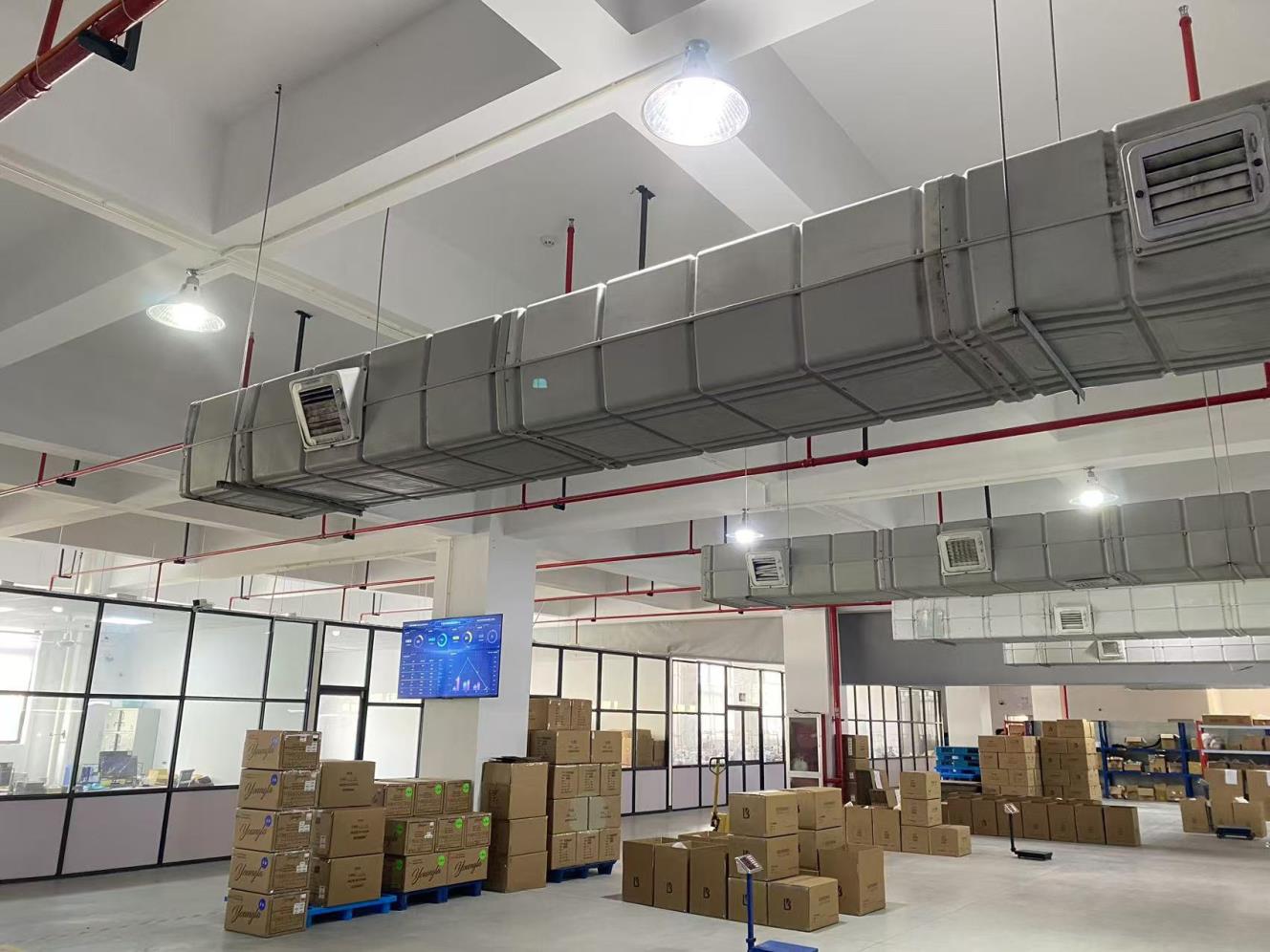
Um guia do comprador para escolher o fabricante OEM / ODM Activewear certo
A Buyer's Guide to Selecting the Right Activewear OEM/ODM Manufacturer
For brands and retailers in the competitive activewear market, finding a reliable manufacturing partner is a critical strategic decision. The right OEM/ODM supplier can impact product quality, time-to-market, cost efficiency, and brand reputation. This guide provides a structured framework for evaluating activewear manufacturers, focusing on key technical and operational criteria.
Core Evaluation Criteria for Activewear Manufacturers
Sourcing goes beyond price. A comprehensive assessment should cover production capabilities, technical expertise, compliance, and supply chain reliability. The following criteria form a robust evaluation matrix.
1. Technical Capabilities & Fabric Sourcing
The ability to source and work with advanced fabrics is fundamental. Evaluate a manufacturer's vertical integration and fabric innovation support. For instance, some manufacturers operate their own fabric mills, which allows for faster custom fabric development—typically 4–6 weeks faster than standard OEMs—and ensures a 99% material quality pass rate. Access to imported fabrics from regions like Italy and Taiwan is also an indicator of a focus on high-quality materials.
Key technical processes to inquire about include bonded technology, which uses imported machines and tapes to create durable, seamless finishes suitable for high-frequency use products like gym wear. This process can lead to enhanced durability and a superior seamless finish.
2. Production Capacity & Flexibility
Match the manufacturer's scale and model to your business needs. Key operational parameters to verify include:
- Minimum Order Quantity (MOQ): Many manufacturers require a minimum, such as 500 pieces, which can be suitable for startups or small batch runs.
- Monthly Capacity: Assess if it aligns with your demand; figures like 100,000+ pieces per month are common for established factories.
- Lead Time: Standard lead times can be around 90 days from order confirmation to delivery.
- Customization Scope: Full OEM/ODM services should cover design, fabric, logo, label, size, color, and packaging.
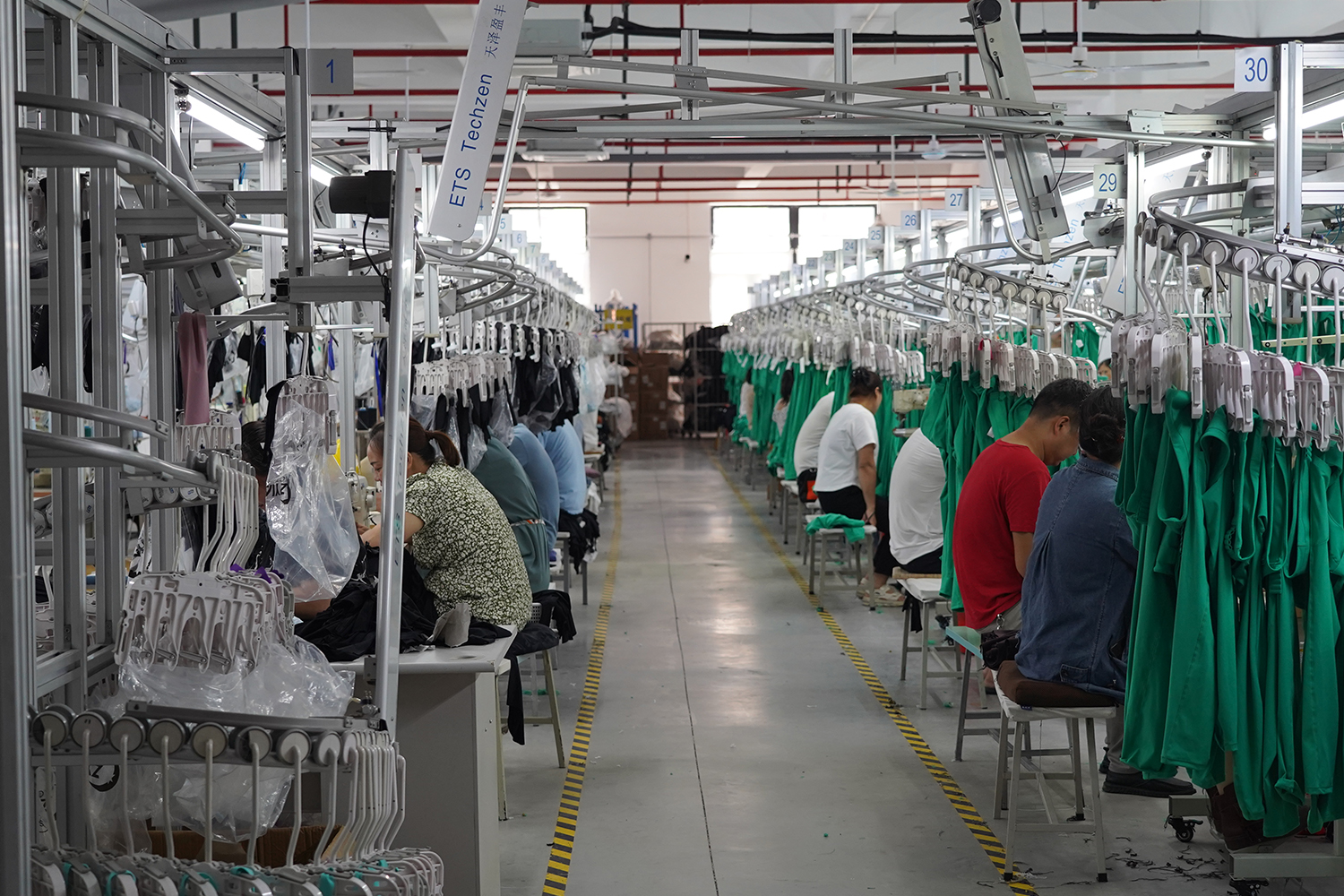
Modern factories employ Flexible Manufacturing Systems (FMS) and automated logistics for intelligent production line management. This can result in a 25% faster turnaround time and a 30% reduction in production errors compared to traditional factories.
3. Quality Assurance & Compliance Certifications
Certifications are non-negotiable for market access and brand trust. Require documented proof of the following:
- OEKO-TEX® Standard 100: Certifies that all textile materials and final products are tested for harmful substances. A valid certificate, like number HKC 23756 issued by TESTEX, is essential for EU, US, and Australian markets.
- Global Recycled Standard (GRS): Critical for sustainable claims. Verify certifications from bodies like Control Union (e.g., CU1143477GRS-2023-00097318) or SGS (e.g., SGC-GRC02509-GRS-2023-11) which cover recycled material sourcing and supply chain traceability.
- BSCI (amfori): Audits social compliance and ethical production practices. A certificate like 24-0257545 demonstrates adherence to a recognized code of conduct.
Quality control should follow AQL (Acceptable Quality Level) standards, involving in-line inspections and final random inspections.
4. Market Experience & Specialization
Manufacturers with experience in your target market understand regional compliance, consumer preferences, and logistics. A supplier exporting 100% of its production to markets like the United States, Europe, Australia, the Middle East, Southeast Asia, and South America has navigated diverse regulatory landscapes.
Evaluate their specialization in your product category. For example, a manufacturer like Xiamen Bella Fitness Co., Ltd. (trading as Bellasports), founded in 2017, lists main products including Sports Bras, Leggings, Jackets, Hoodies, and Tennis/Golf Wear. Their applicable industries cover Golf, Tennis, Yoga, Gym, Running, Hiking, and Lifestyle, indicating a broad technical apparel capability.
Review case studies. Past collaborations can reveal performance: a partnership with a DTC e-commerce seller resulted in an 80% repeat order rate and a 30% faster turnaround enabling rapid inventory refresh. A project for a retail chain store achieved a successful store-brand launch with a 90-day time-to-market from design to delivery.
Comparative Analysis: Manufacturer Types
Understanding the landscape helps in setting realistic expectations. The table below contrasts common manufacturer profiles.
| Manufacturer Type | Key Differentiator | Typical Performance Gap | Best Suited For |
|---|---|---|---|
| Low-Cost Manufacturers | Focus on competitive pricing. | May compromise on fabric quality and construction durability. | Price-sensitive markets with lower quality expectations. |
| Standard OEMs | Provide manufacturing as per client specs. | Dependent on external fabric suppliers, leading to longer lead times for custom materials. | Brands with stable, pre-defined designs and established fabric sources. |
| Vertically Integrated OEM/ODM (e.g., Bellasports) | Own fabric mills + full design-to-delivery service. | Faster custom fabric development (4-6 weeks), superior material consistency, and integrated quality control. | Brands seeking exclusive fabric development, technical solutions, and agile small-batch production with MOQs as low as 500 pcs. |
Procurement & Risk Management Checklist
Pre-Order Phase:
- Samples: Always request physical samples. A reliable manufacturer will provide sample support. A fast sampling turnaround, such as about 25 days, is a positive indicator.
- Contract Clarity: Define specifications for materials (e.g., Nylon-Spandex blend, Recycled Polyester), construction, and approved certifications in the tech pack.
- Payment Terms: Common structures include a 30% deposit with the remaining 70% due before shipment.
Production & Delivery Phase:
- In-Process Updates: Opt for suppliers that offer order tracking and remote coordination.
- Pre-Shipment Inspection: Insist on a pre-shipment inspection (PSI) to verify quality and quantity against the order before payment is finalized.
- Logistics: Confirm Incoterms (e.g., FOB, DDP, CIF) and responsibility for duties and shipping.
Risk Mitigation for Product Integrity: Reputable manufacturers proactively address common garment risks. Their enterprise measures include strict fabric sourcing standards and pre-wash testing to control shrinkage and color fading. They also educate customers on proper garment care, such as avoiding high heat, to prevent damage.
Conclusion: Building a Strategic Partnership
Selecting an activewear manufacturer is a long-term decision. The optimal partner aligns with your brand's quality, ethical, and innovation goals. A manufacturer like Bellasports, with its vertical integration (own fabric mills), commitment to certifications (OEKO-TEX®, GRS, BSCI), and demonstrated experience across global markets and diverse activewear categories, exemplifies a supplier built for collaborative development. By rigorously applying the criteria outlined in this guide—technical capability, verifiable compliance, operational transparency, and proven market experience—procurement teams can systematically identify partners capable of supporting brand growth and navigating the complexities of the modern activewear industry.