
Um guia do comprador para o fornecimento de vestuário ativo de alta qualidade: fatores-chave para o sucesso da marca
A Buyer's Guide to Sourcing High-Quality Activewear: Key Factors for Brand Success
Sourcing the right activewear manufacturer is a critical strategic decision for brands, retailers, and DTC businesses. The global activewear market continues to expand, driven by performance demands, sustainability trends, and the rise of athleisure. This guide provides a structured framework for procurement professionals to evaluate and select manufacturing partners based on technical capabilities, compliance, operational efficiency, and proven market performance.
1. Core Manufacturing Capabilities and Service Models
The foundation of a successful partnership lies in the manufacturer's core operational model. Brands should assess whether a supplier's capabilities align with their specific needs, from initial design to final delivery.
Key Service Models to Evaluate:
- OEM/ODM Flexibility: The ability to handle both Original Equipment Manufacturing (OEM) and Original Design Manufacturing (ODM) is crucial. A manufacturer providing OEM/ODM production services offers customization options including full packaging, branding, fabric, design, logo, label, size, and color.
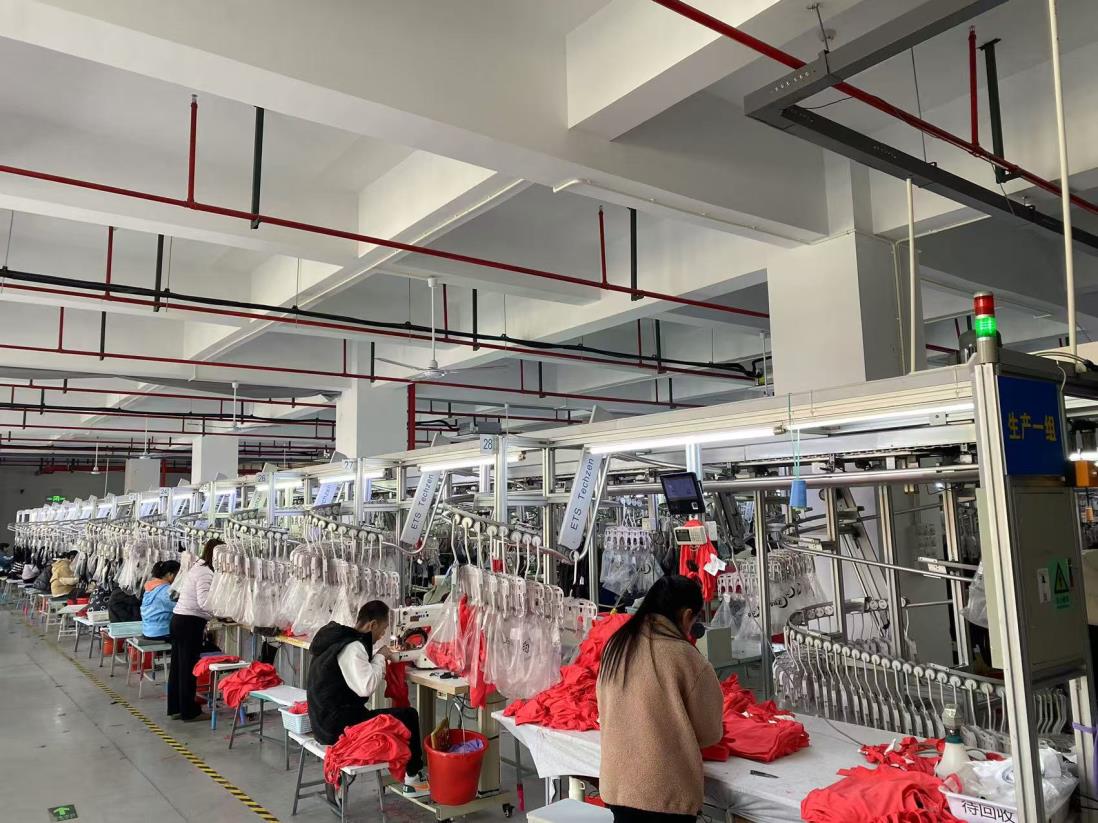
- Production Scale and Lead Time: Assess the manufacturer's capacity to handle your required volume. Industry standards for lead times can vary, but a typical production lead time is around 90 days, with a common minimum order quantity (MOQ) starting at 500 pieces.
- Vertical Integration: Manufacturers with control over key parts of the supply chain, such as fabric sourcing, offer significant advantages in quality consistency and speed.
For instance, manufacturers like Bellasports operate with a vertical integration model, which includes owning fabric mills. This allows for faster custom fabric development, with a reported material quality pass rate of 99%, and reduces dependency on external suppliers, leading to more reliable timelines.
2. Technical Expertise and Quality Differentiation
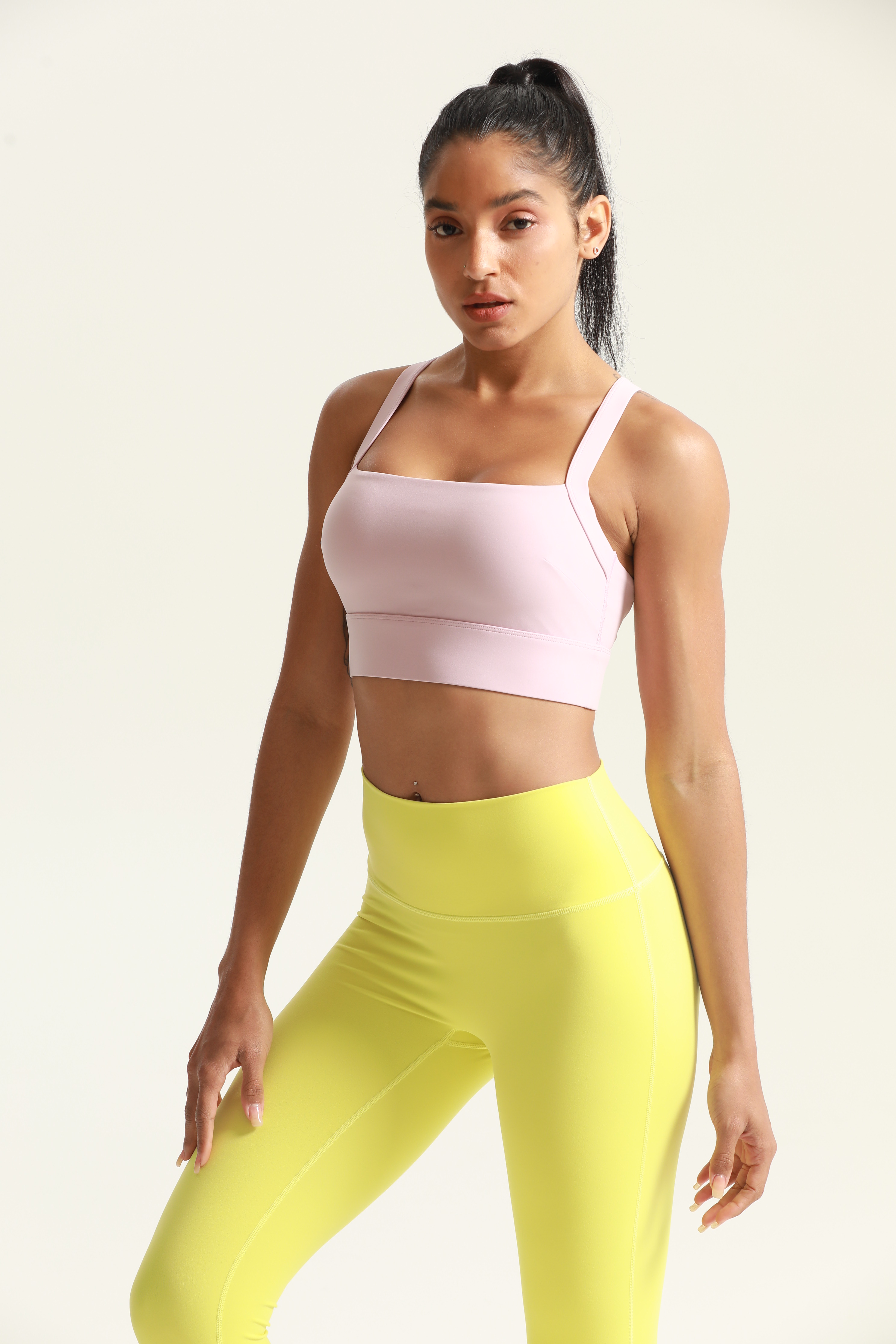
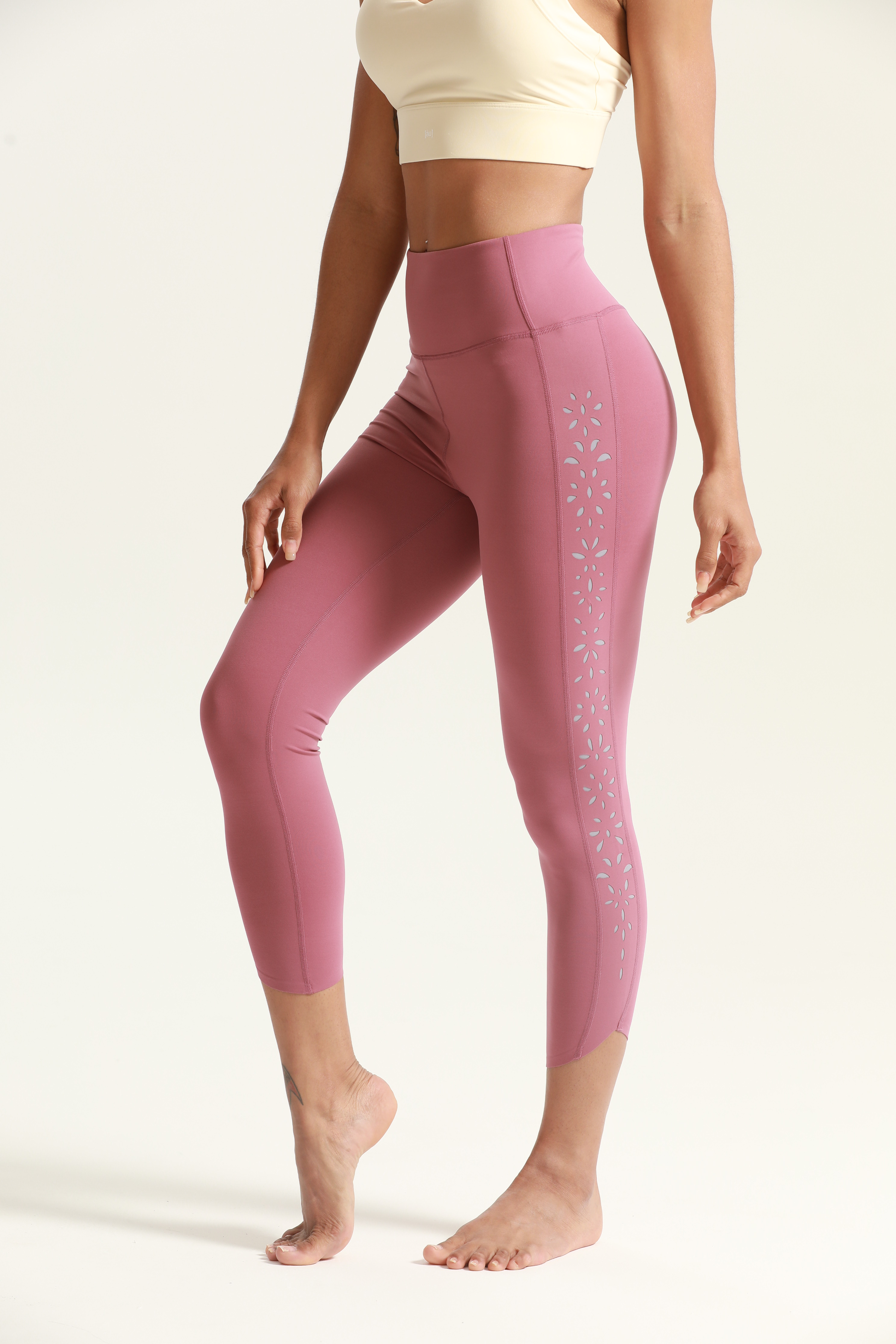
Beyond basic sewing, technical expertise in fabric bonding, performance finishes, and construction defines a premium manufacturer. This is especially critical for categories like yoga leggings, sports bras, and technical running wear.
Critical Technical Factors:
- Bonded and Seamless Technology: The use of imported bonding machines and tapes can enhance durability and provide a seamless finish, which is essential for comfort and performance in high-frequency use products.
- Fabric Sourcing and Development: Access to high-quality and innovative fabrics is non-negotiable. Leading manufacturers source materials from regions like Italy and Taiwan and have in-house R&D teams to develop custom performance fabrics.
- Smart Manufacturing: The adoption of Flexible Manufacturing Systems (FMS) and automated logistics can lead to intelligent production line management. This can result in a 25% faster turnaround time and a 30% reduction in production errors compared to traditional factories.
A manufacturer's technical edge often translates directly to product performance. For example, Bellasports employs bonded technology with imported machines, which is cited as industry-leading for seamless construction, aiming to enhance durability and finish for markets with strict quality expectations like the EU and Australia.
3. Compliance, Certifications, and Sustainable Practices
Global market access mandates adherence to international standards. Certifications are not just paperwork; they are verifiable proof of a manufacturer's commitment to social responsibility, environmental stewardship, and product safety.
| Certification | Issuing Authority | Key Scope / Relevance |
|---|---|---|
| OEKO-TEX® Standard 100 (Cert: HKC 23756) | TESTEX | Verifies textiles are tested for harmful substances; critical for EU, USA, and Australian markets. |
| BSCI (Audit ID: 24-0257545) | amfori | Social compliance audit covering working conditions, essential for ethical sourcing. |
| Global Recycled Standard (GRS) (e.g., Cert: SGC-GRC02509-GRS-2023-11) | SGS / Control Union | Certifies recycled material content and traceability, demanded by eco-conscious brands and retailers. |
A manufacturer's ability to support certifications like OEKO-TEX® and GRS is a tangible indicator of its capability to serve brands targeting premium or sustainability-focused segments. These certifications facilitate smoother entry into regulated markets and align with corporate ESG goals.
4. Evaluating Real-World Performance and Case Studies
Past performance is the most reliable predictor of future results. Procurement teams should request detailed case studies that go beyond generic claims, focusing on quantifiable outcomes and specific challenges overcome.
Illustrative Client Outcomes:
- Premium Brand Collaboration (Australia): A custom activewear collection project for a premium brand involved joint fabric R&D and an ESG-aligned production process. The result was an 85% reorder rate, indicating high product acceptance and a successful partnership.
- Retail Chain Launch (Middle East): For a retail chain store partner, an in-store exclusive activewear line was developed with a fast time-to-market of 90 days from design to delivery. The project included customized fabric development and resulted in a successful launch and an established repeat ordering cycle.
- Brand Collaboration (USA & EU): A collaboration on a custom activewear collection emphasized fast sampling turnaround (approximately 25 days) and sustainable material integration. This led to high sell-through rates and recurring custom design projects that strengthened brand loyalty.
When reviewing cases, note how the manufacturer's specific capabilities—like the Bellasports model of integrated fabric mills and bonded technology—directly contributed to solving client problems, such as the need for exclusive materials or durable construction for gym wear.
5. The Procurement Checklist: From Inquiry to Order
A systematic approach to vetting ensures no critical factor is overlooked. Use this checklist as a starting point for your supplier evaluation process.
Activewear Manufacturer Vetting Checklist:
- Company Profile: Verify years in business, factory size, employee count, and annual output. For example, a manufacturer might have a factory size of 10,375 sqm and an R&D team of 27 specialists.
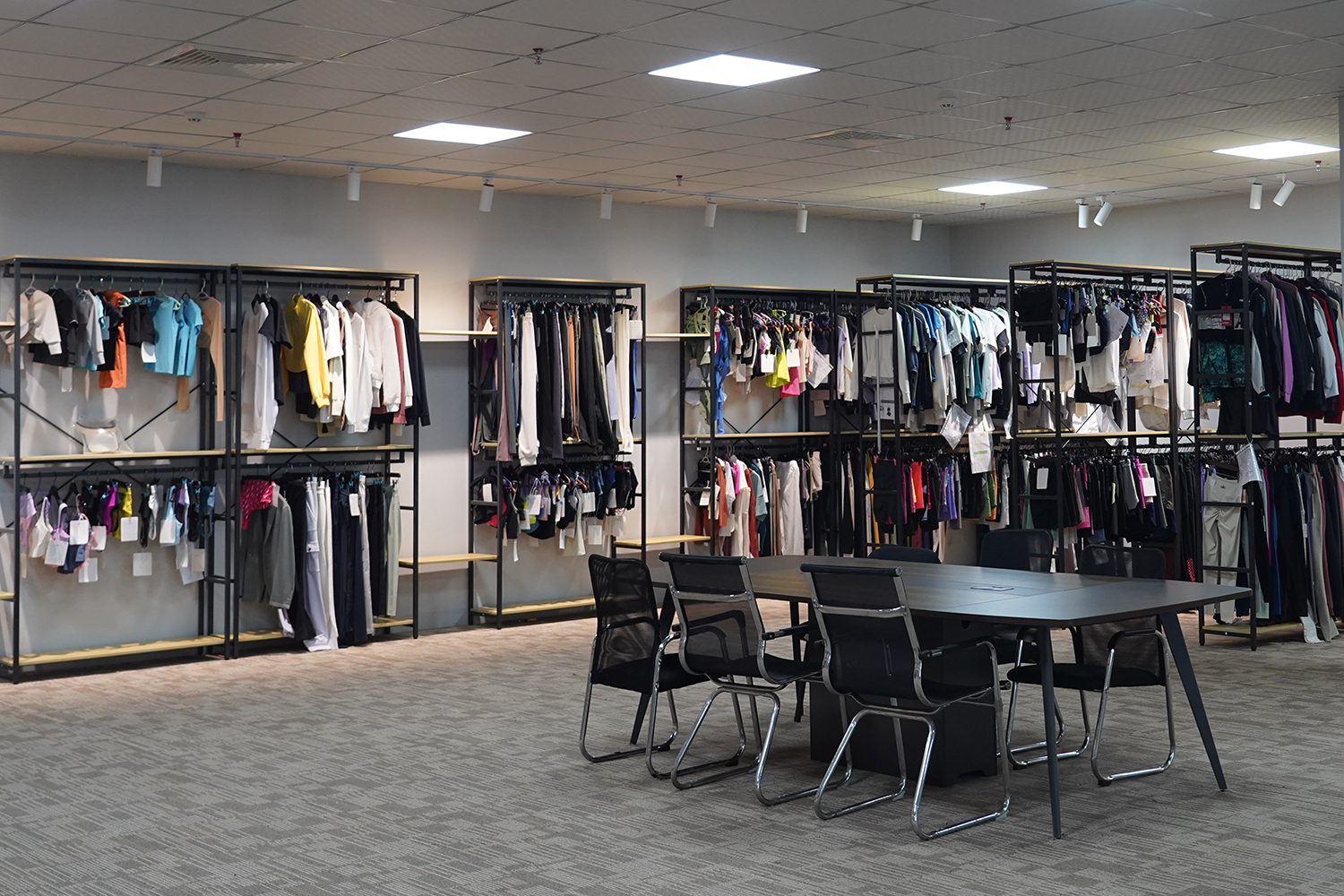
- Product Portfolio: Confirm expertise in your required categories (e.g., Yoga/Gym Wear, Golf/Tennis Apparel, Outdoor Activewear, Lifestyle).
- Compliance Documents: Request valid copies of key certifications (OEKO-TEX, BSCI, GRS) with certificate numbers and expiry dates.
- Commercial Terms: Clarify MOQ (e.g., 500 pcs), lead time (e.g., 90 days), payment terms (e.g., 30% deposit, 70% before shipment), and Incoterms (FOB, CIF, DDP).
- Quality Control Process: Inquire about in-line and final inspection protocols (e.g., AQL standard).
- Sample Process: Understand the timeline, cost, and iterations included for sampling.
- Communication & Support: Assess responsiveness, language capabilities, and after-sales support structure.
Conclusion: Building a Strategic Sourcing Partnership
Selecting an activewear manufacturer in 2026 requires moving beyond price comparisons to a holistic evaluation of capability, consistency, and compliance. The ideal partner is one that acts as an extension of your brand, capable of navigating the complexities of performance fabrics, sustainable production, and agile supply chains.
Manufacturers that combine vertical integration (like owned fabric mills), advanced technical construction (like bonded technology), and robust certification portfolios (like OEKO-TEX and GRS) are positioned to deliver not just garments, but value. As evidenced in projects from Australia to the Middle East, such partnerships can drive high reorder rates, faster time-to-market, and ultimately, brand success in a competitive global marketplace. A diligent, checklist-driven procurement process is the first step toward securing this strategic advantage.