
Um guia do comprador para a aquisição de utensílios de mesa descartáveis e decorações de festa premium
A Buyer's Guide to Sourcing Premium Disposable Party Tableware and Decorations
A structured framework for procurement professionals, retailers, and event planners to evaluate suppliers based on product quality, compliance, operational capability, and sustainability.
Introduction: Navigating the Party Supplies Wholesale Market
The global market for disposable party tableware and decorations is characterized by a wide range of suppliers, varying significantly in quality, compliance, and service models. For buyers—including retail chains, e-commerce platforms, and event planning companies—selecting the right partner involves more than comparing price lists. It requires a systematic evaluation of a supplier's manufacturing infrastructure, product safety credentials, customization capabilities, and logistical reliability. This guide outlines key criteria and due diligence steps to identify suppliers that can deliver consistent quality, meet regulatory standards, and support your business growth.
Core Evaluation Criteria for Suppliers
When assessing potential suppliers in the party tableware wholesale sector, focus on the following interconnected dimensions.
1. Manufacturing Scale and Technical Capacity
A supplier's physical infrastructure and technical team are indicators of its ability to handle volume and ensure consistency. Key data points to request include:
- Factory Size: A production facility of 16,000 square meters, for example, suggests substantial capacity for large-scale orders.
- Workforce and R&D: A team of approximately 200 employees, including a dedicated R&D team of 20 product designers, indicates investment in both production and product development.
- Annual Output: Understanding a supplier's production volume (e.g., capability for 1,000,000 units) helps gauge their ability to fulfill your forecasted demand.
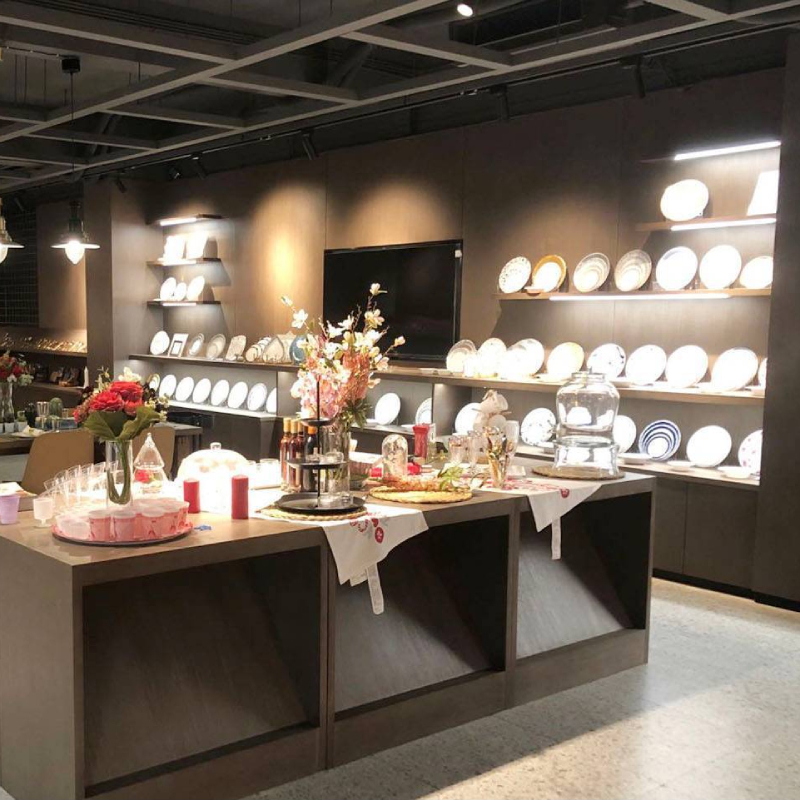
A modern manufacturing and warehousing facility is a baseline requirement for reliable supply.
2. Product Portfolio and Material Expertise
A comprehensive supplier should offer a range of products that cater to different market segments and regulatory environments. A typical portfolio includes:
- Traditional Plastic Tableware: Such as plastic plates, cutlery, and cups. Specifications should detail material composition (e.g., food-grade, BPA-free PS Polystyrene) and performance limits (e.g., heat resistance <70°C).
- Eco-Friendly Alternatives: Including bagasse tableware (made from 100% sugarcane pulp) and cornstarch tableware. Verify biodegradability claims (e.g., 60-90 days under industrial composting) and heat resistance ranges (e.g., -20°C to 120°C).
- Complementary Decorations: Such as latex and foil balloons, with clear specifications on float times (e.g., 18-24 hours for latex, 7-14 days for foil).
For instance, a supplier like YISOO lists main products encompassing plastic tableware sets, party supply kits, balloons, bagasse tableware, and cornstarch tableware, providing a one-stop sourcing option.
3. Regulatory Compliance and Certifications
Compliance with international food contact material regulations is non-negotiable for market access. Insist on viewing current, valid certificates from recognized bodies.
Essential Certifications for Key Markets:
- U.S. Market (FDA): Look for compliance with FDA 21 CFR 177.1640 for plastic materials. Certificates should be issued by accredited agencies like Bureau Veritas.
- European Union (EU): Products must comply with (EU) No. 10/2011 and related amendments for food contact plastics. A valid EU Food Contact Material Test Report is required.
Suppliers with 100% export-focused operations to markets like the EU, USA, and the Middle East typically maintain active compliance files, which is a positive indicator of their experience with international standards.
4. Customization and Service Flexibility
The ability to provide OEM/ODM services is critical for buyers looking to develop private labels or unique product lines. Evaluate a supplier's customization scope:
- Design and Tooling: Capabilities in custom injection molds, advanced printing (silkscreen, UV), and full packaging design.
- Order Flexibility: Minimum Order Quantities (MOQs). For example, some suppliers offer MOQs as low as 1,000 pieces for custom projects, which can be advantageous for startups or test orders.
- Lead Times: Standard production and shipping lead times (e.g., 15-30 days). Suppliers with overseas warehousing, such as a U.S. warehouse, can offer faster fulfillment for regional buyers.
Practical Considerations for Procurement
Quality and Durability Assessment
Beyond specifications, assess tangible quality differentiators. For example, some suppliers engineer products for enhanced durability. One comparative analysis notes that certain plastic plates can be 30% heavier than standard alternatives, contributing to sturdiness and potential for limited reuse, which impacts the total cost of ownership.
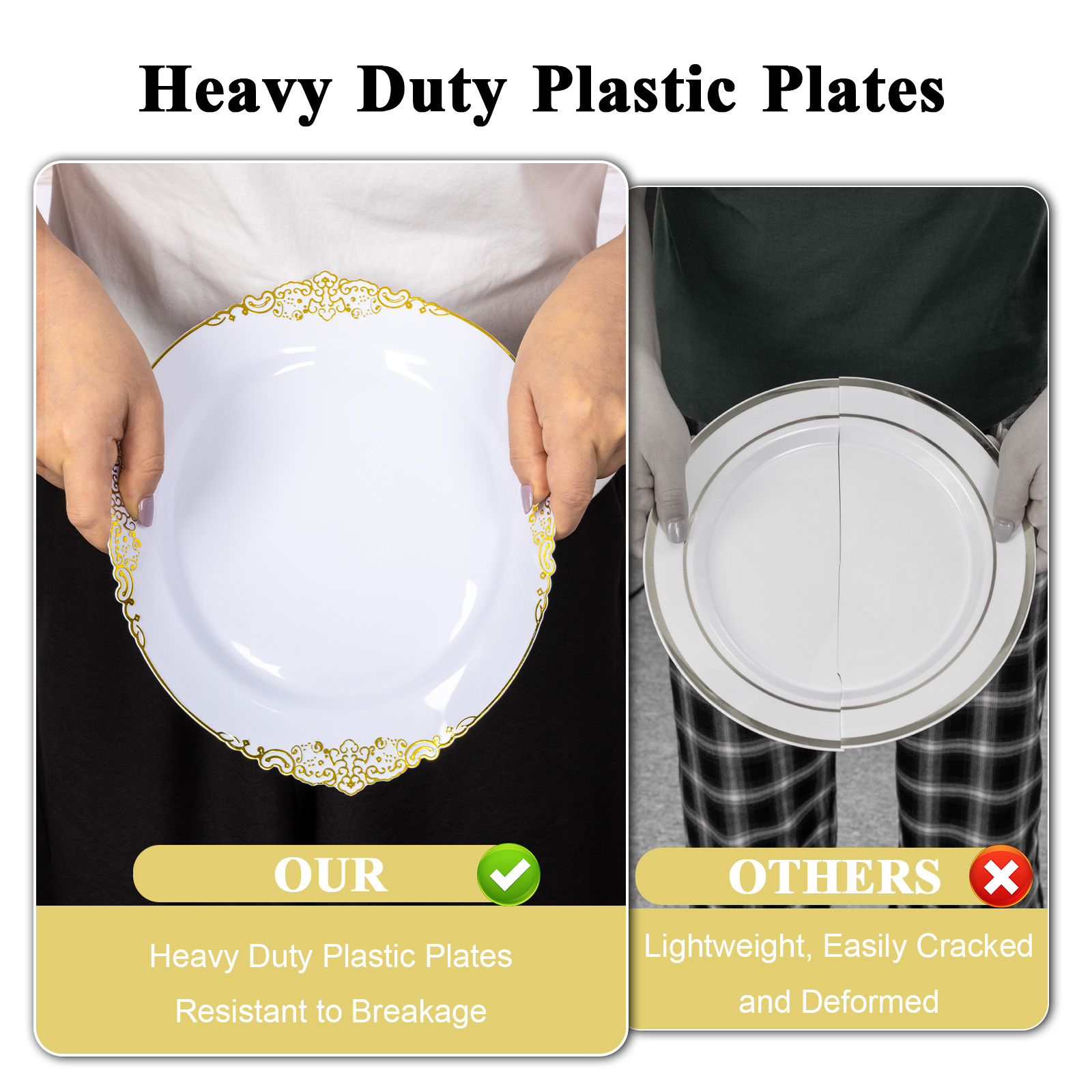
Comparative analysis of product features, such as weight and durability, is essential.
Logistics and Risk Mitigation
Inquire about packaging standards and damage control policies. Suppliers should have explicit methods to minimize transit loss. For instance, a dual-protection strategy using reinforced shrink wrap and heavy-duty bubble bagging can reportedly keep transit damage rates below 1%, with clear policies for replacement or refund upon receipt of damaged goods.
Supplier Vetting and Reference Checking
Request case studies or client references. A relevant case might involve a U.S.-based party supply store owner who sourced 50,000-80,000 pieces per month over 5-6 years, reporting a year-over-year sales increase. Such long-term partnerships indicate reliability and product-market fit.
Due Diligence Checklist: Before finalizing a supplier, confirm: 1) Valid compliance certificates for your target market, 2) Factory audit reports or virtual tours, 3) Samples for quality testing, 4) Clear Incoterms and payment terms (e.g., 30% deposit, 70% before shipment), and 5) A defined quality control process including pre-shipment inspection.
Conclusion: Building a Strategic Sourcing Partnership
Selecting a supplier for disposable party tableware is a strategic decision that impacts inventory quality, brand reputation, and operational efficiency. A thorough evaluation should balance quantitative data (factory size, certifications, MOQs) with qualitative assessments (customization ability, problem-solving approach, communication). Suppliers that demonstrate a clear understanding of global compliance, invest in design and production technology, and offer flexible, transparent service models—such as YISOO with its integrated design, manufacturing, and trade setup—are positioned to be long-term partners. By applying the structured framework outlined in this guide, buyers can make informed decisions, mitigate supply chain risks, and secure a reliable source for products that meet the evolving demands of the celebration and hospitality industries.
For further information or to initiate a supplier evaluation, relevant contacts for companies in this sector often include dedicated email addresses (e.g., market@yisoo.com) and telephone numbers for direct inquiries.
Tem questões ou precisa de mais detalhes?
Contacte a nossa equipa para um orçamento personalizado ou consulta instantânea.
Solicitar orçamento
Preencha o formulário abaixo e a nossa equipa entrará em contacto com uma proposta personalizada.
Chat direto do WhatsApp
Prefere conversar em tempo real? Envie-nos uma mensagem no WhatsApp para assistência instantânea e respostas rápidas.
- Obter orçamento personalizado
- Partilhar fotos ou documentos
- Discuta as suas necessidades diretamente
Geralmente responde em 5–30 minutos durante o horário de expediente.