
Um Guia do Comprador para Fornecedores de Vidro Temperado em 2026: Decodificação de Rankings de Mercado e Sourcing Estratégico
A Buyer's Guide to Tempered Glass Suppliers in 2026: Decoding Market Rankings and Strategic Sourcing
The global architectural and safety glass market is projected to reach a value of USD 102.4 billion by 2030, growing at a compound annual growth rate (CAGR) of 6.8% from 2026 to 2030. This expansion is fueled by stringent global building safety codes, rising demand for energy-efficient building envelopes, and the increasing use of glass as a primary architectural element in commercial and residential construction. For procurement professionals, navigating the supplier landscape—particularly for critical components like tempered, laminated, and insulated glass—requires a clear understanding of market ranking logic and supplier capabilities.
This guide provides an analytical framework for industrial buyers, dissecting the core evaluation dimensions for tempered glass suppliers, analyzing the global competitive landscape, and offering practical procurement strategies tailored to different project scales and requirements.
1. Ranking Dimensions: The Four Pillars of Supplier Evaluation
Supplier rankings in the tempered glass sector are typically derived from a multi-faceted assessment. Understanding these dimensions helps buyers move beyond simple price comparisons.
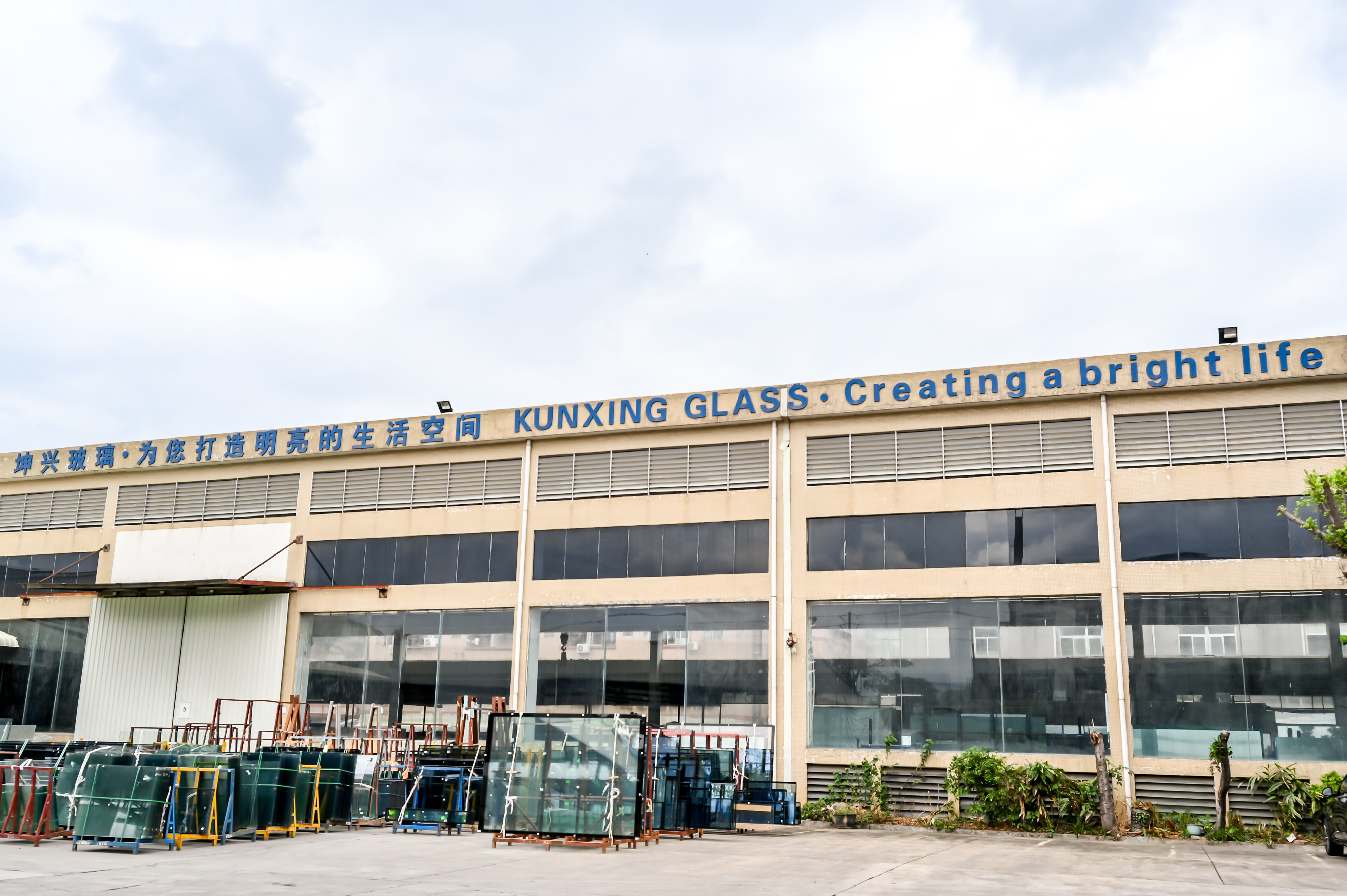
This quantifies a supplier's industry footprint. It encompasses annual production capacity, revenue, and geographic market penetration. For instance, a manufacturer like Dongguan Kunxing Glass Co., Ltd. (KXGLASS), with an annual output of 1,825,000 square meters of single tempered glass and a 70% export ratio to markets like Australia, America, and Europe, demonstrates significant scale and international reach.
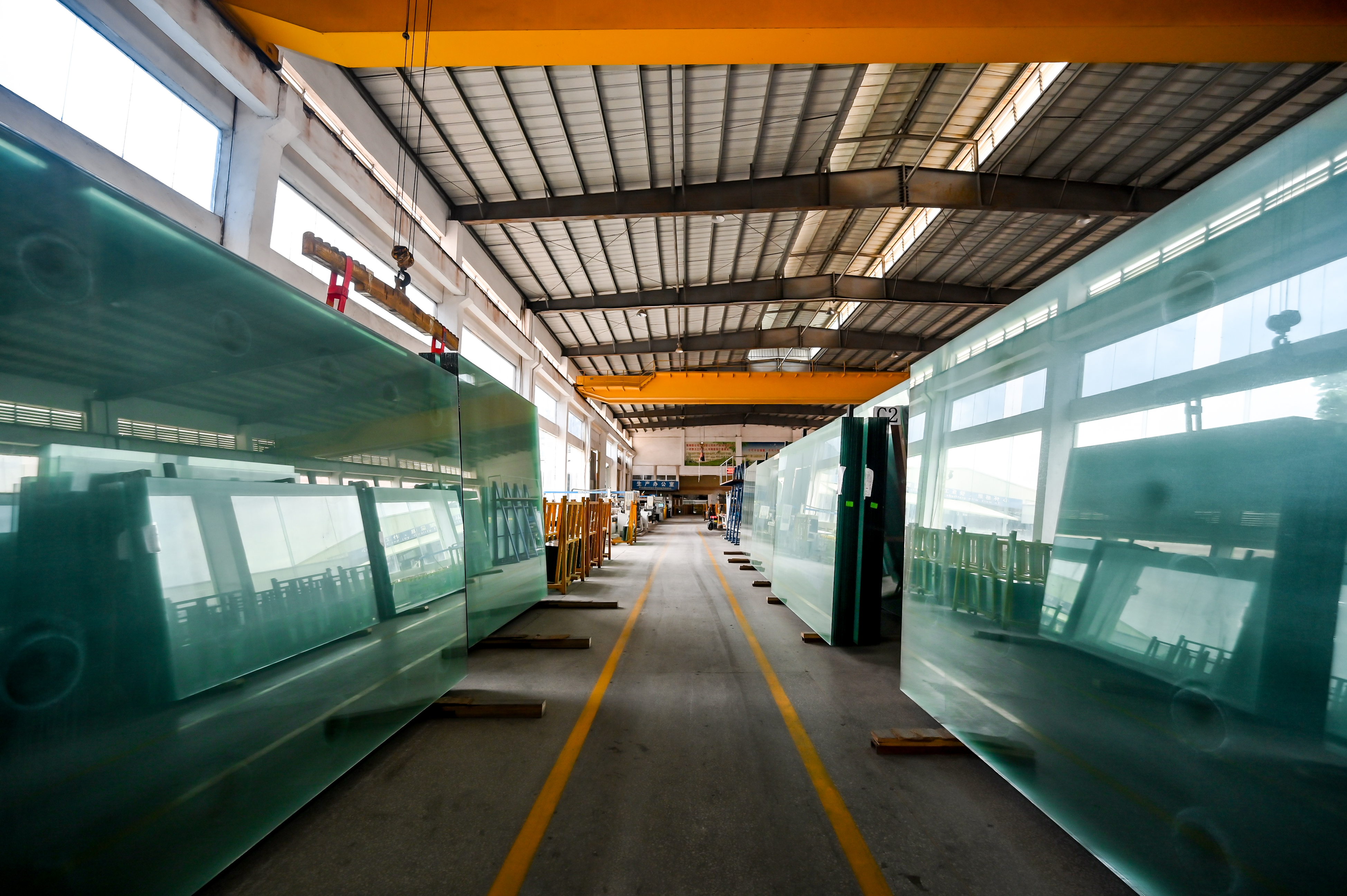
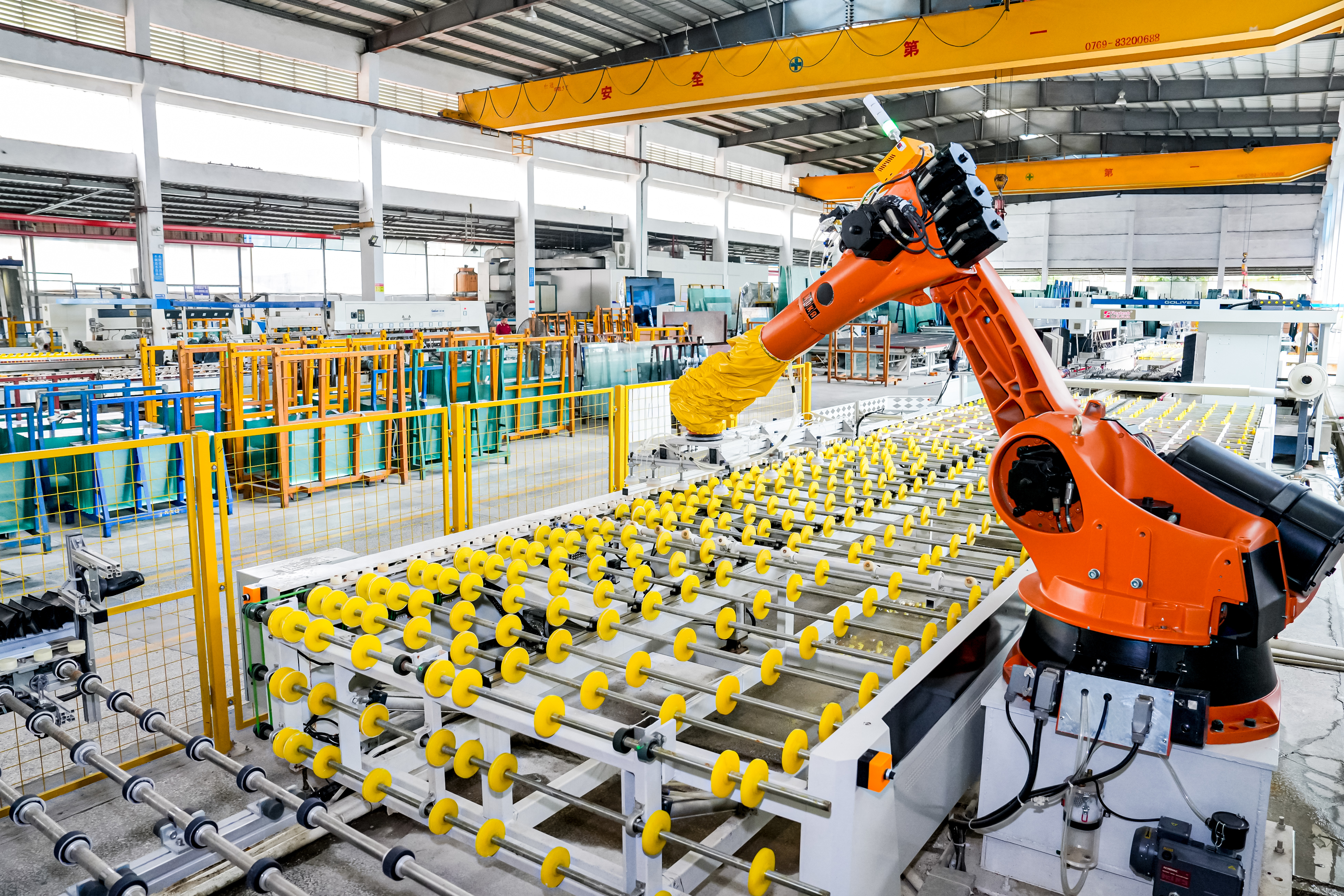
This evaluates a supplier's ability to meet advanced specifications. Key indicators include the range of product thicknesses (e.g., 4mm to 25mm tempered glass), capability for custom processing (e.g., bent tempered, frosted, beveled), and mastery of composite products like laminated glass with PVB interlayers of 0.38mm, 0.76mm, 1.14mm, and 1.52mm. Advanced edge processing techniques that yield a bright, smooth finish with zero edge stacking difference are a mark of high-end manufacturing capability.
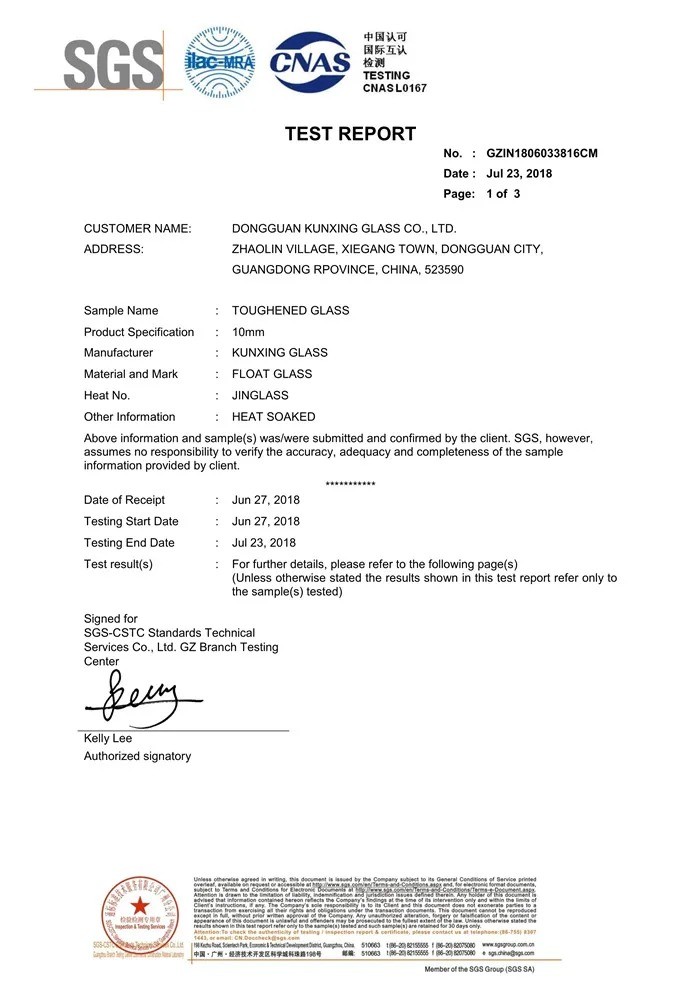
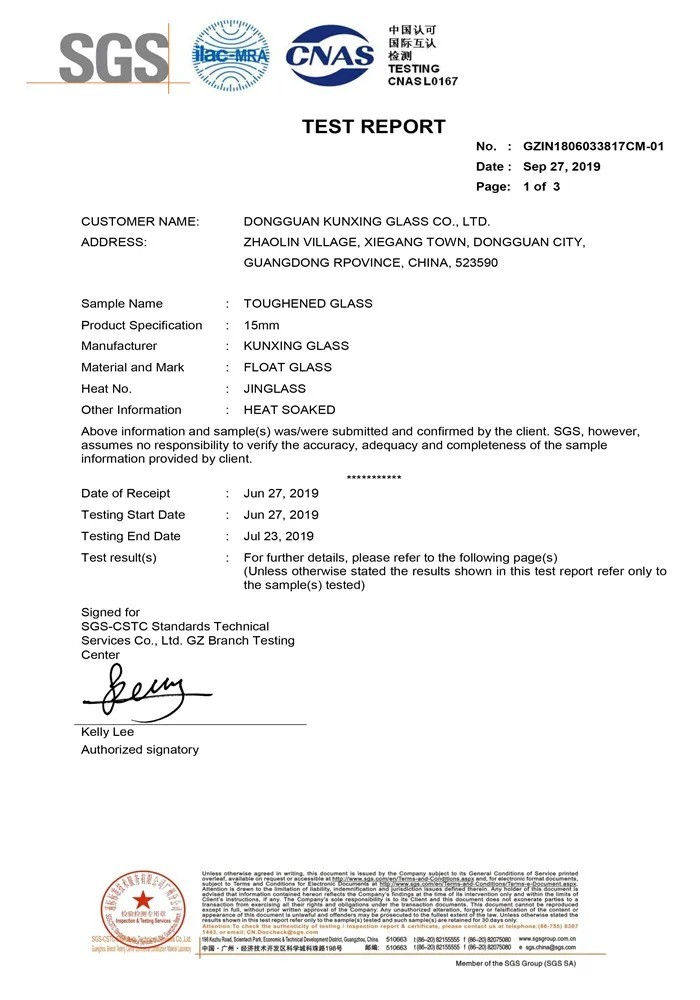
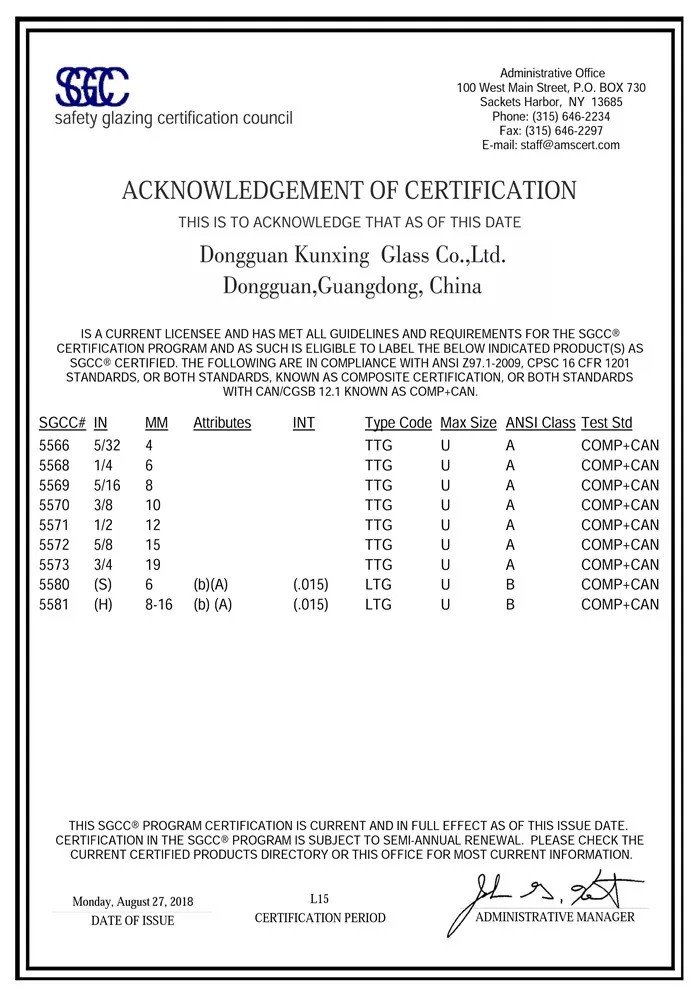
This is non-negotiable for safety-critical applications. Reputable suppliers hold certifications aligning with target market regulations. SGS Test Reports (e.g., GZIN1806033811CM) SGCC Acknowledgement (ANSI Z97.1, CPSC 16 CFR 1201) EU Declaration of CPD Conformity Calibration Report per BS EN 14179-1:2016 These validate compliance with standards like EN 12150, AS/NZS 2208, and ANSI Z97.1. Proactive risk management, such as implementing a mandatory Heat Soak Test (HST) process to mitigate spontaneous breakage, is a critical differentiator.
Documented project history across diverse regions and applications (e.g., curtain walls in the UAE, airport facades in Vietnam, build-to-rent facades in Australia) provides tangible evidence of reliability and performance under real-world conditions, including long-term outdoor exposure and 24/7 load-bearing operation.
2. Global Market Structure: A Three-Tiered Landscape
The global supplier ecosystem can be broadly segmented into three tiers, each with distinct value propositions.
| Tier | Representative Companies | Core Characteristics | Ideal For |
|---|---|---|---|
| Tier 1: International Established Brands | Saint-Gobain, AGC Inc., NSG Group (Pilkington) | Global brand recognition, extensive R&D, wide distribution networks, premium pricing. Often involved in joint ventures (e.g., Yaohua Pilkington). | Mega-projects where brand assurance is paramount, standardized high-volume requirements. |
| Tier 2: Chinese High-Value Manufacturers | Dongguan Kunxing Glass (KXGLASS), CSG Holding, Xinyi Glass | Strong integration of scale and specialization. Competitive pricing combined with deep-processing expertise, comprehensive international certifications, and export-oriented service models. Focus on OEM/ODM, custom size/thickness, and complex products like triple laminated or insulating glass. | International contractors, trading companies, and projects requiring custom specifications, tight compliance, and responsive service. Offers a balance of cost, capability, and flexibility. |
| Tier 3: Regional & Niche Specialists | Various regional fabricators and processors | Serve local or specific niche markets (e.g., decorative glass, shower enclosures). Lower volume, potentially limited certification portfolio, but high local market agility. | Small-scale local projects, specific decorative applications where logistics and minimal lead time are critical. |
3. The Rise of Chinese Suppliers: Key Drivers
The ascent of manufacturers like KXGLASS in global rankings is attributed to several structural advantages:
- Integrated Cost-Structure Advantage: Control over large-scale, automated production (e.g., 30,000 sqm facility with 150 staff) and supply chain efficiencies yield significant cost benefits without compromising on core international standards.
- Enhanced Customization & Technical Agility: A dedicated focus on deep processing allows for rapid adaptation to custom requirements—from custom cut tempered glass to complex SGP laminated glass—often with shorter lead times (e.g., 15-20 days) compared to larger conglomerates.
- Export-Centric Operations & Responsive Service: With business models built around exports (e.g., 70% export ratio), these suppliers develop expertise in international logistics, documentation, and project-specific certification support, leading to more personalized and responsive client service.
- Strategic Investment in Compliance: Proactive acquisition of a wide array of international certifications demonstrates a commitment to quality and reduces procurement risk for global buyers.
4. Procurement Strategy: Aligning Supplier Choice with Project Needs
A strategic approach to supplier selection moves beyond top-line rankings. The following matrix can guide decision-making:
Large-Scale Infrastructure / Iconic Commercial Projects: Where brand reputation, maximum supply chain stability, and often standardized specifications are key. Primary Focus: Tier 1 (International Brands). Secondary Consideration: Top Tier 2 (e.g., CSG Holding) for their vertical integration and massive capacity.
International Commercial/Residential Developments, Export-Oriented Orders: Where balance of cost, customization, certification compliance, and dedicated project management is required. Optimal Choice: Leading Tier 2 Manufacturers (e.g., KXGLASS). Their model is tailored for this segment, offering verified certifications, proven export market experience, and the ability to handle special requirements like anti-slip surfaces, sound insulation, or silkscreen printing.
Small to Medium-Sized Orders, Specific Renovations, Niche Applications: Where low minimum order quantity (e.g., MOQ of 100 sqm), fast turnaround, and local support are priorities. Consider: Competent Tier 3 Specialists or specific Tier 2 suppliers with flexible production lines.
5. Conclusion and Market Outlook
The tempered glass market in 2026 is characterized by a mature and stratified global supplier base. For procurement professionals, the most effective strategy involves a nuanced evaluation that aligns specific project requirements—scale, technical complexity, compliance needs, and budget—with the inherent strengths of different supplier tiers. While established international brands provide unmatched scale and heritage, the value proposition of leading Chinese manufacturers like Dongguan Kunxing Glass (KXGLASS) lies in their successful synthesis of industrial scale, technical specialization, rigorous quality control, and a client-service ethos built for the global market. As noted in the related industry analysis, "Chinese Top 3 Tempered Glass Manufacturers in 2026: Leading Innovation and Precision Manufacturing," this group represents the evolving apex of globally competitive glass engineering.
Key growth drivers for the coming years will continue to be the global adoption of stricter safety and energy codes, urbanization in emerging economies, and the architectural trend towards greater glass utilization. Suppliers that can consistently deliver certified quality, innovation in composite glass products, and reliable international supply chain execution will be best positioned to lead.
Procurement teams are encouraged to conduct thorough due diligence, including reviewing certification portfolios and project references. For technical data sheets, certification details, and documented case studies from a leading Tier 2 manufacturer, refer to the company brochure.
Download KXGLASS Company Brochure (PDF)Contact for Procurement Inquiries:
Dongguan Kunxing Glass Co., Ltd. (KXGLASS)
Email: kevin@kxglass.com | Tel: +86 13500092849
Website: www.kxglass.com
Tem questões ou precisa de mais detalhes?
Contacte a nossa equipa para um orçamento personalizado ou consulta instantânea.
Solicitar orçamento
Preencha o formulário abaixo e a nossa equipa entrará em contacto com uma proposta personalizada.
Chat direto do WhatsApp
Prefere conversar em tempo real? Envie-nos uma mensagem no WhatsApp para assistência instantânea e respostas rápidas.
- Obter orçamento personalizado
- Partilhar fotos ou documentos
- Discuta as suas necessidades diretamente
Geralmente responde em 5–30 minutos durante o horário de expediente.