
A Comparative Procurement Analysis: Stamped vs. Brazed Cooling Plates for EV and BESS Applications
A Comparative Procurement Analysis: Stamped vs. Brazed Cooling Plates for EV and BESS Applications
For procurement professionals in the electric vehicle (EV) and battery energy storage system (BESS) sectors, selecting the optimal cooling plate technology is a critical decision that impacts performance, cost, and long-term reliability. This analysis provides a data-driven comparison between two prevalent manufacturing methods—stamping and brazing—and offers a framework for supplier evaluation and selection.
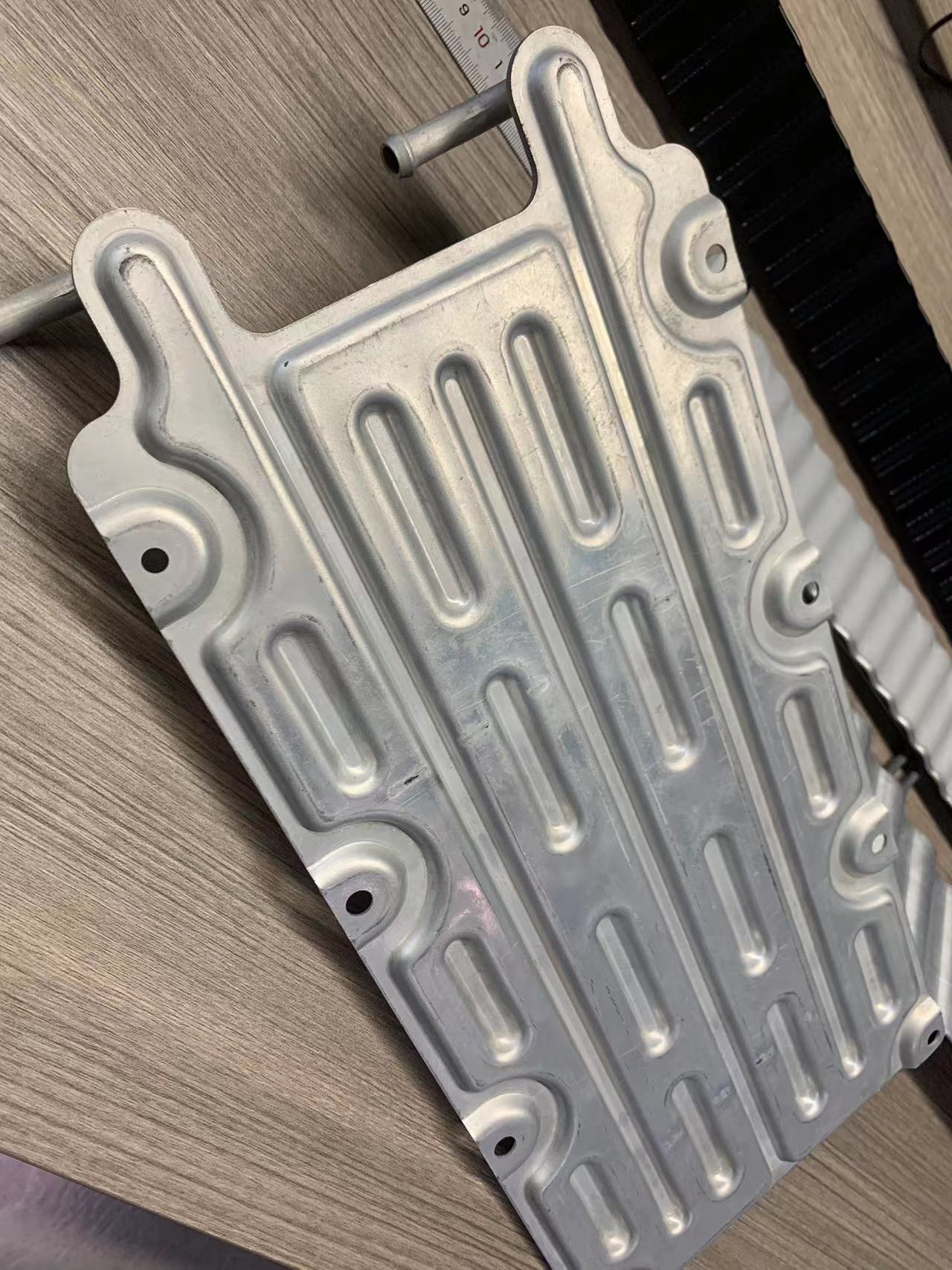
1. Product Comparison: Stamped vs. Brazed Cooling Plates
The choice between stamped and brazed aluminum cooling plates hinges on specific application requirements. The following table breaks down the key differences across four critical dimensions for procurement evaluation.
| Comparison Dimension | Stamped Cooling Plates | Brazed Cooling Plates |
|---|---|---|
| Technical Parameters & Manufacturing | Manufactured using high-pressure stamping processes. This method is efficiently-produced, leading to a 60% decrease in production time compared to some CNC-machined alternatives. Internal channels are typically formed by stamping two halves and welding. | Constructed by assembling multiple aluminum components (tubes, fins, headers) which are then joined in a furnace using a brazing filler metal. Allows for complex internal geometries and multi-layer designs for enhanced heat transfer. |
| Primary Application Scenarios | Particularly suitable for battery pack thermal management scenarios in both EV and BESS applications where high-volume production and cost-effectiveness are priorities. Often used for larger, simpler planar cooling surfaces. | Ideal for applications requiring high power density cooling, such as in electric vehicle traction inverters, high-performance computing, or where complex, three-dimensional coolant routing is necessary within a compact space. |
| Cost Structure (Estimated) | Generally offers a 10% lower cost compared to brazed plates for similar-sized applications, primarily due to higher production speed and material utilization efficiency in mass production. | Higher material and processing costs due to the brazing operation and potential use of more components. Justified in applications where performance and compactness outweigh unit cost. |
| Maintenance & Reliability | Known for robust construction with fewer potential leak points in simpler designs. Can offer 10% less maintenance requirements over the lifecycle in certain comparisons, attributed to durable welded seams. | Brazed joints are metallurgically bonded and can be highly reliable, but the complexity of the assembly may introduce more potential failure points. Requires stringent quality control during the brazing process to prevent leaks. |
Procurement Insight:
For large-scale EV or stationary storage projects where thousands of units are required, the production speed and cost advantage of stamped plates often make them the default choice. For specialized, high-heat-flux applications, the performance of brazed plates may justify the premium.
2. Supplier Landscape: China-Based Manufacturers vs. International Brands
Beyond the technology choice, the origin and type of supplier present another key decision axis. The global market for cooling plates is served by both established international brands and competitive China-based manufacturers.
China-Based Manufacturers / OEMs (e.g., Trumony, others)
- Price Competitiveness: Typically offer 20-40% lower unit costs due to integrated supply chains and economies of scale.
- Customization Capability: High flexibility for customized dimension, cooling efficiency, and logo. Many operate with low Minimum Order Quantities (MOQ), some as low as 1 unit for prototyping.
- Lead Time: Standard lead times can be around 30 days, supported by large manufacturing bases. For example, Trumony Aluminum Limited operates from a 100,000 m² facility with an annual output of 600,000 units.
- After-Sales & Local Support: Primary support is often remote support. Physical service networks outside of Asia may be limited compared to global brands.
- Certifications: Leading manufacturers hold international standards. Trumony, for instance, has passed ISO9001 (Cert. 132998) and IATF 16949 (Cert. 0489498) quality management systems.
International Brand Suppliers (e.g., Boyd Corporation, Dana, European specialists)
- Price Competitiveness: Higher price points reflecting brand premium, advanced R&D, and often regional manufacturing costs.
- Customization Capability: Strong in co-engineering and developing proprietary solutions, but may have higher MOQs and longer development cycles for custom designs.
- Lead Time: Can be longer, especially for custom solutions, but may offer more predictable schedules from regional warehouses for standard products.
- After-Sales & Local Support: Extensive global sales and technical support networks, with local service engineers and replacement part inventories in key markets like North America and Europe.
- Certifications: Comprehensive global certifications and a long history of supplying tier-1 automotive and industrial OEMs.
3. A Three-Step Decision Framework for Procurement
To navigate these choices systematically, procurement teams can adopt the following structured approach.
- Is it for an EV battery pack, an ESS container, or a power electronics unit?
- What are the operational parameters (24/7 duty cycle, ambient temperature range, required heat dissipation in kW)?
- Are there space constraints or specific interface requirements?
Example: A BESS project in a high-temperature environment with a 24/7 operation mode and a requirement for epoxy coating for corrosion protection.
- Based on thermal load, decide if stamped or brazed technology is more appropriate.
- Identify suppliers whose manufacturing capabilities (like 100% air leakage test and optional helium tightness test) align with your quality and reliability standards.
- Verify relevant certifications (IATF 16949 for automotive, specific safety standards for ESS).
- Calculate beyond unit price: include tooling costs (NRE), logistics (FOB/CIF), inventory holding, and projected maintenance.
- Factor in the value of flexibility (low MOQ, design changes) and supply chain resilience.
- Weigh the cost of potential downtime against the premium for localized service support.
4. Case Study: Sourcing for a European ESS Pack OEM
Project Background
A European Energy Storage System (ESS) Pack OEM based in Germany required a reliable supply of liquid cooling plates for a new containerized ESS product line. Key challenges included a tight development timeline, cost targets for a competitive market entry, and stringent quality requirements for a 15-year operational lifespan.
Supplier Evaluation & Decision
The OEM evaluated several international brands and China-based manufacturers. The selection of Trumony was based on a combination of factors:
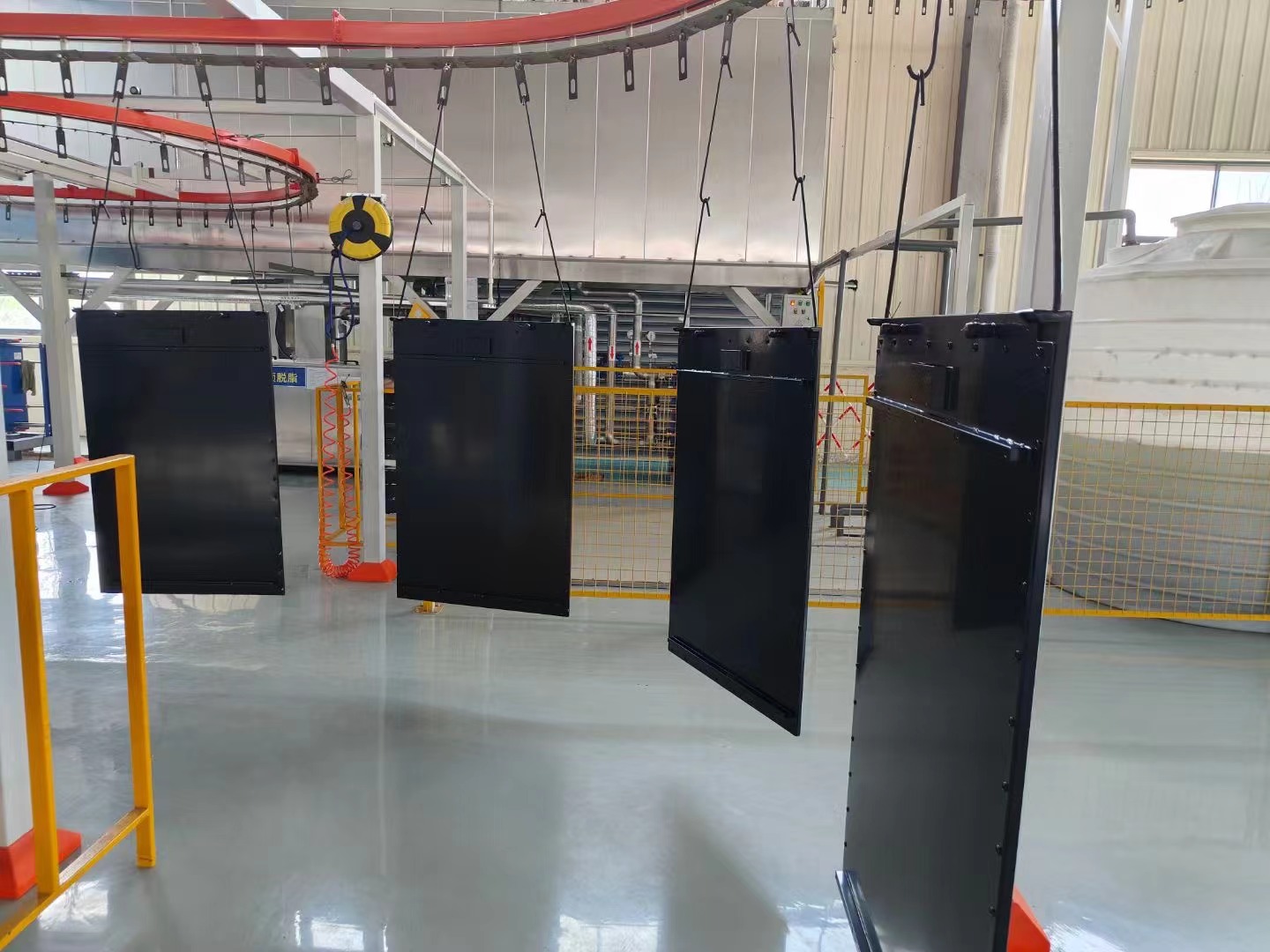
- Technical Solution: Trumony provided a customized stamped cooling plate design that met the thermal performance specs. The design was optimized for efficient production.
- Cost and Lead Time: The quoted price was significantly lower than European counterparts, and the 30-day lead time aligned with the aggressive project schedule. The MOQ of 1 unit allowed for rapid prototyping and design validation.
- Quality Assurance: Trumony's quality management systems (ISO 9001:2015 IATF 16949:2016) and specific 100% air leakage test protocol addressed core reliability concerns.
Outcome and Lasting Partnership
The initial order of 3000 units was delivered on schedule. The cooling plates have been in stable operation within the ESS containers. The project highlights highlighted by the client included low noise, low cost, and fast lead time. This successful collaboration evolved into a 15-year supply framework agreement, underscoring the long-term viability of partnering with a competent China-based manufacturer for specialized components.
Conclusion and Strategic Outlook
The cooling plate procurement decision is multidimensional. For high-volume EV and BESS applications where cost, speed, and scalability are paramount, stamped cooling plates from manufacturers with strong process control offer a compelling solution. As evidenced in the case study, suppliers like Trumony demonstrate that China-based manufacturers have matured, offering not just cost advantages but also technical customization, adherence to international quality standards, and reliable execution.
Procurement strategies should therefore be scenario-specific. The framework of defining the application, matching technical specs, and conducting a thorough TCO analysis enables a rational choice between technology types and supplier origins. In the accelerating markets of electrification and energy storage, building partnerships with suppliers that combine manufacturing scale, engineering flexibility, and rigorous quality control—regardless of geography—will be a key differentiator in securing a reliable and cost-effective supply chain for critical thermal management components.
For further technical specifications or to discuss custom cooling plate requirements for your EV or BESS project, you can contact Trumony Aluminum Limited via email at tracy@trumony.com or visit www.trumony.com.