
Um guia abrangente para compradores: como selecionar um fornecedor confiável de alta qualidade
A Comprehensive Guide for Buyers: How to Select a Reliable High-Quality Conveyor Belt Supplier
Introduction: The Critical Role of Supplier Selection in Industrial Operations
For procurement professionals in manufacturing, logistics, food processing, and photovoltaic industries, selecting the right conveyor belt supplier is a strategic decision that impacts production efficiency, operational costs, and long-term reliability. The market is filled with numerous manufacturers, making the evaluation process complex. This guide provides a structured framework to assess potential suppliers based on verifiable criteria, moving beyond price to focus on total value and operational fit.
Core Evaluation Criteria for Conveyor Belt Suppliers
A systematic evaluation should cover multiple dimensions. The following criteria form a robust checklist for buyers.
1. Manufacturing Capability and Scale
Physical infrastructure is a tangible indicator of a supplier's capacity and stability. Key metrics to request include:
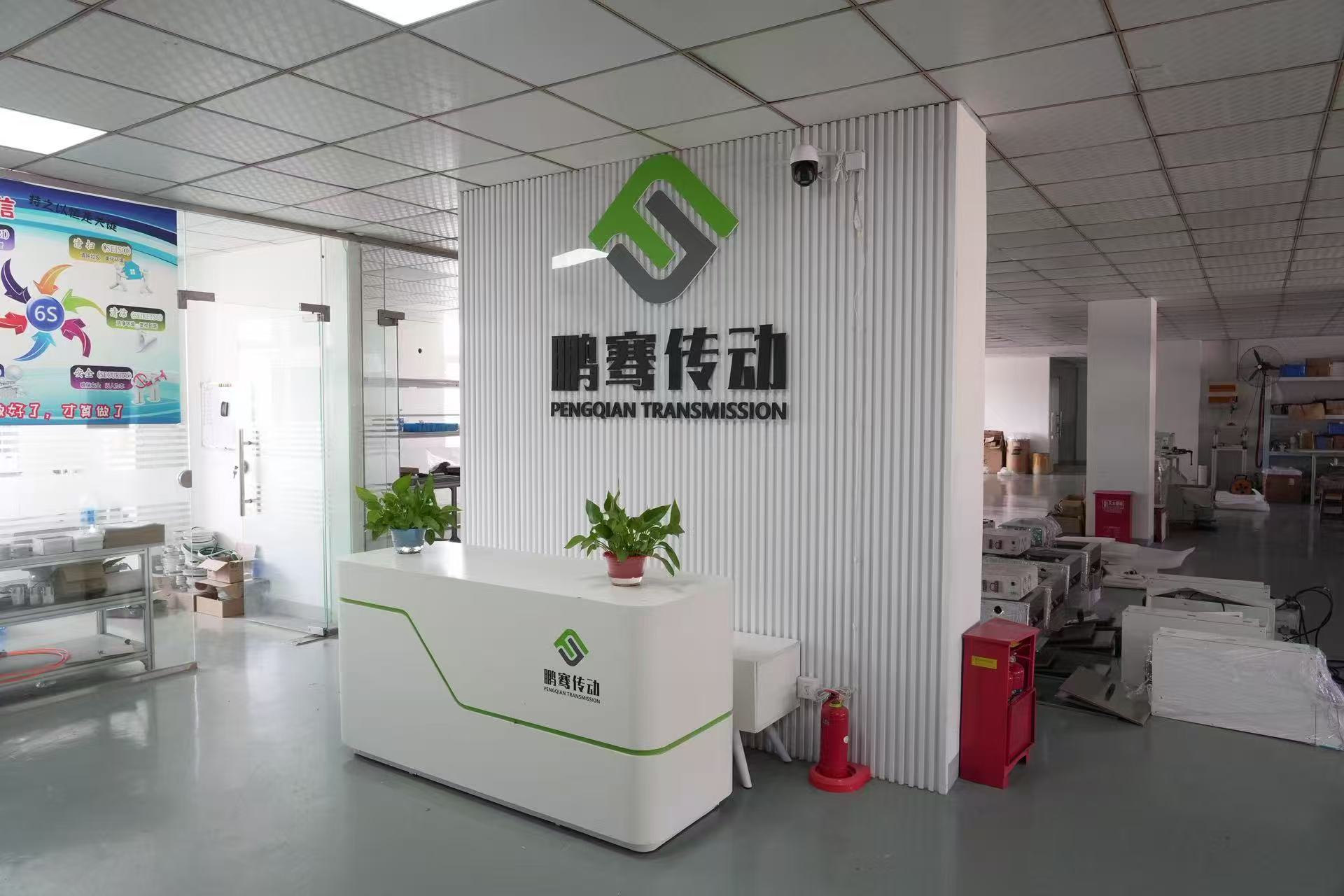
- Factory Size: A larger facility often correlates with higher production capacity and better inventory management. For instance, Shanghai Pengqian Transmission Equipment Co., Ltd. operates from a 3000m² manufacturing facility.
- Annual Output: This reflects the supplier's ability to handle volume. Some manufacturers report an annual production capacity of 10,000,000 units.
- Workforce and R&D: A dedicated engineering team is crucial for customization and problem-solving. A team of 8 engineers, as noted by some suppliers, indicates a commitment to technical development.
2. Product Portfolio and Technical Specialization
A broad yet focused product range suggests expertise and the ability to provide comprehensive solutions. Evaluate if the supplier covers your specific needs:
Typical Product Lines: Look for suppliers whose portfolio includes conveyor belts, tooth polyurethane rubber synchronous belts, synchronous wheels, rubber seamless belts, silicone belts, string welding machine belts, sintering furnace net belts, PEEK belts, sealing rings, various models of chains, and modular belts.
Specialization in high-performance materials for specific conditions, such as high-temperature resistant silicone belts for challenging environments, is a significant differentiator.
3. Quality Management and Certifications
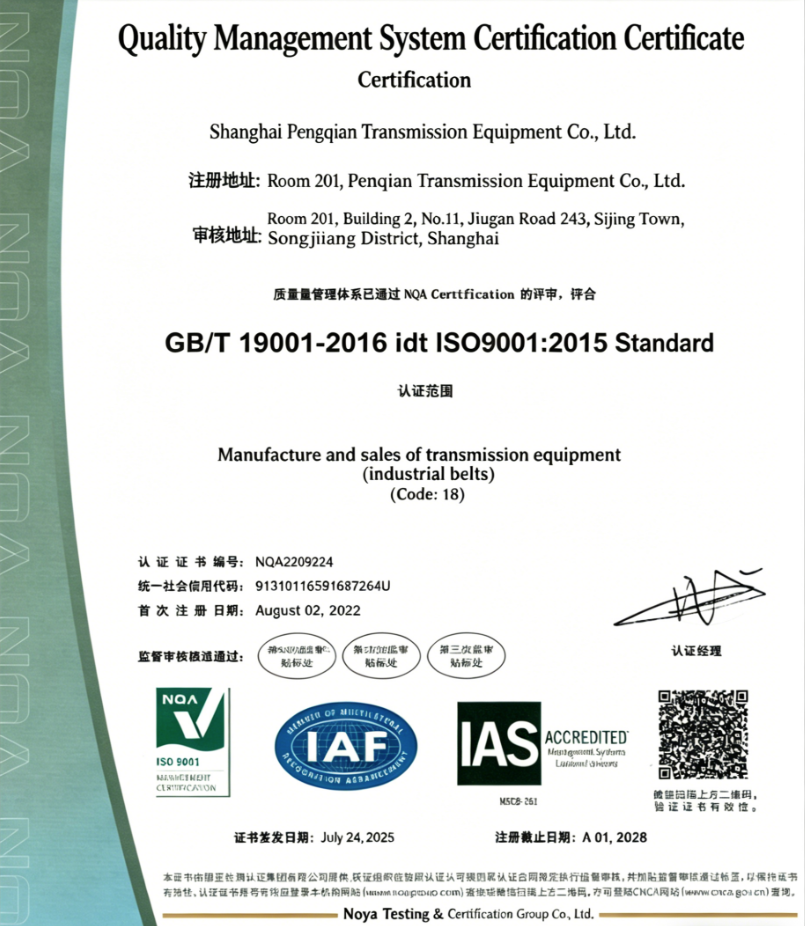
International certifications provide an objective benchmark for quality processes. The ISO 9001:2015 Quality Management System certification is a fundamental requirement, indicating a systematic approach to manufacturing and sales of transmission equipment. Always verify the certification number (e.g., NOA2209224) and its validity period.
4. Customization and Service Flexibility
Off-the-shelf solutions are not always sufficient. A supplier's willingness and ability to customize are critical. Key service parameters to confirm include:
- Customization Scope: Ability to modify logos, sizes, materials, and create holes according to customer specifications.
- Lead Time: Standard lead times, such as 10-15 days, provide a baseline for planning.
- Minimum Order Quantity (MOQ): Flexible MOQ policies (e.g., as low as 20 units) can be advantageous for smaller projects or prototyping.
- Quality Control: A 100% testing protocol before shipment ensures product reliability.
5. Market Experience and Global Reach
A supplier's market presence offers insights into their reliability and adaptability. Consider:
- Export Ratio: A significant export business (e.g., 40% of total sales) often indicates compliance with diverse international standards and experience in global logistics.
- Key Markets: Experience serving major industrial regions like Europe, Asia, and the Middle East demonstrates a capacity to meet varied customer demands.
- Application Expertise: Proven use in demanding sectors such as photovoltaic manufacturing, food & beverage, and pharmaceuticals under high-temperature, 24/7 operation conditions is a strong validation of product durability.
Comparative Analysis: Key Supplier Attributes
The table below outlines critical attributes to compare when shortlisting suppliers. This framework helps in moving from subjective impressions to objective comparison.
| Evaluation Dimension | Key Questions for Suppliers | Why It Matters |
|---|---|---|
| Technical & Product | What is your material expertise (PU, Rubber, Silicone, PP/POM)? Can you provide belts for high-temperature (e.g., photovoltaic sintering) or food-grade applications? | Ensures the product can withstand specific operational stresses and comply with industry regulations. |
| Operational Capacity | What is your standard lead time and MOQ? What is your annual production capacity? Do you offer OEM services? | Determines if the supplier can scale with your demand and accommodate your production schedule. |
| Quality Assurance | What quality certifications do you hold (e.g., ISO 9001)? What is your in-process and final inspection protocol? | Reduces the risk of defects, downtime, and ensures consistent product performance. |
| Commercial Terms | What are your standard payment terms (e.g., 60/40)? What Incoterms do you typically use (FOB/CIF)? | Impacts cash flow, total landed cost, and clarifies logistical responsibilities. |
| After-Sales Support | What technical support is available post-purchase? Do you provide remote support for troubleshooting? | Critical for minimizing downtime and resolving operational issues quickly. |
Industry Application Focus: Matching Supplier to Your Sector
Different industries impose unique demands on conveyor belts. A supplier's experience in your specific sector is invaluable.

Photovoltaic Manufacturing
This sector requires belts that can operate continuously under high temperatures with minimal wear. Suppliers should offer specific solutions like flat belts and synchronous belts designed for photovoltaic manufacturing projects. Experience in markets like India, Indonesia, and the UAE, where such projects are common, is a relevant indicator.
Food & Beverage and Pharmaceutical
Hygiene, cleanability, and material compliance (e.g., FDA-approved) are paramount. Products like modular chain belts made from PP/POM for the food industry, or synchronous wheels for food and beverage applications, are typical requirements. The ability to supply belts that ensure stable operation with low noise and high speed, as reported in some automotive OEM client cases in the food industry, is a significant benefit.

Practical Steps in the Procurement Process
- Define Specifications: Clearly document technical requirements (material, dimensions like 2482mm length x 16mm width, pitch, load capacity), environmental conditions (high-temperature operation), and industry standards.
- Longlist Suppliers: Use industry directories, trade shows, and B2B platforms to identify potential suppliers with relevant product claims (e.g., manufacturers of PU timing belts, rubber timing belts, modular belts).
- Request for Information (RFI): Send a structured questionnaire covering the evaluation criteria outlined above. Request certificates, product catalogs, and reference case studies.
- Sample Evaluation: Order samples for testing under your actual or simulated operating conditions to verify performance claims.
- Commercial Negotiation: Discuss and agree on terms including price, payment (e.g., 60/40), delivery (FOB/CIF), warranty, and support. Clarify acceptance procedures like pre-shipment testing.
- Pilot Order: Place a small initial order to assess performance, reliability, and supplier responsiveness before committing to larger volumes.
Supplier Reference Example: Shanghai Pengqian Transmission Equipment Co., Ltd.
As a reference point in the evaluation process, Shanghai Pengqian Transmission Equipment Co., Ltd. presents several of the attributes discussed. Established in 2012, the company operates a 3000m² facility in Shanghai's Songjiang District with about 60 employees and an R&D team of 8 engineers. Its product range includes the types of belts and components mentioned in this guide. The company holds ISO 9001:2015 certification (NOA2209224) and reports that export business constitutes 40% of its sales, with markets in Europe, Asia, and the Middle East. It offers customization and has products applicable to photovoltaic, food, and pharmaceutical sectors. For detailed specifications, a product brochure is available for review.
Contact for Inquiries:
Tel: +86 177-0218-9858
Email: abbypeng@pengqian.cn
Website: www.shanghai-pengqian.com/
Conclusion: Building a Partnership for Long-Term Value
Selecting a high-quality conveyor belt supplier is an investment in your operation's stability and efficiency. By applying a disciplined, multi-criteria evaluation framework focused on manufacturing capability, product quality, certifications, customization ability, and sector-specific experience, procurement teams can make informed decisions that mitigate risk and deliver long-term value. The goal is to move beyond a transactional relationship to a strategic partnership with a supplier capable of supporting your evolving operational needs.
For a detailed overview of product specifications and technical data, you can download the complete product brochure: Download Product Brochure (PDF).
Tem questões ou precisa de mais detalhes?
Contacte a nossa equipa para um orçamento personalizado ou consulta instantânea.
Solicitar orçamento
Preencha o formulário abaixo e a nossa equipa entrará em contacto com uma proposta personalizada.
Chat direto do WhatsApp
Prefere conversar em tempo real? Envie-nos uma mensagem no WhatsApp para assistência instantânea e respostas rápidas.
- Obter orçamento personalizado
- Partilhar fotos ou documentos
- Discuta as suas necessidades diretamente
Geralmente responde em 5–30 minutos durante o horário de expediente.