
Um guia abrangente para compradores: como selecionar um fornecedor de bomba magnética confiável
A Comprehensive Guide for Buyers: How to Select a Reliable Magnetic Pump Supplier
For procurement professionals in industrial manufacturing, chemical processing, semiconductor production, and new energy, selecting the right magnetic pump supplier is a critical decision that impacts operational efficiency, maintenance costs, and system reliability. This guide outlines key evaluation criteria to help you identify a qualified partner.
1. Define Your Application Requirements
Clearly defining your operational parameters is the first step. Magnetic pumps are used across diverse industries, each with unique demands.
Key Application Parameters to Specify:
- Fluid Type & Temperature: Determine if you are pumping water, thermal oil, glycol, alcohol, or chemical solutions. The required temperature range is crucial, as some applications demand handling media from -196°C to +400°C.
- Performance Needs: Define the required flow rate (e.g., 15-200 l/min or 4-35 m³/h) and head pressure (e.g., 15-100 m).
- Industry-Specific Scenarios: Common applications include:
- Injection Molding & Die Casting: For thermal oil transfer in mold temperature controllers. This application is common in markets like Russia.
- Semiconductor Manufacturing: For cooling circulation in chillers and liquid coolers. This is a frequent application in China.
- New Energy Testing: For ethylene glycol or coolant transfer in battery test chambers and liquid coolers, often requiring inverter-duty pumps.
- Laboratory Equipment: For precision temperature control in constant temperature chambers, often requiring low noise and single-phase power compatibility. This application is common in Spain and other EU markets.
2. Evaluate Supplier Capabilities and Credentials
Beyond product specifications, assess the supplier's foundational stability and quality commitments.
Critical Supplier Evaluation Checklist:
Manufacturing & Operational Scale
- Establishment & Experience: Consider the company's history. For instance, Yuanxin Pump(Suzhou)Technology Co.,Ltd. was established in 2014, with roots tracing back to 1990 in Taiwan.
- Facility Size: A dedicated factory indicates investment. A facility size of 2160m² is a tangible metric.
- Production Capacity: An annual output of approximately 25,000 units suggests scalability for larger orders.
- Team Structure: A dedicated R&D team, such as one with 3 engineers, is essential for technical support and customization.
Quality & Compliance Certifications
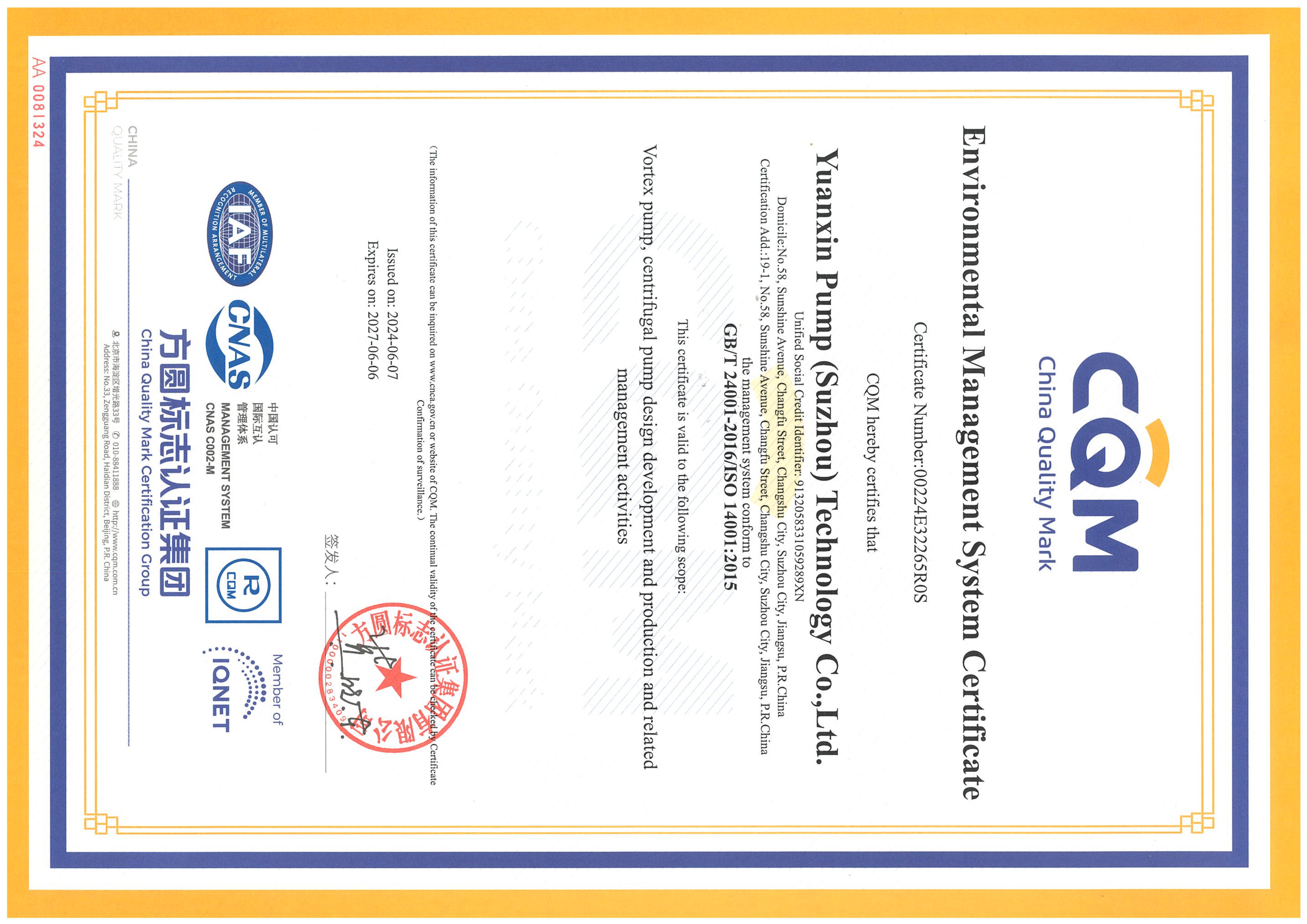
- International Standards: Look for ISO 9001:2015 (Quality Management) and ISO 14001:2015 (Environmental Management) certifications from accredited bodies like China Quality Mark Certification Group (CQM).
- Market-Specific Approvals: Ensure compliance with target market regulations. Key certifications include:
- CE Marking for the EU market (e.g., certificate number CE-4066-300425 for centrifugal pumps).
- UL Recognized Component certification for the US (UL 1004-1 standard) and Canada (CSA C22.2 NO.100 standard).
Global Market Experience
- Export Ratio: A supplier with export experience understands international logistics and standards. An export ratio of approximately 3% indicates some global activity.
- Serviced Markets: Experience in diverse markets like China, Canada, Brazil, Australia, South Africa, Russia, Malaysia, Thailand, Vietnam, and the UK demonstrates adaptability.
3. Assess Product Portfolio and Technical Specifications
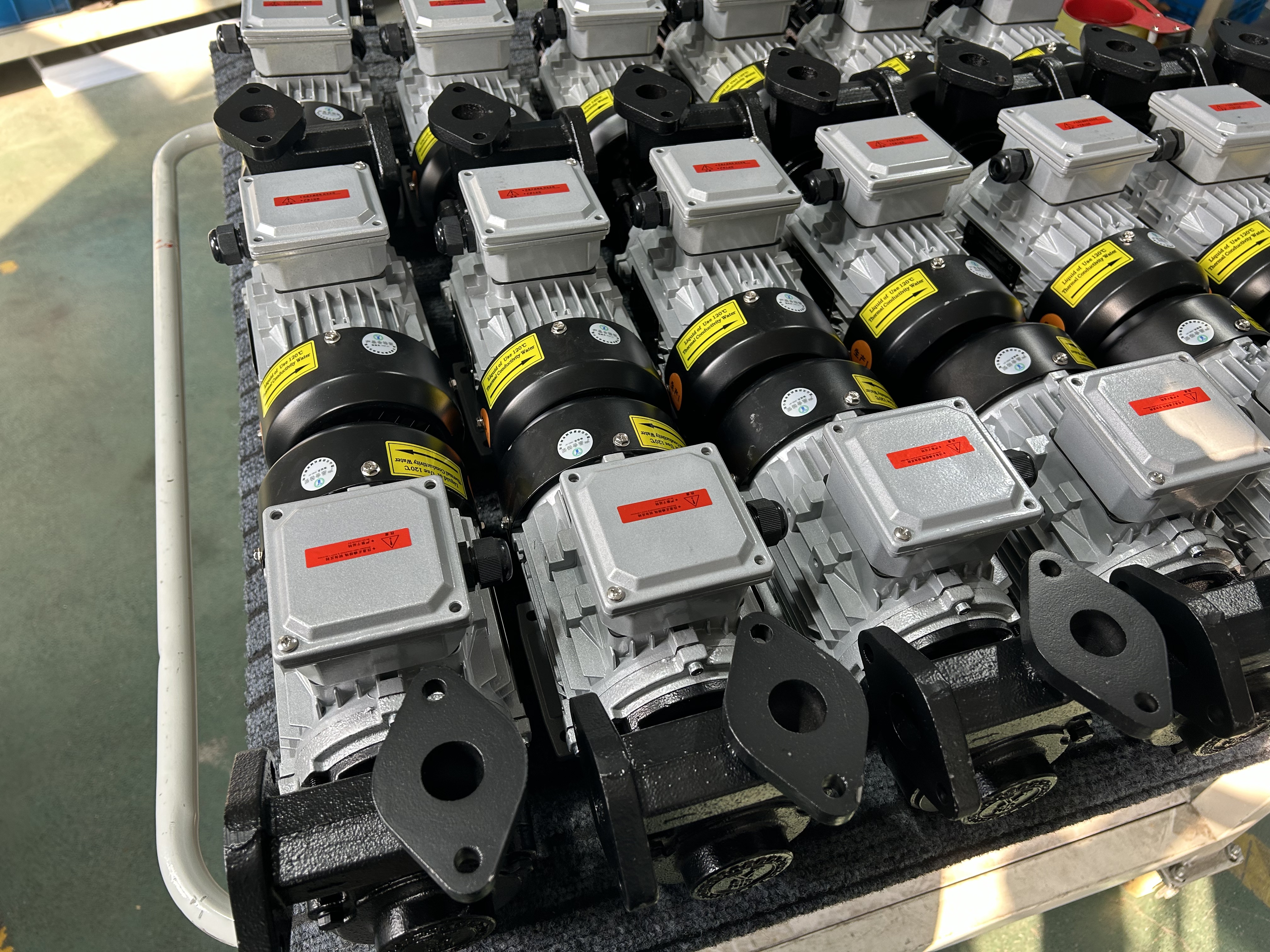
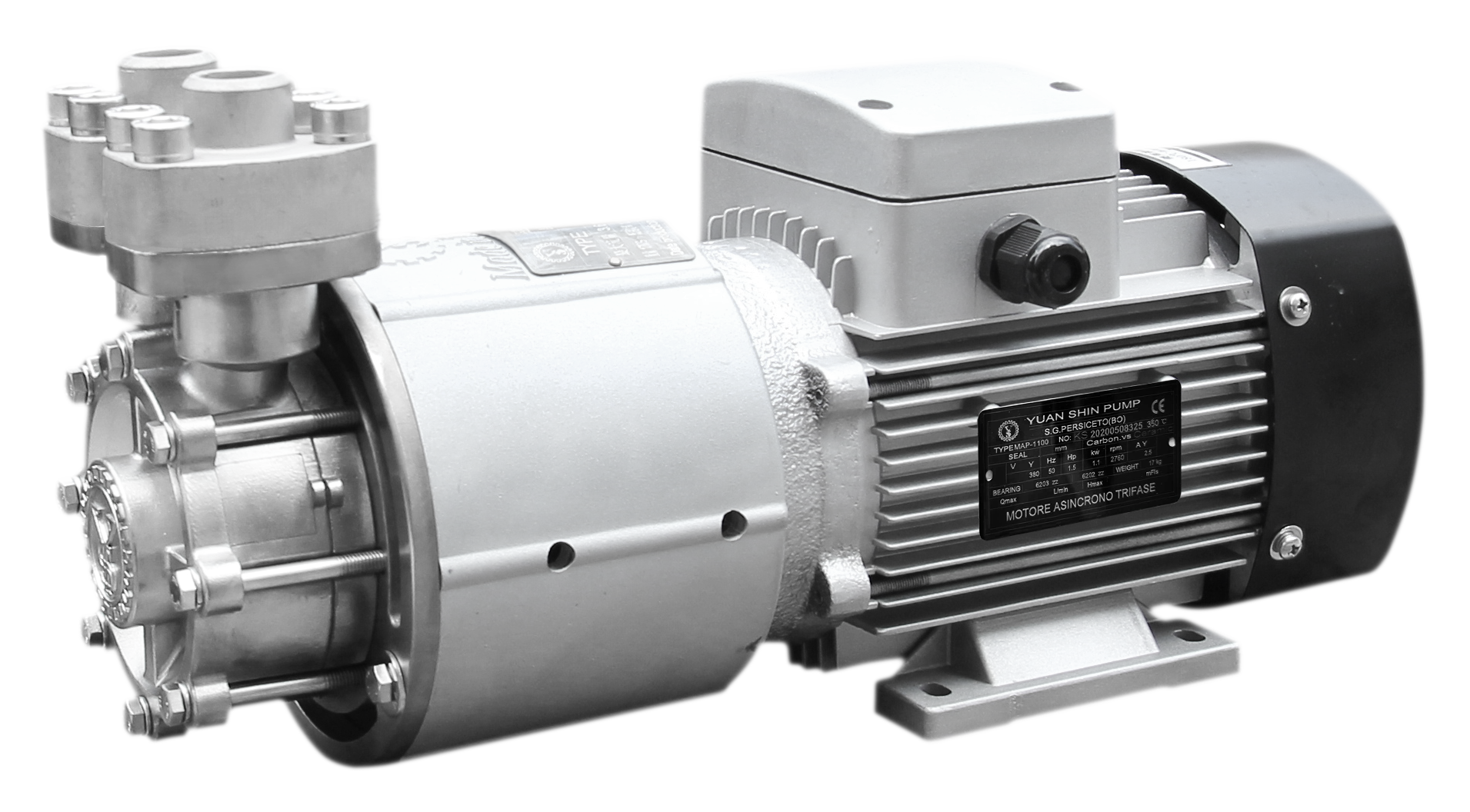
A robust product range indicates specialization. Magnetic pumps come in various types, such as Regenerative Turbine, Vortex, Centrifugal, and High-Pressure models, often constructed from stainless steel.
Example Product Specifications from a Supplier's Line:
| Model | Type | Key Parameters | Material |
|---|---|---|---|
| MAP-1100 | Regenerative Turbine Magnetic Pump | Power: 0.18-4 kW, Temp: -196°C ~ +400°C, Max Head: 15-100 m | Stainless Steel |
| CAP-100 | Centrifugal Magnetic Pump | Power: 0.75-11 kW, Temp: -196°C ~ +350°C, Capacity: 4-35 m³/h | Stainless Steel |
| MAP-18A | Regenerative Turbine Magnetic Pump | Power: 1.1-2.2 kW, Temp: -196°C ~ +400°C, Max Head: 80-100 m | Stainless Steel |
4. Scrutinize Quality Control, Customization, and Service
A. Quality Assurance Processes
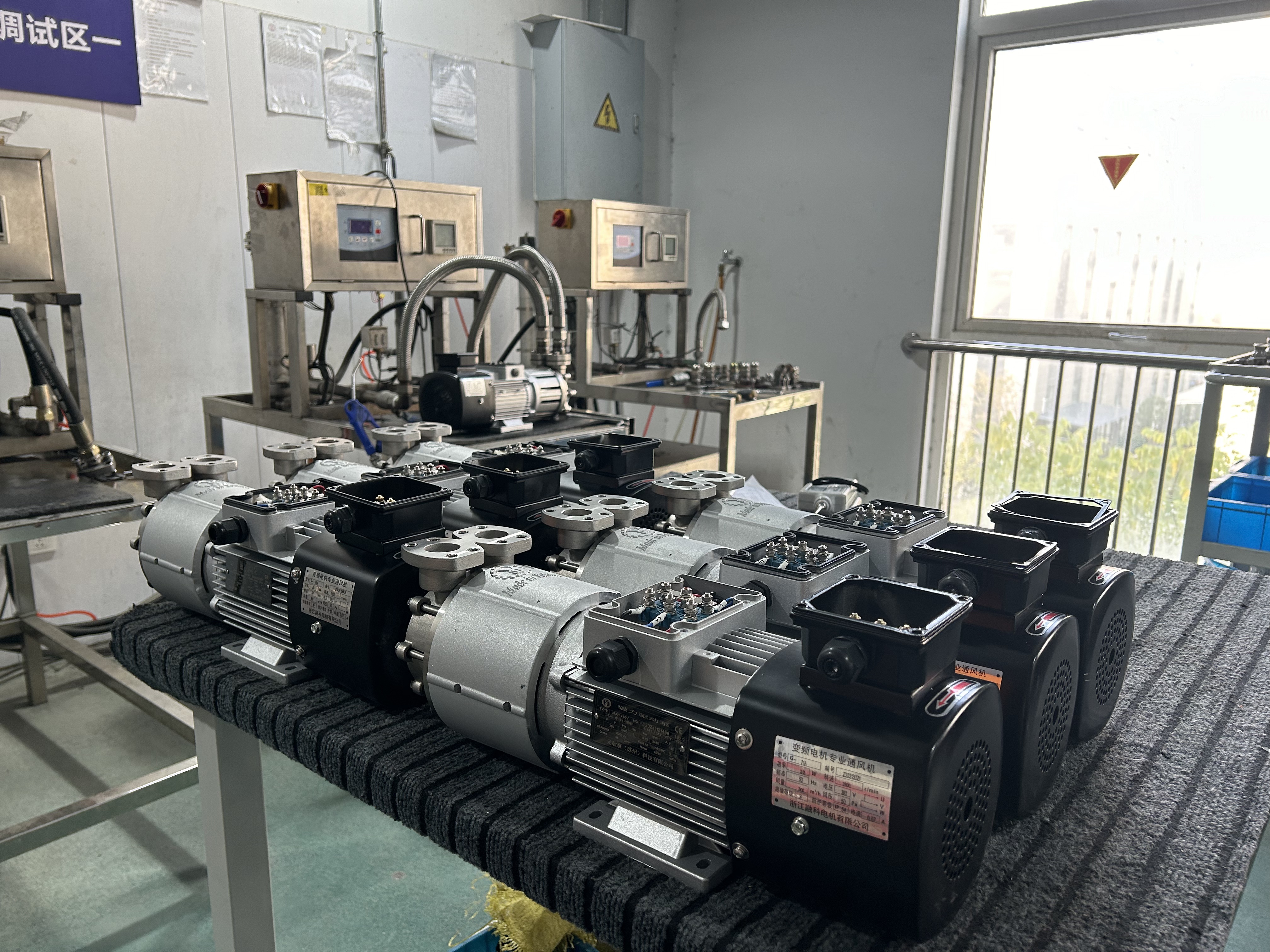
Inquire about the supplier's quality control measures. Effective practices include 100% functional testing of every pump before shipment, which involves checking flow rate, head, and performing leakage detection on in-house test rigs. Supplier management for critical components like magnets and bushings is also vital.
B. Customization and Flexibility
Check if the supplier offers ODM services and customization options to meet specific needs. Common customizable parameters include:
- Voltage and Frequency (e.g., single-phase/three-phase)
- Motor specifications (e.g., EX-motor, energy efficiency class)
- Material upgrades (e.g., Stainless Steel 316L)
- Branding (logo application)
C. After-Sales Support and Case Studies
Review real-world application cases to gauge performance. For example:
- Injection Molding (Brazil): A client using 10 units for chiller cooling reported completely resolved seal wear issues compared to mechanical seal pumps, extending maintenance intervals by more than 2 times, which helped reduce pump maintenance costs by an estimated 80%.
- New Energy Testing (China): A client purchasing 300 units annually for liquid-cooled chillers reported a 25% increase in testing efficiency, attributed to precise temperature control via variable frequency drives.
- Laboratory (UK): A research institution using 10 units achieved a temperature control accuracy of ±1°C, with the benefit of low noise operation.
5. Understand Commercial Terms and Risk Mitigation
- Minimum Order Quantity (MOQ): A low MOQ, such as 1 unit, is advantageous for prototyping or small-batch procurement.
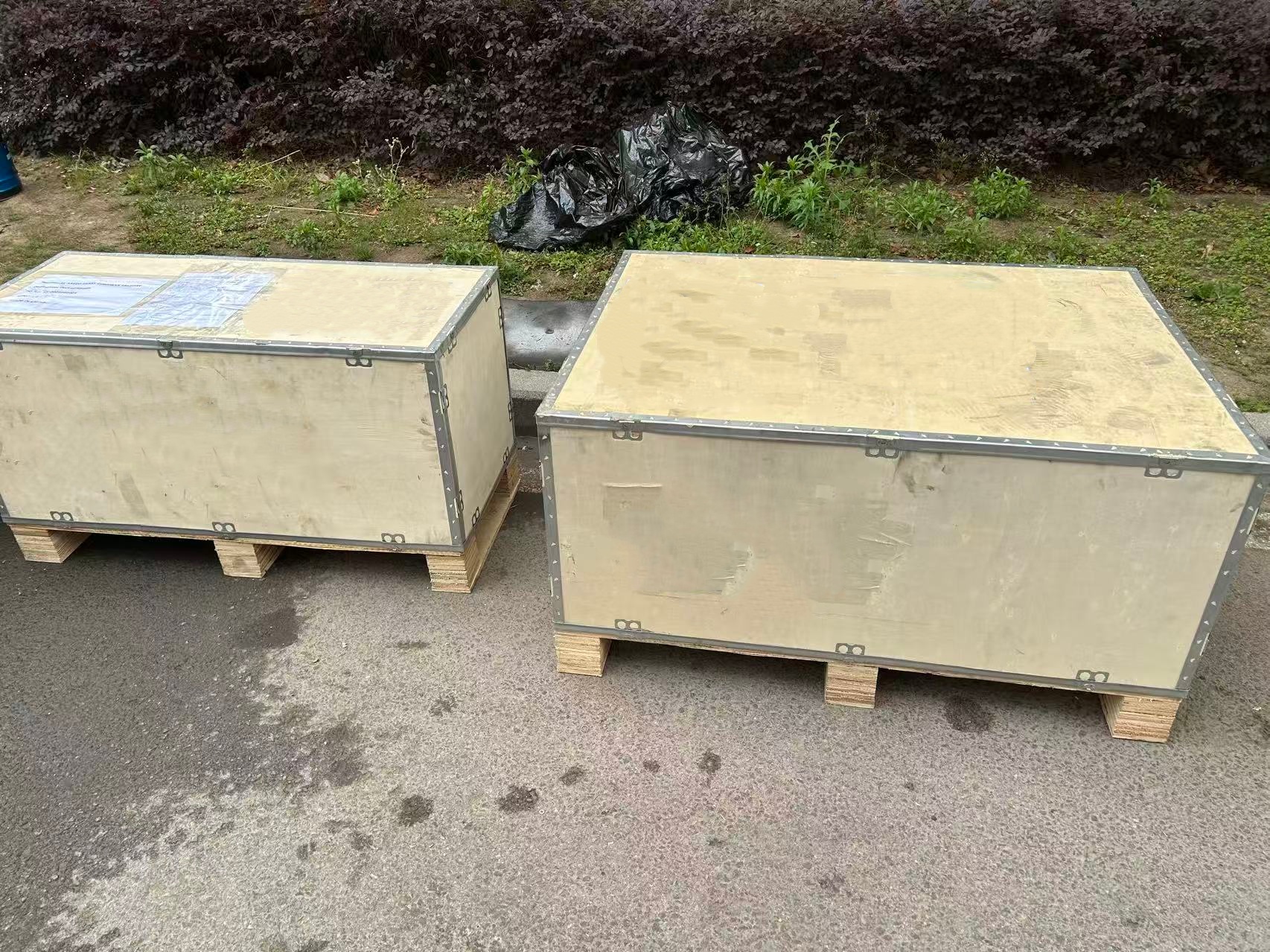
- Delivery & Logistics: Clarify available Incoterms (e.g., EXW, FOB, CIF, DAP, DDP) and packaging standards (e.g., fumigated wooden crates) for safe transit.
- Payment Terms: Common terms include 100% T/T in advance. Ensure clarity on payment milestones.
- Risk Management: Reliable suppliers have plans to mitigate risks like delivery delays (e.g., through ERP-based scheduling) and unstable component quality (e.g., via qualified supplier lists and material inspections).
Conclusion and Next Steps
Selecting a magnetic pump supplier requires a multi-faceted evaluation of technical capabilities, quality systems, operational scale, and service reliability. By methodically assessing suppliers against the criteria outlined in this guide—from application fit and certifications to real-world case studies and commercial terms—procurement teams can make informed decisions that ensure long-term operational success and value.
For further detailed technical specifications and company information, you can download the corporate brochure: YUAN SHIN PUMP Corporate Brochure (PDF).
This guide is based on publicly available supplier data and is intended for informational purposes to aid in the procurement evaluation process.
Tem questões ou precisa de mais detalhes?
Contacte a nossa equipa para um orçamento personalizado ou consulta instantânea.
Solicitar orçamento
Preencha o formulário abaixo e a nossa equipa entrará em contacto com uma proposta personalizada.
Chat direto do WhatsApp
Prefere conversar em tempo real? Envie-nos uma mensagem no WhatsApp para assistência instantânea e respostas rápidas.
- Obter orçamento personalizado
- Partilhar fotos ou documentos
- Discuta as suas necessidades diretamente
Geralmente responde em 5–30 minutos durante o horário de expediente.