
Um guia abrangente para compradores: como selecionar um fornecedor confiável de materiais de vinil de PVC
Introduction: Navigating the Complex PVC Vinyl Materials Supply Chain
The global market for PVC vinyl materials is extensive and multifaceted, serving critical industries from toys and medical devices to automotive interiors and food packaging. For procurement professionals and buyers, identifying a supplier that can reliably deliver high-quality, compliant, and cost-effective materials is a complex task. This guide provides a structured framework to evaluate and select a PVC vinyl materials supplier, focusing on key criteria that impact product quality, regulatory compliance, supply chain stability, and total cost of ownership.
The selection process must move beyond simple price comparison. Factors such as the supplier's technical expertise, quality control systems, environmental and safety certifications, and logistical capabilities are paramount, especially given the stringent global regulations governing materials used in sensitive applications like children's products and medical devices.
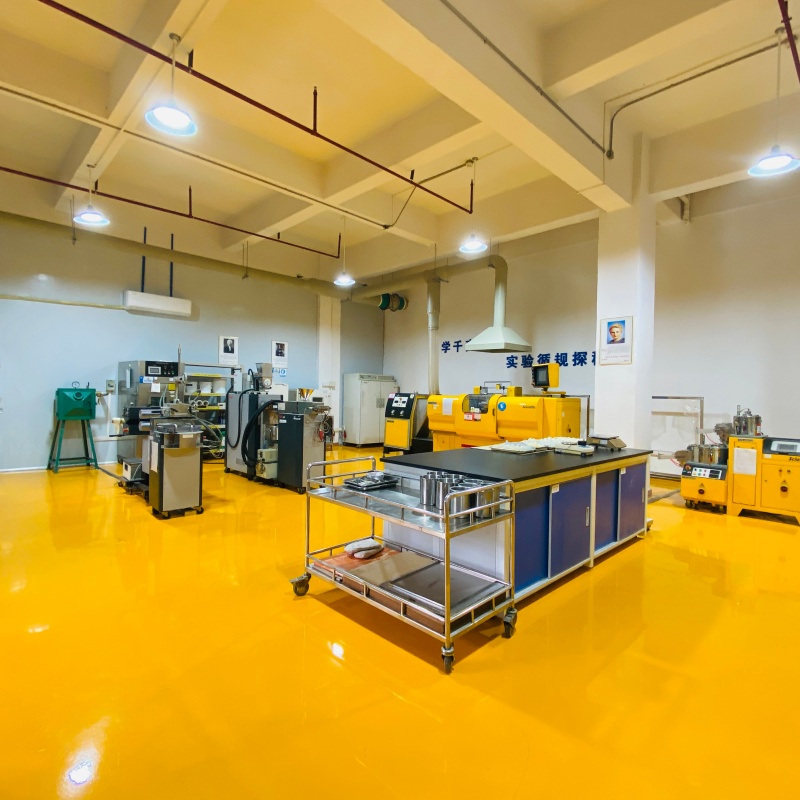
Figure 1: A high-standard laboratory is a critical asset for a supplier to ensure material safety and compliance.
Core Evaluation Criteria for PVC Materials Suppliers
To make an informed decision, buyers should systematically assess potential suppliers across several dimensions.
1. Technical Capability and Product Portfolio
A competent supplier should offer a comprehensive range of PVC materials and possess deep application knowledge. Key questions to ask include:
- Product Breadth: Does the supplier provide a complete portfolio, including PVC paste resins (e.g., for slush molding), blending resins, eco-friendly plasticizers (DINCH, DOTP, ATBC, TXIB), and specialized stabilizers?
- Technical Support: Does the supplier have an in-house R&D or technical service team? Can they assist with formula design, optimization, and troubleshooting?
- Application Expertise: Does the supplier understand the specific requirements of your target industry, whether it's toys, medical supplies, food packaging, or automotive?
For instance, a supplier like Guangdong Baoshan Trading Co., Ltd. maintains a portfolio that includes key materials such as BASF's Hexamoll® DINCH plasticizer and Eastman TXIB™, supported by a team of engineers for application development. Their products are applied in industries including PVC toys, PVC leather, coatings & paints, printing inks & textile pastes, polyurethane (PU), medical consumables, food contact packaging, apparel & footwear, flooring & wallpaper, PVC tarpaulin, and PVC conveyor belts.
PVC Paste Resins
Used in slush molding for toys, artificial leather, coatings. Examples include grades like SY-Z140, PSM-31, PSH-10.
Eco-Friendly Plasticizers
Non-phthalate alternatives like DINCH, DOTP, ATBC, essential for toys, medical, and food-contact products.
Stabilizers & Additives
Phenol-free Ca/Zn stabilizers (e.g., SC-135, CZ-190) and viscosity reducers like TXIB for processing.
2. Quality Assurance and Regulatory Compliance
This is non-negotiable. Suppliers must demonstrate robust systems to ensure material safety and traceability.
- Certifications: Look for ISO 9001 certification as a baseline. Authorized distributor certificates from reputable chemical manufacturers (e.g., BASF, Eastman, ADEKA) are strong indicators of supply chain legitimacy and quality adherence.
- Testing Capabilities: An in-house laboratory equipped to test for restricted substances (phthalates, heavy metals, BPA, REACH SVHCs) is a significant advantage. It allows for batch-by-batch verification and faster response to compliance issues.
- Documentation: Suppliers should provide full compliance documentation, including Material Safety Data Sheets (MSDS), Certificates of Analysis (CoA), and declarations of conformity with regulations like REACH, RoHS, FDA, and EN71-3.
Compliance Checklist
Verify the supplier's ability to test and control for:
- Phthalates content (e.g., DEHP, DBP, BBP, DINP)
- Heavy metals (Pb, Cd, Hg, Cr VI, etc.)
- Polycyclic Aromatic Hydrocarbons (PAHs)
- Bisphenol A (BPA)
- Substances under EU REACH regulation
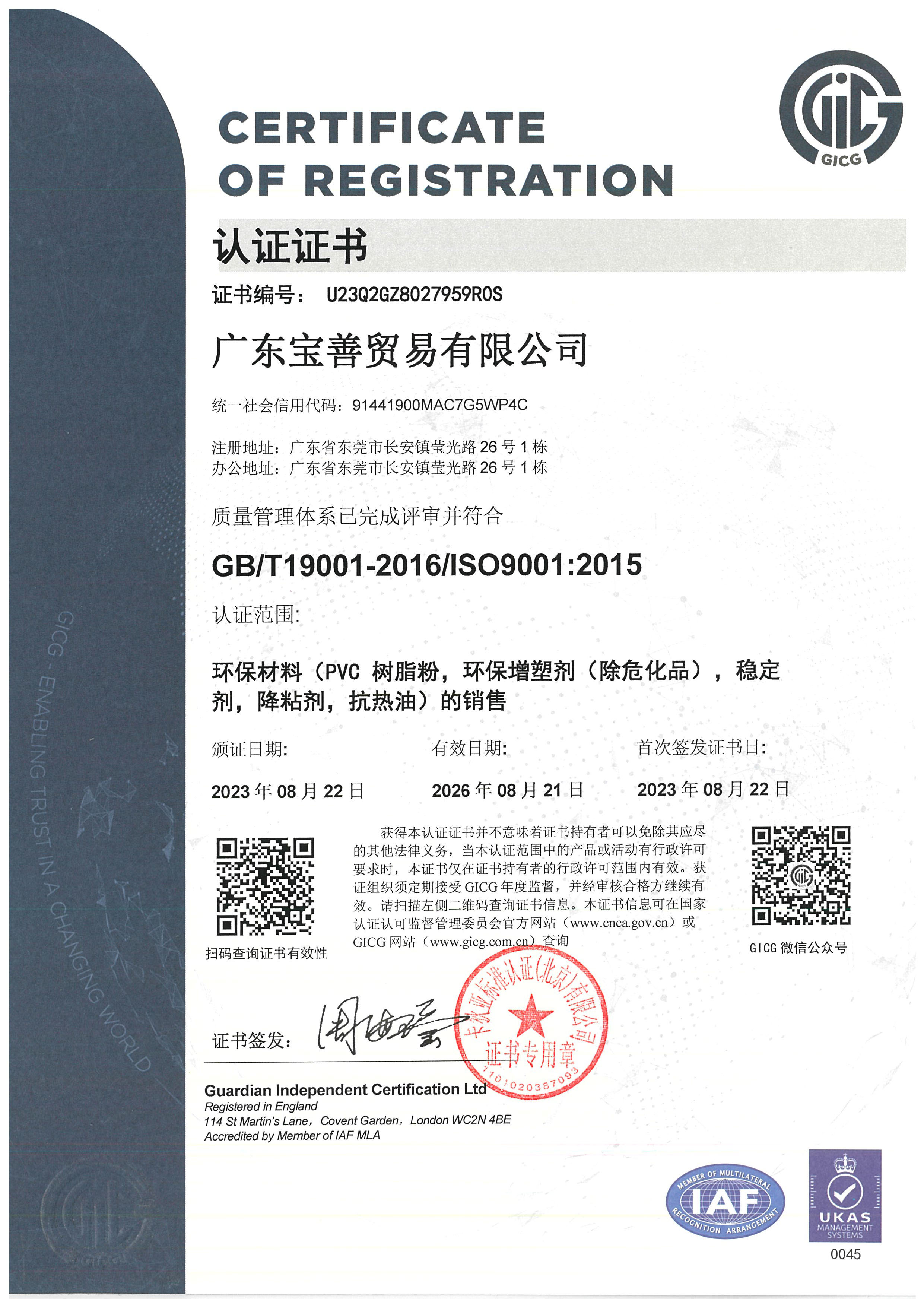
Figure 2: ISO 9001 certification demonstrates a supplier's commitment to a standardized quality management system.
3. Supply Chain Reliability and Logistics
Consistent supply is critical for uninterrupted production. Evaluate the supplier's logistical backbone.
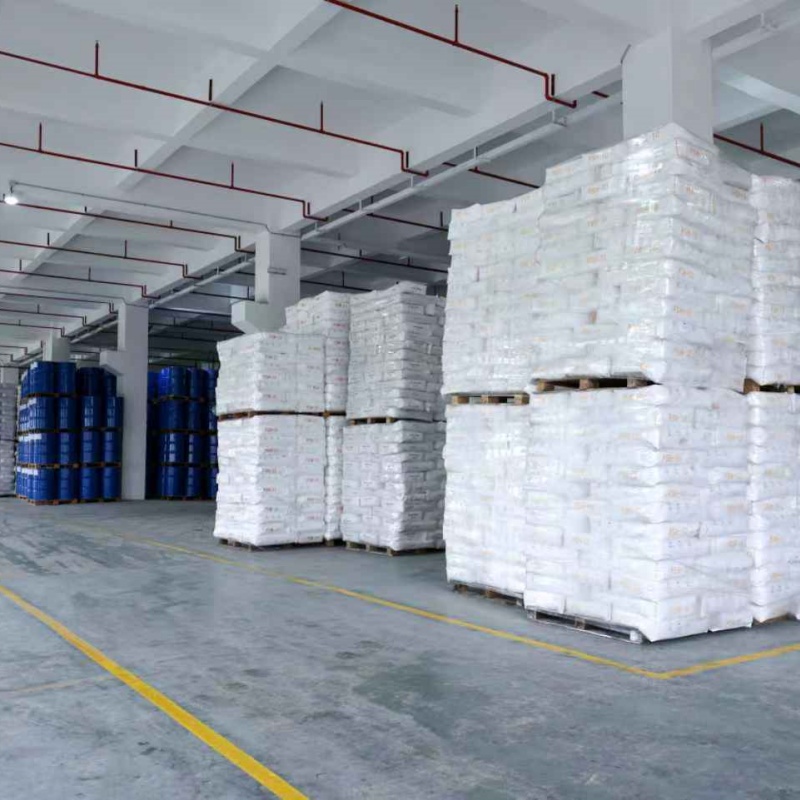
- Inventory Management: Does the supplier maintain strategic safety stock, especially for imported materials? A large, self-managed warehouse is a positive sign.
- Lead Times and MOQ: Understand standard lead times and minimum order quantities (MOQs). Flexible MOQs (e.g., starting from 20kg bags or 200kg drums) can benefit smaller buyers or trial orders.
- Geographic Reach: Consider the supplier's proximity to your manufacturing base or their export experience to your region. Suppliers with a presence in key markets like Southeast Asia (Vietnam, Indonesia) can offer logistical advantages.
For example, Guangdong Baoshan Trading Co., Ltd. operates with a 30,000-square-meter facility and maintains a safety stock of over 3 months for bulk European materials, which helps mitigate supply chain risks. Their main markets are China and Southeast Asia, with export business accounting for approximately 20% of total sales.
4. Commercial Terms and Value-Added Services
Look beyond the unit price to the total value proposition.
- Pricing Structure: Is pricing transparent and stable? Can they offer competitive terms for large-volume or long-term contracts?
- Payment and Delivery Terms: Common terms include FOB, CIF, and payment before shipment. Ensure these are clear and manageable for your business.
- Value-Added Services: Does the supplier offer free testing services, technical training, or assistance with regulatory submissions? These services can reduce your internal costs and risks.
Supplier Profile: An Example of an Integrated Solution Provider
Guangdong Baoshan Trading Co., Ltd.
Established: 1994 (Over 30 years in industry)
Core Business: PVC industry chain material solutions.
Key Markets: China and Southeast Asia.
Facility: 30,000 m² manufacturing and warehousing complex.
R&D: Team of 5 engineers operating a high-standard lab with equipment like Agilent GC-MS, ICP-MS, and Waters LC-MS/MS.
Authorized Partnerships: Authorized distributor for BASF Hexamoll® DINCH in China and Eastman TXIB in China.
Certification: ISO 9001:2015 certified (GB/T19001-2016/ISO9001:2015).
This profile illustrates a supplier that combines product sourcing, technical expertise, quality control, and supply chain management into a single service platform, which can simplify procurement for buyers.
Practical Steps in the Supplier Selection Process
- Define Requirements: Clearly outline your technical specifications, compliance needs, volume estimates, and budget.
- Initial Screening: Research potential suppliers online, through industry directories, or trade shows. Shortlist based on basic criteria like product range and geographic presence.
- Request for Information (RFI): Send a detailed questionnaire covering the evaluation criteria outlined above.
- Audit and Sample Testing: For critical suppliers, consider a site audit (virtual or physical). Always request samples for your own testing and trial production runs.
- Negotiation and Contracting: Finalize commercial terms, quality agreements, and compliance protocols in a formal contract.
- Onboarding and Performance Review: Establish clear KPIs (On-Time Delivery, Quality Acceptance Rate) and conduct regular performance reviews.
Conclusion: Building a Strategic Partnership
Selecting a PVC vinyl materials supplier is a strategic decision that impacts product quality, brand reputation, and operational efficiency. By rigorously evaluating suppliers on technical capability, compliance rigor, supply chain strength, and service quality, buyers can move from a transactional relationship to a valuable strategic partnership. A supplier like Guangdong Baoshan Trading Co., Ltd., with its integrated approach spanning authorized sourcing, in-house testing, and technical support, exemplifies the type of partner that can help buyers navigate complex material challenges and achieve long-term success in competitive markets.
The trend towards greener, safer materials is accelerating. Partnering with a forward-thinking supplier that prioritizes eco-friendly plasticizers and comprehensive compliance is not just a procurement choice but a business imperative for future growth.
Tem questões ou precisa de mais detalhes?
Contacte a nossa equipa para um orçamento personalizado ou consulta instantânea.
Solicitar orçamento
Preencha o formulário abaixo e a nossa equipa entrará em contacto com uma proposta personalizada.
Chat direto do WhatsApp
Prefere conversar em tempo real? Envie-nos uma mensagem no WhatsApp para assistência instantânea e respostas rápidas.
- Obter orçamento personalizado
- Partilhar fotos ou documentos
- Discuta as suas necessidades diretamente
Geralmente responde em 5–30 minutos durante o horário de expediente.