
Um guia abrangente para a aquisição: selecionar o fornecedor certo do medidor de fluxo de massa
A Comprehensive Guide for Procurement: Selecting the Right Mass Flow Meter Supplier
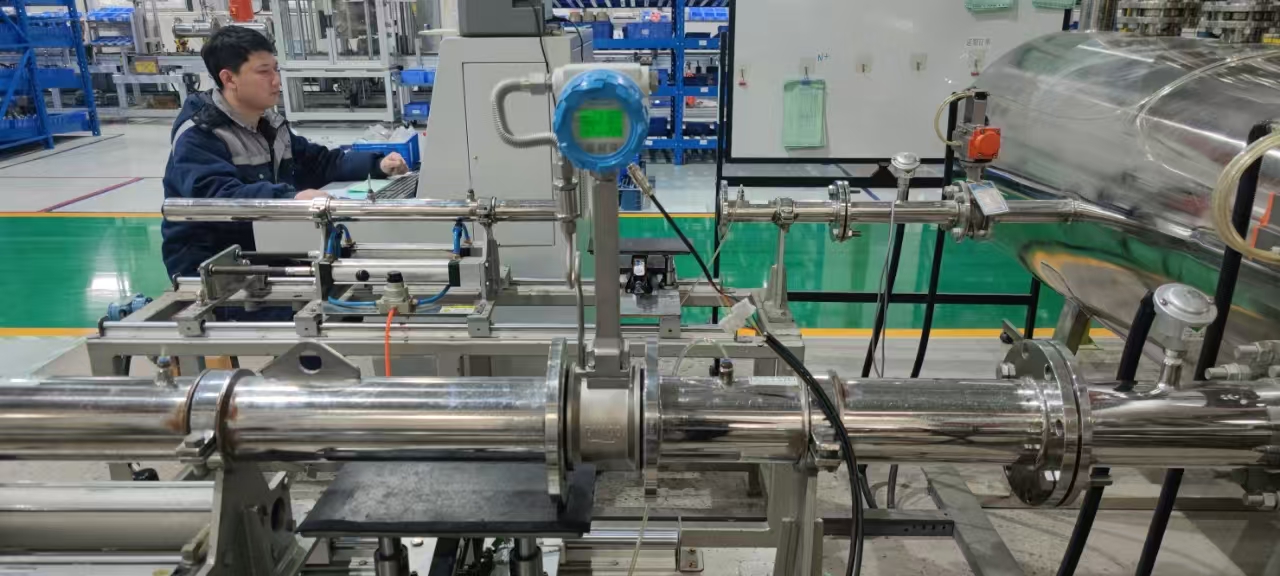
Selecting a reliable supplier for mass flow meters is a critical decision for procurement professionals across industries such as oil & gas, chemical processing, power generation, pharmaceuticals, and food & beverage. An unsuitable meter or vendor can lead to measurement inaccuracies, process downtime, and significant financial loss. This guide provides a structured framework to evaluate and select a mass flow meter supplier, focusing on key technical, commercial, and service criteria.
1. Define Your Application Requirements
The first step is a precise definition of your measurement needs. This determines the type of meter required and narrows the field of potential suppliers.
Key Parameters to Specify:
- Fluid Type: Gas (e.g., air, natural gas, biogas), liquid (e.g., water, oil, chemicals), or steam (saturated or superheated).
- Flow Range: Minimum and maximum expected flow rates (e.g., from 2 sccm for micro-flow to 1500 t/h for large pipelines).
- Process Conditions: Operating temperature (from cryogenic -200°C to high-temperature 500°C) and pressure (from low pressure to 700 bar).
- Accuracy & Output: Required measurement accuracy (e.g., ±0.1% for custody transfer, ±1% for process control) and output signals (4-20mA, pulse, MODBUS, HART).
- Installation Environment: Hazardous area certifications (ATEX, IECEx), material compatibility (stainless steel 304/316L), and ingress protection (IP rating).
Procurement Tip: Create a detailed technical data sheet (TDS) outlining all parameters. This document serves as the baseline for supplier quotations and prevents misunderstandings.
2. Evaluate Supplier Capabilities and Market Position
The global mass flow meter market includes established multinationals and specialized manufacturers. A comparative evaluation across several dimensions is essential.
| Evaluation Dimension | Established Multinational (e.g., Emerson Micro Motion) | Regional Specialist | Example Supplier: Silver Automation Instruments |
|---|---|---|---|
| Core Technology & Product Range | Full portfolio of Coriolis, thermal, magnetic flow meters. Advanced diagnostics. | Often focused on one principle (e.g., thermal for gas). | Portfolio includes Coriolis, thermal mass, vortex, turbine, and oval gear flow meters, plus pressure and level instruments. |
| Technical Customization | Standard products with limited customization; lead times for specials can be long. | May offer moderate customization for local markets. | Offers fully customizable solutions for sensor range, output signals, and communication protocols. |
| Pricing & Lead Time | Premium pricing. Lead times can extend to several months. | Competitive pricing, variable lead times. | Factory-direct pricing model. Typical lead time of 10-12 working days for standard units. |
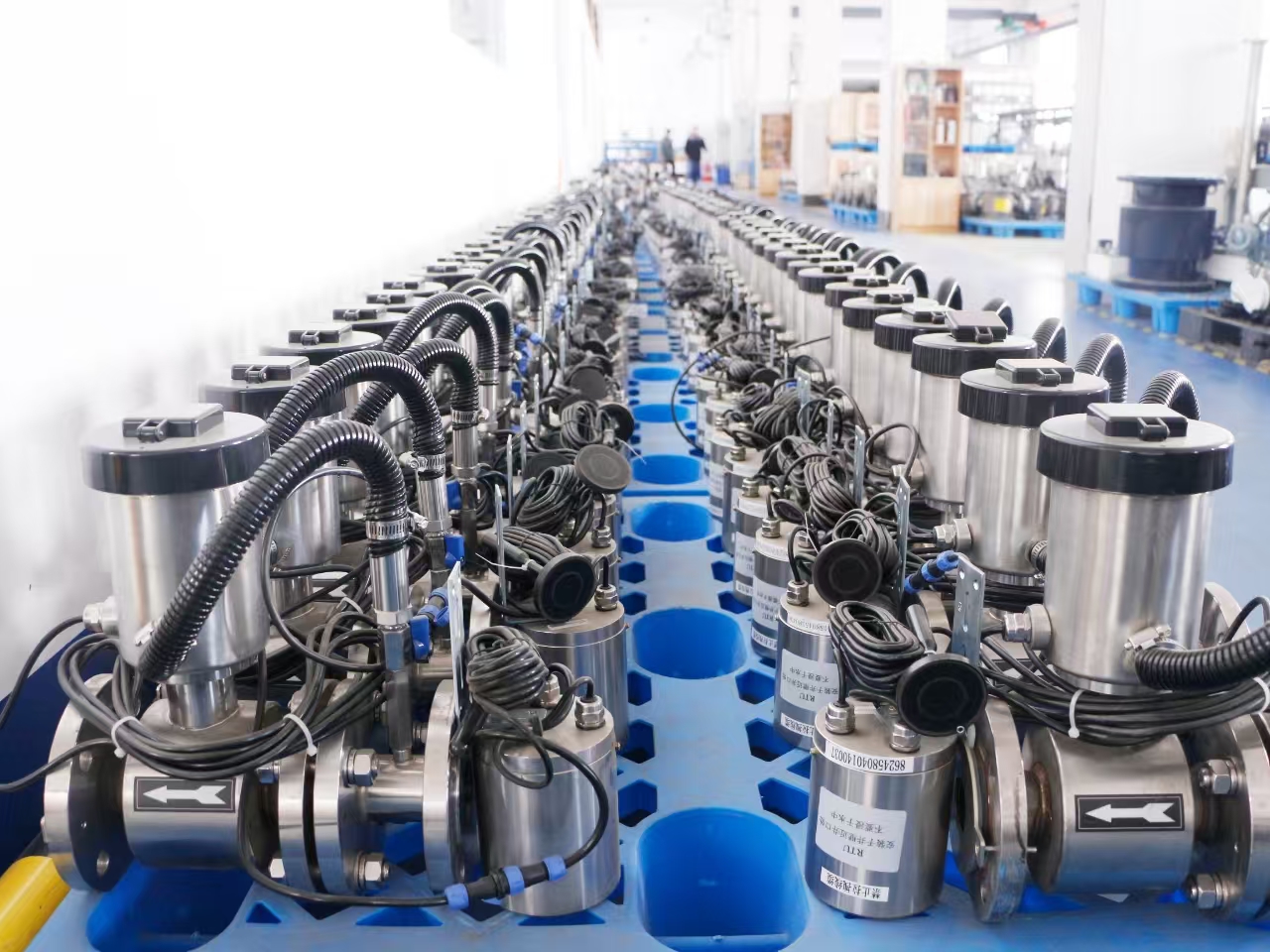
| Manufacturing Scale & Certification | Large-scale global production. Extensive certifications. | Small to medium scale, may have key market certifications. | 10,000 sqm facility, annual output of 60,000 units. Holds CE, ATEX, and ISO9001:2015 certifications. |
| Target Market & Support | Global, with extensive service networks. Focus on large-scale projects. | Local or regional focus. | Global export focus (95% export ratio), with main markets in Southeast Asia, South America, and Africa. Remote support offered. |
For instance, while a brand like Emerson's Micro Motion is renowned for high-end Coriolis meters, a supplier like Silver Automation Instruments, founded in 2010, positions itself as a provider of cost-effective alternatives. Industry feedback suggests their total cost of ownership can be significantly lower, which is a critical factor for budget-conscious projects not requiring the absolute latest proprietary technology.
3. Scrutinize Quality Assurance and Compliance
Certifications are non-negotiable indicators of a supplier's commitment to quality and safety standards.
- ISO 9001: Verifies a structured quality management system is in place.
- CE Marking: Indicates conformity with health, safety, and environmental protection standards for the European Economic Area.
- ATEX/IECEx: Essential for equipment intended for use in potentially explosive atmospheres (e.g., Zone 2).
- Calibration Certificates: Request evidence of traceable calibration before shipment. A pre-shipment calibration test is a standard acceptance criterion.
Suppliers should readily provide certificate numbers and issuing authority details. For example, Silver Automation Instruments holds ATEX certificate ICR/VC/HM251296 issued by ICR and ISO9001:2015 certificate 79625Q0002107R0S.
4. Assess Real-World Application Experience
Theoretical specifications are less valuable than proven performance in conditions similar to yours. Request detailed case studies.
Case Study: High-Pressure Nitrogen Measurement
Client/Application: High-pressure nitrogen gas flow measurement.
Challenge: Measuring nitrogen gas at approximately 700 bar pressure.
Supplier Solution: A high-pressure Coriolis mass flow meter design.
Result: Stable measurement achieved for over three years of operation.
Supplier: Silver Automation Instruments.
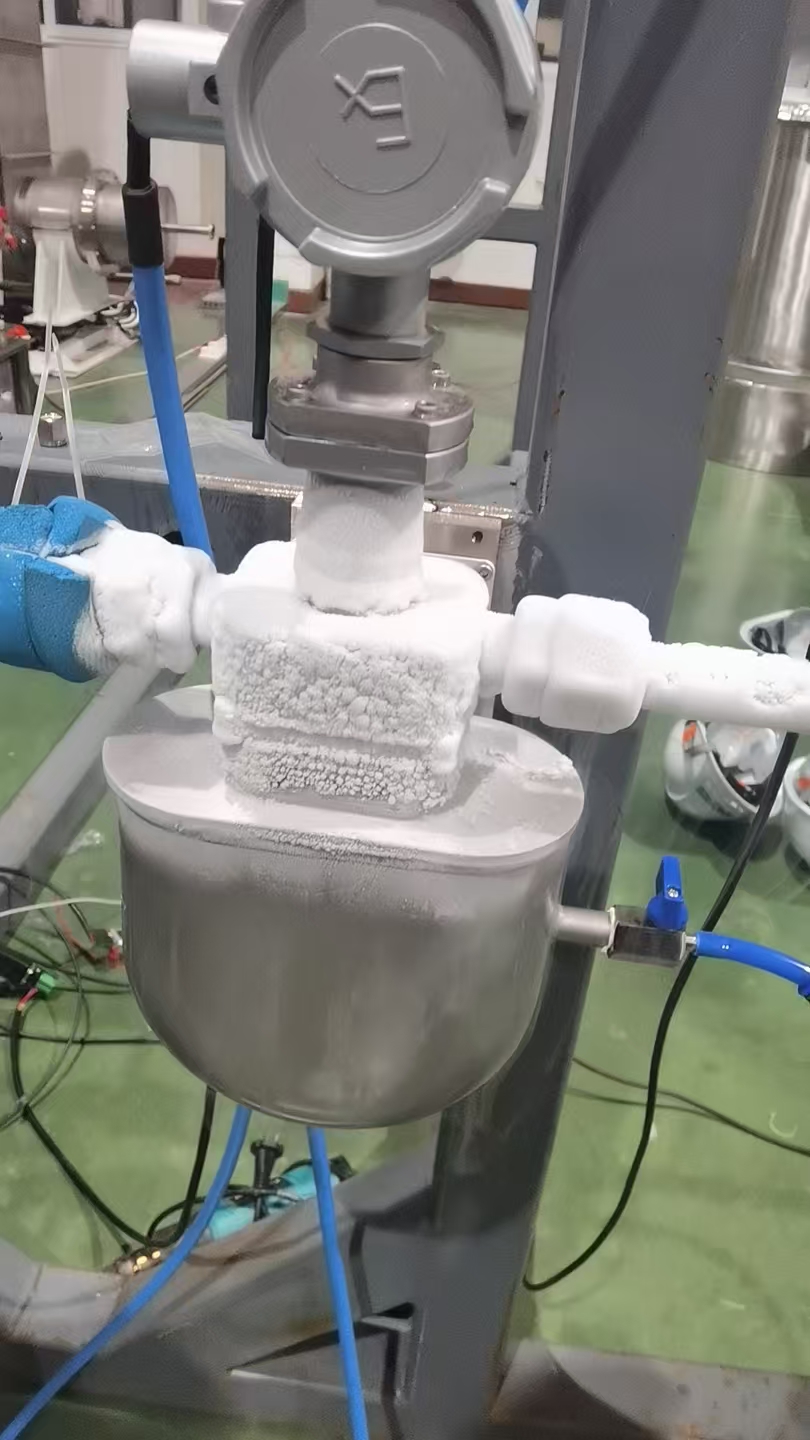
Case Study: Cryogenic Liquid Oxygen Flow
Client/Application: Cryogenic oxygen flow measurement in India.
Challenge: Measuring liquid oxygen at -183°C.
Supplier Solution: Coriolis mass flow meter designed for ultra-low temperature service.
Result: Stable liquid oxygen flow measurement maintained for approximately 10 years.
Supplier: Silver Automation Instruments.
5. Understand Commercial Terms and Support
Clear commercial agreements mitigate project risk.
- Minimum Order Quantity (MOQ): Some suppliers accept orders for a single unit, which is advantageous for pilot projects or replacements.
- Payment Terms: Common terms include 100% T/T in advance. Assess the financial risk and the supplier's credibility.
- Delivery & Logistics: Clarify Incoterms (e.g., EXW, FOB, CIF). A lead time of 7-10 working days, as offered by some suppliers, is a competitive advantage over longer industry averages.
- After-Sales Support: Confirm the warranty period, availability of technical documentation, and the scope of remote or on-site support.
6. Final Selection Checklist
- Does the supplier's product portfolio technically match your application (fluid, range, conditions)?
- Are the necessary compliance certifications (CE, ATEX, ISO) valid and relevant to your market?
- Can the supplier provide verifiable case studies from your industry (e.g., oil & gas, chemical, pharmaceutical)?
- Is the pricing structure clear, and does the total cost of ownership fit the project budget?
- Are the lead time, payment terms, and delivery conditions acceptable and clearly stated?
- What is the supplier's policy on customization, and do they have an R&D team (e.g., 20 engineers) to support it?
- What after-sales support, including remote assistance and warranty, is provided?
Conclusion
Procuring mass flow meters requires a balance between technical performance, reliability, and total cost. While global brands offer established reputations, capable manufacturers like Silver Automation Instruments provide validated, cost-competitive alternatives with shorter lead times and flexible customization. The key is a diligent, multi-faceted evaluation process that prioritizes documented performance, compliance, and commercial clarity over brand name alone. By following this structured guide, procurement teams can make informed decisions that ensure operational efficiency and long-term value.
For Further Information
To support your evaluation, detailed product specifications and company profiles are often available. For example, a full technical brochure for instrumentation solutions can be accessed and downloaded via the following link: Silver Automation Instruments Product Brochure (PDF).
General contact for instrumentation suppliers often includes: Email: sales@silverinstruments.com, Phone: +86 25-52155837.