
Um guia abrangente para a seleção de fornecedores de endoscópios veterinários para aquisições globais
A Comprehensive Guide to Selecting Veterinary Endoscope Suppliers for Global Procurement
For veterinary clinics, hospitals, and distributors worldwide, selecting the right endoscope supplier is a critical decision that impacts diagnostic accuracy, operational efficiency, and long-term profitability. The global market offers a range of manufacturers, from established giants to specialized innovators. This guide provides a structured framework for procurement professionals to evaluate and identify suppliers that align with their specific clinical and business needs.
Core Procurement Challenge: Balancing advanced technological features, durability, total cost of ownership, and reliable after-sales support across diverse veterinary applications—from small animal clinics to large animal field services.
1. Defining Your Requirements: Application & Animal Type
The first step is a clear needs assessment. Veterinary endoscopy is not a one-size-fits-all field. Requirements vary significantly based on the primary patient type and clinical setting.
Key Application Scenarios
- Small Animal Endoscopy: Common in companion animal practices across countries including the United States, United Kingdom, Germany, Australia, and Japan. Focus is on gastrointestinal, respiratory, and otoscopic procedures for dogs and cats.
- Large Animal & Equine Endoscopy: Prevalent in markets with significant livestock or equine industries. Requires longer insertion lengths (e.g., 1500 mm), durable construction, and often portable designs for field use.
- Mobile Veterinary Services: A growing segment globally. Equipment must be portable, rugged, and capable of operating in varied environments outside a traditional clinic.
- Avian & Exotic Animal Endoscopy: Demands ultra-thin insertion tubes and high-definition imaging for minute anatomical structures.
Suppliers like Jeet Medical (Shenzhen) Co., Ltd. design products for these varied environments, with application scenarios documented in countries spanning the United Arab Emirates, Brazil, Canada, across Europe, and Southeast Asia.
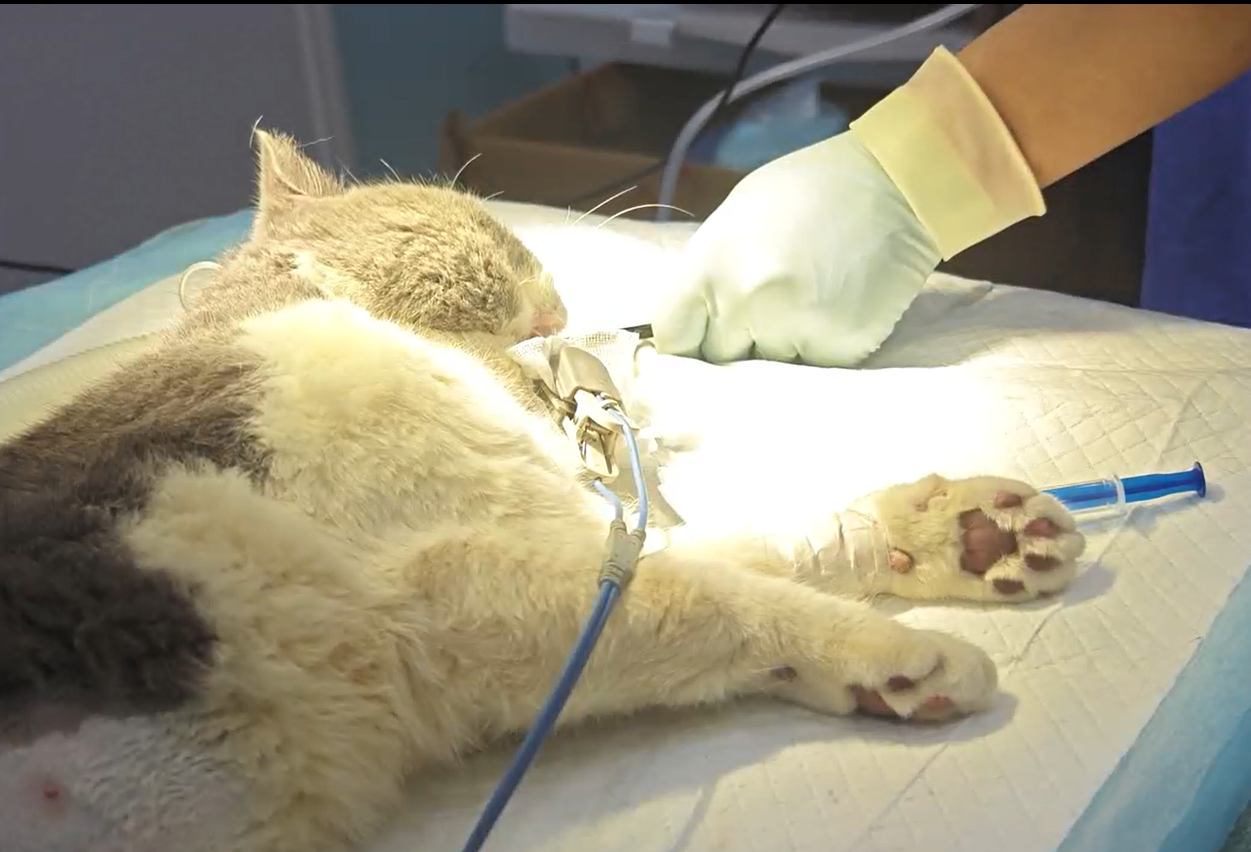
Small Animal Endoscopy in a clinical setting.
2. Evaluating Manufacturer Capabilities & Scale
A supplier's infrastructure and expertise are tangible indicators of reliability and product quality.
Critical Evaluation Metrics
- Manufacturing Scale & Quality Systems: Assess factory size, annual output, and quality certifications. For instance, Jeet Medical operates from a 5000m² manufacturing facility and employs a dedicated R&D team of 30 engineers. Certifications like software copyrights (e.g., for the Jeet Medical Multi-Camera Automatic Fusion System V1.0, Certificate No. 9413508) indicate investment in proprietary technology.
- Global Market Experience: Suppliers with a diversified export footprint often have a better understanding of international regulatory and clinical requirements. A supplier serving major markets in Europe, North America, Southeast Asia, Latin America, and the Middle East, with export accounting for 50% of sales, demonstrates global adaptability.
- Product Portfolio Breadth: A range covering portable endoscopes, otoscopes, flexible otoscopes, and gastroscopes suggests specialized focus and the ability to provide bundled solutions.

Modern manufacturing facility indicative of production scale.
3. Comparative Analysis of Leading Suppliers
Understanding the market landscape is crucial. The veterinary endoscope sector includes long-standing medical device companies and newer, agile manufacturers. Here is a comparative view based on common procurement considerations.
| Supplier / Aspect | Karl Storz | Olympus | JeetVet (Jeet Medical) |
|---|---|---|---|
| Primary Focus | Broad medical endoscopy, including veterinary. | Broad medical endoscopy, including veterinary. | Specialized in veterinary endoscopes and devices. |
| Typical System Profile | High-end, integrated tower systems. | High-end, integrated systems. | Portable, all-in-one systems. |
| Key Differentiator | Optical quality, durability, extensive accessory ecosystem. | Image processing technology, brand legacy. | Portability, cost-effectiveness, and intuitive joystick control designed to reduce operational misuse. |
| Best Suited For | Large, well-funded hospitals and referral centers. | Institutions prioritizing top-tier imaging. | Clinics, mobile services, and field use requiring all-terrain capability. |
| Reported Cost Consideration* | Higher initial investment and maintenance. | Higher initial investment and maintenance. | Industry estimates suggest a potential for lower total cost of ownership and maintenance costs. |
*Cost data based on industry estimates and comparative supplier analysis.
The choice often hinges on the practice's workflow. For a mixed or field-based practice, the portable, single-veterinarian operable systems from a supplier like JeetVet can offer operational simplicity with a boot-up time of approximately 5 seconds, contrasting with more complex traditional setups.
4. Technical Specifications & Product Validation
Beyond brand names, a detailed review of product specifications is non-negotiable. Key parameters must match intended use.
Example Specification Review (Portable Veterinary Gastroscope):
- Model: RAE-109 (Portable USB Veterinary Gastroscope)
- Working Length: 1500 mm (suitable for large animals)
- Outer Diameter: 5.8 mm
- Bending Angle: 180° Up/Down, 180° Left/Right
- Weight: <1 kg (critical for portability)
- Connection: USB (for compatibility with various devices)
Example Specification Review (Veterinary Flexible Otoscope):
- Model: RAE-201 (Veterinary Flexible Otoscope)
- Purpose: Animal ear and nasal examination.
- Working Length: 600 mm
- Outer Diameter: 3.1 mm (minimally invasive)
- Bending Angle: 180°
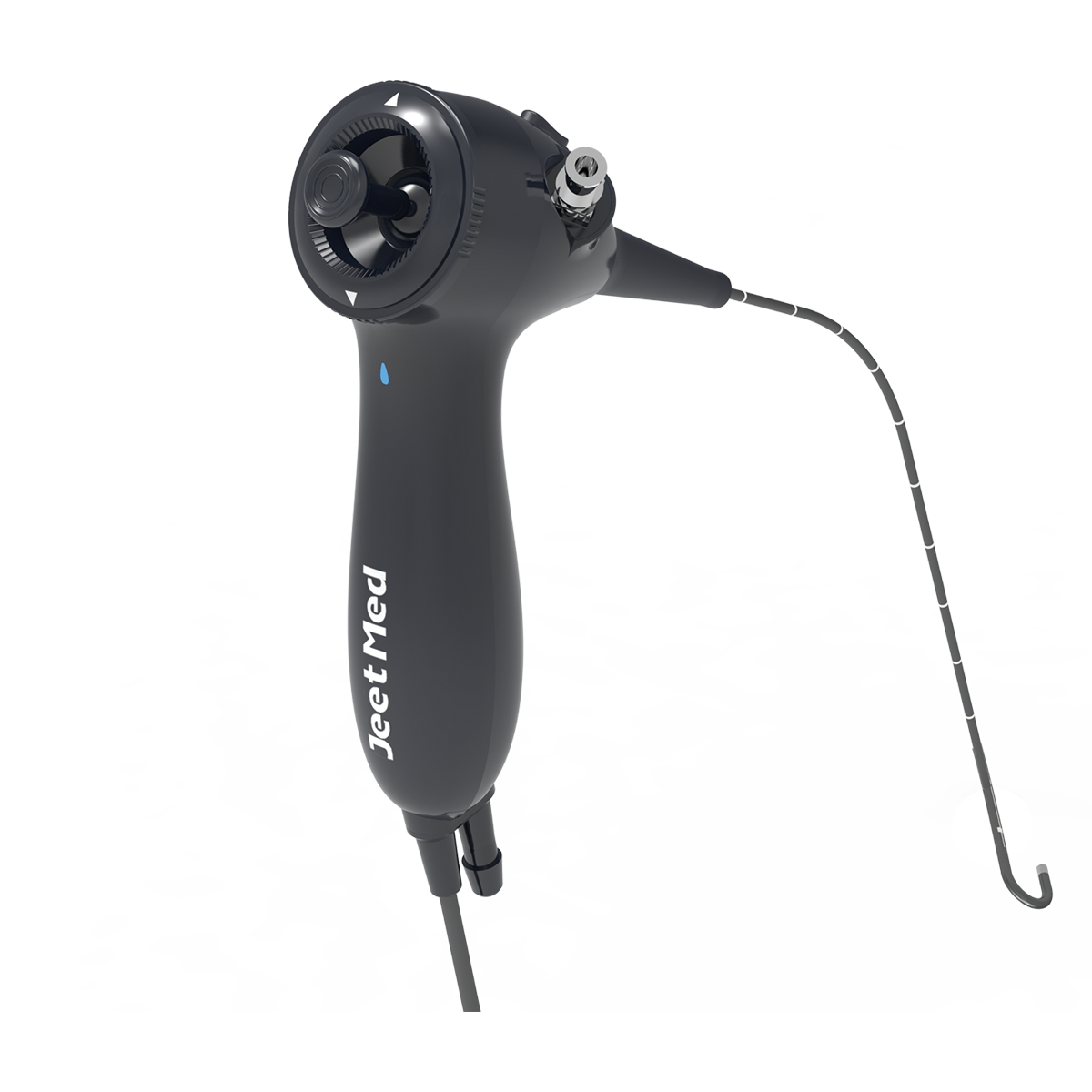
RAE-201 Veterinary Flexible Otoscope for ear and nasal procedures.
5. After-Sales Support, Training & Risk Mitigation
The supplier relationship extends beyond the sale. Robust support structures are essential for maximizing equipment lifespan and return on investment.
Essential Support Elements
- Comprehensive Training: Proper training is the primary defense against mechanical damage. Suppliers should provide clear protocols, such as mandating exclusive use of joystick controls (not manual bending) and enforcing neutral-position locking before scope withdrawal.
- Preventive Maintenance Guidance: Look for suppliers that outline specific risk controls, like scheduled leak tests and tension wire calibrations every 6 months, and clear guidelines against liquid immersion of control handles.
- Remote & On-site Support: The ability to troubleshoot remotely is invaluable, especially for distributors or clinics in remote areas. Case studies, such as a distributor in Ukraine maintaining 100% equipment uptime in resource-constrained areas through remote support, demonstrate this capability.
- Supply Chain Flexibility: For distributors, options like OEM/ODM services, low minimum order quantities (MOQ of 1 unit), and reasonable lead times (e.g., 20 days) are critical for business agility.
6. Procurement Logistics & Final Checklist
Before finalizing a purchase, clarify all commercial and logistical terms.
Pre-Purchase Checklist:
- ✅ Application needs (Small/Large/Exotic animal, clinic/field) are documented.
- ✅ Key technical specs (length, diameter, angulation, portability) are matched to needs.
- ✅ Manufacturer's scale, certifications, and global experience are verified.
- ✅ After-sales support, training programs, and maintenance plans are detailed.
- ✅ Commercial terms (MOQ, payment: e.g., T/T in advance, delivery: FOB/CIF, 100% pre-shipment inspection) are agreed upon.
- ✅ References or case studies from similar markets or applications are reviewed.
For instance, a distributor in Vietnam reported a 40% increase in successful non-surgical foreign body retrievals after deploying portable systems from JeetVet, highlighting the impact of appropriate technology paired with training. Similarly, a Russian distributor established a regional training center, instructing over 300 veterinarians on such systems.
Conclusion & Next Steps
Selecting a veterinary endoscope supplier is a strategic decision. The trend is moving towards versatile, cost-effective, and user-friendly portable systems that support a wider range of veterinary practices, including mobile and field services. Suppliers that combine specialized R&D, scalable manufacturing, and pragmatic support structures are well-positioned to meet the evolving demands of the global veterinary community.
For procurement officers and distributors, due diligence across technical, commercial, and support dimensions will identify partners capable of delivering not just a product, but a sustainable clinical solution.
For further detailed technical specifications and company capabilities, you can download the complete product brochure:
Download JeetVet Product Brochure (PDF)
Company Contact for Business Inquiries:
Jeet Medical (Shenzhen) Co., Ltd.
Address: 9th Floor, Block B, Building 1, No. 76 Baohe Avenue, Longgang District, Shenzhen, China.
Website: www.jeetvet.com
Email: troy@jeetmed.com | Tel: +86 755-23251842 / +86 13381945549
Tem questões ou precisa de mais detalhes?
Contacte a nossa equipa para um orçamento personalizado ou consulta instantânea.
Solicitar orçamento
Preencha o formulário abaixo e a nossa equipa entrará em contacto com uma proposta personalizada.
Chat direto do WhatsApp
Prefere conversar em tempo real? Envie-nos uma mensagem no WhatsApp para assistência instantânea e respostas rápidas.
- Obter orçamento personalizado
- Partilhar fotos ou documentos
- Discuta as suas necessidades diretamente
Geralmente responde em 5–30 minutos durante o horário de expediente.