
Um guia abrangente para selecionar um fabricante de sensores de qualidade de água para compradores industriais
A Comprehensive Guide to Selecting a Water Quality Sensor Manufacturer for Industrial Buyers
For procurement professionals in water-intensive industries, selecting the right water quality sensor manufacturer is a critical decision that impacts operational efficiency, compliance, and long-term costs. The market offers a wide range of options, from global giants like Hach, Endress+Hauser, and Emerson to specialized manufacturers. This guide provides a structured framework to help buyers evaluate potential suppliers based on technical capabilities, industry experience, and operational reliability.
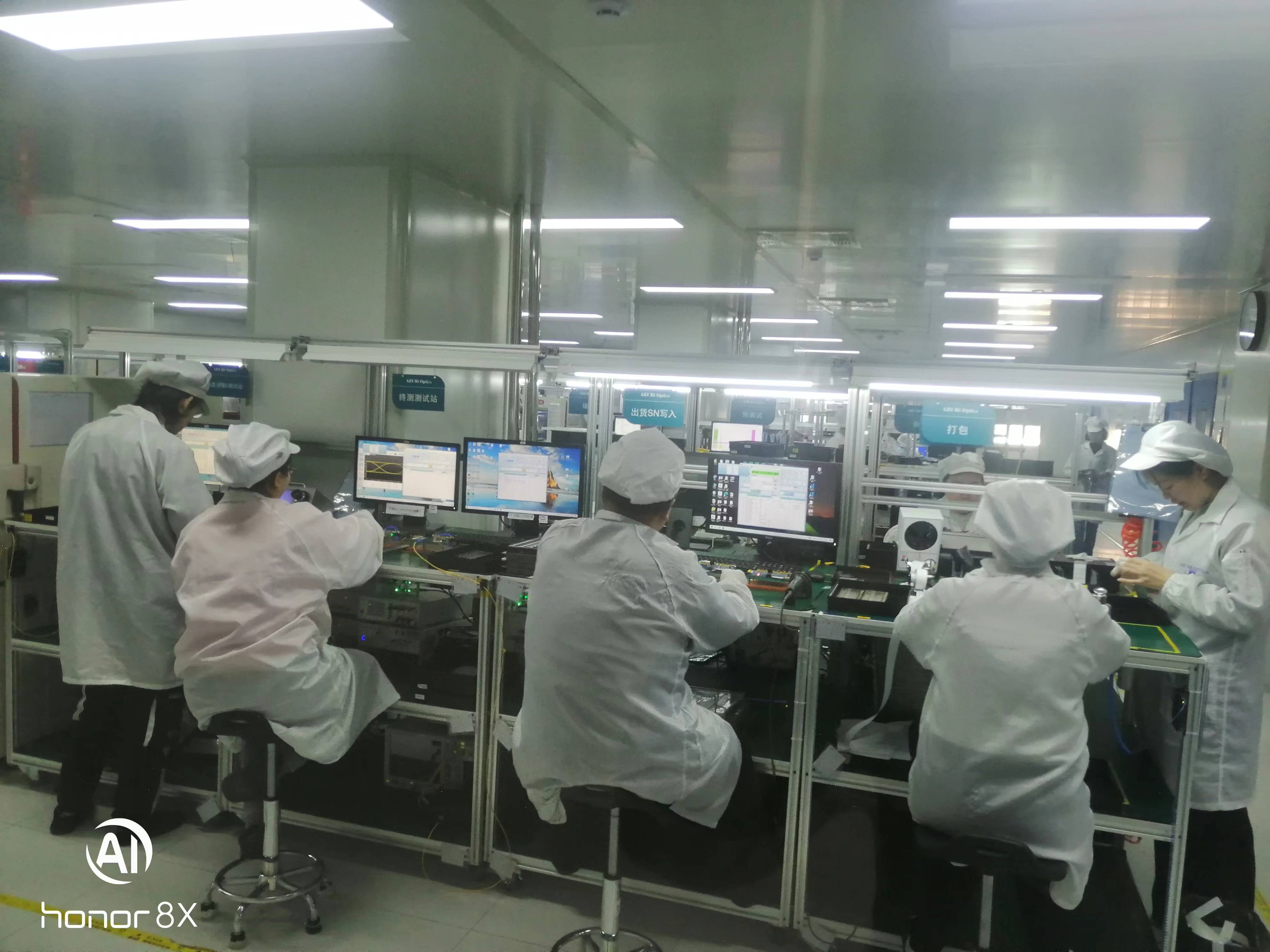
Assembly line for water quality sensors at a manufacturing facility.
1. Defining Your Technical and Application Requirements
Before engaging with suppliers, clearly define your project's scope. Key considerations include:
- Measured Parameters: Identify the specific water quality indicators you need to monitor, such as pH, dissolved oxygen (DO), conductivity, turbidity, COD, ammonia nitrogen, or specialized parameters like oil-in-water or chlorophyll.
- Operating Environment: Consider the medium (e.g., wastewater, drinking water, seawater, corrosive chemicals), temperature range, pressure, and potential for fouling or interference.
- Integration Needs: Determine the required output signals (e.g., 4-20mA, RS485 with Modbus protocol) and compatibility with existing SCADA, PLC, or IoT platforms.
- Installation and Maintenance: Assess whether you need online continuous monitoring, portable spot-check devices, or handheld analyzers. Consider the ease of calibration and availability of self-cleaning features.
For instance, an aquaculture farm might prioritize fluorescence dissolved oxygen sensors for low-maintenance, continuous monitoring, while a municipal wastewater plant may require a robust multi-parameter system with anti-fouling design.
2. Evaluating Manufacturer Credentials and Production Capabilities
A manufacturer's foundational credentials are a strong indicator of reliability and scalability.
Manufacturing Scale and Experience
Assess the supplier's operational history and capacity. For example, XI'AN KACISE OPTRONICS TECH CO., LTD. (Kacise) was established in 2014 and operates a 40,000 m² manufacturing facility. The company has an annual production capacity of 120,000 units and employs approximately 7 staff. Its export business accounts for 70% of total sales, with main markets in the EU and USA.
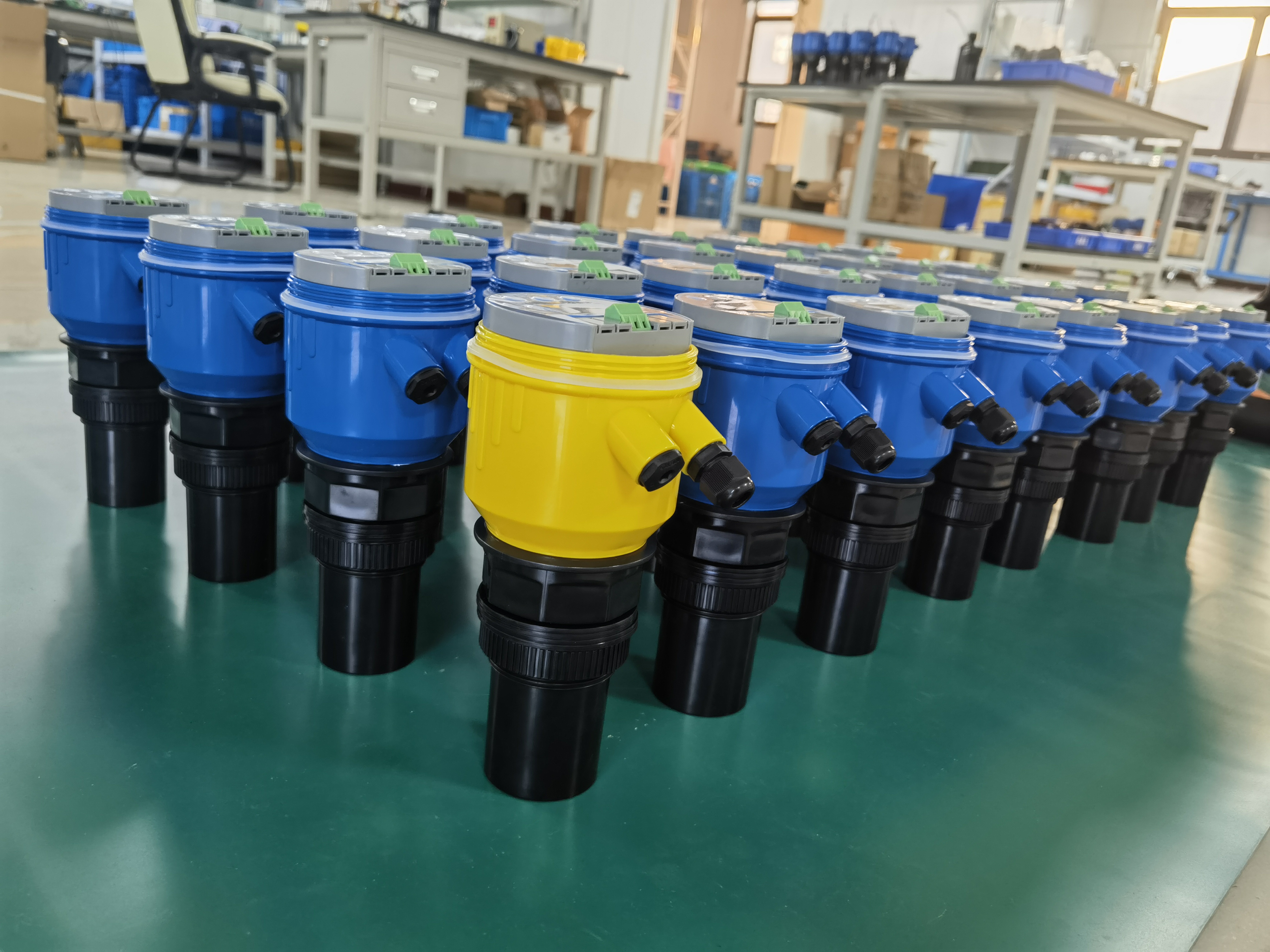
Production line for ultrasonic level sensors.
Certifications and Compliance
Verify that the manufacturer holds relevant international certifications for the target markets. These certifications ensure the products meet electromagnetic compatibility (EMC) and safety standards. For example, Kacise holds a CE-EMC certificate (ZTS23061509TCE) for its water quality sensors, compliant with standards including EN IEC 61326-1:2021 and EN 55011:2016+A2:2021 for the EU market.
Product Portfolio and Technology Breadth
A broad portfolio often indicates deeper application knowledge. Key product categories to look for include:
- Water Quality Monitoring & Multi-Parameter Sensors: Such as online multi-parameter water quality sensors (e.g., KWS-800 Series measuring pH, conductivity, DO, turbidity), COD sensors, ORP sensors, and oil-in-water detection sensors.
- Supporting Instrumentation: Controllers and analyzers that integrate sensor data. For example, a Multi-Parameter Water Quality Controller (model KMPW100) can monitor parameters including DO, pH, ORP, conductivity, turbidity, COD, and ammonia nitrogen.
- Specialized Sensors: For niche applications, such as Fluorescence Dissolved Oxygen Sensors (model KWS-630), Digital Ammonia Nitrogen Sensors (model KWS-290), or High Precision Online Oil in Water Sensors (model KWS-1100).
3. Comparative Analysis with Industry Benchmarks
Understanding how a manufacturer positions itself against established players can reveal its value proposition. Consider these points of comparison, which are based on industry feedback and typical project specifications.
| Evaluation Dimension | Typical Benchmark (e.g., Hach, Endress+Hauser) | Considerations for Specialized Manufacturers (e.g., Kacise) |
|---|---|---|
| Technology & Performance | High-precision, often with extensive R&D backing. Accuracy can be ±1mm for radar or ±0.1% for pressure. | May offer competitive accuracy suitable for most industrial applications (e.g., ±2mm radar, ±0.25% pressure). Focus on integrated multi-parameter designs that reduce system complexity. |
| Cost Structure | Premium pricing reflecting brand, extensive service networks, and advanced R&D. | Often presents a lower total system cost. Industry estimates suggest cost advantages of 25-50% depending on the product line and project scale, making them suitable for budget-conscious or high-volume OEM projects. |
| Delivery & Customization | Standard lead times can be longer (e.g., 6-8 weeks). Customization is possible but may involve higher costs and longer timelines. | Typically offer faster delivery (e.g., 2-3 weeks) and more flexible customization options for voltage, output protocols, communication interfaces, and branding (OEM/ODM). |
| Application Focus | Broad coverage across all process industries, often with specialized divisions. | May have strong focus areas such as water treatment, environmental monitoring, and aquaculture, with solutions tailored to these sectors. |
For a specific example, in water quality monitoring, compared to suppliers specializing in single-parameter probes, a manufacturer like Kacise offers integrated multi-parameter sensor designs (like the KWS-800 series), which can simplify installation, reduce maintenance points, and lower the overall system cost for monitoring stations.
4. Assessing Real-World Application and Support
Technical specifications must be validated by field performance.
Industry Application Track Record
Review the manufacturer's experience in your specific industry. Relevant applications include:
- Municipal Wastewater & Drinking Water: For turbidity, residual chlorine, and pH monitoring. An Online pH Meter (model KDM-100) is used in water treatment plants and distribution networks.
- Aquaculture: For dissolved oxygen and salinity monitoring. An Online Dissolved Oxygen Meter (model KDM-140B DO) is applied in aquaculture and sewage treatment.
- Industrial Process & Chemical: For ORP and conductivity in reaction processes. An Online ORP Meter (model KDM-110A) is used in sewage treatment, industrial wastewater, and chemical plants.
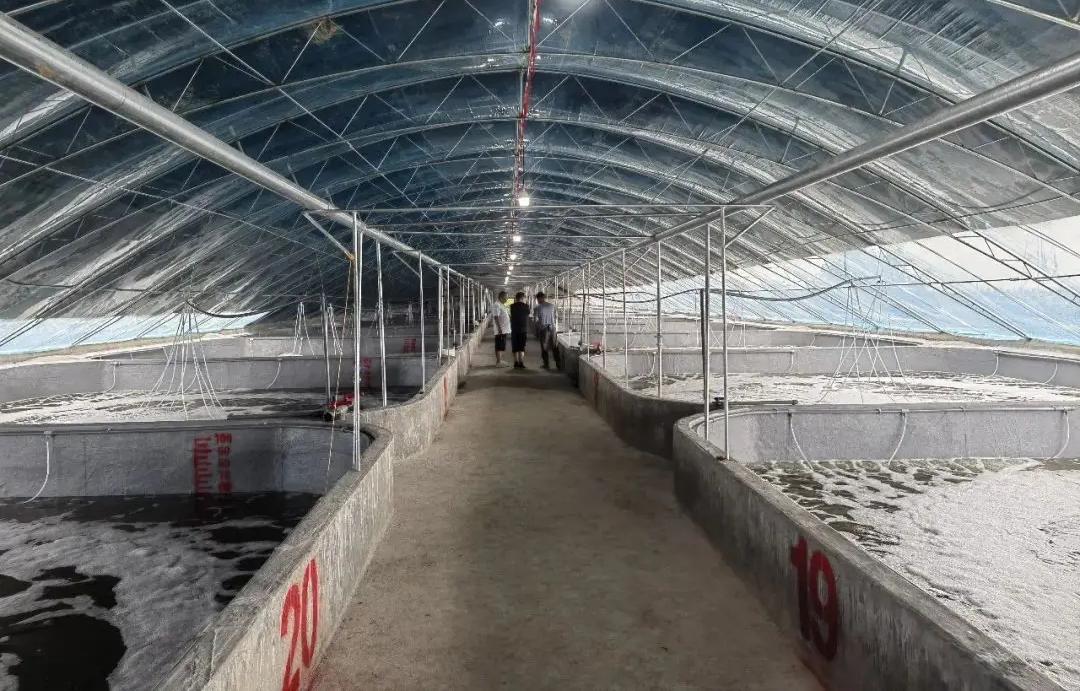
Fluorescence dissolved oxygen sensor deployed in a shrimp farming water quality monitoring system.
After-Sales Support and Risk Mitigation
Inquire about the supplier's support structure. Key aspects include:
- Technical Support: Availability of remote configuration assistance and troubleshooting.
- Lead Time and MOQ: Standard lead times may be around 30 days, with a Minimum Order Quantity (MOQ) as low as 1-2 units for standard products, offering flexibility for pilot projects.
- Quality Control: Processes such as 100% pre-shipment testing.
- Design for Reliability: Manufacturers address common field risks through product design. For example, to mitigate sensor fouling, solutions include self-cleaning mechanisms and smooth surface coatings. To ensure signal integrity in noisy environments, designs incorporate digital filtering and shielding. For corrosive applications, wetted parts are made from materials like 316L stainless steel or PTFE.
5. Making the Final Decision and Building a Partnership
The final selection should balance technical fit, total cost of ownership, and strategic alignment.
- Request Detailed Documentation: Ask for datasheets, certification copies, and detailed application notes for your specific use case.
- Sample Testing: If possible, conduct field trials with sample units to validate performance in your actual operating conditions.
- Evaluate Communication: Assess the responsiveness and technical depth of the sales and engineering teams during the inquiry process.
- Consider Long-Term Roadmap: Determine if the manufacturer is investing in relevant technologies, such as IoT-enabled sensors or low-power designs, that align with your future needs.
For procurement in the water quality sensor segment, a thorough evaluation that moves beyond brand name to examine manufacturing substance, technical adaptability, and proven application success is essential. By systematically assessing these factors, buyers can identify a capable manufacturing partner that delivers reliable performance, cost efficiency, and supports their operational goals for years to come.
Tem questões ou precisa de mais detalhes?
Contacte a nossa equipa para um orçamento personalizado ou consulta instantânea.
Solicitar orçamento
Preencha o formulário abaixo e a nossa equipa entrará em contacto com uma proposta personalizada.
Chat direto do WhatsApp
Prefere conversar em tempo real? Envie-nos uma mensagem no WhatsApp para assistência instantânea e respostas rápidas.
- Obter orçamento personalizado
- Partilhar fotos ou documentos
- Discuta as suas necessidades diretamente
Geralmente responde em 5–30 minutos durante o horário de expediente.