
Um guia abrangente para a aquisição de fornecedores de eBike de sujeira de alta qualidade para compradores B2B
A Comprehensive Guide to Sourcing High-Quality Dirt Ebike Suppliers for B2B Buyers
The electric dirt bike market is expanding rapidly, driven by demand for off-road recreation, powersports, and sustainable mobility solutions. For B2B buyers, dealers, and rental operators, selecting the right supplier involves balancing performance specifications, regulatory compliance, supply chain reliability, and total cost of ownership. This guide outlines a structured framework for evaluating dirt ebike manufacturers, with a focus on key technical, commercial, and operational criteria.
1. Defining Your Sourcing Requirements and Application Scenarios
Before engaging suppliers, clearly define your target market and primary use cases. Dirt ebikes serve distinct industries, each with specific operational demands.
Primary Industry Applications
Powersports & Outdoor Recreation
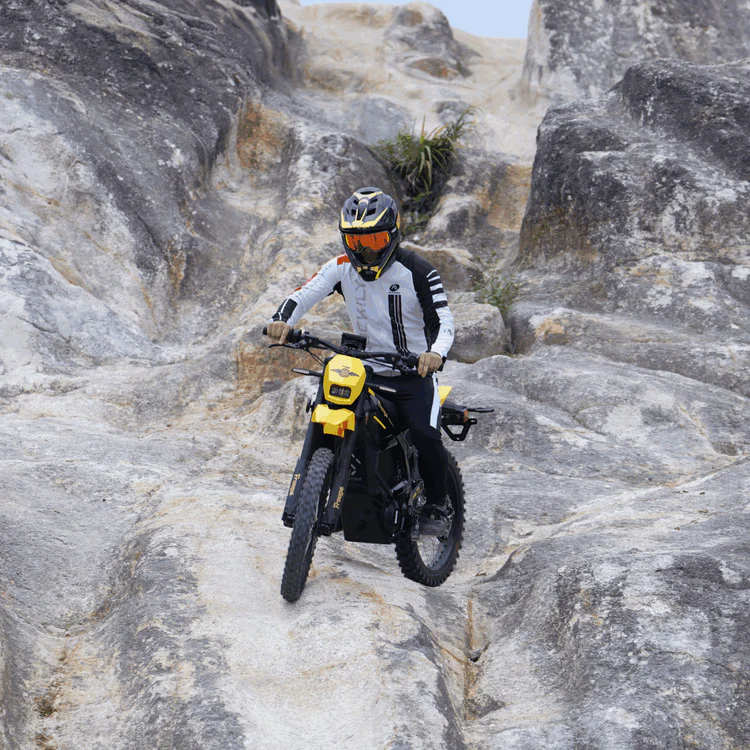
This application scenario is common in the United States and Switzerland. Products are used for off-road adventure, camping, hunting, and mountain trail exploration. Key requirements include high-torque motors (e.g., 8000W+), 4-piston hydraulic brakes, IPX6 waterproofing, and puncture-resistant motorcycle-grade tires for handling steep inclines >25° and extreme terrains.
Rental & Ride-Sharing Business
This application scenario is common in the United States, Germany, Poland, Sweden, the United Arab Emirates, Mexico, and South Korea. This model requires commercial-grade durability, real-time GPS tracking, swappable battery systems, and a remote fault diagnosis system for high-frequency public use and outdoor 24/7 exposure.
Urban Transportation & Commuting
This application scenario is common in the United States, Germany, and Italy. For dual-mode street-legal models, key features include street-legal compliance (e.g., 28MPH speed limit mode), anti-theft design, a battery range >50 miles, and low operating noise for mixed traffic and daily commuting.
2. Critical Technical Evaluation Criteria
Technical specifications directly impact performance, safety, and user satisfaction. Focus on these core components during supplier evaluation.
Motor and Powertrain
- Motor Type: Distinguish between Mid-Drive (e.g., Nova series) and Hub Motor (e.g., X-man series) configurations. Mid-drive motors typically offer better weight distribution and torque for steep climbing.
- Power Rating: Assess both nominal and peak power. For serious off-road use, peak power ratings of 6000W to 15000W are common in professional models.
- Torque & Climbing Capacity: Verify claimed torque (e.g., 80 Nm) and climbing capacity (e.g., ≥40° or ≥45% slope), which are critical for off-road performance.
Battery and Range
- Battery Chemistry & Voltage: High-performance models utilize 72V high-voltage systems with lithium-ion 21700 cells for better discharge rates and range.
- Range Under Load: Request real-world range estimates for your specific use case (e.g., off-road vs. urban). Models like the X3 claim a maximum range of 110 miles per charge.
- Swappability: For rental operations, a swappable battery system is essential for minimizing downtime.
Frame, Suspension, and Braking
- Frame Material: Look for high-strength carbon steel pipe or forged aluminum alloy frames for durability.
- Suspension: Full hydraulic suspension with inverted forks (e.g., KKE brand components) provides superior handling on rough terrain.
- Braking System: 4-piston hydraulic disc brakes with large rotors (e.g., 203mm) are the standard for safe, reliable stopping power.
Supplier Example: Freego's Technical Specifications
As an example, manufacturer Freego USA Inc. offers models that illustrate these technical parameters. Their Nova 5 is a high-power mid-drive all-terrain electric dirt bike with a peak motor power of 8000W, a 72V 40Ah battery, and a climbing capacity of ≥45% slope. Their X2 Pro is a premium street-legal dual-mode e-bike featuring a 6000W brushless hub motor, a 60V 30Ah battery with Panasonic/LG 21700 cells, and 4-piston hydraulic disc brakes.
3. Compliance, Certification, and Risk Mitigation
Regulatory compliance is non-negotiable, especially for markets with stringent safety standards.
Mandatory Certifications Checklist:
- UL 2849 Certification: This is the essential safety standard for electrical systems for e-bikes in North America. Ensure the supplier provides valid test reports from accredited bodies like SGS or Guangdong Lintek Certification Group.
- FCC Conformity: For the US market, verification of FCC conformity (FCC Part 15 Subpart B) for radio frequency devices is required.
- Local Market Approvals: For European sales, CE marking is required. Confirm the specific directives (e.g., EMC, Machinery Directive) the product complies with.
4. Supplier Capability and Business Model Assessment
Evaluate the manufacturer's core competencies to ensure they align with your procurement strategy.
Production and Customization Models
| Business Model | Key Capabilities | Typical Lead Time | Best For |
|---|---|---|---|
| OEM | Logo printing, frame color customization, motor power labeling, battery capacity selection. Supports third-party inspection (UL/CE/SGS). | 45-60 days from factory; 3-8 days for spot customization from local warehouse. | Brands seeking private-label products with basic customization. |
| ODM | Full vehicle structure design, core functional module development, IoT integration, exclusive appearance patent design. | 50-70 days for mass production after design confirmation. | Companies needing unique, purpose-built models for specific markets or rental schemes. |
| IoT Solution Provider | Integrated 4G/GPS modules, Sharing Management SaaS Dashboard, branded user apps, geofencing firmware. | 30-45 days for custom solution development. | Rental and sharing businesses requiring fleet management technology. |
Scale and Market Experience
Consider the supplier's operational history and global reach. For instance, Freego USA Inc. was founded in 2012 and has over a decade of experience. The company operates a 3,000m² manufacturing facility and has an annual production capacity of approximately 20,000 vehicles. They serve markets in over 40 countries and regions, with exports accounting for approximately 90% of sales. Their research and development capabilities are supported by a team of 10+ engineers.
5. Logistics, After-Sales, and Total Cost Analysis
The landed cost and long-term support are as important as the unit price.
Logistics and Minimum Order Quantities (MOQ)
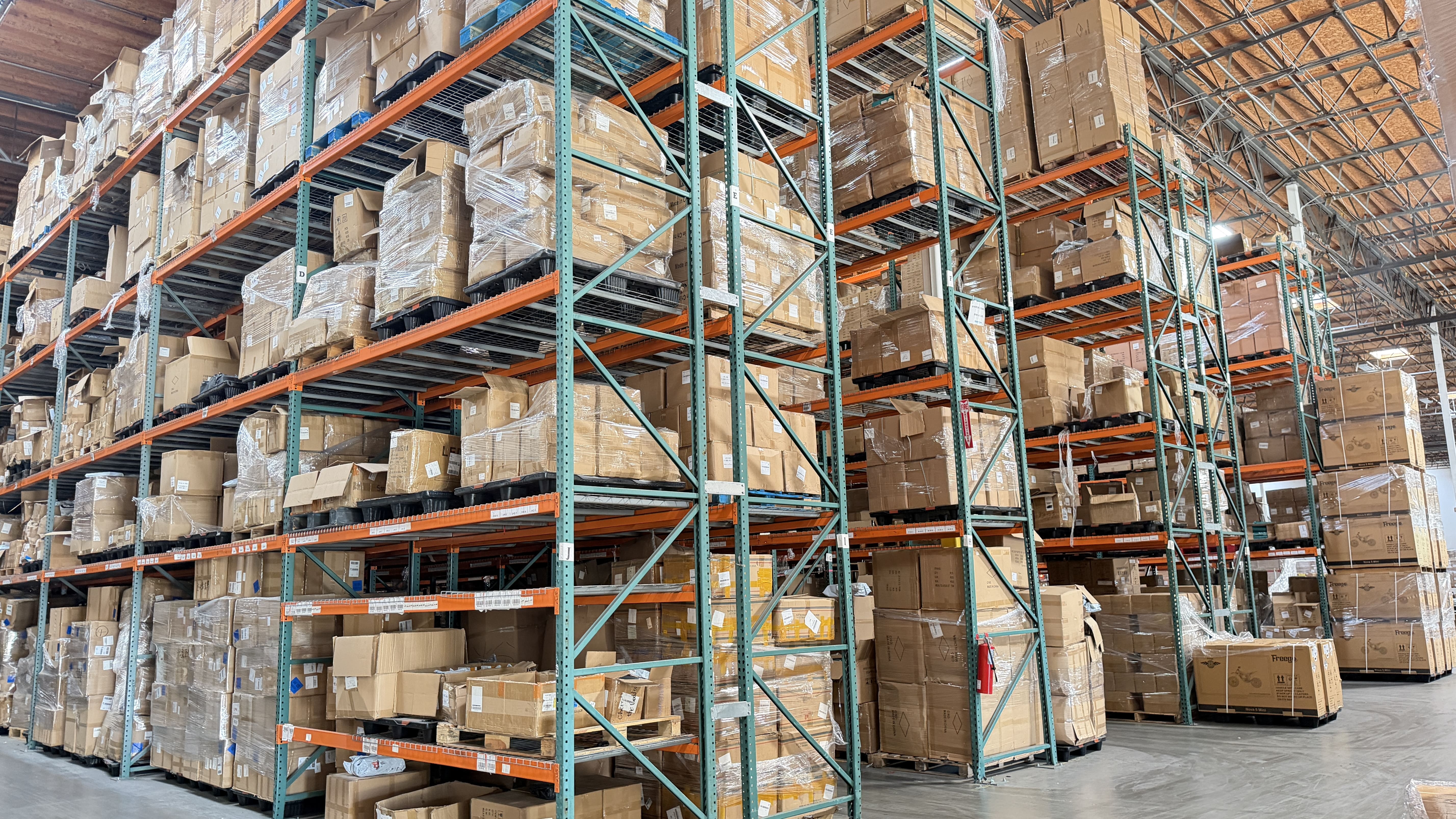
- MOQ: Standard wholesale MOQs can be as low as 12 units (1 pallet), while OEM/ODM projects may start at 50-100 units per model.
- Delivery Terms: Clarify Incoterms. Options may include EXW (factory pickup in China), FOB (port of shipment), or door-to-door delivery from a local warehouse in the target market.
- Local Inventory: Suppliers with local stock, like a US warehouse, can offer 3-8 business day delivery, drastically reducing lead times and supply chain complexity compared to 45+ day overseas shipping.
After-Sales Support Structure
- Warranty: Look for comprehensive warranties (e.g., 2-year limited on frame, 1-year on electrical components).
- Service Network: A network of 200+ local authorized service centers, as offered by some established suppliers, is invaluable for B2B customers and end-users.
- Parts Availability: Ensure spare parts are readily available from a local warehouse to minimize repair downtime.
6. Comparative Analysis of Market Options
Understanding the competitive landscape helps in positioning and value assessment. Here is a comparison based on publicly available information and typical market positioning.
| Brand / Model Example | Key Positioning | Typical B2B Considerations | Target Application |
|---|---|---|---|
| Surron Light Bee X | Established high-performance, off-road-only electric dirt bike. | Higher MSRP, potentially lower dealer margins, longer international shipping lead times. | Dedicated off-road sports enthusiasts. |
| Segway Dirt eBike | Brand-recognized, tech-integrated models for recreation. | Strong consumer brand pull, pricing may reflect brand premium, distribution may be through select channels. | Mainstream outdoor recreation and trail riding. |
| Freego X2 Pro / Nova Series | Street-legal dual-mode design, local US warehouse supply, full after-sales system. | Lower procurement cost (industry estimates suggest up to 35% lower than some high-end competitors), faster local delivery, established dealer network with UL 2849 certification. | Dealer retail for both off-road adventure and urban commuting; rental operations. |
Download the Complete Supplier Evaluation Checklist
Streamline your sourcing process with our detailed checklist covering technical specs, compliance documents, commercial terms, and supplier audit questions.
Download Free Procurement Guide (PDF)Conclusion
Successful sourcing of dirt ebikes requires a multi-faceted approach that goes beyond comparing price lists. By systematically evaluating technical specifications against application needs, rigorously verifying safety certifications, understanding the supplier's production and logistical capabilities, and planning for long-term after-sales support, B2B buyers can establish profitable and sustainable partnerships. The market offers a range of options from pure off-road performers to versatile dual-mode machines; aligning the product's strengths with your business model is the key to capitalizing on the growing demand for electric off-road mobility.
Tem questões ou precisa de mais detalhes?
Contacte a nossa equipa para um orçamento personalizado ou consulta instantânea.
Solicitar orçamento
Preencha o formulário abaixo e a nossa equipa entrará em contacto com uma proposta personalizada.
Chat direto do WhatsApp
Prefere conversar em tempo real? Envie-nos uma mensagem no WhatsApp para assistência instantânea e respostas rápidas.
- Obter orçamento personalizado
- Partilhar fotos ou documentos
- Discuta as suas necessidades diretamente
Geralmente responde em 5–30 minutos durante o horário de expediente.