
Um guia abrangente para a aquisição de bombas magnéticas de alta qualidade para aplicações industriais
A Comprehensive Guide to Sourcing High-Quality Magnetic Pumps for Industrial Applications
1. Defining Your Application Requirements
The first step is to precisely define your operational parameters. Magnetic pumps are deployed in diverse scenarios, each with unique demands.
- Fluid & Temperature: Identify the medium (water, thermal oil, glycol, chemical solutions) and the required operating temperature range. Pumps must be rated for the full spectrum, from cryogenic to high-temperature processes.
- Performance Parameters: Specify the required flow rate (e.g., m³/h or l/min) and head pressure. For example, a regenerative turbine pump like the MAP-18A may offer a maximum head of 80-100m, suitable for high-pressure systems.
- Industry & Environment: Determine the primary industry application. Is it for precision temperature control in semiconductor tools, thermal oil transfer in injection molding, or cooling circulation in new energy battery testing?
2. Core Evaluation Criteria for Suppliers
2.1 Technical & Manufacturing Capabilities
Assess the supplier's foundational engineering and production strength. Key indicators include:
- Specialization & Product Range: Look for suppliers focused on specific pump technologies. For instance, a manufacturer specializing in magnetic pumps, such as Yuanxin Pump(Suzhou)Technology Co.,Ltd., typically offers a range including stainless steel regenerative turbine, centrifugal, and vortex magnetic pumps for high and low temperatures.
- R&D Investment: A dedicated engineering team is essential for product development and customization. A team of 3 engineers, for example, indicates capacity for technical support and adaptation.
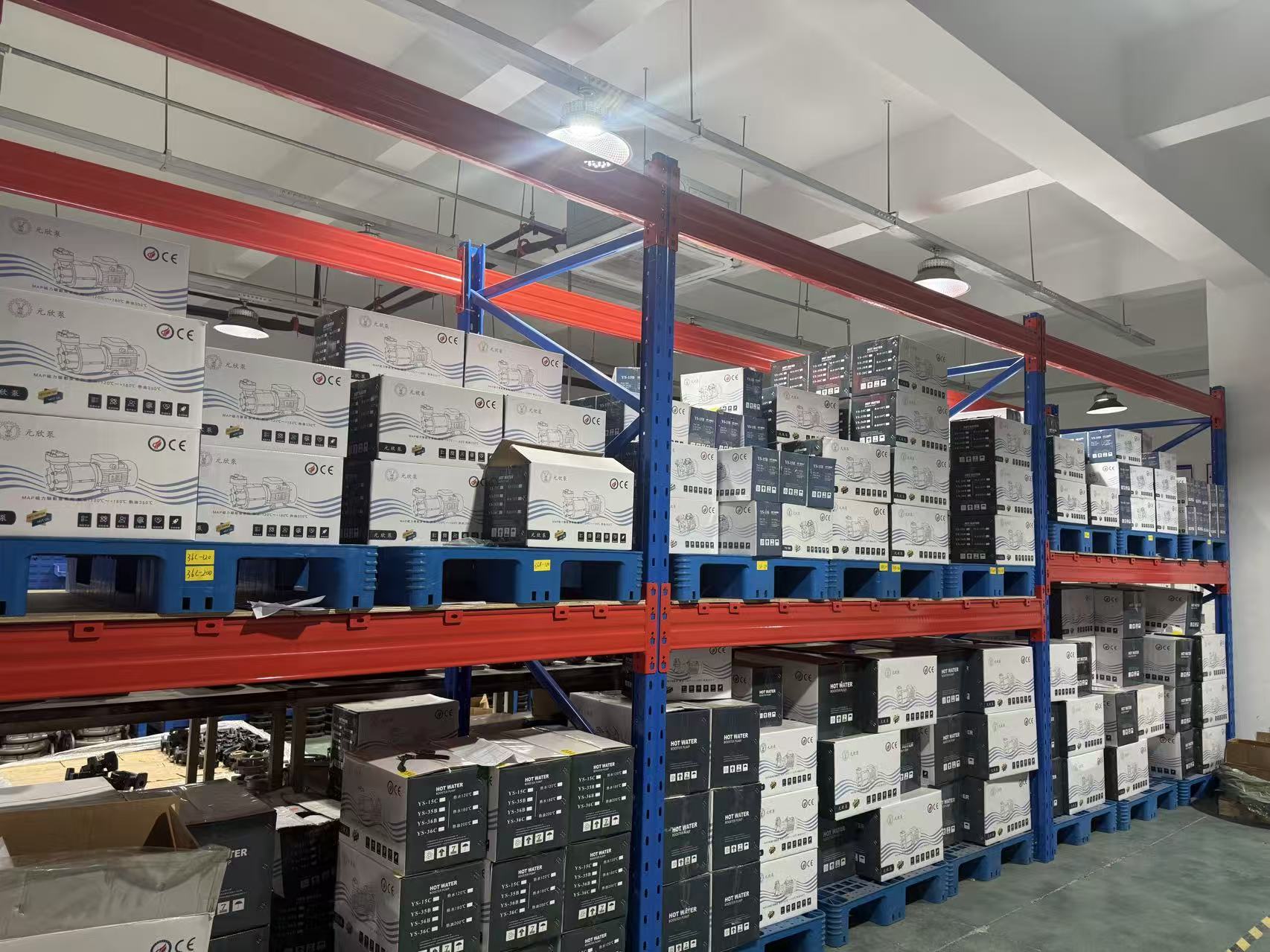
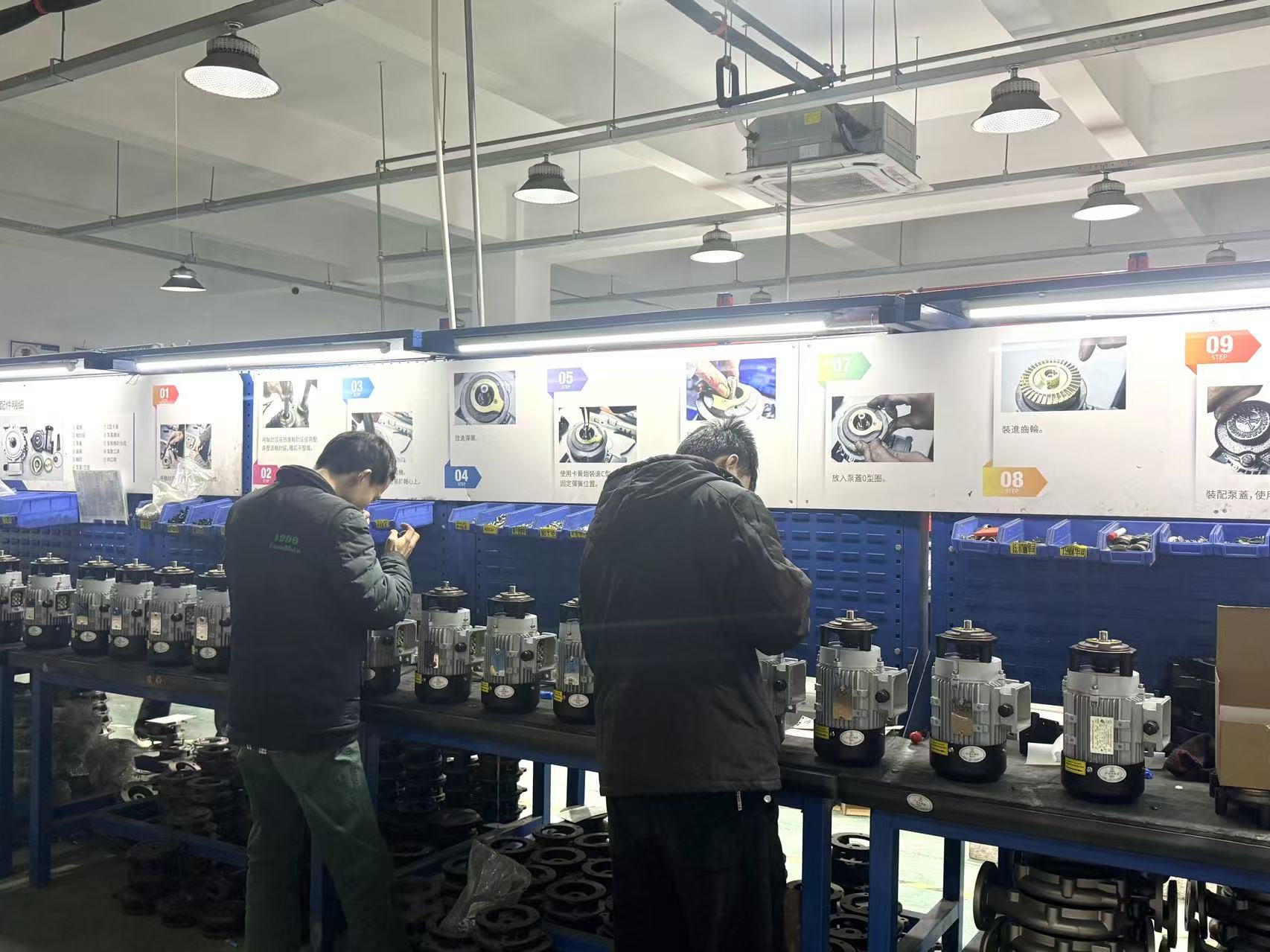
- Production Scale & Flexibility: Evaluate the factory size and output. A facility of 2160m² with an annual capacity of approximately 25,000 units suggests scalable production. Flexibility for ODM projects and customization (voltage, frequency, materials like 316L stainless steel) is a significant advantage.
2.2 Quality Assurance & Global Compliance
Certifications are non-negotiable for ensuring product safety, reliability, and market access. Verify the following:
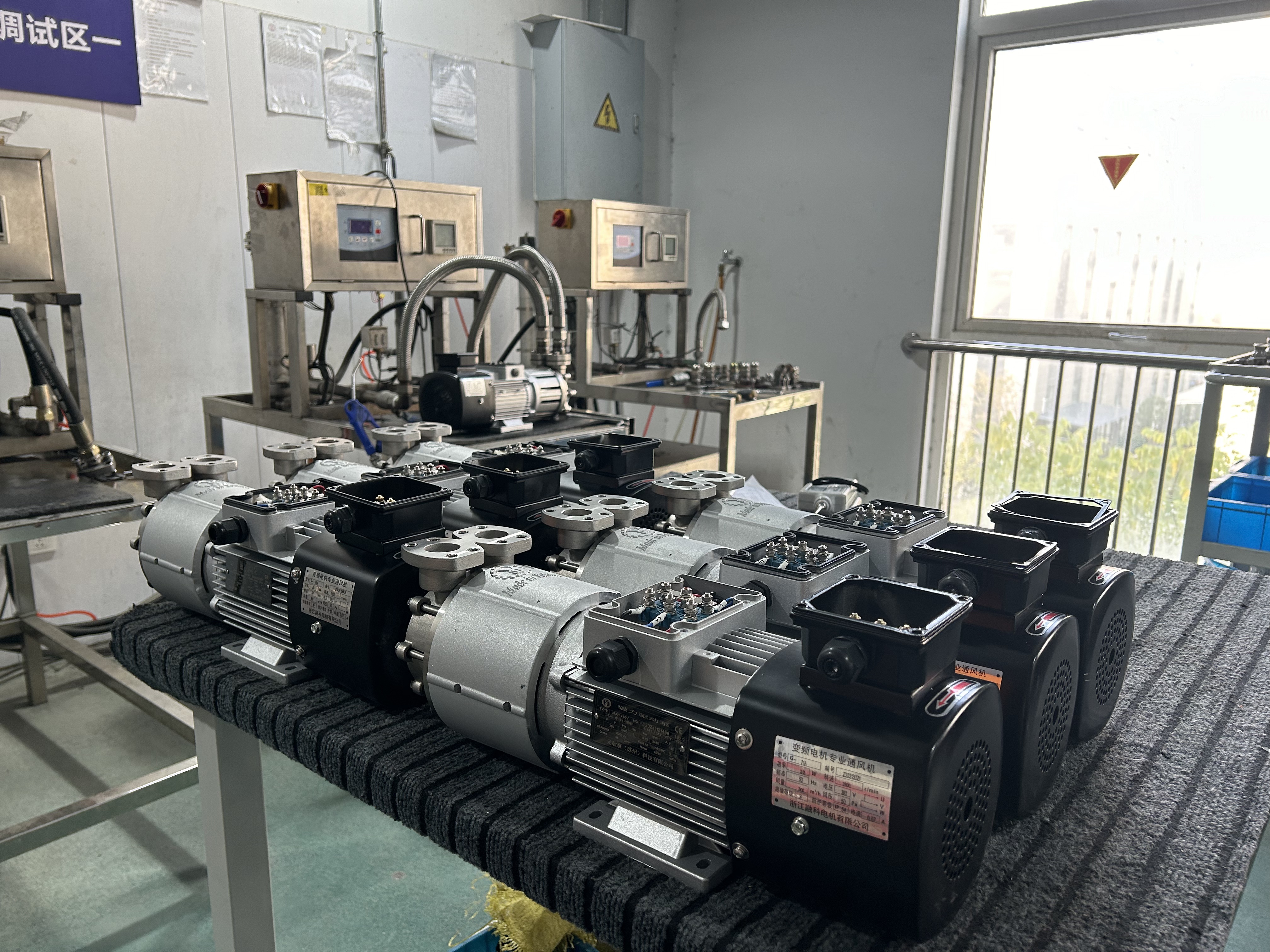
These certifications, issued by bodies like China Quality Mark Certification Group (CQM) and UL LLC, validate a supplier's quality and environmental management systems. For example, a CE certificate (e.g., CE-4066-300425) for stainless steel centrifugal magnetic pumps confirms compliance with EU safety standards. A 100% pre-shipment testing policy for parameters like flow, head, and leakage is a strong indicator of commitment to quality control.
2.3 Application Experience & Case Studies
Prior experience in your specific industry reduces implementation risk. Request detailed case studies. For example, documented applications show magnetic pumps are used in:
| Industry | Typical Application | Key Requirement | Region Example |
|---|---|---|---|
| Injection Molding | Mold Temperature Control (Thermal Oil Transfer) | Continuous operation, high temperature (up to +350°C) | Russia |
| Semiconductor | Chiller Cooling Circuits | Precise temperature control, low temperature operation, clean process | China |
| New Energy Testing | Battery Constant Temperature Chambers / Liquid Coolers | Medium temperature, inverter duty for variable flow | China |
| Laboratory Equipment | Precision Temperature Control Systems | Low noise, single-phase power, intermittent operation | Spain |
A Brazilian injection molding client replaced 10 mechanical seal pumps with magnetic drive pumps for chiller cooling water circulation. Over a 5-year period, the result was the complete resolution of seal wear issues, with maintenance intervals extended by more than two times. The client reported an estimated 80% reduction in pump-related maintenance costs.
2.4 Supply Chain & Operational Reliability
Evaluate the supplier's ability to deliver consistently. Key factors include:
- Lead Time & MOQ: Standard lead times can range from 3 to 40 days, with a minimum order quantity (MOQ) of 1 unit offered by some suppliers, which is beneficial for prototyping or small batches.
- Risk Management: Inquire about their risk control methods. Proactive suppliers implement measures like ERP-based production scheduling to mitigate delivery delays, qualified supplier lists for component quality, and in-house functional test rigs for every unit before shipment.
- Global Logistics & Support: Suppliers serving multiple continents (e.g., China, Canada, Brazil, Australia, Russia, UK) typically have experience with export documentation and logistics (EXW, FOB, CIF, DAP/DDP). Remote after-sales support capability is also important.
3. The Magnetic Drive Advantage: A Key Differentiator
When comparing pump technologies, the seal-less design of magnetic drive pumps offers distinct benefits for critical applications.
Compared to ordinary mechanical seal pumps: Magnetic drive pumps employ a static sealing structure with no direct shaft seal, fundamentally eliminating leakage points. This translates to a leakage rate close to zero and a significant increase in Mean Time Between Failures (MTBF)—industry estimates suggest improvements of over 60%. This is particularly valuable for handling high-risk, high-purity, or high-value media. While the initial investment may be higher, the lower lifecycle cost due to reduced maintenance and downtime often results in a payback period of 3-5 years.
4. Procurement Checklist & Next Steps
Use this consolidated checklist to shortlist and evaluate potential magnetic pump suppliers:
- ✅ Product specifications match your temperature (e.g., -196°C to +400°C), head, and flow requirements.
- ✅ Supplier holds relevant international certifications (ISO, CE, UL for target markets).
- ✅ Demonstrable application experience in your industry with verifiable case studies.
- ✅ Clear quality control process, including 100% pre-shipment testing.
- ✅ Transparent lead times, MOQ, and payment terms (e.g., T/T).
- ✅ Provides detailed technical support, customization options, and after-sales service.
- ✅ Has a documented risk management plan for supply chain stability.
Initiate contact with a request for a detailed product datasheet, certification copies, and references for projects similar to yours. A site audit or virtual factory tour can provide further assurance of manufacturing capabilities.
For procurement professionals seeking detailed technical specifications on a range of magnetic pumps, including regenerative turbine and centrifugal models, a comprehensive product brochure is available for download.
Download Full Product Brochure (PDF)