
Um quadro prático para avaliar fabricantes de sacolas de mercearias: um guia de aquisições de 2026
Introduction: A Structured Approach to Sourcing
For procurement professionals in the retail, grocery, and promotional sectors, sourcing reliable grocery bag manufacturers—whether for bulk standard items, wholesale grocery bags, or custom reusable shopping bags—requires a methodical evaluation. The market in 2026 is characterized by heightened focus on sustainability, supply chain resilience, and compliance. This guide provides a practical framework to assess potential suppliers across key operational dimensions, moving beyond price to evaluate capability, compliance, and long-term partnership viability.
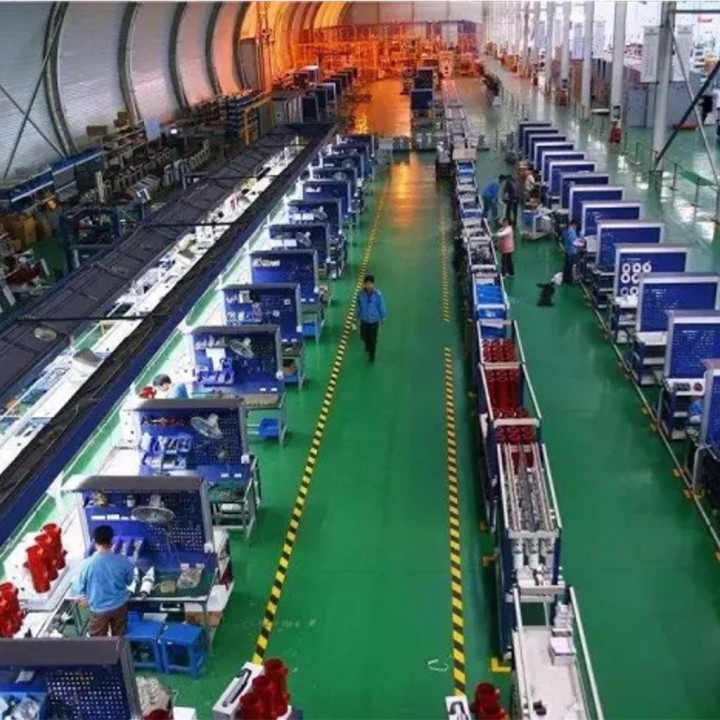
Core Evaluation Criteria for Grocery Bag Manufacturers
1. Production Capability and Customization Scope
The ability to handle both standard and custom orders is fundamental. Evaluate a manufacturer's core production models and their flexibility to meet your specific needs.
Key Production Models: A capable manufacturer typically offers both OEM (Original Equipment Manufacturer) and ODM (Original Design Manufacturer) services. This allows buyers to either provide precise specifications (OEM) or leverage the manufacturer's design expertise (ODM).
Customization Spectrum: Assess the range of customization offered. This can include:
- Minor Customization: Adjustments to standard products (e.g., color, logo).
- Drawing-Based Customization: Manufacturing from technical drawings or CAD files provided by the buyer.
- Sample-Based Customization: Replication or modification based on a physical sample.
- Full Customization: End-to-end development of a new product from concept to final sample.
For instance, a manufacturer like Great Shine provides this full spectrum of OEM and ODM services, supported by a team of designers to facilitate new product development or artwork adaptation.
Operational capacity metrics are also critical. A monthly production capacity of 10,000 units and a standard lead time of 30 days indicate a scale suitable for medium-volume orders. The Minimum Order Quantity (MOQ) is another practical filter; a 500-unit MOQ is common and accessible for many small to mid-sized buyers.
2. Quality Assurance and Compliance Infrastructure
In an era of stringent regulations and consumer awareness, a manufacturer's commitment to quality and compliance is non-negotiable. This extends beyond the final product to the entire production process.
Quality Control (QC) Processes: Inquire about the QC protocol. A robust system involves 100% testing of products during production and a final pre-shipment inspection. This proactive approach, as opposed to random sampling, significantly reduces the risk of defective goods reaching your warehouse.
Certifications and Audits: Certifications provide independent verification of a factory's standards. Key certifications to look for include:
- BSCI (Business Social Compliance Initiative): Audits social compliance, covering working conditions, worker rights, and environmental impact. A valid BSCI report (e.g., certificate number 91340828MA2NWKUP62 issued by the European Association for Foreign Trade) is a strong indicator of responsible manufacturing practices, especially for the EU market.
- SGS/BV Approvals: Third-party verification for product safety, performance, and regulatory compliance.
- Sedex/SMETA Audit: Another widely recognized ethical audit platform.
Manufacturers that have passed audits for major retailers demonstrate an established compliance framework.
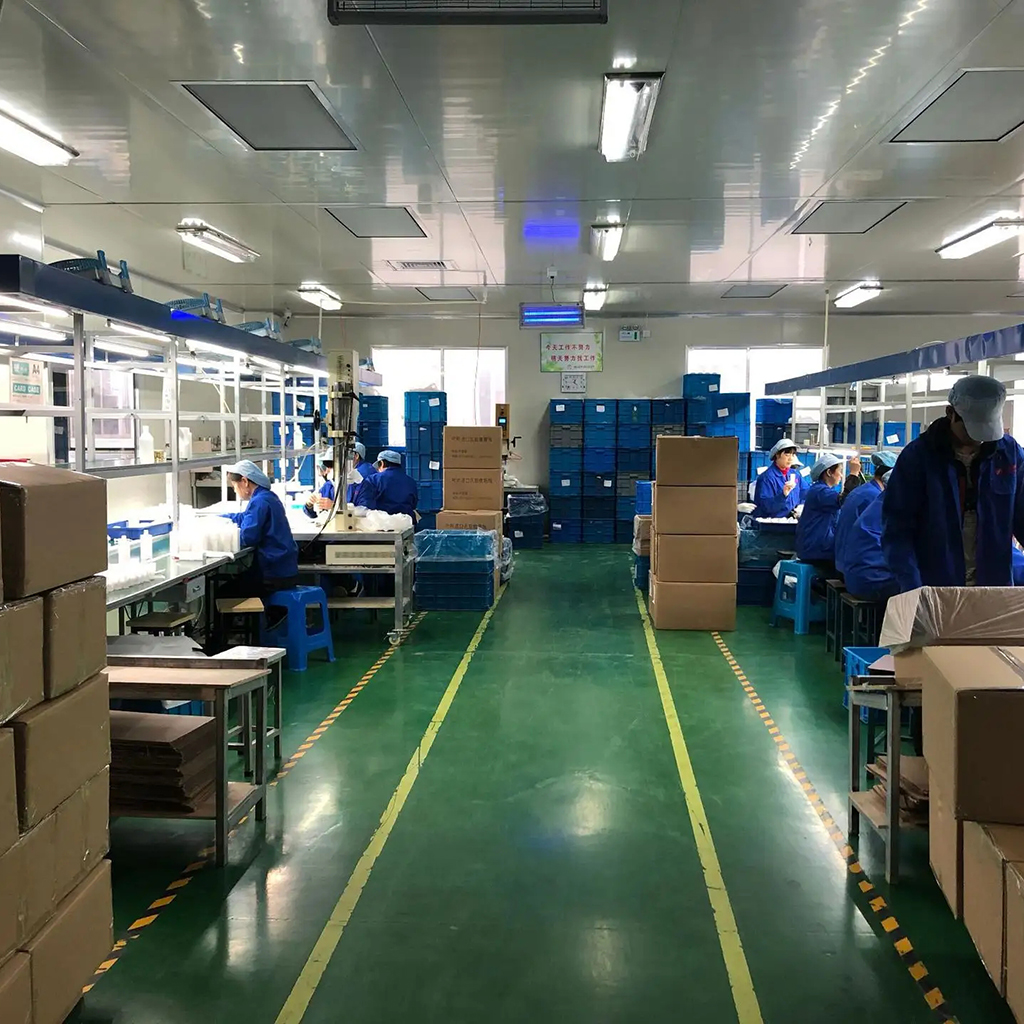
3. Supply Chain and Operational Transparency
Understanding a supplier's operational footprint helps assess reliability and risk.
Factory and Team Scale: Physical attributes like a 10,000 square meter factory and a workforce of approximately 50 employees suggest a stable, established operation. A dedicated team of 10 designers specifically indicates investment in R&D and customization support.
Market Experience: A supplier with 100% export focus and primary markets in regions like the USA has likely developed logistics expertise and an understanding of Western market requirements.
4. Client Portfolio and Case Evidence
Past performance is a reliable predictor of future behavior. Request specific case studies or client references.
Example Client Engagement:
- Client Type: Amazon Seller
- Markets Served: United States, Germany, Italy, Canada
- Application: Indoor storage solutions
- Partnership Duration: 5 years
- Reported Outcome: Effective organization of luggage and storage items, with a noted highlight on the consistent high quality of the products supplied.
Such a case demonstrates a manufacturer's ability to serve e-commerce clients across multiple key markets over a sustained period.
Comparative Lens: Understanding Market Positioning
While this guide focuses on evaluation criteria, placing a manufacturer within the broader competitive landscape can be insightful. Buyers often evaluate multiple suppliers. For example, when comparing potential partners, differences may emerge in areas like material quality, pricing structure, and specialization.
Some suppliers may compete primarily on the basis of a more competitive price point, while others, like Great Shine
Use this list during your supplier assessment process: Selecting a grocery bag manufacturer in 2026 is a strategic decision that impacts brand reputation, operational efficiency, and sustainability goals. By applying a structured framework that evaluates production capability, compliance rigor, operational transparency, and proven client results, procurement professionals can move beyond transactional sourcing to identify true partners. The goal is to align with a manufacturer whose capabilities, such as those demonstrated by firms like Great Shine through its design team, customization services, and compliance certifications, directly support your brand's requirements for quality, reliability, and market adaptability. This disciplined approach mitigates risk and lays the foundation for a resilient and value-driven supply chain.Procurement Evaluation Checklist
Conclusion: Building a Strategic Partnership