
A Practical Guide for Buyers: Cutter Suction Dredger vs. Trailing Suction Hopper Dredger and Global Supplier Analysis
A Practical Guide for Buyers: Cutter Suction Dredger vs. Trailing Suction Hopper Dredger and Global Supplier Analysis
An objective comparison and procurement framework for industrial buyers in port, channel, and offshore dredging projects.
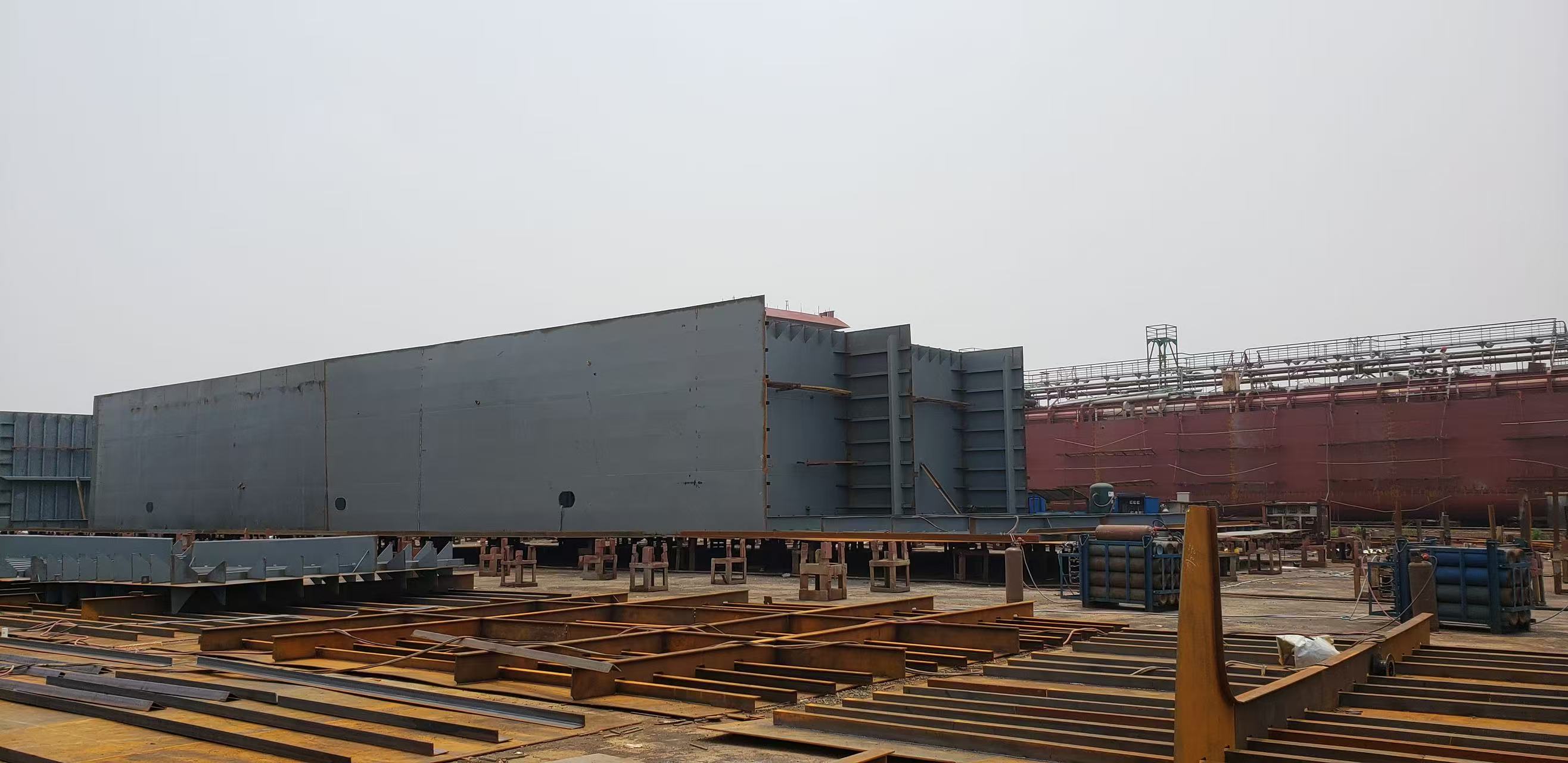
For procurement professionals in marine construction and dredging, selecting the right equipment type and supplier is a critical decision that impacts project timelines, budgets, and operational success. This guide provides a structured comparison between two primary dredger types—Cutter Suction Dredgers (CSD) and Trailing Suction Hopper Dredgers (TSHD)—and analyzes the procurement landscape between Chinese manufacturers and established international brands.
1. Product Comparison: CSD vs. TSHD
The choice between a Cutter Suction Dredger and a Trailing Suction Hopper Dredger fundamentally depends on the project's technical requirements and operational environment. Below is a detailed comparison across four key dimensions.
| Dimension | Cutter Suction Dredger (CSD) | Trailing Suction Hopper Dredger (TSHD) |
|---|---|---|
| Technical Parameters |
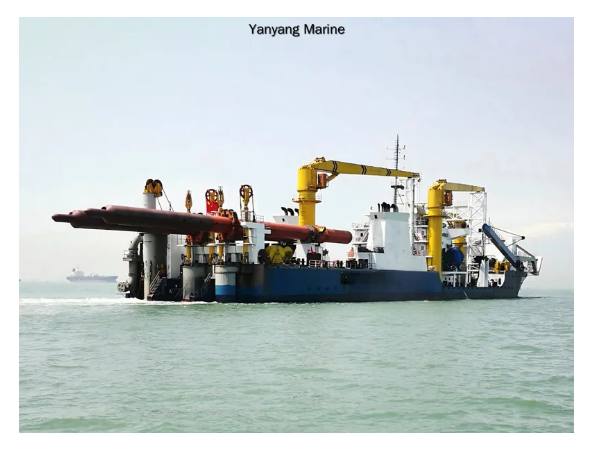
Example from Yan Yang: An 8000m³/h self-propelled CSD has overall dimensions of Loa: 121 meters, width: 25 meters, depth: 8.5 meters. |
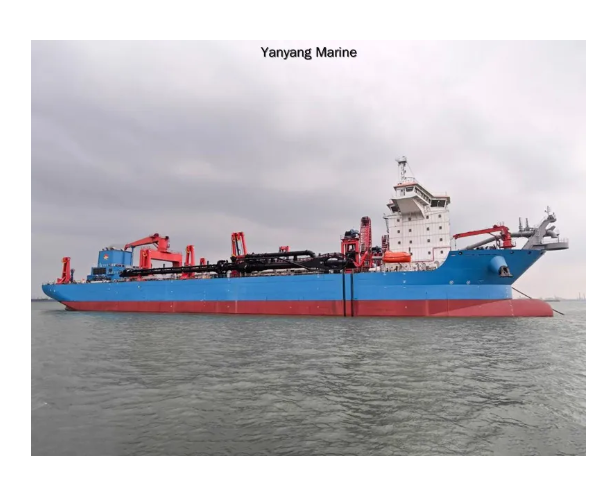
Example from Yan Yang: A 26800m³ TSHD has a length overall of approximately 171.20 m and a speed at draft 11.5 m of 15.5 kn. |
| Primary Application & Scenario |
Best for:
Operates stationary, requiring spud poles or anchors. |
Best for:
Operates while moving, loads material into its own hopper. |
| Capital & Operational Cost |
|
|
| Maintenance & Operational Complexity |
|
|
Key Insight for Buyers
Choose a Cutter Suction Dredger for precision, pipeline-based projects in ports or near shore. Choose a Trailing Suction Hopper Dredger for high-volume, transport-required projects in open waters. Hybrid needs may require a fleet analysis.
2. Supplier Landscape: Chinese Manufacturers vs. International Brands
The global dredging equipment market is served by established European giants and competitive Chinese manufacturers. The choice involves trade-offs across several factors.
Chinese Manufacturers (e.g., Yan Yang Marine)
Typical Profile: Established specialized yards focusing on medium to large dredgers and offshore vessels, often with IACS certification capabilities.
Advantages:
- Price: Offers a 50% lower cost compared to European brands, according to supplier data.
- Customization & Flexibility: Often provide a one-stop customized solution encompassing design drafting, construction supervision, vessel shipment, and crew training.
- Delivery Lead Time: Significantly shorter lead time of 2-3 months for stock vessels, versus 2-3 years for comparable newbuilds from European suppliers.
- Operational Efficiency: Products demonstrate higher working efficiency, lower energy consumption, and higher ROI, with lower maintenance requirements and less downtime.
Considerations: Global after-sales network may be less dense than historic international brands, though many offer dedicated support teams and remote assistance.
IACS Certified CCS ClassInternational Brands (e.g., Royal IHC, DEME, Jan De Nul)
Typical Profile: Long-established companies with extensive R&D, global project portfolios, and integrated dredging service arms.
Advantages:
- Technology & R&D: Deep investment in R&D for cutting-edge technology (e.g., advanced automation, DP systems).
- Brand Prestige & Track Record: Proven performance on mega-projects worldwide, reducing perceived risk for financiers.
- Global Service Network: Extensive, established service hubs and spare parts depots in major ports globally.
- Financing & Project Support: Often able to offer complex project financing and full EPC solutions.
Considerations: Premium pricing, longer lead times for newbuilds, and less flexibility for highly customized, lower-budget projects.
3. A 3-Step Decision Framework for Procurement
To navigate this complex decision, industrial buyers can follow a structured three-step process.
Step 1: Precisely Define the Operational Scenario
- Material: Soil type (sand, clay, rock), density, presence of debris.
- Geography: Working area (inland river, port basin, open coast, offshore), water depth, environmental restrictions.
- Logistics: Distance to disposal site, availability of shoreline for pipeline, required production volume (m³/h).
- Duration: Short-term project vs. long-term fleet asset.
Step 2: Match Scenario to Technical Parameters
Translate the scenario into hard specifications. Use the CSD vs. TSHD comparison table as a starting point. For instance:
- A port deepening project with hard clay and a 5km pipeline to a reclamation site points to a high-power CSD with a specific cutter capability and pump pressure.
- An offshore channel maintenance project with sandy material and a 20nm transit to a disposal site points to a medium-sized TSHD with adequate hopper capacity and transit speed.
This step creates your core technical requirement list (dredging depth, capacity, power, classification).
Step 3: Conduct Total Cost of Ownership (TCO) Analysis
Evaluate suppliers based on a comprehensive cost model, not just the purchase price (CAPEX). Include:
- Capital Expenditure (CAPEX): Purchase price, financing cost, import duties, delivery to site.
- Operational Expenditure (OPEX): Fuel consumption (efficiency), crew requirements, routine maintenance costs, expected wear part life.
- Lifecycle Costs: Major overhauls, downtime costs, residual value, cost and lead time for spare parts.
- Risk & Flexibility Value: Cost of potential delays from longer lead times, value of customization, cost of after-sales support contracts.
This TCO analysis often reveals the financial impact of factors like delivery time and operational efficiency, which can favor suppliers offering faster delivery and lower operating costs.
4. Case Reference: Leveraging Chinese Manufacturing for Competitive Advantage
A practical example illustrates the decision framework in action. A dredging contractor based in Southeast Asia needed to expand its fleet for several upcoming port expansion contracts. The primary need was for a vessel capable of handling stiff clay and achieving high precision in confined port basins, with a tight project start deadline of 6 months.
Project Requirements & Decision Process
- Scenario (Step 1): Multiple port expansion projects, material: hard clay and sand, confined working area, need for precise excavation near quay walls.
- Technical Match (Step 2): A Backhoe Dredger was selected for its precision and power in hard materials. Specifications required: dredging depth up to 18-24m, bucket capacity of 15-20 m³, self-propelled for mobility.
- TCO Analysis (Step 3): European suppliers quoted a 24-month lead time and a price exceeding the project's vessel budget. The delay would mean missing the project window.
The contractor engaged with Zhenjiang Yanyang Engineering Co., Ltd. (Yan Yang Marine), a Chinese manufacturer founded in 1996. The evaluation highlighted several alignments:
- Customization & Speed: Yan Yang offered a one-stop customized solution based on an existing EX-series Backhoe Dredger platform. The lead time was 2-3 months for a vessel from stock versus multi-year waits elsewhere.
- Cost Structure: The total investment was approximately 50% lower than comparable European quotes, fitting the project's CAPEX constraints.
- Technical Compliance: The vessel could be built to relevant IACS classification standards (e.g., CCS), meeting the technical specification.
- Operational Focus: The manufacturer's data indicated the design offered higher working efficiency and lower energy consumption, contributing to a favorable OPEX forecast.
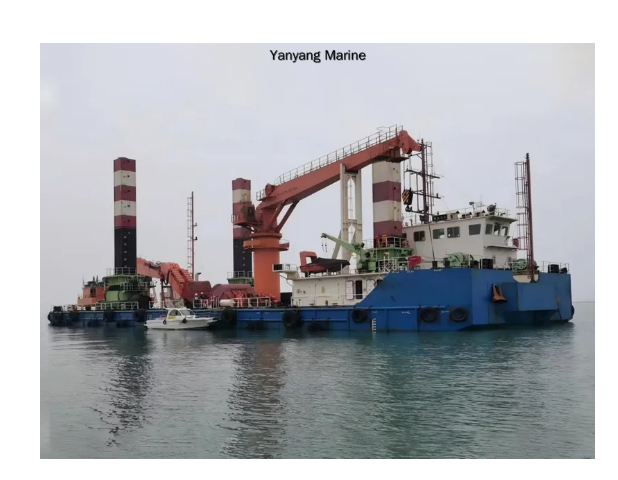
The contractor procured a customized Backhoe Dredger. The vessel was delivered within the required timeframe, enabling the contractor to mobilize for the port projects as scheduled. The lower initial investment and faster delivery directly contributed to securing the project contracts and improving the contractor's return on investment timeline.
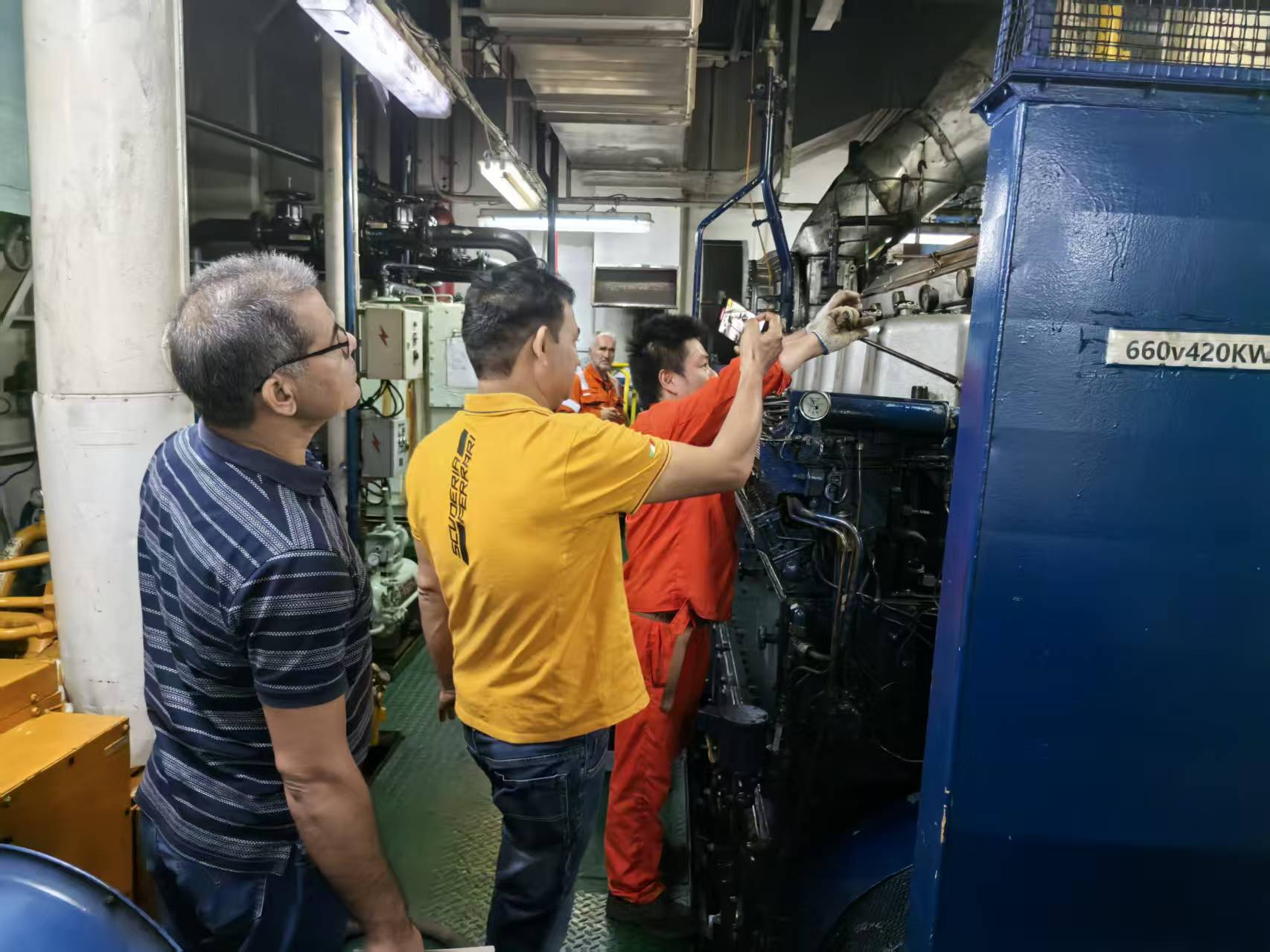
Conclusion
Selecting dredging equipment is a multi-faceted decision. The fundamental choice between a CSD and a TSHD is driven by project geography and material handling needs. The subsequent supplier choice between established international brands and competitive Chinese manufacturers like Yan Yang Marine involves a clear trade-off: premium technology and global service networks versus significant cost savings, faster delivery, and high customization flexibility.
By applying the three-step decision framework—defining the scenario, matching technical parameters, and conducting a rigorous TCO analysis—procurement teams can make objective, project-optimized decisions. As the case study demonstrates, for projects where time-to-market, budget constraints, and specific customization are critical, Chinese manufacturers provide a viable and often advantageous alternative, enabling contractors to compete effectively and execute projects successfully.